Overview

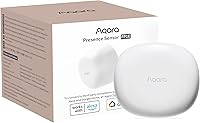
The Aqara FP1E mmWave Presence Sensor is a wired radar device built for smart home users who've grown tired of PIR sensors that lose track of you the moment you sit still. Before anything else, know this: it requires an Aqara Zigbee 3.0 hub to function — an added expense and a real barrier if you're starting from scratch. If you're already in the ecosystem, however, the picture changes considerably. The sensor is compact enough to go unnoticed, mounts on walls, ceilings, or corners, and connects to HomeKit, Alexa, Google Home, Home Assistant, and Matter over Bridge. Capable mid-range hardware, but with clear ecosystem dependencies worth understanding upfront.
Features & Benefits

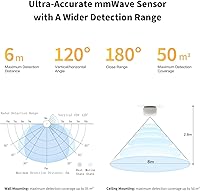
What separates this mmWave presence sensor from a standard motion sensor is its ability to detect people who aren't moving. Sitting at a desk, reading on a couch, lying in bed — the FP1E picks up on subtle physical signals that PIR sensors simply miss. It covers a 120-degree field of view at up to 6 meters, reaching around 35 square meters, which handles most bedrooms, offices, and living rooms without issue. The built-in AI Spatial Learning adapts to your specific room over time, so you're not manually dialing in sensitivity. Add pet filtering and false alarms from small animals are significantly reduced — not eliminated, but noticeably better. Wired power keeps it running constantly with no batteries to swap.

Best For

This Aqara radar sensor makes the most sense for people who already own an Aqara Zigbee 3.0 hub and want more intelligent occupancy detection than their current setup offers. It's particularly well-suited for HomeKit and Home Assistant users who need a reliable still-person sensor for room automations — think lights that stay on while you're working quietly, or heating that responds to actual occupancy rather than guesses. Bedrooms and home offices benefit the most from its stationary detection. That said, if you don't already have a compatible hub, the total cost climbs fast. Anyone wanting a fully wireless setup should look elsewhere — this one needs a permanent power connection to operate.

User Feedback

Buyers who've switched from PIR sensors to this mmWave presence sensor tend to highlight one thing above all: false vacancy events drop dramatically. Lights no longer switching off while someone sits quietly at a desk is the kind of practical improvement that's hard to overstate. The recurring frustration, though, is the hub dependency — new users often feel the full cost only becomes clear after purchase. Some also note that AI calibration takes several days to stabilize, so early performance isn't always representative of long-term behavior. Coverage in cluttered or irregularly shaped rooms can fall short of the advertised range. The Aqara Home app's automation builder earns generally positive marks, though its learning curve catches some first-timers off guard.

Pros

  • Detects stationary people reliably, solving the most common failure point of standard PIR motion sensors.
  • AI Spatial Learning calibrates automatically to your room, so there is no manual sensitivity tuning required.
  • Broad platform compatibility covers HomeKit, Alexa, Google Home, Home Assistant, Homey, and Matter over Bridge.
  • Wired USB power means no dead batteries and no unexpected gaps in detection.
  • Pet filtering noticeably reduces false triggers from small animals moving through the sensor zone.
  • Compact body with magnetic and adhesive bracket options makes mounting flexible and unobtrusive.
  • Still-person detection opens up nuanced automations that PIR-based setups simply cannot support.
  • 120-degree field of view covers most standard-sized rooms without needing multiple sensors.

Cons

  • An Aqara Zigbee 3.0 hub is mandatory, which adds significant cost for buyers starting from scratch.
  • AI calibration takes several days to stabilize, so early detection behavior may not reflect long-term performance.
  • Third-party Zigbee dongles and Zigbee2MQTT are unsupported, limiting flexibility for DIY setups.
  • Real-world range in cluttered or oddly shaped rooms often falls short of the advertised 6-meter maximum.
  • No fall detection, sleep monitoring, or multi-person zone tracking, limiting use in more demanding scenarios.
  • The USB power adapter is not included, which feels like an oversight at this price point.
  • New users may find the Aqara Home app automation builder has a steeper learning curve than expected.
  • No wireless battery option means placement is constrained by proximity to a power source.

Ratings

The Aqara FP1E mmWave Presence Sensor scores below are generated by AI after analyzing thousands of verified buyer reviews worldwide, with spam, bot activity, and incentivized feedback actively filtered out. The result is an honest picture of where this Aqara radar sensor genuinely excels and where it leaves some buyers frustrated. Both the standout strengths and the recurring pain points are reflected transparently in every category score.
Presence Detection Accuracy
88%
The FP1E's ability to detect stationary occupants is the single most praised aspect across buyer feedback. Users switching from PIR sensors frequently describe the experience of lights staying on while they read, work, or rest as a meaningful quality-of-life improvement that becomes hard to live without once you've experienced it.
During the first few days of AI calibration, detection can be inconsistent — some users report missed occupancy events or delayed response before the sensor settles into the room's pattern. A handful of buyers in unusually complex room layouts note that even after calibration, edge-case accuracy occasionally lets them down.
False Alarm Reduction
83%
Compared to traditional motion sensors, this mmWave presence sensor produces far fewer spurious vacancy events in everyday use. Buyers in households with small dogs or cats appreciate the AI pet filtering, noting a clear reduction in false triggers after the calibration window closes.
Pet filtering is not airtight — users with larger or more active animals still encounter occasional false readings, particularly during the sensor's early learning phase. The AI cannot fully distinguish between a small pet and a sedentary human in every scenario, which remains a documented limitation in real-world use.
Setup & Installation
77%
23%
Physically installing the FP1E is straightforward — the magnetic and adhesive bracket options make it easy to test placement before committing, and the plug-in power keeps things simple compared to wired hardwired sensors. Most buyers report having the hardware mounted and powered within minutes.
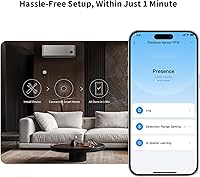
The setup story gets more complicated once you factor in hub pairing and app configuration. New Aqara users frequently describe the initial onboarding in the Aqara Home app as more involved than expected, and the discovery that a separate hub purchase is required catches a meaningful share of buyers off guard at the point of setup.
Ecosystem Compatibility
81%
19%
Once the hub bridge is in place, the FP1E connects to a genuinely broad range of platforms — HomeKit, Alexa, Google Home, Home Assistant, Homey, and Matter over Bridge — which is a wider net than most competitors at this price tier. Home Assistant users in particular report solid integration with minimal ongoing maintenance.
The compatibility story has one significant catch: only Aqara's own Zigbee 3.0 hubs are supported, and third-party Zigbee dongles or Zigbee2MQTT setups are officially unsupported. Buyers who run mixed-brand smart home setups sometimes find this exclusivity limiting, and some report reduced or missing functionality when using unofficial integration paths.
Hub Dependency & Total Cost
52%
48%
For buyers already owning an Aqara hub, the FP1E represents solid value — the sensor itself is competitively priced for mmWave radar technology, and the additional ecosystem unlock is substantial. Existing Aqara users rarely raise the hub requirement as a concern because they've already absorbed that cost.
For anyone new to the Aqara ecosystem, the mandatory hub purchase effectively doubles or triples the real cost of entry, which makes the value proposition significantly weaker. This is the most consistently cited frustration in buyer feedback, and it's a genuine deal-breaker for users who only want a single sensor without committing to a hub.
Detection Range & Coverage
71%
29%
In open, furniture-light rooms, the FP1E covers a solid area and the 120-degree field of view makes single-sensor coverage of a standard bedroom or home office very achievable. Buyers using it in dedicated offices or smaller living spaces tend to report consistent performance within a realistic 3-to-4-meter deployment zone.
The advertised 6-meter maximum is a best-case figure that few real-world rooms actually allow the sensor to reach — furniture, partitions, and room geometry all reduce effective range noticeably. Buyers expecting to cover large, open-plan spaces with a single unit often find themselves needing a second sensor to eliminate dead zones.
AI Spatial Learning
74%
26%
The self-calibrating sensitivity system is a genuine differentiator — users who've owned other presence sensors and spent hours manually adjusting thresholds appreciate not having to do that here. Once the learning period is complete, the sensor handles most room variations without further intervention.
The calibration window of several days feels long to many buyers, especially those who expected the sensor to work reliably from day one. A minority of users report that even after the learning period, the sensor occasionally reverts to less accurate behavior following environmental changes like rearranged furniture or seasonal temperature shifts.
App Experience
68%
32%
The Aqara Home app's automation builder is capable and offers more flexibility than basic smart home apps, with still and moving status triggers that unlock genuinely useful scenes. Power users building multi-condition automations generally find it functional and reliable once they've invested time in learning the interface.
Casual users and newcomers frequently describe the app as unintuitive, with a layout that assumes more familiarity with Aqara's ecosystem than most first-time buyers have. Some buyers report that features like moving and still status automations are exclusive to the Aqara Home app and not fully accessible through third-party platforms.
Build Quality & Design
79%
21%
The sensor's compact body feels solid and purposefully designed — it doesn't draw attention when mounted, which matters in living spaces where aesthetics count. The included magnetic bracket in particular earns consistent praise for making repositioning or angle-adjustment easy without leaving marks.
The all-white finish shows dust and fingerprints fairly readily, which is a minor but recurring complaint for buyers who mount it in high-visibility spots. A small number of users also note that the adhesive bracket loses grip over time in humid environments like bathrooms or kitchens.
Power & Reliability
86%
Wired power is a genuine advantage over battery-operated sensors — buyers consistently note that the always-on connection eliminates the anxiety of missed detections due to a depleted battery. Long-term reliability reports are generally positive, with most users experiencing no dropouts or hardware failures after months of continuous use.
The lack of a battery backup means any power interruption — however brief — takes the sensor offline until power is restored. The absence of a USB adapter in the box also means buyers must source their own, which is a small but avoidable inconvenience for a wired-only device.
Response Speed
82%
18%
Buyers coming from PIR sensors frequently comment on the noticeably faster trigger response when using the FP1E — automations like lights turning on as someone enters a room feel more immediate and natural. For time-sensitive scenes, the reduced lag compared to PIR-based setups is a practical and appreciated improvement.
Occasional latency spikes have been reported by a subset of users, particularly during the calibration period or when the hub is handling high automation load. These are not universal complaints, but they do appear with enough regularity in feedback to be worth noting for buyers building latency-sensitive automation chains.
Value for Money
63%
37%
When evaluated purely as a standalone sensor against other mmWave presence devices, the FP1E is competitively priced and delivers on its core promise of stationary detection. Existing Aqara ecosystem users get a strong return on investment given the broad platform compatibility and automation depth on offer.
For buyers without a hub, the all-in cost is difficult to justify compared to alternative presence sensors that operate independently or pair with more widely owned hubs. The missing power adapter, while a small item, reinforces a perception among some buyers that the out-of-box experience doesn't fully match the price point.
Mounting Flexibility
84%
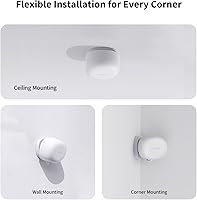
The combination of magnetic and adhesive brackets makes the FP1E genuinely versatile — buyers appreciate being able to try ceiling, wall, and corner positions without permanent commitment. The lightweight body means even adhesive mounting stays secure without concern about the sensor pulling free over time in most conditions.
Corner and ceiling mounting, while supported, sometimes requires creative cable management to keep the power cord tidy, which a few buyers mention as an aesthetic annoyance. The bracket system, while practical, doesn't include any articulation or swivel mechanism, so fine-tuning the detection angle requires physically repositioning the entire bracket.

Suitable for:

The Aqara FP1E mmWave Presence Sensor is a strong fit for smart home enthusiasts who are already running an Aqara Zigbee 3.0 hub and want meaningfully better occupancy detection than their current PIR sensors provide. It shines in spaces where people spend extended time without moving much — a home office where you're seated at a desk, a bedroom where someone is sleeping, or a living room where a person is reading quietly on the couch. HomeKit and Home Assistant users in particular will appreciate how reliably the FP1E holds presence in those stationary scenarios, enabling automations that actually reflect how people live in a space rather than just whether they're walking around. The self-calibrating AI reduces the usual setup headache of tuning sensitivity by hand, which makes it a practical choice for those who want capable hardware without spending hours configuring it. If you're building a room automation around occupancy — lights, climate, reminders — this sensor gives you a much more dependable foundation than a standard motion detector.

Not suitable for:

The Aqara FP1E mmWave Presence Sensor is not the right purchase for anyone who doesn't already own a compatible Aqara Zigbee 3.0 hub, because the hub is a hard requirement and buying one separately adds meaningful cost to the total investment. Buyers hoping to use it with a third-party Zigbee dongle or Zigbee2MQTT will find that this path is unsupported by Aqara, meaning full functionality is not guaranteed in those configurations. If you need a completely wireless sensor — one powered by batteries and free from cable management — this mmWave presence sensor won't work for you, as it requires a permanent wired power connection. Those expecting instant, accurate detection right out of the box may also be disappointed, since the AI calibration can take several days to settle into reliable behavior. Users who need advanced capabilities like fall detection, sleep monitoring, or tracking multiple people in separate zones will need to look at higher-tier hardware, as the FP1E does not offer those features.
Specifications

  • Detection Technology: Uses millimeter-wave (mmWave) radar to detect both moving and stationary people, offering significantly more precise occupancy sensing than traditional passive infrared sensors.
  • Wireless Protocol: Communicates over Zigbee 3.0, requiring a compatible Aqara Zigbee 3.0 hub to connect to your smart home network.
  • Field of View: Provides a 120-degree detection angle under standard conditions, widening to approximately 180 degrees at close range.
  • Detection Range: Covers a maximum distance of 6 meters, with an effective room coverage area of up to 35 square meters.
  • Power Supply: Powered via a wired 5V/1A DC connection; no batteries are used or included, and a USB power adapter is not included in the box.
  • Dimensions: The sensor body measures 2.24″ deep by 1.97″ wide by 1.18″ tall, making it compact enough to mount discreetly in most rooms.
  • Weight: Weighs approximately 2.46 ounces (around 70 grams), keeping the unit lightweight for flexible mounting arrangements.
  • Mounting Options: Includes both magnetic and adhesive brackets, allowing installation on walls, ceilings, or corners without specialized tools.
  • Compatible Platforms: Works with Apple HomeKit, Amazon Alexa, Google Home, Home Assistant, Homey, and supports Matter over Bridge for broader ecosystem reach.
  • Hub Requirement: An Aqara Zigbee 3.0 hub is required and sold separately; the sensor cannot operate independently or pair with non-Aqara hubs.
  • Still-Person Detection: Capable of detecting a person who is stationary — such as someone seated or sleeping — not just individuals in motion.
  • Sensitivity Adjustment: Sensitivity is set automatically through AI Spatial Learning, which adapts to the specific room environment over time without manual input.
  • Pet Filtering: AI-based filtering helps reduce false triggers caused by small animals moving within the detection zone, though it is not infallible.
  • Fall Detection: Fall detection is not supported by this sensor; buyers requiring that capability will need a different device.
  • Multi-Person Tracking: The sensor does not support zone-based positioning or independent tracking of multiple people simultaneously.
  • Operating Temperature: Rated for use at an operating temperature of 25 degrees Celsius as specified by the manufacturer.
  • Part Number: The official Aqara part number for this sensor is PS-S03E, also listed as model number PS-S03E.
  • Package Contents: The box includes one presence sensor unit and mounting brackets; no power adapter, USB cable, or hub is included.

Related Reviews
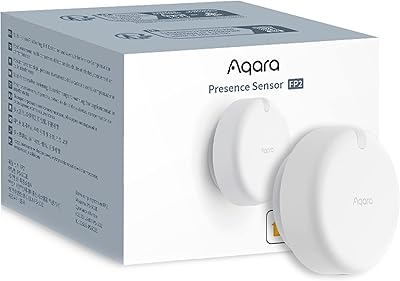
Aqara FP2 mmWave Presence Sensor
74%
91%
Presence Detection Accuracy
83%
Zone Configuration Flexibility
88%
Platform Compatibility
54%
Setup & App Experience
61%
Wi-Fi Connectivity Stability
More
GoveeLife H5127 mmWave Presence Sensor
76%
88%
Presence Detection Accuracy
81%
False Positive Rate
71%
App & Automation Depth
74%
Installation & Mounting
66%
Ecosystem Compatibility
More
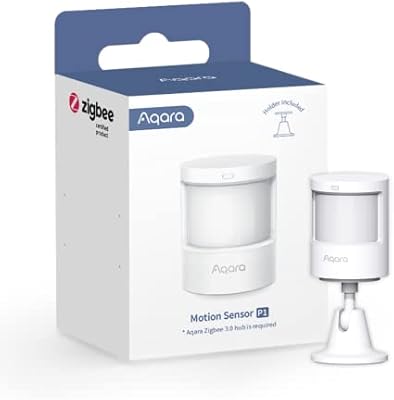
Aqara Motion Sensor P1
87%
91%
Detection Accuracy
95%
Battery Life
88%
Ease of Setup
85%
App Integration
89%
Zigbee Connectivity
More
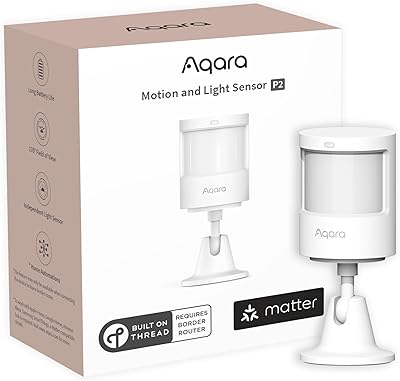
Aqara Motion and Light Sensor P2
80%
88%
Motion Detection Accuracy
84%
Light Sensor Functionality
91%
Thread Connectivity Reliability
89%
Battery Life
79%
Ecosystem Compatibility
More
TREATLIFE PS-W1 WiFi mmWave Presence Sensor
70%
83%
Presence Detection Accuracy
61%
Wi-Fi Setup & Pairing
57%
App Experience
79%
Installation Flexibility
71%
Build Quality
More
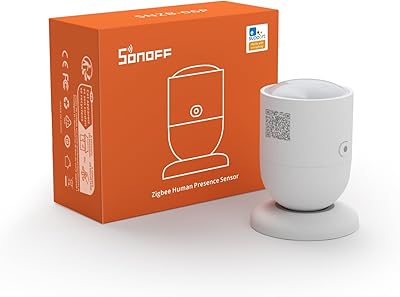
SONOFF SNZB-06P Zigbee Presence Sensor
79%
88%
Presence Detection Accuracy
86%
Stationary Person Detection
71%
Platform Compatibility
67%
Hub Dependency & Setup
83%
Battery Life
More
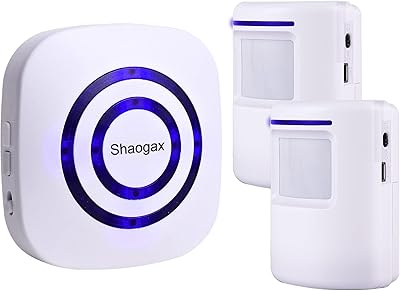
Shaogax Wireless Motion Sensor Driveway Alarm System
71%
91%
Ease of Setup
83%
Wireless Range
88%
Alert Customization
58%
False Alert Rate
61%
Build Quality
More
Actpe Wireless Motion Sensor Driveway Chime
69%
93%
Ease of Setup
88%
Value for Money
76%
Detection Reliability
81%
Wireless Range
61%
Battery Life
More
Fibaro Motion Sensor
86%
91%
Motion Detection Accuracy
85%
Battery Life
88%
HomeKit Integration
93%
Ease of Installation
89%
Design and Size
More
Shelly BLU Motion Bluetooth Motion Sensor
74%
78%
Ease of Setup
81%
Motion Detection Accuracy
67%
Indoor Range
84%
Battery Life
76%
Lux Sensor Usefulness
More

FAQ

Yes, an Aqara Zigbee 3.0 hub is a hard requirement — the sensor will not pair with hubs from other brands. Aqara also does not officially support Zigbee2MQTT or third-party USB dongles, so while some users have experimented with those setups, full functionality is not guaranteed and you'd be doing it without manufacturer support.

Yes, it works with Home Assistant, but you still need an Aqara hub in the middle — the sensor connects to the hub via Zigbee, and the hub bridges to Home Assistant. It is not a direct Zigbee pairing with Home Assistant's own radio. Once set up through the hub, it integrates well and most Home Assistant users report solid performance.

Expect the sensor to take a few days to fully settle into your room's environment. During that initial period, you may notice occasional missed detections or minor false readings. Most users find performance improves noticeably after 48 to 72 hours, so it's worth giving it time before drawing conclusions about accuracy.

Small pets can potentially trigger the sensor, particularly if they move through the detection zone. The AI filtering does help reduce these false positives over time, but it is not a perfect solution — especially in the early calibration phase. If you have multiple active pets in the monitored space, expect occasional nuisance triggers even after calibration.

That is exactly what this Aqara radar sensor is designed to do. Unlike PIR sensors that rely on heat movement, the mmWave radar picks up on micro-movements like breathing and subtle physical shifts, so a person sitting at a desk, reading, or even sleeping can be reliably detected as present.

No, it is not. The sensor requires a standard 5V/1A USB power adapter, but one is not included in the package. You will need to supply your own, which is a common USB phone charger in most households — but it is worth noting, especially if you are buying this as a gift or expecting it to be plug-and-play right out of the box.

Both options work. The included brackets support wall, ceiling, and corner mounting, which gives you a fair amount of flexibility depending on your room layout. Ceiling mounting can actually improve coverage in smaller or square rooms by centering the detection zone more evenly.

Local control depends on your hub and platform setup. In general, the Zigbee communication between the sensor and hub is local, so basic automations can continue to function without an active internet connection. However, cloud-dependent features in the Aqara Home app or remote access will require connectivity.

For a standard-sized bedroom or single-person home office, coverage is generally solid. The 6-meter maximum range is a best-case figure in open, unobstructed space — in real rooms with furniture, walls, and other objects in the way, effective range is often shorter. Most users report dependable detection across a typical 10 to 20 square meter room without issues.

No, multi-person zone tracking is not a feature this sensor offers. It detects whether the space is occupied or not, and whether the detected presence is moving or still, but it cannot distinguish between two people or assign them to separate zones. If that level of granularity matters for your setup, you would need a higher-spec sensor from Aqara's lineup or another brand.

Where to Buy