Overview

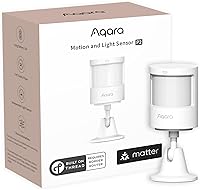
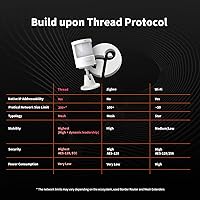
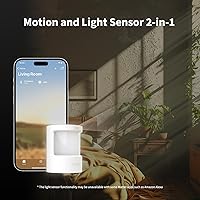
The Aqara Motion and Light Sensor P2 is Aqara's most capable entry in the sensor category, pairing a PIR motion detector with an ambient light sensor that can actually operate on its own — a real step forward from the P1. It runs natively over Matter over Thread, which means it doesn't need a proprietary hub, provided you already have a compatible Thread border router in your home. That last point matters: if you don't own one yet, you'll need to factor in the additional purchase. Compact and battery-powered, this motion and light sensor is built for people serious about a Thread-enabled smart home without locking into one brand's ecosystem.
Features & Benefits

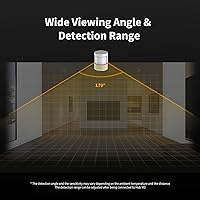
The wide 170° field of view and 7-meter detection range give this Thread-based sensor genuine coverage for most rooms without creative mounting acrobatics. What really sets it apart is the independent light sensor — it can trigger automations based purely on room brightness, letting you build automatic blind adjustments or circadian lighting schedules that respond to actual conditions rather than a clock. Worth knowing: Alexa users don't get access to the light sensor feature at all, which is a notable gap. On the practical side, the dual CR2450 batteries are rated for up to two years, and local automation processing means everything keeps working even when your internet goes down.

Best For

This motion and light sensor is a natural fit for anyone already running Apple Home through a HomePod Mini or Apple TV 4K — the Thread border router requirement is already covered, and setup tends to go smoothly. Amazon Echo and Eero users are also well-supported, provided they own a compatible recent model. Beyond compatibility, the Aqara P2 sensor shines for people who want to automate based on real-time brightness, not just motion. It's a strong pick for anyone tired of frequent battery changes — two-year battery life removes that headache. Those wanting multi-ecosystem flexibility without vendor lock-in will appreciate the Matter-native approach.

User Feedback

Owners of the Aqara P2 sensor consistently point to fast trigger response and solid Thread reliability as standout positives — particularly those running Apple Home, where setup tends to go smoothly. The independent light sensor earns specific praise from P1 owners upgrading, who treat it as the headline improvement. On the downside, the hub requirement catches a meaningful number of buyers off guard; it's fine print that not everyone reads before purchasing. Some users also report reduced range through walls or in larger open spaces. Alexa households express frustration that light sensor automations are simply unavailable to them. Battery longevity, at least, tends to match or beat expectations.

Pros

  • Thread connectivity delivers fast, reliable response times that noticeably outperform older Zigbee or Wi-Fi sensors.
  • The independent light sensor enables genuine brightness-based automations, not just motion triggers.
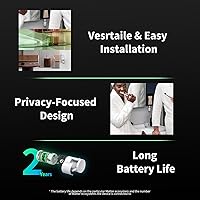
  • Two-year battery life is among the best in its class — swap-outs are genuinely infrequent.
  • Local automation processing keeps routines running even during internet outages.
  • Wide 170° horizontal field of view covers most rooms without awkward sensor placement.
  • The Aqara P2 sensor works across Apple Home, Google Home, Amazon Alexa, and Samsung SmartThings via Matter.
  • Sensitivity is adjustable through the app, which helps reduce false triggers in warmer months.
  • The 360° adjustable stand makes wall and ceiling installation straightforward without specialized tools.
  • Batteries are included in the box, so you can set it up without a separate trip to the store.
  • Users upgrading from the P1 consistently cite the independent light sensor as a meaningful real-world improvement.

Cons

  • A compatible Thread border router is required and sold separately — this is not an optional accessory.
  • Alexa users cannot access light sensor automations at all, cutting the device's value roughly in half for that ecosystem.
  • Detection range drops noticeably through walls or in rooms larger than the rated 7-meter distance.
  • The sensor must be placed within approximately 6 meters of the hub for a stable connection, limiting placement flexibility.
  • App setup experience varies significantly — Apple Home users report smooth onboarding, but Alexa users encounter more friction.
  • Buyers who skim the product listing often miss the hub requirement and feel misled upon arrival.
  • Only specific, listed hub models are confirmed compatible — older or budget border routers may not work reliably.
  • The vertical detection angle of 45° is relatively narrow, which can cause missed triggers if mounting height is not carefully chosen.

Ratings

The Aqara Motion and Light Sensor P2 earns strong marks overall, but the scores below reflect a nuanced picture — not a blanket endorsement. Our AI analyzed thousands of verified global purchases, actively filtering out incentivized and bot-generated reviews, to surface what real buyers consistently praise and where genuine frustrations emerge. Both sides of the experience are represented honestly in every category below.

Motion Detection Accuracy
88%
Thread-based communication delivers noticeably faster trigger times compared to older Zigbee or Wi-Fi sensors, which users appreciate most in hallway and entryway lighting automations where a half-second lag is obvious. The 170° horizontal sweep covers most living spaces comfortably from a single corner placement.
The 45° vertical angle is narrow enough to cause missed detections if the sensor is mounted too high or aimed slightly off-axis. Users in rooms with high ceilings or irregular layouts report occasional blind spots that require repositioning.
Light Sensor Functionality
84%
The ability to run the lux sensor independently — without tying it to a motion event — is a genuine upgrade from the P1 and opens up much more nuanced automations like circadian lighting schedules and brightness-reactive blind control. Apple Home users in particular find this feature works reliably and responsively.
Alexa users get none of this functionality, which is a hard cutoff rather than a partial limitation. For households primarily using Echo devices, the light sensor is effectively dead hardware, which noticeably undercuts the value proposition for that segment.
Thread Connectivity Reliability
91%
Once paired, the Thread connection holds up well in typical home environments, with users reporting very few dropped connections or delayed automations over extended periods. The mesh nature of Thread means that homes with multiple compatible devices experience even better stability.
The 6-meter recommended proximity to the border router is a real constraint in larger homes with a single hub. Buyers who place the sensor in a back bedroom far from their HomePod Mini or Echo sometimes encounter intermittent drops that require relocating either device.
Battery Life
89%
Two years of rated battery life stands out in a category where annual replacements are common, and real-world user reports mostly confirm the estimate holds. For a device mounted on a ceiling or high wall, infrequent battery changes are a meaningful practical convenience.
Battery life degrades meaningfully when the sensor is linked to multiple Matter ecosystems simultaneously or placed in very high-traffic areas. Users running the sensor across three or more platforms report noticeably shorter cycles than the rated estimate.
Ecosystem Compatibility
79%
21%
Matter certification gives this Thread-based sensor genuine cross-platform reach — Apple Home, Google Home, Alexa, and Samsung SmartThings are all supported, which is rare at this price point. Enthusiasts who mix ecosystems or plan to switch platforms find this reassuring.
The compatibility promise has an asterisk: Alexa loses the light sensor, and not all hub models within each ecosystem are supported — only specific listed devices work reliably. Buyers with older Echo or Google Nest hardware may find themselves locked out unexpectedly.
Setup Experience
74%
26%
Apple Home users consistently describe the Matter onboarding as smooth and fast — scan the QR code, assign a room, done. The physical installation is equally simple: the adjustable stand requires no drilling, and the sensor is light enough for adhesive mounting.
Alexa and Google Home setup generates more mixed feedback, with some users encountering pairing failures or needing to reset the device multiple times. The hub requirement also catches a meaningful number of buyers off guard mid-setup, creating frustration that colors the overall experience.
Detection Range
71%
29%
In open-plan rooms and hallways, the 7-meter range is adequate for most standard residential spaces, and the wide horizontal angle means positioning is fairly forgiving in smaller rooms. Users report reliable detection across typical bedroom and kitchen footprints.
Range drops noticeably through walls or in L-shaped rooms, and larger open spaces like loft apartments or open-plan living areas expose the sensor's limits. Several users note that the lab-tested 7-meter figure does not translate reliably to real carpeted or furnished environments.
Hub Requirement Transparency
52%
48%
For buyers who research before purchasing, the hub requirement is well-documented in the product listing and causes no surprise. Those who already own compatible hardware treat the separate purchase as a non-issue and focus on the sensor's performance.
A recurring frustration in user reviews is discovering the hub requirement only after unboxing — the fine print is technically present but easy to miss. This has led to a notable cluster of negative reviews from buyers who expected a standalone device and feel the listing could be clearer.
Build Quality
83%
The housing feels solid for its size and weight, with no flex or rattling that would suggest cheap construction. The adjustable stand mechanism operates smoothly and holds its position reliably after being set, which matters for ceiling-mounted placements where re-adjustment is inconvenient.
The all-white plastic finish attracts fingerprints during installation and can look slightly cheap up close despite being functional. A few users mention that the battery compartment cover requires more force to close than expected, which feels at odds with the otherwise refined design.
Mounting & Placement
86%
The 360° stand is genuinely versatile — it accommodates wall and ceiling placements without requiring additional hardware, and the adhesive option means zero damage to rental walls. Most users have the sensor physically installed within minutes of opening the box.
The 6-meter hub proximity constraint limits ideal placement options in larger homes, sometimes forcing a choice between optimal detection coverage and a stable connection. Users in apartments with thick concrete walls find both range and connectivity more restricted than the specs suggest.
App & Automation Control
76%
24%
The Aqara Home app provides granular sensitivity controls that let users tune the sensor for seasonal temperature changes — a useful feature that most competing sensors in this range do not offer. Automation logic can be configured without cloud dependency, which privacy-conscious users appreciate.
The Aqara app adds another layer of software that some users would rather avoid, particularly those who want everything managed natively in Apple Home or Google Home. Sensitivity adjustments are not exposed through third-party ecosystem apps, so app-avoidant users miss out on meaningful customization.
Value for Money
77%
23%
For buyers who already own a compatible Thread border router, the pricing is competitive for what is genuinely a dual-function Matter-native sensor with long battery life. The inclusion of batteries in the box is a small but appreciated touch that competing products sometimes skip.
For buyers who need to purchase a border router separately, the total cost of ownership climbs considerably and may push the effective price into premium territory compared to simpler single-protocol alternatives. Alexa-only users paying full price for a sensor that functions as motion-only are not getting a proportionate return.
Privacy & Local Processing
93%
Automations executing locally without cloud routing is a standout feature for privacy-focused households, and it has the practical bonus of keeping everything functional during ISP outages. Users who have had cloud-dependent sensors fail during internet disruptions specifically cite this as a reason they chose the Aqara P2 sensor.
Local processing depends entirely on the border router remaining powered and functional — if the hub goes down, automations pause too. This is a minor and expected trade-off, but users should not assume the sensor operates fully independently without any infrastructure.

Suitable for:

The Aqara Motion and Light Sensor P2 is a strong buy for anyone who has already invested in a Thread-capable smart home setup and wants a sensor that does more than just detect movement. Apple Home users with a HomePod Mini, HomePod (2nd gen), or Apple TV 4K will find this the easiest path — the border router requirement is already covered, and the experience tends to be smooth from pairing to automation. It also works well for Amazon Echo and Eero households, provided they own a recent compatible model. The independent light sensor is the real draw for anyone building environment-aware automations: think lights that dim automatically when a room brightens in the afternoon, or blinds that respond to actual lux levels rather than a timer. People who prioritize low-maintenance hardware will appreciate the two-year battery life, and those who care about privacy will value the fact that automations run locally without needing a cloud connection.
Not suitable for:

If you do not already own a compatible Matter Controller and Thread Border Router, the true cost of this purchase is higher than it first appears — and that extra hardware is not optional. Alexa-only households face a specific limitation worth knowing upfront: Amazon's ecosystem does not expose the light sensor functionality at all, which means you would essentially be paying for a dual-sensor device and only using half of it. The Aqara Motion and Light Sensor P2 is also not the right pick for large open-plan spaces or rooms with thick walls, where the detection range can fall short of expectations. Anyone who wants a truly standalone sensor with no hub dependency should look elsewhere — this device is fundamentally designed to live inside a broader Thread mesh network. If your smart home setup is minimal or you are just getting started, the setup complexity and prerequisite hardware may outweigh the benefits.
Specifications

  • Motion Technology: Uses a passive infrared (PIR) sensor to detect heat-based movement from people and larger animals within its coverage zone.
  • Light Sensor: Includes an independent lux-based ambient light sensor that can trigger automations entirely on its own, separate from motion events.
  • Protocol: Communicates natively via Matter over Thread, providing a low-latency, low-power mesh connection without proprietary middleware.
  • Detection Range: Rated for motion detection up to 7 meters under laboratory conditions at 25°C; real-world range may vary with temperature and obstructions.
  • Horizontal Angle: Covers a 170° horizontal field of view, making it suitable for corner-mounted installations that need broad room coverage.
  • Vertical Angle: Offers a 45° vertical detection angle, which requires careful attention to mounting height for reliable floor-level detection.
  • Dimensions: Measures 1.3″ deep by 1.64″ wide by 1.3″ tall, making it one of the more compact sensors in its category.
  • Weight: Weighs 1.06 ounces fully assembled, light enough that the adhesive mount is sufficient for most surfaces.
  • Battery: Powered by two CR2450 lithium metal coin batteries, which are included in the box and ready to use out of the package.
  • Battery Life: Rated for up to 2 years of continuous operation, though actual life depends on the number of connected Matter ecosystems and event frequency.
  • Mounting: Ships with a 360° adjustable stand compatible with wall and ceiling surfaces; no drilling is required for standard installations.
  • Hub Requirement: Requires a separate 2-in-1 Matter Controller and Thread Border Router, which is not included and must be purchased independently.
  • Hub Proximity: For a stable Thread connection, the sensor should be placed no more than 6 meters from the nearest Thread border router or mesh node.
  • Offline Automations: All automations execute locally on the hub without cloud involvement, meaning routines continue to run during internet outages.
  • Compatible Ecosystems: Certified to work with Apple Home, Amazon Alexa, Google Home, and Samsung SmartThings via the Matter standard.
  • Alexa Limitation: Amazon Alexa does not expose the light sensor functionality, so Alexa users can only access motion detection features.
  • Sensitivity Settings: Offers multiple sensitivity levels configurable through the Aqara Home app to reduce false triggers in varying seasonal conditions.
  • Color: Available in white only, with a clean minimal housing designed to blend into standard residential wall and ceiling surfaces.
  • Model Number: Officially designated as model ML-S03E, with UPC 192784000854 for retail and warranty identification purposes.
  • In the Box: Package includes the motion and light sensor unit, the adjustable mounting stand, and two CR2450 batteries pre-installed with a pull tab.

Related Reviews
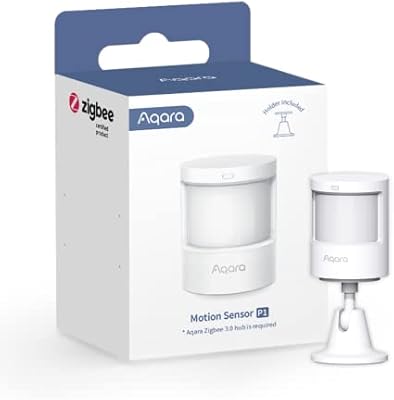
Aqara Motion Sensor P1
87%
91%
Detection Accuracy
95%
Battery Life
88%
Ease of Setup
85%
App Integration
89%
Zigbee Connectivity
More
ChunHee SL07 Solar Strobe Alarm Siren
76%
88%
Ease of Installation
61%
Solar Charging Performance
83%
Siren Volume & Deterrent Effect
72%
PIR Motion Sensor Accuracy
67%
Remote Control Reliability
More
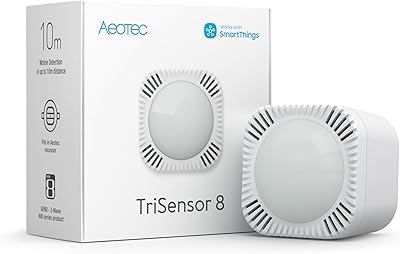
Aeotec TriSensor 8 Z-Wave Motion Sensor
79%
88%
Motion Detection Accuracy
91%
Z-Wave Range & Connectivity
83%
Hub Compatibility
79%
Temperature Sensing
74%
Light Sensing
More
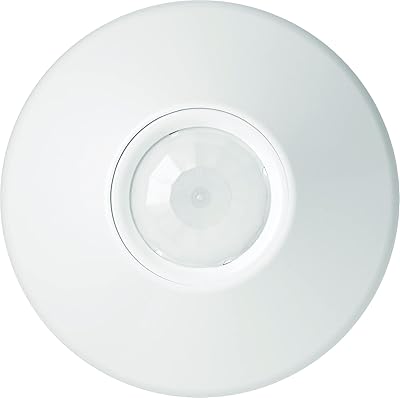
Sensor Switch CMR 9 Ceiling Motion Sensor
74%
83%
Motion Detection Accuracy
88%
Installation Experience
81%
Build Quality
79%
Coverage & Range
67%
Time Delay Control
More
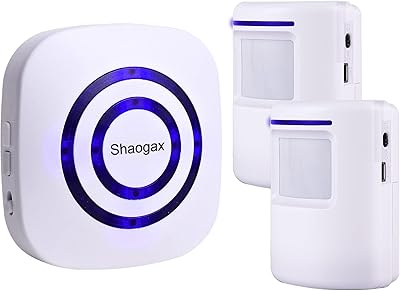
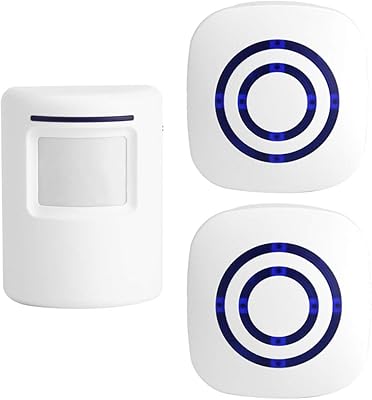
Shaogax Wireless Motion Sensor Driveway Alarm System
71%
91%
Ease of Setup
83%
Wireless Range
88%
Alert Customization
58%
False Alert Rate
61%
Build Quality
More
Actpe Wireless Motion Sensor Driveway Chime
69%
93%
Ease of Setup
88%
Value for Money
76%
Detection Reliability
81%
Wireless Range
61%
Battery Life
More
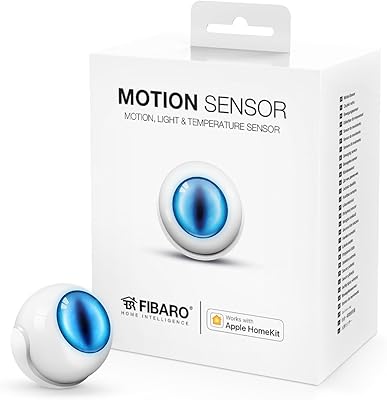
Fibaro Motion Sensor
86%
91%
Motion Detection Accuracy
85%
Battery Life
88%
HomeKit Integration
93%
Ease of Installation
89%
Design and Size
More
eufy Security Motion Sensor
85%
90%
Detection Accuracy
95%
Ease of Installation
93%
Battery Life
87%
Sensitivity Adjustment
89%
App & Notification System
More
Shelly BLU Motion Bluetooth Motion Sensor
74%
78%
Ease of Setup
81%
Motion Detection Accuracy
67%
Indoor Range
84%
Battery Life
76%
Lux Sensor Usefulness
More
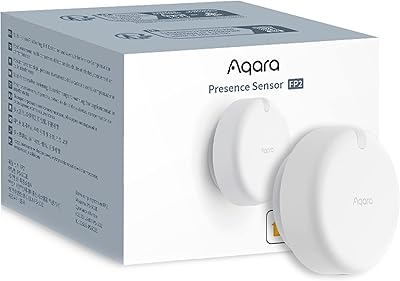
Aqara FP2 mmWave Presence Sensor
74%
91%
Presence Detection Accuracy
83%
Zone Configuration Flexibility
88%
Platform Compatibility
54%
Setup & App Experience
61%
Wi-Fi Connectivity Stability
More

FAQ

Yes — a 2-in-1 Matter Controller and Thread Border Router is required and sold separately. If you already own a compatible device like a HomePod Mini, Apple TV 4K, a recent Amazon Echo, or an Eero Pro router, you are set. If not, budget for that hardware before purchasing the sensor.

Yes, it is Matter-certified and compatible with Google Home, provided your Google device supports Thread border routing, such as the Nest Hub 2nd gen or Nest Hub Max. Setup follows the standard Matter pairing process within the Google Home app.

Unfortunately, no. Amazon Alexa does not currently expose the light sensor data from Matter devices, so Alexa users are limited to motion detection only. If brightness-based automations are important to you, Apple Home or Google Home would be a better fit.

Aqara recommends keeping this Thread-based sensor within 6 meters of your Thread border router for a stable connection. In practice, Thread is a mesh protocol, so if you have multiple Thread devices nearby, the effective range can extend further — but for a single hub setup, that 6-meter guideline is worth respecting.

The rated two-year estimate holds up reasonably well based on user reports, particularly for Apple Home users with a single connected ecosystem. Battery life shortens noticeably if the sensor is connected to multiple Matter ecosystems simultaneously or if it is placed in a very high-traffic area.

This sensor is designed for indoor use only. It has no weatherproofing rating, and exposure to rain, humidity, or temperature extremes outside the tested range will likely damage the unit or produce unreliable readings.

Yes. Automations created through compatible hubs run locally without relying on cloud servers. A power outage affecting your hub would pause automations, but a simple internet disruption will not stop them from firing.

The lux-based light sensor reads the current brightness level in the room and can be used as a standalone trigger or combined with motion events. A common setup is to have lights turn on only when motion is detected AND the room is below a certain brightness threshold — that way lights do not activate needlessly during the day.

For Apple Home users, pairing is handled through a standard Matter QR code scan and takes just a few minutes. Alexa and Google Home setups are similarly straightforward. The physical installation is simple too — the adjustable stand uses adhesive or a single screw, and the sensor weighs very little.

The main practical difference is that the P2 gives the light sensor its own independent role — on the P1, the light sensor could only work in combination with motion. The P2 also adds native Matter over Thread support, whereas the P1 required Aqara's own Zigbee hub. For anyone already on P1 and considering an upgrade, the independent light sensor and broader ecosystem compatibility are the two most meaningful changes.

Where to Buy