Overview

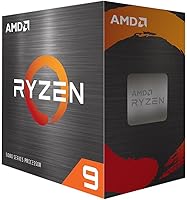
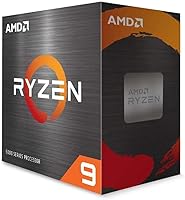
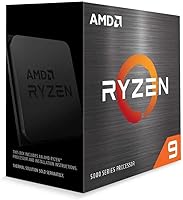
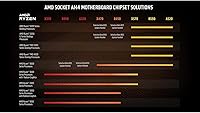
The AMD Ryzen 9 5950X represents the absolute pinnacle of Zen 3 architecture, delivering a staggering 16 cores and 32 threads for uncompromising desktop performance. If you are building a machine that needs to handle both intense gaming and heavy creative workloads, this 16-core processor stands out as a phenomenal hybrid choice. It operates on the mature AM4 socket, meaning many users can simply flash their existing motherboard BIOS rather than buying a completely new platform. We appreciate that AMD managed to pack such massive compute power into a familiar ecosystem. While you might be tempted to grab this for a standard gaming rig, it is frankly overkill if you are not also running heavy productivity software. For creators who also play, it hits an incredibly sweet spot.

Features & Benefits

Under the hood, the flagship Ryzen chip leverages massive multi-threading capabilities to tear through rendering tasks and complex data processing. You get a remarkably high single-core boost clock that reaches up to 4.9 GHz, ensuring your real-time audio processing and high-framerate gaming remain entirely lag-free. Support for PCIe 4.0 is a massive advantage here, enabling ultra-fast NVMe storage access so your massive sample libraries load almost instantly. Furthermore, the unlocked multiplier allows advanced users to manually push performance even further if they have the thermal headroom. Keep in mind that unlocking those higher frequencies requires serious thermal management. The 32 processing threads specifically benefit heavy multitrack audio and video timelines, allowing you to scrub through massive projects without experiencing those frustrating stutters or application lockups that plague lesser chips.

Best For

This powerhouse CPU is undeniably a top contender for audio engineers running dense sessions loaded with dozens of virtual instruments. Video editors and 3D animators will also find immense value here, as the sheer core count translates directly to rapid export and render times. If you make your living meeting tight deadlines, the time saved rendering massive files is easily worth the price of admission. It also easily handles enthusiast gamers who want to simultaneously play, stream, and record at the highest possible quality presets without dropping frames. However, if your primary goal is just casually playing competitive shooters, you should look at cheaper alternatives. This silicon is strictly tailored for professionals and serious hobbyists who demand heavy parallel processing to keep their demanding daily workflows moving smoothly.

User Feedback

Long-term owners consistently praise the drastically reduced bounce times when finalizing massive multitrack projects. Buyers love the ease of dropping this chip into existing motherboards after a quick BIOS update, extending the life of their current builds. On the downside, frequent notes emphasize the absolute necessity of a robust aftermarket cooling solution. You must remember that there is no cooler included in the box, and a high-end liquid AIO is highly recommended to keep temperatures manageable under sustained loads. Some users report frustration with heat spikes if they try to rely on budget air coolers. While the performance metrics are universally celebrated, the hidden cost of purchasing premium thermal paste and a top-tier radiator means your actual upgrade budget needs to account for much more than just the silicon itself.

Pros

  • Tears through heavy multitrack audio sessions with zero latency or dropouts.
  • Drastically reduces bounce and render times for massive video projects.
  • The AMD Ryzen 9 5950X easily handles simultaneous high-quality streaming and gaming.
  • High 4.9 GHz boost clock ensures snappy responsiveness during real-time tracking.
  • PCIe 4.0 support allows lightning-fast loading of massive sample libraries.
  • Seamlessly upgrades older AM4 motherboards with just a simple BIOS flash.
  • Delivers workstation-class parallel processing without the premium cost of enterprise platforms.

Cons

  • Completely lacks an included stock cooler, adding hidden costs to your build.
  • Demands a robust, expensive liquid AIO cooler to prevent severe thermal throttling.
  • Massively overkill and cost-ineffective for users who only play standard PC games.
  • Requires high-end motherboards with strong VRMs for stable performance under heavy rendering.
  • Manual overclocking yields diminishing returns while drastically increasing power consumption and heat.
  • Older motherboard users miss out on ultra-fast storage speeds native to newer chipsets.

Ratings

Our AI-driven analysis of global user feedback cuts through the noise to bring you authentic, spam-free insights on the AMD Ryzen 9 5950X. By aggregating verified reviews from working professionals and enthusiasts alike, we have established a transparent look at where this powerhouse CPU excels and where it introduces friction into your build process.

Multi-Core Rendering
98%
When bouncing massive multitrack DAW sessions or exporting high-bitrate 4K timelines, the sheer compute power practically eliminates downtime. Audio engineers routinely note how smoothly it handles dozens of demanding virtual instruments simultaneously without dropping audio samples.
Finding software that actually fully saturates all 32 threads can sometimes be a challenge, leaving raw potential on the table. Casual users quickly realize they overpaid for compute cores they will never realistically utilize in daily browsing or light work.
Single-Core Responsiveness
94%
The high clock speeds ensure snappy, responsive performance during real-time tracking and live gaming, practically eliminating input lag. Users love that their heavy plugin chains and active application windows respond instantly without the system hanging or stuttering.
Pushing those highest frequencies consistently requires optimal ambient conditions and flawless motherboard power delivery. In poorly ventilated studio racks or older cases, users report occasional throttling that briefly dips single-core performance below advertised peaks.
Thermal Management
62%
38%
When paired with a premium 360mm AIO liquid cooler, temperatures remain highly stable even during marathon 3D rendering or audio mixdown sessions. The chip successfully manages its own boost algorithms to stay within safe operating parameters under extreme duress.
Operating this 16-core beast on budget air coolers is a recipe for severe heat spikes and thermal throttling. Buyers are consistently frustrated by the lack of an included stock cooler, forcing unexpected and costly additions to their initial build budget.
Platform Upgradability
92%
The ability to drop this silicon into older AM4 motherboards with just a quick BIOS flash is highly praised by budget-conscious creators. It represents an incredible end-of-lifecycle upgrade path that vastly extends the usefulness of older studio workstation builds.
Utilizing older B450 or X470 boards means sacrificing access to ultra-fast PCIe 4.0 storage speeds for massive sample libraries. Some users encountered stability issues due to inadequate VRMs on budget motherboards struggling to deliver clean power to 16 cores.
Value for Creators
89%
For independent video editors and freelance audio producers, the time saved on rapid file exports translates directly into higher billable hours and less waiting. Getting workstation-class performance on a mainstream consumer socket saves hundreds compared to specialized enterprise platforms.
The high upfront cost is difficult to justify for hobbyists who only occasionally produce a podcast or edit a family video. The hidden costs of premium cooling and potentially upgrading to a beefier power supply eat into the overall value proposition.
Gaming & Streaming
86%
Enthusiasts who game at ultra settings while simultaneously encoding a high-quality stream report flawless, stutter-free performance. It easily feeds data to top-tier GPUs, preventing bottlenecks in CPU-bound competitive shooters running at high refresh rates.
Reviewers frequently point out that pure gamers are drastically overpaying for processing threads that modern games simply do not use. You can achieve virtually identical gaming framerates with significantly cheaper processors that run much cooler in standard desktop cases.
Storage Access
91%
Full PCIe 4.0 support allows users to hook up blazing-fast NVMe drives, which is a lifesaver for loading multi-gigabyte orchestral libraries instantly. Content creators love scrubbing through 4K timelines directly off their scratch disks with zero buffering or lag.
To actually realize these speeds, you are forced to buy into more expensive X570 or B550 motherboards and premium Gen4 storage drives. Users migrating from older platforms often face a steep learning curve when configuring dedicated PCIe lane allocations.
Power Efficiency
78%
22%
Considering the massive amount of heavy lifting this processor does, the default thermal design power is surprisingly reasonable for a flagship part. It delivers vastly superior performance-per-watt compared to previous generations, keeping electricity bills somewhat in check for home studios.
When users manually unlock the multiplier to push overclocks, power draw spikes dramatically and efficiency flies out the window. System builders frequently have to replace their older power supplies to safely handle transient load spikes during heavy rendering.
Overclocking Headroom
73%
27%
Advanced users appreciate the unlocked nature of the chip, allowing them to carefully tune memory timings and core voltages for marginal computing gains. The desktop software suite makes it relatively straightforward to experiment with different profiles without constantly rebooting.
Because the automated boost algorithms are already so aggressively optimized out of the box, manual overclocking yields diminishing returns for extreme heat penalties. Many users report system instability and crash loops when trying to push all cores past factory limits.
Memory Scaling
84%
The native support for fast DDR4 memory ensures snappy data retrieval, which keeps massive audio DAW projects perfectly synchronized without dropouts. Enthusiasts find it relatively painless to enable memory profiles for fast, stable performance right out of the box.
Getting maximum capacity RAM running at top speeds across four slots can sometimes require tedious manual timing adjustments in the BIOS. A few builders reported frustrating boot cycling when mixing different brands of memory kits trying to maximize their system capacity.

Suitable for:

The AMD Ryzen 9 5950X is an absolute godsend for professional audio engineers, video editors, and 3D animators who measure their workflow efficiency in minutes saved. If your daily grind involves running massive multitrack DAW sessions loaded with dozens of CPU-hungry virtual instruments, the sheer multi-threading power here will keep your projects running without dreaded audio dropouts. Content creators who need to render heavy 4K timelines while simultaneously multitasking will also find immense value. Furthermore, enthusiast gamers who stream and record gameplay at the highest quality presets simultaneously will not experience dropped frames. It represents the perfect hybrid solution for anyone whose livelihood depends on rapid data processing and rock-solid system stability under heavy loads.

Not suitable for:

On the flip side, the AMD Ryzen 9 5950X is completely unnecessary for builders who are exclusively focused on playing standard PC games. If your primary goal is pushing high frame rates in competitive shooters or enjoying single-player RPGs, you are drastically overpaying for processing threads that modern game engines simply cannot utilize. It is also a poor fit for budget-conscious buyers who are not prepared to invest heavily in premium aftermarket cooling solutions and high-end motherboards with robust power delivery. Anyone trying to assemble a quiet, low-heat system in a compact small-form-factor case will likely struggle to keep temperatures in check. Stick to cheaper, lower-core alternatives if your daily tasks involve basic office work, web browsing, or casual gaming.

Specifications

  • Core Count: Features 16 physical processing cores to handle heavy parallel computing workloads.
  • Thread Count: Utilizes 32 processing threads for seamless multitasking during complex rendering tasks.
  • Base Clock: Operates at a base frequency of 3.4 GHz for standard daily applications.
  • Max Boost Clock: Reaches up to 4.9 GHz on a single core for latency-sensitive tasks.
  • Total Cache: Provides 72 MB of combined cache memory for rapid data access.
  • Socket Compatibility: Installs directly into motherboards utilizing the established AM4 socket design.
  • PCIe Support: Enables PCIe 4.0 connectivity for ultra-fast NVMe storage drives and modern GPUs.
  • Default TDP: Consumes 105 watts of power under standard operating conditions.
  • System Memory: Officially supports dual-channel DDR4 memory modules running at 3200 MHz.
  • Cooler Included: Ships without a stock thermal solution in the retail packaging.
  • Overclocking: Features a fully unlocked multiplier for advanced manual performance tuning.
  • Architecture: Built on the highly efficient Zen 3 microarchitecture utilizing a 7nm manufacturing process.

Related Reviews
AMD Ryzen 9 7900X3D 12-Core Processor
85%
95%
Gaming Performance
92%
Multi-Tasking & Parallel Processing
90%
Overclocking Potential
89%
Compatibility with New Tech
93%
Speed & Clock Performance
More
AMD Ryzen 9 7950X
AMD Ryzen 9 7950X
77%
97%
Multi-Core Performance
93%
Single-Core Speed
58%
Thermal Management
71%
Value for Money
88%
Platform Longevity (AM5)
More
AMD Ryzen 9 7900X
AMD Ryzen 9 7900X
74%
93%
Multi-Threaded Performance
89%
Single-Threaded Speed
58%
Thermal Management
67%
Value for Money
76%
Gaming Performance
More
AMD Ryzen 9 3900XT 12-Core Processor
84%
91%
Performance
94%
Overclocking Potential
89%
Gaming Performance
88%
Multitasking Efficiency
65%
Thermal Management
More
AMD Ryzen 9 3950X 16-Core Processor
87%
93%
Performance
89%
Overclocking Potential
91%
Multitasking
95%
Gaming Performance
74%
Cooling Requirements
More
MINISFORUM MS-A2 AMD Ryzen 9 9955HX Mini PC
85%
91%
Performance
85%
Build Quality
65%
Setup/Installation
89%
Cooling Efficiency
88%
Expandability
More
MINISFORUM 790S7 Mini ITX PC AMD Ryzen 9 7940HX
81%
88%
Overall Performance
65%
Thermals and Cooling
80%
Graphics Flexibility
90%
Build Quality
92%
Value for Money
More
AMD Ryzen 9 7900X + GIGABYTE B650 AORUS ELITE AX Motherboard
89%
94%
Performance
91%
Overclocking Stability
88%
Compatibility with Modern Components
93%
Gaming Experience
89%
Thermal Management
More
INLAND AMD Ryzen 9 7900X CPU Processor with MSI X670E Gaming Plus Motherboard
87%
94%
Gaming Performance
89%
Overclocking Potential
82%
Thermal Management
91%
Ease of Installation
88%
Connectivity & Features
More
MINISFORUM DeskMini MS-A1 AMD Ryzen 9 9950X 64GB DDR5 2TB SSD
88%
95%
Performance
91%
Cooling System
93%
Size & Portability
87%
Upgradeability
89%
Connectivity Options
More

FAQ

Yes, you absolutely do. This processor does not come with a stock cooler in the box. Because it generates significant heat under heavy loads, we strongly recommend investing in a high-quality liquid AIO cooler or a top-tier dual-tower air cooler to prevent thermal throttling.

In most cases, yes, but you will likely need to update your motherboard BIOS before installing it. Check your motherboard manufacturer's website for compatibility lists and the specific BIOS update required. Keep in mind that older boards will not support the faster PCIe 4.0 storage speeds.

Honestly, no. If your main goal is simply playing PC games, this chip is massive overkill and you are paying for computing threads that games cannot fully utilize. You would get nearly identical gaming performance from cheaper alternatives while saving money to put toward a better graphics card.

It is an absolute dream for audio engineers. With 32 processing threads, you can run incredibly dense multitrack sessions loaded with demanding virtual instruments and complex plugin chains without experiencing audio dropouts or frustrating latency.

While the chip itself has a 105W default TDP, it can draw significantly more power during intense rendering or if you decide to overclock it. We generally recommend pairing it with at least a high-quality 750W or 850W power supply, especially if you also have a high-end graphics card installed.

No, you cannot. This platform is strictly designed for DDR4 memory, with DDR4-3200 being the official sweet spot for stability and performance. If you want to use newer DDR5 RAM, you would need to look at a completely different, newer motherboard platform.

While the multiplier is fully unlocked for manual tuning, the built-in automatic boost algorithms are already so aggressively optimized that manual overclocking often yields diminishing returns. For most users, simply relying on the automated boosting behavior in the BIOS is the safest and easiest way to get maximum performance.

Absolutely. If you are upgrading from an older 6-core or 8-core part, you will likely see your 4K video export times cut significantly. The sheer amount of parallel processing power directly translates to much less time waiting for progress bars to finish.

Usually, you do not need to perform a fresh Windows installation if you are simply swapping processors on the exact same motherboard. However, it is always a good idea to install the latest chipset drivers directly from the manufacturer to ensure the operating system is properly managing the new cores.

No, it does not have onboard graphics capabilities whatsoever. You will absolutely need a dedicated graphics card installed in your system to output any kind of video signal to your monitors.