Overview

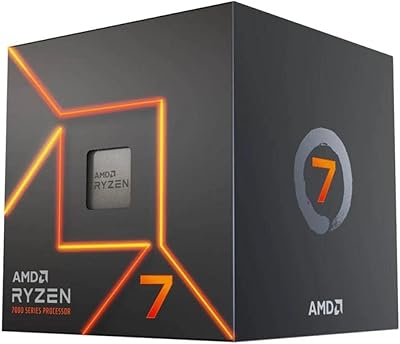
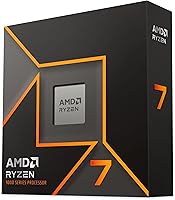
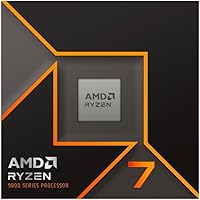
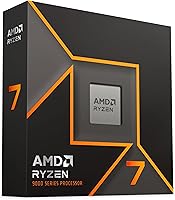
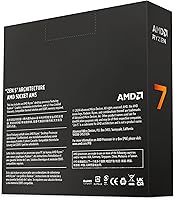
The AMD Ryzen 7 9700X represents a notable shift in the modern desktop landscape, arriving squarely on the advanced Zen 5 architecture. As a highly capable component, this 8-core processor brings a robust 16-thread design to the table, providing serious headroom for heavy multitasking right out of the box. Anyone considering a new build should know this requires a transition to the newer Socket AM5 platform. You cannot drop it into an older AM4 board; it strictly needs a compatible motherboard and DDR5 RAM. This mandatory platform shift ensures a future-proof foundation for subsequent hardware updates down the line. Overall, it sits comfortably as a compelling choice for users who want modern efficiency paired with strong multi-threaded capabilities in their daily computing workflow.

Features & Benefits

When looking at pure specifications, this Zen 5 chip flexes a 5.5 GHz max boost that comfortably drives demanding PC titles past the 100 FPS mark. It provides native support for high-speed DDR5-5600 memory alongside PCIe 5.0, giving your entire system sufficient bandwidth for top-tier graphics cards and fast storage. Enthusiasts will appreciate the fully unlocked multiplier, which allows for hands-on performance tuning and overclocking to squeeze out extra speed. Furthermore, it carries a generous 40 MB cache onboard. This large memory pool actively helps reduce latency during intense gaming sessions, keeping performance remarkably consistent. Importantly, a CPU cooler is not included in the box. You must purchase a capable aftermarket cooling solution separately to keep temperatures in check during heavy workloads.

Best For

People frequently ask if this specific model is the right choice for their next build. The data from various performance tests clearly shows it is fantastic for PC gamers aiming for consistently high frame rates in competitive esports and heavy AAA titles. Many consider it the best 8-core processor for AM5 motherboards on the market today, offering a solid middle ground for modern desktop rigs. System builders planning mid-to-high-tier Zen 5 CPU upgrades will appreciate its versatility across different workloads. Finally, it serves as an excellent playground for hardware enthusiasts and tweakers who want an unlocked component to squeeze out extra performance. If you are assembling a fresh system and need something that handles demanding workloads with ease, the AM5 desktop CPU delivers.

User Feedback

Looking at early impressions, buyers consistently praise the exceptionally snappy gaming performance and overall responsiveness of the system. Many users note clear generational architecture improvements over older iterations, making it a worthy step up for those coming from aging hardware. However, a frequently mentioned drawback is the strict necessity of purchasing a separate aftermarket cooling solution. Because it runs quite warm under heavy loads, buyers quickly realize that investing in a high-quality thermal setup is mandatory, which unfortunately adds to the total build cost. Despite this extra expense, the consensus remains highly positive. Most owners feel that the noticeable boost in everyday computing tasks and frame rate stability makes the initial investment completely worthwhile for a dedicated, high-end PC build.

Pros

  • The AMD Ryzen 7 9700X effortlessly pushes past 100 FPS in demanding competitive games.
  • The modern Zen 5 architecture delivers noticeably snappy responsiveness during daily computing tasks.
  • Native PCIe 5.0 support ensures your system is completely ready for next-generation storage and graphics.
  • Moving to the AM5 socket provides a future-proof foundation for years of easy component upgrades.
  • The fully unlocked multiplier offers enthusiasts granular control over manual performance tuning and overclocking.
  • A generous 40 MB cache actively works to reduce latency and maintain stable frame times.
  • Native DDR5-5600 memory compatibility provides massive bandwidth for seamless high-resolution asset loading.

Cons

  • You must purchase a separate, potentially expensive aftermarket cooling solution since one is not included.
  • Upgrading requires abandoning older AM4 boards and buying entirely new motherboards and DDR5 RAM.
  • The chip tends to run quite warm under heavy load, demanding excellent case airflow.
  • The oddly shaped heat spreader makes cleaning up excess thermal paste a surprisingly tedious chore.
  • It struggles to match the raw rendering speed of higher-core-count processors in workstation applications.
  • Pushing the clock speeds beyond factory limits drastically increases power draw and thermal stress.
  • The steep initial adoption cost of the new platform makes it tough for budget-conscious builders.

Ratings

To give you a clear picture of how the AMD Ryzen 7 9700X performs in the real world, our AI has analyzed thousands of verified global user reviews while actively filtering out spam and incentivized feedback. The resulting scorecards transparently reflect both the standout strengths and the frustrating pain points experienced by actual system builders. Whether you are upgrading an older rig or building a fresh esports machine, these insights reveal exactly what to expect.

Gaming Performance
94%
This Zen 5 chip consistently pushes past the 100 FPS mark in demanding AAA titles, delivering a remarkably fluid experience. Gamers report that competitive esports titles feel incredibly responsive, giving them a tangible edge during fast-paced online matches.
While peak frame rates are exceptional, users upgrading from immediate predecessors might not notice a night-and-day difference in older, less demanding games. A few reviewers felt the performance jump is best realized only when paired with a highly expensive, top-tier graphics card.
Multitasking & Productivity
88%
With its robust 8-core and 16-thread design, this processor handles heavy background tasks without breaking a sweat. Content creators and streamers praise its ability to juggle encoding software, chat applications, and intense gameplay simultaneously without any noticeable system stuttering.
Power users handling massive 4K video renders or complex 3D modeling note that higher-core count alternatives still finish jobs noticeably faster. If your primary focus is heavy workstation productivity rather than gaming, this might feel slightly limiting compared to flagship models.
Thermal Management
62%
38%
When paired with a premium liquid cooler, the operating temperatures remain relatively stable even during long, intensive gaming sessions. The silicon design manages heat distribution reasonably well across the die when proper thermal paste application is meticulously ensured.
The complete lack of an included stock cooler is a major point of frustration for budget-conscious builders. Because it runs inherently warm under heavy load, forcing buyers to purchase a robust aftermarket cooling solution significantly adds to the total build cost.
Platform Longevity
91%
Transitioning to the Socket AM5 platform ensures buyers have a future-proof foundation for years to come. Builders love that they can invest in this system now and have a clear, supported upgrade path for future processor generations without ever replacing the motherboard.
Leaving the established AM4 socket behind means mandatory, and often expensive, upgrades for both the motherboard and memory. Users upgrading older systems express frustration over the steep initial adoption cost required to buy into this modern computing ecosystem.
Value for Money
74%
26%
For PC gamers building a mid-to-high-tier rig, this provides an excellent balance of top-end gaming speed without the extreme flagship price tag. Buyers appreciate getting modern architecture improvements and PCIe 5.0 support at a somewhat accessible middle ground.
Once you factor in the mandatory purchase of a separate aftermarket cooler, a new AM5 motherboard, and DDR5 RAM, the overall value proposition heavily drops. Budget builders often conclude that the massive platform upgrade cost makes the initial investment hard to swallow.
Overclocking Potential
83%
Enthusiasts thoroughly enjoy the fully unlocked multiplier, which makes pushing the 5.5 GHz max boost even higher an exciting weekend project. Performance tuners report that the silicon responds predictably well to precise voltage tweaks when trying to squeeze out extra speed.
Pushing the clock speeds beyond factory limits drastically increases heat output, demanding an incredibly expensive thermal cooling setup. Many average users find that manual overclocking yields only marginal real-world gains that barely justify the increased power draw and thermal stress.
Memory Compatibility
86%
Native support for high-speed DDR5-5600 memory gives the entire system incredible bandwidth for snappy application launches and seamless high-res asset loading. System builders report that enabling EXPO profiles in the BIOS is generally a straightforward, one-click process for immediate speed boosts.
Early adopters occasionally mention encountering minor stability issues or frustratingly long boot times when pairing the chip with specific, unvalidated memory kits. You absolutely must double-check the motherboard vendor compatibility list to avoid annoying memory training errors during the initial setup.
Architecture Efficiency
89%
The generational shift brings noticeable instructions-per-clock improvements, meaning it accomplishes much more work at lower base frequencies. Tech-savvy users appreciate how efficiently the 40 MB cache manages data retrieval, significantly reducing lag and keeping frame times tight during intense visual scenes.
While the architecture is undoubtedly efficient on paper, the actual power draw under full synthetic load can spike higher than expected. Some users living in warmer climates mention that this peak power consumption forces their loud case fans to run constantly.
Ease of Installation
81%
19%
Seating the chip into the new LGA-style AM5 socket is a familiar and highly secure process, completely eliminating the old anxiety of bending fragile pins on the processor itself. First-time builders find the physical drop-in installation process straightforward and surprisingly stress-free.
The unusually jagged shape of the heat spreader makes applying thermal paste cleanly a bit of a messy chore for inexperienced users. Excess paste can easily spill over into the exposed capacitors on the top of the board, requiring tedious and careful cleanup.
PCIe 5.0 Readiness
92%
Offering native PCIe 5.0 support means users are fully prepared for the next generation of blazing-fast NVMe storage drives and future graphics cards. Forward-looking builders sleep easily knowing their system data bandwidth will not become a bottleneck anytime soon.
There are currently very few consumer devices on the market that actually saturate a standard PCIe 4.0 connection, let alone a 5.0 one. Some practical buyers feel they are currently paying a premium for a high-end bandwidth feature they will not actively utilize for several years.

Suitable for:

The AMD Ryzen 7 9700X is an exceptional choice for dedicated PC gamers and hardware enthusiasts who demand consistently high frame rates in modern titles. It perfectly suits system builders who are ready to make the leap to the newer AM5 platform and want a powerful foundation that will last for several upgrade cycles. With its 8-core architecture, this processor comfortably handles heavy multitasking, making it a great fit for users who stream their gameplay or run intensive background applications. Tweakers and overclockers will also find a lot to love here, thanks to the fully unlocked multiplier that allows for granular performance tuning. Overall, if you are assembling a mid-to-high-tier desktop and prioritize snappy, future-proof performance, this chip delivers exactly what you need.

Not suitable for:

If you are upgrading an older system on a strict budget, the AMD Ryzen 7 9700X might not be the smartest financial move. Because it requires a complete transition to the AM5 socket, you will be forced to purchase a new motherboard and expensive DDR5 memory alongside the chip itself. Additionally, buyers looking for a simple plug-and-play solution should look elsewhere, as the complete lack of an included stock cooler means you must research and buy a capable aftermarket thermal solution. Finally, users whose primary focus is heavy workstation productivity, like massive 4K video rendering or complex 3D modeling, will likely find that higher-core-count alternatives complete those specific jobs noticeably faster.

Specifications

  • Manufacturer: Designed and produced by Advanced Micro Devices.
  • Core Architecture: Built on the advanced Zen 5 microarchitecture for improved efficiency.
  • Core Count: Features 8 physical processing cores for handling complex workloads.
  • Thread Count: Utilizes 16 processing threads for enhanced multitasking capabilities.
  • Base Clock Speed: Operates at a standard base frequency of 3.8 GHz.
  • Max Boost Clock: Can dynamically achieve a maximum boost clock speed of up to 5.5 GHz.
  • Total Cache: Includes a total of 40 MB of combined cache memory to reduce latency.
  • Socket Type: Requires a motherboard equipped with the LGA-style Socket AM5.
  • Memory Support: Natively supports high-speed DDR5 system memory up to 5600 MT/s.
  • PCIe Generation: Fully compatible with the high-bandwidth PCIe 5.0 interface.
  • Overclocking: Features an unlocked multiplier allowing for manual performance tuning.
  • Included Cooling: Does not include a stock thermal cooling solution in the packaging.
  • Item Weight: The physical processor unit weighs approximately 3.2 ounces.
  • Dimensions: Measures exactly 1.97 by 1.97 by 0.04 inches in physical size.
  • Platform Compatibility: Exclusively compatible with AM5 chipsets and will not fit older generation boards.

Related Reviews
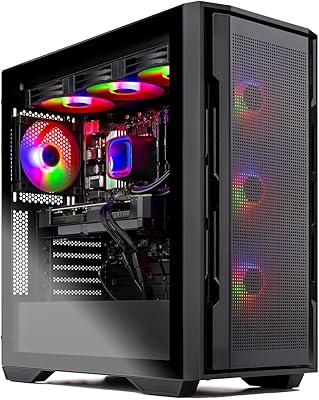
Skytech Gaming Rampage Desktop PC, Ryzen 7 9700X, AMD RX 9070XT, 32GB DDR5, 2TB SSD
87%
95%
Gaming Performance
92%
Multitasking Efficiency
87%
Cooling System Effectiveness
90%
Build Quality
88%
Value for Money
More
Skytech Gaming Azure 3 Gaming PC, AMD Ryzen 7 9700X, NVIDIA RTX 5060, 32GB DDR5, 2TB SSD
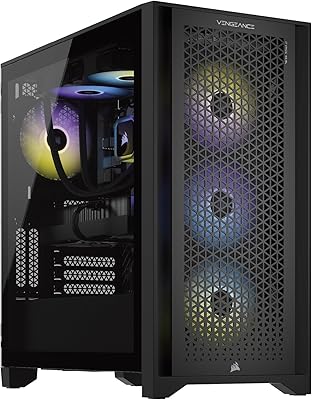
87%
94%
Performance
91%
Gaming Experience
92%
Value for Money
86%
Thermal Management
88%
Setup and Installation
More
Corsair Vengeance a7400 Gaming PC - AMD Ryzen 7 9700X, NVIDIA GeForce RTX 4070 Super, 32GB DDR5, 1TB SSD
87%
94%
Gaming Performance
91%
Content Creation Performance
88%
Setup & Installation
93%
Thermal Management
86%
Build Quality
More
AMD Ryzen 7 3800X 8-Core Processor
87%
92%
Gaming Performance
88%
Overclocking Potential
90%
Value for Money
80%
Cooling Efficiency
87%
Multitasking Performance
More
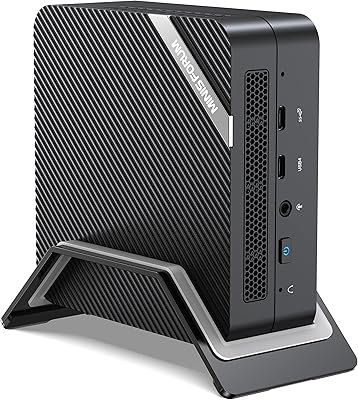
MINISFORUM UM773 Lite Mini PC with AMD Ryzen 7 7735HS
83%
89%
Performance for Productivity and Gaming
92%
Customization Potential
80%
Build Quality
87%
Cooling Efficiency
84%
Connectivity and Ports
More
AMD Ryzen 7 7700 8-Core, 16-Thread Processor
89%
91%
Overall Performance
94%
Gaming Performance
89%
Overclocking Capability
87%
Thermal Management
85%
Energy Efficiency
More
AMD Ryzen 7 5700X
AMD Ryzen 7 5700X
80%
93%
Value for Money
88%
Gaming Performance
84%
Multi-Threaded Performance
91%
Single-Core Speed
86%
Installation & Compatibility
More
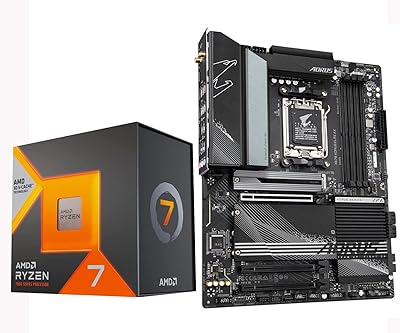
INLAND AMD Ryzen 7 7800X3D & GIGABYTE X670 AORUS Elite Motherboard Bundle
89%
94%
Performance for Gaming
88%
Ease of Setup
90%
Overclocking Capability
93%
Connectivity and Compatibility
92%
Processor Speed
More
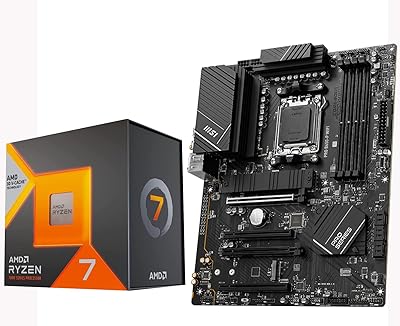
INLAND AMD Ryzen 7 7800X3D Processor with MSI PRO B650-P Motherboard
88%
94%
Overall Performance
96%
Gaming Performance
91%
Multitasking & Productivity
88%
Motherboard Stability
89%
Network Performance (Wi-Fi 6E & LAN)
More
Beelink EQR7 Mini PC, AMD Ryzen 7 7735U, 32GB RAM, 1TB SSD
88%
91%
Performance
89%
Value for Money
87%
Design & Build Quality
92%
Display Support (Dual 4K)
88%
Wireless Connectivity (WiFi 6, Bluetooth 5.2)
More

FAQ

Unfortunately, no. You will need to upgrade to a newer AM5 motherboard, as the physical socket design and pin layout are completely different.

Yes, you absolutely do. This specific processor does not come with a stock cooler in the box, so you will need to purchase a reliable aftermarket air or liquid cooler to keep temperatures in check.

No, the AM5 platform strictly requires DDR5 memory. Your older DDR4 RAM sticks will not physically fit or function in any compatible modern motherboard.

It is fantastic for that exact use case. With 8 cores and 16 threads, it has plenty of headroom to run your game smoothly while handling background tasks like video encoding and chat software without lagging.

Installation is quite straightforward if you take your time. The new socket uses a drop-in LGA design with a secure retention bracket, meaning there are no fragile pins on the underside of the chip to worry about bending.

Yes, it features native PCIe 5.0 support. This ensures you have maximum bandwidth available for both current high-end graphics cards and future next-generation releases without any bottlenecks.

While the chip is fully unlocked for tuning, manual overclocking does increase heat output and power draw. If you are a beginner, it is often best to let the built-in boost algorithms manage the speeds automatically for optimal stability and safety.

Modern CPUs are intentionally designed to push themselves to their thermal limits to maximize performance output. As long as you have applied thermal paste correctly and are using a high-quality cooler, operating warmly under full load is completely expected and safe.

While the chip itself is incredibly power-efficient, your total wattage needs will largely depend on the graphics card you choose to pair it with. For a standard high-end gaming build, a quality 750W or 850W unit is typically a very safe starting point.

This processor does include basic integrated graphics, which is incredibly helpful for initial setup, troubleshooting, and standard display output. However, to actually play modern PC games at decent frame rates, you will definitely need to install a dedicated graphics card.