Overview
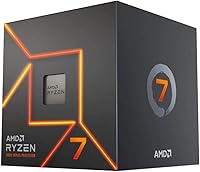
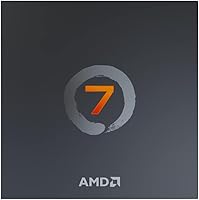
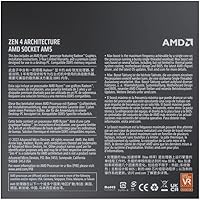
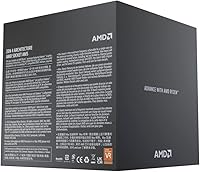
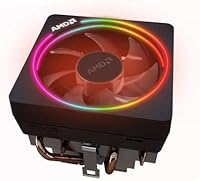
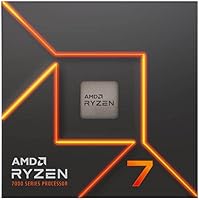
The AMD Ryzen 7 7700 Desktop Processor sits in a practical middle ground within AMD's Zen 4 lineup — more affordable than the 7700X and well below the cache-heavy 7800X3D, yet close enough in everyday performance to make the price gap hard to justify for most buyers. The shift to the AM5 platform is the bigger story: it's AMD's long-term socket, meaning you're buying into an upgrade path that should stay relevant for years to come. The included Wraith Prism RGB cooler is a genuine bonus rather than an afterthought, capable of handling the chip's modest power draw without complaint. For mid-range gaming and everyday productivity, this Ryzen chip hits a sweet spot that's hard to argue with.
Features & Benefits
Eight cores and sixteen threads on the Zen 4 architecture deliver a meaningful step up over Ryzen 5000-series chips in multi-threaded workloads — think faster compile times, smoother multitasking, and less dropped-frame stress during game streaming. The 3.8 GHz base clock sounds modest, but the 7700 boosts aggressively in practice, which is what actually drives gaming responsiveness. DDR5 and PCIe 5.0 support come standard through the AM5 platform, giving this AM5 processor access to faster memory bandwidth and next-gen storage speeds. The integrated Radeon graphics are a useful fallback if your GPU is delayed or in the shop, though they are nowhere near a substitute for a dedicated card. The unlocked multiplier adds overclocking headroom for builders who want to push further.
Best For
This Ryzen chip appeals most to builders putting together a fresh mid-range gaming rig on the AM5 platform who want strong single-core performance without stretching their budget toward flagship territory. It is also a solid pick for content creators handling light video editing, live streaming, or running several applications simultaneously — situations where 16 threads make a noticeable difference. PC builders coming off older AM4 systems who want a clean platform break with real longevity will find the AM5 investment worthwhile here. The bundled cooler makes it particularly appealing to those who do not want to add a separate cooler to their parts list. Buyers who value power efficiency over raw peak output will find this 65W chip more practical than its X-series siblings.
User Feedback
Buyers consistently highlight strong gaming performance right out of the box and how straightforward the installation is, especially for those transitioning from AM4. The Wraith Prism cooler earns particular mention for being genuinely useful rather than a throwaway inclusion. That said, a recurring concern is the AM5 motherboard cost, which can push total build prices higher than expected and tightens the value equation for budget-focused builders. Under sustained workloads, some users note the stock cooler runs warm, suggesting a third-party upgrade for heavy rendering or prolonged streaming sessions. The comparison to the 7700X when it goes on sale is a common debate among buyers. Long-term owners generally report solid compatibility across a wide range of AM5 boards with no notable stability issues.
Pros
- Strong single-core gaming performance that holds up well in the majority of modern titles.
- The included Wraith Prism RGB cooler is genuinely capable for normal gaming and productivity use — not just a box-checker.
- AM5 socket provides a realistic multi-year upgrade path as AMD expands the platform.
- DDR5 and PCIe 5.0 support future-proofs the build for faster storage and memory as prices normalize.
- 65W TDP keeps power draw and heat output manageable in small-to-mid tower cases.
- 16 threads handle streaming, multitasking, and light creative workloads without breaking a sweat.
- The unlocked multiplier gives enthusiasts room to squeeze out extra performance through overclocking.
- Integrated Radeon graphics provide a convenient fallback if a discrete GPU is unavailable or being replaced.
- Broad AM5 motherboard compatibility reported by verified buyers with no notable stability complaints.
- Delivers a tangible generational performance leap for anyone upgrading from Ryzen 3000 or older platforms.
Cons
- AM5 motherboard prices and required DDR5 memory add meaningful cost to the overall build budget.
- Falls behind the Ryzen 7 7800X3D noticeably in CPU-bound gaming scenarios where cache size matters.
- The 7700X occasionally sells close enough in price to make the non-X variant a harder recommendation.
- Stock cooler thermals can get uncomfortable under sustained heavy workloads like long rendering sessions.
- No PCIe 4.0 backward-compatibility cost savings — AM5 entry cost is non-negotiable for new builders.
- Eight cores may feel limiting for users whose workloads scale well beyond that count, such as simulation or heavy 3D rendering.
- Integrated graphics are too limited for any real gaming use and should not factor into the purchase decision as a feature.
- DDR5 kit prices, while improving, still add to upfront costs compared to mature DDR4 AM4 builds.
- Buyers on tight budgets may find the total platform investment harder to justify versus a competing mid-range Intel build.
- Limited appeal as an upgrade for Ryzen 5000-series owners who would see only modest gains in typical daily tasks.
Ratings
The AMD Ryzen 7 7700 Desktop Processor scores presented here were generated by AI after analyzing thousands of verified global buyer reviews, with spam, bot submissions, and incentivized feedback actively filtered out. This analysis reflects the honest picture — where this Ryzen chip genuinely impresses and where real buyers have run into friction. Both the strengths and the trade-offs are represented transparently so you can make a well-informed decision.
Gaming Performance
Multi-Threaded Performance
Single-Core Speed
Value for Money
Platform Longevity
Power Efficiency
Included Cooler Quality
Ease of Installation
Overclocking Headroom
Compatibility
Thermal Management
Integrated Graphics
Productivity Workloads
Suitable for:
The AMD Ryzen 7 7700 Desktop Processor is a strong match for builders who want a capable, efficient CPU without climbing into premium pricing territory. Gamers putting together a new mid-range rig on the AM5 platform will find it punches well in titles that lean on single-core speed, which covers the vast majority of popular games today. It is equally well-suited to content creators who stream, edit video casually, or run several demanding applications at once — the 16-thread count keeps multitasking smooth without the thermal or power overhead of higher-wattage chips. Builders coming off older AM4 platforms who want a meaningful architectural upgrade with a realistic future upgrade path will appreciate the AM5 socket investment, since AMD has committed to the platform long-term. The included Wraith Prism cooler also makes this an appealing choice for anyone who wants to skip the extra research and expense of a third-party cooler for a standard build.
Not suitable for:
The AMD Ryzen 7 7700 Desktop Processor is not the right call for buyers who need absolute top-tier gaming performance, particularly in CPU-bound scenarios where the 7800X3D and its large 3D V-Cache offer a measurable lead in frame rates. Professional users running heavy rendering, 3D simulation, or large-scale video production will likely find the 8-core ceiling limiting and should look toward higher core-count options in the Ryzen 9 range. The AM5 platform entry cost is a real barrier — if you are budget-constrained overall, the mandatory DDR5 memory and newer motherboard can push your total spend higher than expected, making older AM4 platform builds or Intel alternatives worth comparing carefully. Anyone already on a well-configured Ryzen 5000-series system may not see enough real-world day-to-day improvement to justify the full platform switch. Buyers who run extended sustained workloads and expect the stock cooler to keep up without thermal throttling will likely want to budget for an aftermarket cooler from the start.
Specifications
- Architecture: Built on AMD's Zen 4 microarchitecture, manufactured on TSMC's 5nm process node for improved efficiency and performance per watt over Zen 3.
- Core Count: Features 8 physical cores capable of handling demanding multitasking and modern gaming workloads without bottlenecking mid-range GPUs.
- Thread Count: Supports 16 simultaneous threads via AMD's SMT technology, improving throughput in streaming, editing, and multi-application scenarios.
- Base Clock: Operates at a 3.8 GHz base clock speed, with boost frequencies reaching up to 5.3 GHz under single-core load conditions.
- Socket: Uses the AM5 (LGA1718) socket, AMD's current long-term platform that supports DDR5 memory and PCIe 5.0 connectivity.
- TDP: Rated at 65W TDP, making it one of the more power-efficient options in the Ryzen 7000 series without requiring high-end cooling solutions.
- Memory Support: Supports DDR5 memory (DDR4 is not compatible with AM5), with official support for speeds up to DDR5-5200 in dual-channel configuration.
- PCIe Version: Provides PCIe 5.0 lanes for the primary GPU slot and M.2 storage, enabling compatibility with the fastest available SSDs and graphics cards.
- Integrated Graphics: Includes AMD Radeon integrated graphics based on the RDNA 2 architecture, sufficient for basic display output but not intended for gaming use.
- Cooler Included: Ships with the AMD Wraith Prism RGB cooler, a 95W-rated tower cooler with RGB lighting that is adequate for standard gaming and productivity workloads.
- Unlocked Multiplier: The unlocked CPU multiplier allows enthusiasts to manually increase clock speeds beyond stock settings when paired with a compatible X- or B-series motherboard.
- Cache: Equipped with 8MB of L2 cache and 32MB of L3 cache, providing fast data access for gaming and frequently used application processes.
- Model Number: Official AMD part number is 100-100000592BOX, indicating the boxed retail version that includes the Wraith Prism cooler.
- Release Date: Launched in January 2023 as part of AMD's initial Ryzen 7000 series rollout alongside the AM5 platform and 600-series chipset motherboards.
- Chipset Compatibility: Compatible with AMD 600-series chipsets including X670E, X670, B650E, and B650, with overclocking support available on X- and B-series boards.
- Product Dimensions: The processor die measures approximately 1.57 x 1.57 inches and weighs around 1.72 pounds when packaged with the included cooler.
- Series: Part of the AMD Ryzen 7 7000 series, positioned below the Ryzen 9 lineup and above the Ryzen 5 tier in AMD's consumer desktop hierarchy.
Related Reviews
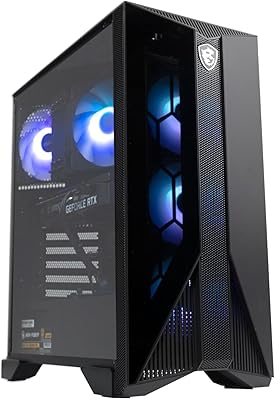
MSI Aegis ZS Gaming Desktop
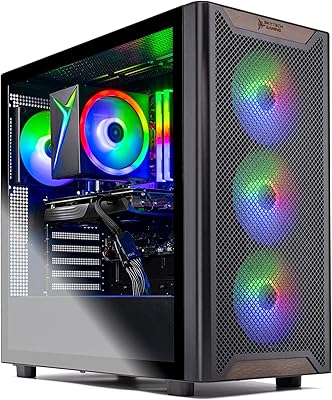
Skytech Gaming Chronos 3 Gaming Desktop PC
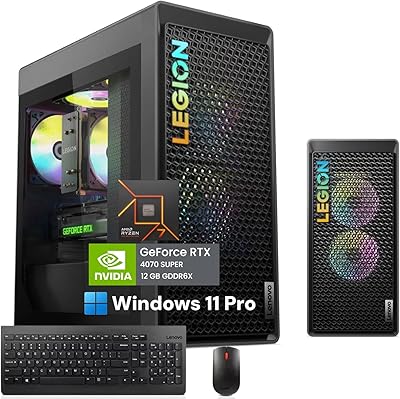
Lenovo Legion Tower 5 Gen 8 Desktop
AMD Ryzen 7 9700X
AMD Ryzen 7 3800X Desktop Processor
AMD Ryzen 7 5700X
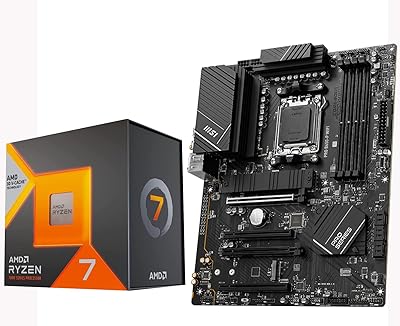
INLAND AMD Ryzen 7 7800X3D Processor with MSI PRO B650-P Motherboard
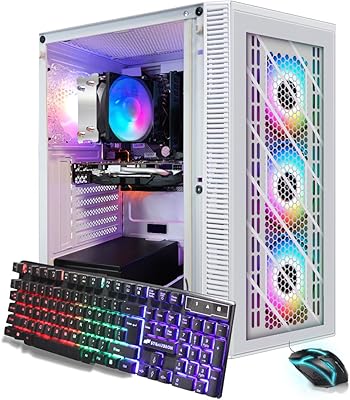
STGAubron Ryzen 7 5700G 1TB Desktop PC
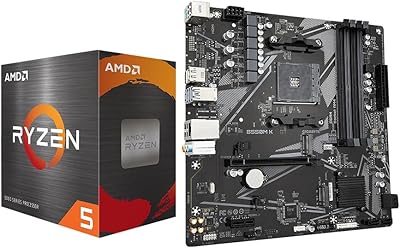
AMD Ryzen 5 5500 B550M K Bundle