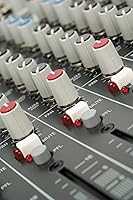
Overview
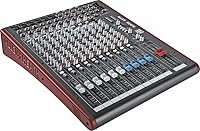
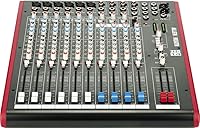
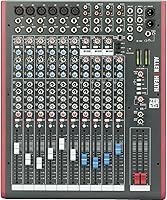
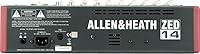
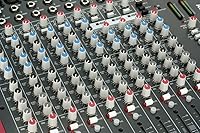
Finding a reliable board that handles both live sets and studio tracking is a tall order, but the Allen & Heath ZED-14 hits that sweet spot with ease. Built into a rugged metal chassis, this 14-channel console feels like it can survive years of being tossed into a van for weekend gigs. It stays true to the classic analog feel, offering a clean, intuitive layout that makes it simple to dial in a mix on the fly without digging through digital menus. The inclusion of professional-length 100mm faders is a nice touch, giving you much finer control over your levels than the short-throw sliders found on cheaper alternatives. By balancing high-headroom circuitry with a simple USB interface, this ZED series mixer provides a solid foundation for any audio setup.
Features & Benefits
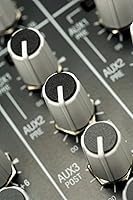
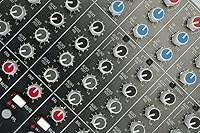
The real magic of the analog board lies in its DuoPre preamps, which use a clever two-stage design to deliver plenty of gain while keeping background hiss to a minimum. For those looking to shape their sound, the MusiQ 3-band EQ is remarkably responsive, especially with the swept mid frequency that allows for precise tonal adjustments on vocals or guitars. It also features a 100Hz high pass filter on every mono channel, which is incredibly useful for cleaning up low-end rumble during live performances. Routing is equally flexible thanks to four auxiliary sends, letting you manage monitor mixes and external hardware effects simultaneously. Since the USB port is class-compliant, you can plug it straight into a computer or tablet for instant recording without the headache of hunting down proprietary drivers.
Best For
This ZED series mixer is a top-tier choice for small bands that need a transparent live mix without the complexity of a digital console. Its straightforward nature makes it easy for a musician to run sound from the stage while still achieving professional results. In the studio, it serves as an excellent analog front-end for producers who want to track multiple instruments through high-quality preamps before hitting their digital workstation. Even serious podcasters will find a lot to like here, as it provides more than enough clean gain to drive power-hungry dynamic microphones without adding unwanted noise. It is also a smart fit for permanent installs in bars or small venues that require a durable, user-friendly interface for managing multiple audio sources and public address microphones throughout the night.
User Feedback
People who use this 14-channel console often point to its exceptional sonic transparency and robust construction as its standout traits. Unlike many entry-level boards that rely on plastic parts, this unit feels professional and substantial under the fingers. The tactile fader response is a frequent highlight, offering the kind of smooth physical feedback that digital screens just cannot replicate. On the downside, some users have noted the lack of built-in digital effects like reverb or delay, which means you will need to bring your own outboard gear or use software plugins for those finishing touches. Others find the USB 1.1 connection a bit dated, yet most agree that the overall audio quality and reliability more than justify the trade-off for a piece of gear that is truly built to last.
Pros
- The 100mm professional-length faders offer significantly better precision for smooth level adjustments compared to standard short-throw sliders.
- DuoPre preamps deliver exceptionally clean gain with virtually no background hiss, even for low-output dynamic microphones.
- The 3-band MusiQ EQ features a swept mid frequency that makes it incredibly easy to carve out space for vocals.
- A heavy-duty metal chassis ensures the analog board can withstand the bumps and drops of a frequent touring schedule.
- The class-compliant USB interface allows for immediate driver-free recording on Windows, Mac, and even mobile tablets.
- Neutrik-branded XLR and 1/4-inch jacks provide a secure and long-lasting physical connection for all your audio cables.
- Four auxiliary sends provide enough routing flexibility to manage two monitor mixes and two external effects processors simultaneously.
- Individual 100Hz high pass filters on every mono channel effectively eliminate low-end stage rumble and mic handling noise.
Cons
- The lack of built-in digital effects like reverb or delay forces users to carry extra outboard gear for live performances.
- A stereo-only USB 1.1 output means you cannot record individual tracks separately into your digital audio workstation.
- There are no dedicated sub-groups, which makes it harder to manage and mix large drum kits or backing vocal sections.
- The 14-pound weight and larger footprint might be a drawback for those seeking a highly portable, ultra-compact mixing solution.
- Plastic side cheeks feel somewhat less premium and durable compared to the rugged metal construction of the main chassis.
- The gain and EQ knobs are spaced quite tightly together, which can make fine-tuning a bit difficult for users with larger hands.
- The absence of a dedicated power switch on the front panel can be inconvenient when the mixer is mounted in a rack.
- Global phantom power means you cannot toggle 48V for individual channels, which might be an issue for certain vintage equipment.
Ratings
To provide an honest look at the Allen & Heath ZED-14, our AI analyzed thousands of verified owner experiences, filtering out incentivized or low-quality feedback to ensure total transparency. This scoring system reflects both the high-performance strengths and the specific functional trade-offs reported by real-world audio engineers and musicians who use this gear daily. You will find a balanced breakdown of how this 14-channel console performs in demanding live and studio environments.
Chassis Durability
Preamplifier Clarity
EQ Musicality
Fader Precision
USB Connectivity
Routing Flexibility
Onboard Effects
Low-End Management
Layout & Ergonomics
Input Versatility
Value for Money
Suitable for:
The Allen & Heath ZED-14 is a fantastic choice for small bands and performers who prioritize high-fidelity analog sound over digital bells and whistles. Its DuoPre preamps provide the clean, massive gain needed for professional-grade live vocals and acoustic instruments without the noise floor common in cheaper boards. Small venues and houses of worship will find this 14-channel console incredibly reliable for permanent installations where a straightforward, tactile interface is necessary for volunteer operators. Additionally, home studio producers who want to add an analog front-end to their digital workflow will appreciate the musicality of the swept-mid EQ. It also fits perfectly in a podcasting setup that requires multiple high-quality microphone inputs and reliable USB connectivity.
Not suitable for:
Solo performers or small acoustic acts looking for an all-in-one portable solution should be aware that the Allen & Heath ZED-14 lacks any internal digital effects like reverb or delay. If you need a board that fits in a backpack or requires a featherweight design for quick subway commutes, the 14-pound metal chassis might feel too cumbersome. High-end studio engineers looking for multi-track recording capabilities over USB will find the stereo-only output limiting for complex modern mixing workflows. Larger ensembles with more than six members will likely outgrow the available XLR inputs very quickly. Finally, those who prefer the automation and recall capabilities of a digital mixer will find the purely manual nature of this ZED series mixer frustrating.
Specifications
- Total Channels: This console features 14 total input channels, including 6 mono and 4 stereo inputs.
- Microphone Inputs: There are 6 high-quality XLR inputs equipped with professional DuoPre preamplifiers.
- Stereo Inputs: The unit includes 4 dedicated stereo line-level channels for keyboards or playback devices.
- Channel EQ: Each mono channel is fitted with a 3-band EQ featuring a sweepable mid frequency from 120Hz to 4kHz.
- Auxiliary Sends: The board provides 4 aux sends, configured as 2 pre-fade and 2 post-fade for monitors and effects.
- USB Connectivity: A class-compliant USB 1.1 interface supports 2-channel stereo input and output for recording.
- Low Cut Filter: Every mono channel includes a 100Hz high-pass filter to eliminate low-end rumble.
- Fader Length: Professional-grade 100mm long-throw faders are used for precise level control across all channels.
- Phantom Power: Global 48V phantom power is available to support condenser microphones across all XLR inputs.
- Chassis Material: The main body is constructed from a heavy-duty metal chassis for enhanced durability.
- Product Weight: The mixer weighs approximately 14.3 pounds, making it a substantial yet portable desktop unit.
- Dimensions: The physical footprint measures 18.3″ in width, 15.2″ in depth, and 3.9″ in height.
- Connector Types: Input and output stages utilize high-quality Neutrik XLR and 1/4-inch jack connectors.
- Rack Mounting: The mixer is compatible with optional 19-inch rack ears for standard flight case installation.
- Power Source: This device uses a standard corded electric connection with an internal power supply.
Related Reviews
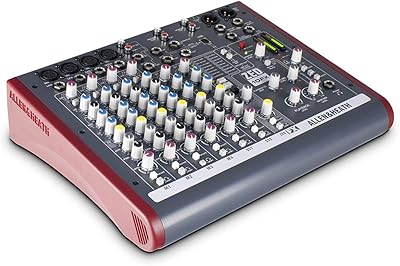
Allen & Heath ZED-10FX
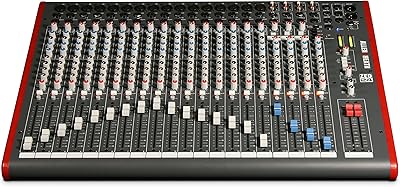
Allen & Heath ZED-24 Analog Mixer
HP 14-dq0020nr 14-Inch Laptop
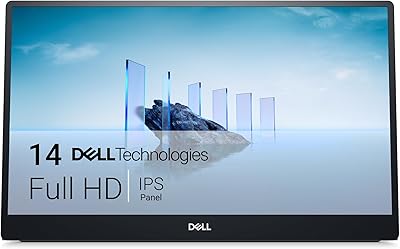
Dell P1424H 14-inch Portable Monitor
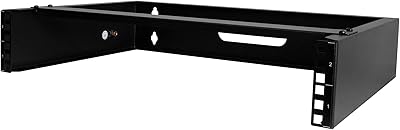
StarTech 2U Wall Mount Network Rack - 14 in Deep (RACK-2U-14-BRACKET)

HP 14 Celeron 14-inch Touchscreen Laptop
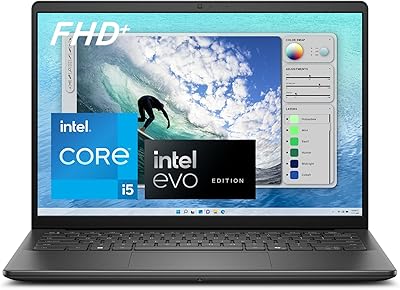
Dell Inspiron 14 5440 Laptop
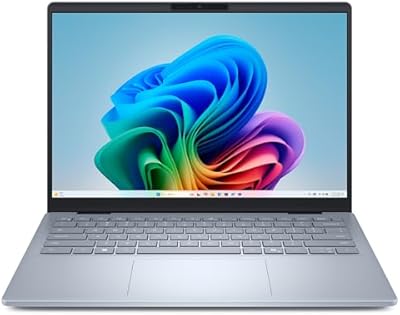
Dell 14 Plus Laptop DB14250-14-inch 2.5K, Intel Core Ultra 7, 16GB RAM, 1TB SSD
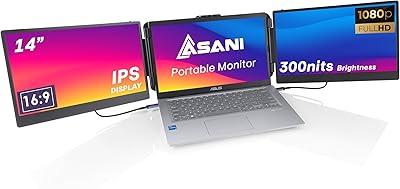
Asani 14″ Portable Monitor