Overview

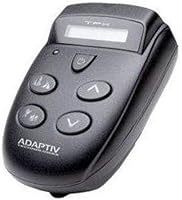
The Adaptiv TPX 2.0 Motorcycle Radar/Laser Detector was built specifically for riders — not ported over from a car product as an afterthought. Version 2.0 brought a complete electronics overhaul that pushed its performance into the upper tier of the detector market, backed by independent testing rather than brand claims alone. The weatherproof construction means you are not babying it every time clouds roll in, which matters when your gear needs to work as hard as you do. Installation is refreshingly straightforward — plug-and-play compared to the hours of routing and zip-tying that car-based units demand on a bike.
Features & Benefits

Coverage across X, K, and Ka bands handles the radar guns most commonly used on North American roads, and the laser detection adds a real safety net against instant-on enforcement. The false-alert-reduction logic in this bike-specific unit is a meaningful upgrade — city riding used to mean constant phantom alerts from automatic doors and adaptive cruise systems, and the band lockout modes let you dial that down on familiar stretches. The upgraded cable connection was a practical fix too; the original could work loose on rough pavement. The combined LCD and LED display gives clear, readable alerts without forcing you to look away from the road for more than a glance.

Best For

This motorcycle detector makes most sense for highway commuters and touring riders who spend real time on speed-enforced roads. If you have ever tried wiring a car detector to a bike — routing cables through fairings, finding power, dealing with a unit not built for vibration or weather — you already know why a purpose-built solution is worth considering. It is also a strong fit for riders who want to install it once and stop thinking about it. No babysitting, no worrying about light rain killing it. For city-only riders who rarely hit enforcement zones, the value shifts, but for anyone logging regular highway miles, this is a genuinely practical piece of kit.

User Feedback

Riders who have used the TPX 2.0 consistently point to detection range on open highways as a highlight, with many noting it performs credibly against units they previously used in cars. Installation gets positive marks too — most owners report a clean setup without the frustration that plagued older reviews of the original version. On the critical side, a portion of urban riders flag occasional false alerts around shopping centers and heavy traffic corridors, which is a known challenge for any detector in dense environments. Long-term durability in wet conditions draws mostly favorable comments, though a few owners have noted mount wear over extended use. Overall, feedback leans positive for riders who actually put consistent miles on their bikes.

Pros

  • Purpose-built motorcycle design eliminates the wiring headaches and poor fit of adapted car detectors.
  • Weatherproof construction holds up through rain and humidity without babysitting or additional protection.
  • X, K, and Ka band coverage handles the most common radar enforcement tools across North American highways.
  • The electronics overhaul in version 2.0 pushed detection performance into independently verified top-tier territory.
  • Band lockout customization lets you quiet down familiar low-threat roads without disabling the unit entirely.
  • The plug-and-play cable connection is a genuine improvement over both the original model and DIY automotive alternatives.
  • LCD and LED display delivers glanceable alerts without forcing your eyes off the road for more than a moment.
  • Long-term owners consistently report solid durability well past the first season of regular riding.
  • Lower profile than a car detector means less visual temptation for opportunistic theft at parking stops.
  • The TPX 2.0 performs credibly against far more expensive automotive units that require significant modification to use on a bike.

Cons

  • Mount hardware shows wear after one to two seasons and tends to degrade before the unit itself does.
  • Urban riders in dense city corridors still encounter more false alerts than most would find acceptable.
  • Laser detection, while present, offers limited practical reaction time — a physics constraint this unit does not overcome.
  • The included documentation is thin, making initial band lockout configuration more trial-and-error than it needs to be.
  • Audio alert volume can be borderline at highway speeds for riders in full-face helmets without additional speaker routing.
  • Moisture ingress has been reported during prolonged heavy rain, beyond the typical light shower the weatherproofing handles well.
  • No integrated locking mechanism means overnight parking in unsecured areas still requires a separate cable lock.
  • Detection confidence dips in mountainous or heavily wooded terrain where line-of-sight to radar sources is inconsistent.
  • The mounting system occasionally requires improvisation on older or non-standard bike models to fit cleanly.
  • Buyers expecting top-tier laser sensitivity comparable to premium dedicated laser detectors will find this unit comes up short.

Ratings

The scores below reflect AI-driven analysis of verified global user reviews for the Adaptiv TPX 2.0 Motorcycle Radar/Laser Detector, with spam, incentivized, and bot-generated feedback actively filtered out before scoring. Every category was weighted against real-world rider experiences — highway commutes, touring runs, and daily urban use — to ensure the numbers reflect what owners genuinely encounter. Both the standout strengths and the recurring frustrations are represented honestly, so you can make a confident, eyes-open decision.

Detection Range
83%
Riders on open highways consistently report solid advance warning on Ka band signals, giving enough time to react before enforcement zones. Long-distance tourers in particular praise the alert timing as reliable and consistent across different U.S. regions and radar gun types.
A subset of users noted that laser detection range felt shorter than expected in real-world conditions, especially on straight stretches where instant-on guns are common. Detection performance in mountainous or heavily wooded terrain drew more mixed feedback than flat highway use.
Motorcycle-Native Design
91%
This is the single biggest reason riders choose this unit over adapting a car detector. The form factor, mounting system, and cable routing were all built with handlebars and fairings in mind, cutting installation time dramatically compared to automotive alternatives.
A few owners of older or unconventional bike models reported that the mounting hardware needed minor improvisation to fit cleanly. It is purpose-built, which is a strength, but that specificity occasionally creates fitment headaches on non-standard setups.
Weather Resistance
88%
Most long-term owners report riding through rain, humidity, and temperature swings without any degradation in performance or display readability. For touring riders who cannot always dodge bad weather, this weatherproofing is cited as a practical, trust-building feature.
A small number of reviewers mentioned moisture ingress after extended exposure to heavy, sustained rain rather than light showers. Condensation around the display was flagged by a handful of owners in consistently wet climates like the Pacific Northwest.
False Alert Management
76%
24%
On rural highways and suburban routes, the improved filtering logic in this bike-specific unit performs noticeably better than older radar detectors, reducing distracting false triggers from automatic doors and adaptive cruise control systems on surrounding vehicles.
Urban riders — especially those navigating dense city corridors with multiple shopping centers and traffic sensors — still encounter more false alerts than they would like. The band lockout modes help, but they require some initial patience to configure effectively.
Installation & Setup
89%
The plug-and-play cable connection is a genuine improvement over the first-generation unit and over the contorted wiring jobs that car detectors require on a motorcycle. Most owners report a clean, manageable installation in under an hour without professional help.
A minority of reviewers with limited mechanical experience found the initial cable routing mildly confusing, particularly on bikes with enclosed fairings. The instructions were described as functional but not especially detailed for first-time detector installers.
Display Clarity
82%
18%
The combined LCD and LED system gives riders a readable alert at a glance, which matters when your eyes need to stay on the road. Brightness in direct sunlight was rated positively by the majority of owners who ride primarily during daytime hours.
In very bright midday sunlight at certain angles, a portion of users found the LCD portion harder to read than the LED indicators. Night riders had few complaints, but glare management in harsh afternoon sun was a recurring minor criticism.
Band Coverage
86%
Coverage of X, K, and Ka bands handles the vast majority of radar enforcement tools deployed across North America, and owners report feeling well-covered on interstate and highway runs where Ka band guns are most prevalent.
Owners who travel internationally or in regions with less common radar frequencies noted that band coverage felt adequate but not comprehensive by global standards. This is a North America-optimized unit, and that geographic focus shows in edge cases.
Build Quality & Durability
79%
21%
The overall construction feels purpose-built and solid for a motorcycle environment — tolerating vibration, heat cycles, and road grime better than most automotive crossover products. Long-term owners generally report the unit holding up well past the one-year mark.
Mount wear over extended use was flagged by a meaningful minority of reviewers, with some reporting loosening or cracking at attachment points after one to two seasons of daily riding. The unit itself tends to outlast its mounting hardware.
Value for Money
74%
26%
For riders who have already wasted money on car detectors that never quite worked on their bike, the TPX 2.0 represents a logical consolidation of cost. The performance-to-price relationship holds up well when compared to premium automotive detectors in a similar bracket.
At its price point, some buyers expect detection performance that rivals the very top automotive detectors, and this unit does not always clear that bar on laser sensitivity. Budget-conscious riders may question the premium over mid-range car units they could mount with some effort.
Ease of Use
85%
Once set up, the day-to-day experience is genuinely low-friction. Band lockout customization is intuitive enough that most riders dial it in within a few rides, and the alert system does not demand active management while in motion.
The initial learning curve around customizing sensitivity modes and lockouts is steeper than some buyers anticipate. A few reviewers wished for a more detailed quick-start guide to reduce the trial-and-error period in the first week of ownership.
Alert Accuracy
78%
22%
On highways where enforcement is consistent and radar guns are stationary, alert accuracy is rated highly by the majority of owners — the unit rarely misses a legitimate signal in conditions it was designed for.
Accuracy ratings dip in mixed urban-suburban environments where signal sources are dense and varied. Some riders reported occasional missed alerts attributed to brief line-of-sight obstructions, which is a physics constraint rather than a unit flaw but still affects real-world confidence.
Laser Detection Performance
71%
29%
Having laser detection built into a motorcycle-native package is a practical advantage, and riders report it performing adequately on open road encounters where there is enough warning distance to react.
Laser detection on any product is inherently limited by physics — by the time a laser hit is registered, reaction time is extremely short. Several owners noted this limitation and felt the laser detection feature, while present, offered less practical protection than the radar coverage.
Noise & Alert Discretion
81%
19%
Audio alert levels are tuned appropriately for road noise, and the volume is generally adequate for helmet-less or open-face helmet riders without becoming jarring. Riders report it strikes a reasonable balance between audibility and intrusiveness.
Riders using full-face helmets with significant wind buffeting at highway speeds occasionally reported difficulty hearing alerts without additional speaker routing. The stock audio output was described as borderline at speeds above 70 mph with certain helmet configurations.
Theft Deterrence
68%
32%
The compact, low-profile design makes the unit less conspicuous than a large car detector mounted on a windshield, which reduces casual theft opportunism at parking stops. Quick-detach capability helps riders who park in public areas regularly.
There is no integrated locking mechanism, and determined theft is not meaningfully prevented by the mounting system alone. Riders parking overnight in unsecured areas reported relying on secondary cable locks rather than the unit's own hardware for real security.

Suitable for:

The Adaptiv TPX 2.0 Motorcycle Radar/Laser Detector was built for riders who spend serious time on speed-enforced highways and are done compromising with gear that was never meant for a bike. If you commute daily on interstates or take extended touring runs across multiple states, this bike-specific unit addresses almost every practical frustration that comes with the territory — weather exposure, vibration-induced failures, and the wiring nightmares of adapting car hardware to a two-wheel platform. Riders who have already burned time and money trying to make automotive detectors work on their bikes will find the purpose-built approach here immediately refreshing. It also suits the set-and-forget type of rider: someone who wants to install it properly once, trust it to survive the elements, and focus on the road rather than babysitting their equipment. Touring enthusiasts crossing varied terrain and enforcement zones across North America will get the most out of the X, K, and Ka band coverage this unit provides.

Not suitable for:

The Adaptiv TPX 2.0 Motorcycle Radar/Laser Detector is a poor fit for riders whose routes are almost entirely urban, where dense signal environments mean false alerts remain a persistent nuisance regardless of how well the filtering logic is tuned. If your riding is limited to city streets and short suburban hops with little highway exposure, the practical detection benefits rarely materialize often enough to justify the investment. Riders who prioritize laser detection above all else should also temper their expectations — laser coverage on any detector is constrained by physics, and this unit is no exception. International riders or those operating in countries with radar frequency profiles that differ significantly from North America may find band coverage gaps. Finally, buyers who expect no learning curve should know that getting the band lockout modes dialed in for your specific routes takes a few rides of patience, and the included documentation does not always make that process as smooth as it could be.

Specifications

  • Manufacturer: Produced by Adaptiv Technologies, a brand focused exclusively on motorcycle-specific electronics and safety equipment.
  • Model Number: The official manufacturer part number for this unit is TPX2.0, also referenced in some listings as LEPAZA75071.
  • Version: This is the Version 2.0 release, which includes a full electronics overhaul over the original TPX generation.
  • Compatible Devices: Designed exclusively for motorcycle use and is not intended for installation in passenger cars or trucks.
  • Frequency Bands: Detects X, K, and Ka radar frequency bands, covering the most widely deployed police radar systems across North America.
  • Laser Detection: Includes laser (LIDAR) detection capability to alert riders to instant-on laser-based speed enforcement tools.
  • Display Type: Uses a combined LCD and LED display system to communicate radar and laser alerts clearly during riding conditions.
  • Power Source: Powered via a direct cable connection to the motorcycle's electrical system; no standalone internal rechargeable battery is used for primary operation.
  • Weather Resistance: Built to withstand rain, humidity, and outdoor exposure conditions typical of motorcycle riding environments.
  • Installation Type: Features a plug-and-play cable connection design that significantly simplifies installation compared to custom-wired automotive detector adaptations.
  • False Alert Filtering: Incorporates advanced false-alert-reduction logic to minimize spurious triggers from non-enforcement sources such as automatic doors and adaptive cruise systems.
  • Band Lockout Modes: Offers multiple band lockout mode options, allowing riders to suppress specific frequency bands on routes where false alerts are predictably high.
  • Item Weight: The unit weighs 2 pounds, keeping the handlebar or fairing mounting load minimal relative to typical motorcycle accessories.
  • Product Dimensions: Listed product dimensions are 1″ x 1″ x 1″, though real-world installed dimensions may vary based on mounting configuration.
  • Availability Date: The TPX line was first made available in December 2009, with the Version 2.0 electronics overhaul released as a subsequent update.
  • Market Rank: Holds a Best Sellers Rank of #534 in the Radar Detectors category on Amazon at the time of this listing review.
  • Discontinued Status: As of the most recent listing data, this unit has not been discontinued by the manufacturer.
  • Theft Profile: The compact, low-profile form factor reduces visual conspicuousness compared to windshield-mounted car detectors, providing modest passive theft deterrence.

Related Reviews
Uniden R8W Radar Detector
83%
93%
Detection Range
88%
False Alert Filtering
91%
Directional Awareness
74%
App Integration & Connectivity
86%
GPS & Camera Alert Accuracy
More
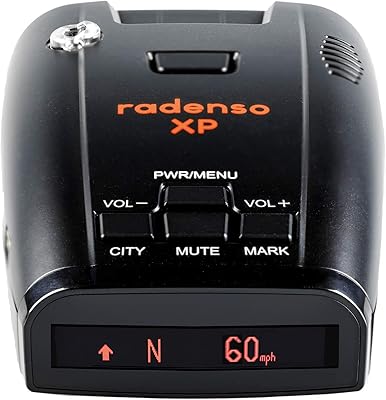
Radenso XP Radar & Laser Detector
88%
94%
Detection Range
89%
GPS Lockout Functionality
91%
Ease of Use
85%
False Alert Filtering
88%
Voice Alerts & Display Visibility
More
Cobra ESD7400 Radar/Laser Detector
87%
90%
Performance
93%
Ease of Installation
88%
Detection Range
70%
False Alerts
92%
Display Visibility
More
Escort MAX 3 Radar Detector
81%
91%
Radar Detection Range
88%
False Alert Filtering
61%
Laser Detection
74%
App Connectivity
72%
Value for Money
More
Cobra RAD 350
Cobra RAD 350
75%
83%
False Alert Filtering
67%
Detection Range
88%
Display Quality
91%
Ease of Use
82%
Audio Alerts
More
Uniden DFR5 Long Range Radar Detector
76%
88%
Detection Range
71%
False Alert Filtering
93%
Ease of Setup
86%
Spectre Undetectability
67%
Display Readability
More
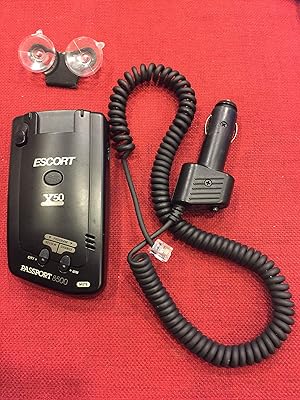
Escort Passport 8500 X50 Radar Detector
70%
91%
Highway Detection Range
67%
False Alert Filtering
88%
Instant-On Radar Response
86%
Build Quality & Durability
74%
Display Readability
More
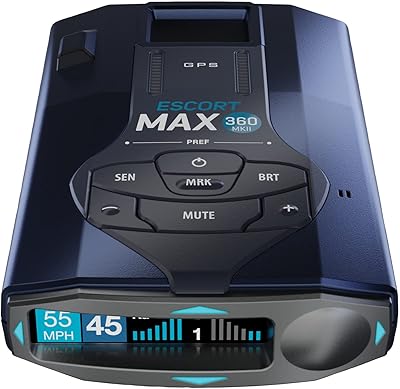
Escort MAX 360 MKII Radar Detector
81%
91%
Detection Range
88%
False Alert Filtering
93%
Directional Awareness
86%
GPS AutoLearn Intelligence
67%
Value for Money
More
Uniden DFR6 Radar Detector
80%
91%
Detection Range
73%
False Alert Filtering
88%
Display Quality
86%
Ease of Setup
67%
Build Quality
More
Uniden R4 Radar Detector
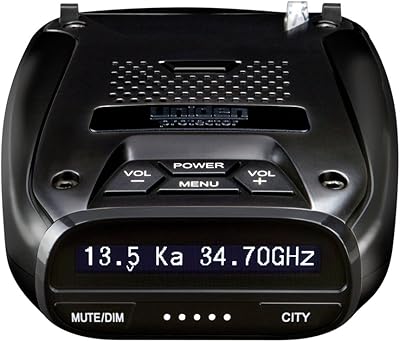
79%
94%
Detection Range
83%
False Alert Filtering
91%
GPS Auto-Mute Memory
78%
Red Light & Speed Camera Alerts
67%
App Integration (R/TACH)
More

FAQ

The unit is built to handle real riding weather — light to moderate rain should not be a problem. Long-term owners report riding through typical wet conditions without issues. A small number of reviewers noted concerns after prolonged exposure to heavy, sustained downpours, so if you regularly ride through storms you may want to plan for that edge case.

Considerably easier, which is the whole point of a purpose-built design. The plug-and-play cable connection means most riders complete the install in under an hour without professional help. If you have wired any accessory to your bike before, the process will feel familiar. Riders with fully enclosed fairings report slightly more effort routing the cable, but nothing that requires special tools.

Honestly, probably not the best fit if city streets are your primary territory. Dense urban environments generate a lot of signal noise — automatic doors, adaptive cruise systems on surrounding cars — and even with the improved filtering logic, false alerts remain more frequent in city riding than on open highways. The TPX 2.0 is really optimized for highway and interstate use where its detection performance shines.

It detects both. Laser detection is built in alongside the X, K, and Ka radar band coverage. That said, it is worth managing expectations on laser specifically — by the time any detector registers a laser hit, you often have very little reaction time due to how laser guns work. The radar coverage is where this unit earns most of its real-world credibility.

Yes, the band lockout modes let you disable specific frequency bands for routes where you know false triggers are a predictable problem. It takes a few rides to dial in the right settings for your area, but once configured it significantly reduces nuisance alerts without leaving you unprotected on the bands that matter.

The difference is meaningful. Car detectors are not built for vibration, moisture exposure, or the mounting constraints of a motorcycle. Beyond the physical durability gap, the Adaptiv TPX 2.0 Motorcycle Radar/Laser Detector was designed around a rider's field of view and alert needs — the display, audio levels, and mounting system all reflect that. Riders who have tried both approaches consistently report the dedicated motorcycle unit as a significantly better experience.

The unit itself holds up well to vibration over extended use, but the mounting hardware is the weaker link. A meaningful number of long-term owners report some wear or loosening at the mount attachment points after one to two seasons of regular riding. It is worth checking the mount tension periodically and keeping an eye on it after the first year.

It covers X, K, and Ka bands, which account for the overwhelming majority of radar enforcement tools deployed across North America. If you ride primarily in the U.S. or Canada, the coverage is well-matched to what you will actually encounter. If you travel internationally, some countries use different frequencies, so it is worth checking whether those bands fall outside what this unit detects.

The cable connection design allows for relatively quick removal, which is the main theft-deterrence strategy for this unit. There is no integrated lock on the mount itself, so if you regularly park overnight in unsecured areas, pairing it with a simple cable lock is a sensible habit. The low profile helps — it does not draw attention the way a large windshield-mounted car detector would.

For open-face and modular helmet riders, the stock audio output is generally rated as adequate at highway speeds. Full-face helmet users — especially those with significant wind buffeting above 65 to 70 mph — occasionally find the volume borderline without additional speaker or earpiece routing. If you ride at sustained high speeds in a full-face helmet, it is worth planning for that before you install.