

Overview
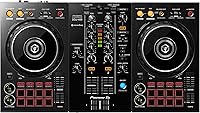
The Pioneer DJ DDJ-400 DJ Controller is an entry-level 2-channel deck built for people who are serious about learning to DJ the right way from the start. Its button layout borrows heavily from Pioneer's NXS2 club standard, which means the muscle memory you build here actually transfers to professional setups later. One thing that genuinely stands out is the bundled rekordbox license — that alone saves you meaningful money and removes the usual friction of getting started. Physically, the DDJ-400 sits comfortably on a desk without hogging space. It's light, mostly plastic, and feels more like a learning tool than a piece of gear you'd find in a touring rider. That's exactly what it is.
Features & Benefits
The DDJ-400 packs in a surprising amount of practical functionality for a starter deck. The Beat FX section lets you apply tempo-synced effects like echo and flanger at the push of a button, which gives even complete beginners the tools to create transitions that sound intentional. The Sound Color FX knobs handle real-time tonal shaping — twist one and you can filter, noise, or crush the signal in ways that add genuine expression to a mix. Connecting to rekordbox is as straightforward as plugging in a USB cable. The layout itself is the real long-term gift: buttons positioned the same way you'd find on a professional Pioneer setup, so your hands learn the right habits from day one.
Best For
This entry-level Pioneer controller is genuinely well-matched to anyone who wants to learn DJ craft with proper software support rather than piecing together a setup from scratch. If you've been eyeing a career behind the decks, building your muscle memory on this layout is a smart move — club booths run Pioneer gear, and familiarity matters when you're playing on someone else's equipment. Bedroom producers and casual hobbyists will appreciate how little desk space it demands. Dedicated rekordbox users especially benefit; the DDJ-400 is optimized for that ecosystem in a way that third-party controllers simply aren't. If you prefer Serato or Traktor, look elsewhere. But for everyone just starting out on rekordbox, it's a strong match.
User Feedback
Across hundreds of ratings averaging a solid 4.6 out of 5 stars, the picture that emerges is fairly consistent. Buyers praise the intuitive layout and say the jog wheels feel more responsive than expected at this price point. The rekordbox bundle gets called out repeatedly as a genuine bonus rather than an afterthought. On the critical side, the plastic chassis divides opinion — it's light, which is convenient, but some owners worry about long-term durability, especially around the jog wheel assembly. A handful of users also note the absence of a built-in audio interface, which requires an external sound card for certain monitoring setups. Nobody calls it indestructible. Most, though, describe it as the ideal first controller before stepping up to something heavier.
Pros
- The bundled rekordbox license saves you the cost of separate DJ software right out of the box.
- Button layout closely mirrors Pioneer's NXS2 professional setup, building transferable muscle memory from day one.
- Beat FX with tempo sync lets beginners add polished, well-timed effects without deep technical knowledge.
- The rekordbox tutorial mode provides structured, on-screen coaching that reduces the need for third-party courses.
- Sound Color FX knobs offer expressive, real-time tonal control that goes beyond what most starter controllers include.
- At under five pounds, this beginner DJ deck is light enough to pack up and relocate with ease.
- A 4.6-star average across hundreds of buyers suggests reliable satisfaction for its intended audience.
- The compact footprint suits small desks and bedroom setups without sacrificing a meaningful control surface.
- USB plug-and-play connectivity keeps setup quick — no driver headaches, no complicated routing before your first session.
Cons
- The all-plastic chassis feels noticeably lightweight, raising genuine concerns about long-term durability under regular use.
- No built-in audio interface means some users must purchase a separate external sound card to complete their setup.
- Tightly locked into the rekordbox ecosystem — Serato and Traktor users will need to look at a different controller entirely.
- Only two channels limits flexibility for anyone wanting to blend three or four tracks at once.
- Jog wheels are functional for learning but lack the weight and responsiveness that scratch-focused DJs typically expect.
- Skills can outgrow this entry-level Pioneer controller faster than expected, meaning a second purchase may come sooner than planned.
- No hardware waveform display means you are fully dependent on a connected laptop screen during every session.
- The range of available effects, while useful for beginners, feels narrow compared to what mid-range controllers offer.
Ratings
The Pioneer DJ DDJ-400 DJ Controller earns a 4.6-star average across hundreds of verified purchases worldwide, and our AI-driven scoring goes deeper than that headline by actively filtering out incentivized, bot-generated, and outlier reviews to surface what genuine buyers actually experienced over time. Ratings reflect both the documented strengths of this entry-level Pioneer controller — particularly its software bundle and beginner-friendly layout — and the recurring frustrations, most notably around build quality and platform lock-in. Every category below represents a transparent synthesis of real user feedback, not a curated marketing summary.
Build Quality
Value for Money
Software Integration
Layout & Controls
Beginner Friendliness
Ease of Setup
Jog Wheel Feel
Effects & FX Options
Audio Output Quality
Portability
Longevity
Connectivity Options
Suitable for:
The Pioneer DJ DDJ-400 DJ Controller is the right call for anyone taking their first serious steps into DJing and wanting hardware that won't immediately become an obstacle as their skills develop. Complete beginners benefit most — the bundled rekordbox license and built-in tutorial mode mean you can go from unboxing to your first real mix without purchasing extra software or hunting for online courses. Aspiring club DJs will appreciate that the button layout closely mirrors Pioneer's professional NXS2 setup, so the muscle memory you build at home translates directly to the gear you'll encounter in most venues. Bedroom producers and casual hobbyists get a genuinely practical rig: compact enough to fit a small desk, light enough to move without hassle. Rekordbox loyalists in particular get the most out of this deck, since the hardware and software work together tightly the moment you plug in via USB.
Not suitable for:
The Pioneer DJ DDJ-400 DJ Controller is a poor fit if you're already past the beginner stage or if your workflow lives in Serato, Traktor, or any platform outside the rekordbox ecosystem — the hardware is purpose-built for Pioneer's own software, and forcing it elsewhere adds unnecessary friction. Experienced DJs or those upgrading from a comparable starter deck will find the plastic chassis and two-channel ceiling restrictive almost immediately. Anyone who gigs regularly or needs gear that can handle road wear should think carefully; the lightweight build raises real durability questions that a heavier, more expensive controller would not. Users who require a built-in audio interface for proper headphone monitoring will also need to factor in the cost of a separate external sound card, which the DDJ-400 does not include. Scratch-focused DJs are likely to find the jog wheels functional but ultimately underwhelming for that particular style.
Specifications
- Product Type: The DDJ-400 is a 2-channel DJ controller built for beginner and intermediate use, designed to work natively with Pioneer's rekordbox software platform.
- Dimensions: The unit measures 10.72 x 18.98 x 2.3 inches (approximately 272 x 482 x 58 mm), offering a compact footprint suited to desks and small studio setups.
- Weight: At 4.62 pounds (approximately 2.1 kg), the controller sits among the lighter options in its category, contributing to portability while raising occasional durability questions among buyers.
- Power Supply: The DDJ-400 is fully USB bus-powered, requiring no separate AC adapter — a single USB cable to the host computer handles both data transfer and power delivery.
- Connectivity: The controller communicates with a host computer via USB, with no Bluetooth or Wi-Fi options, and no additional wired audio interface required for basic rekordbox operation.
- Included Software: A full rekordbox DJ software license is included in the box via a redeemable access code, providing immediate access to Pioneer's own DJ platform at no additional cost.
- Channels: The mixer section features 2 channels, each equipped with a 3-band EQ and channel fader, allowing the blending of two simultaneous audio sources.
- Jog Wheels: Two touch-sensitive jog wheels — one per deck — support scratching, pitch bending, and manual beat alignment during mixing practice.
- Beat FX: The Beat FX section delivers tempo-synced effects including echo, flanger, and filter, each automatically locked to the current track's detected BPM.
- Sound Color FX: Four Sound Color FX knobs provide real-time tonal manipulation on individual channels, enabling expressive filter and noise-style effects during a live mix.
- Master Output: A stereo RCA master output is provided for connecting to powered speakers, amplifiers, or a PA system.
- Headphone Out: A front-panel headphone output with a dedicated level knob allows for independent cue monitoring without affecting the master output volume.
- Mic Input: One microphone input is built into the unit, allowing performers to add voice or MC work over the mix during practice sessions or small events.
- OS Compatibility: The controller is officially compatible with Windows and macOS, covering the most widely used operating systems for home and studio-based DJing.
- Display: There is no built-in screen on the hardware; waveforms, track data, and performance cues are viewed entirely through rekordbox running on the connected computer.
- Layout Design: The arrangement of buttons, faders, and knobs mirrors the general layout of Pioneer's NXS2 professional club standard, helping beginners build muscle memory that transfers to pro gear later.
- Model Number: The official model identifier is DDJ-400, first made available in June 2018 and not discontinued by the manufacturer as of the time of this writing.
Related Reviews
Pioneer DJ PLX-500 Direct Drive Turntable
AC Infinity Controller 2 Fan Speed Controller
Pioneer DEH-S1200UB
Pioneer MVH-S320BT Digital Media Receiver
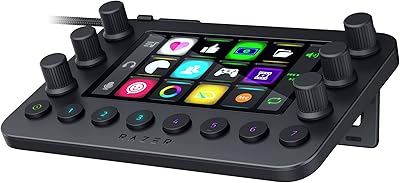
Razer Stream Controller Streaming Keypad
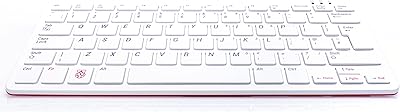
Raspberry Pi 400 All-in-One Keyboard Computer
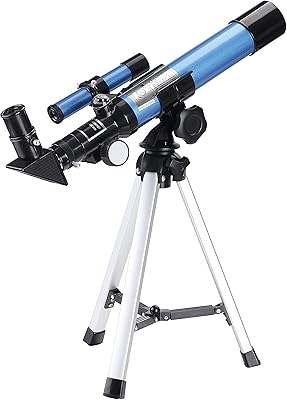
AOMEKIE 40/400 Refractor Telescope
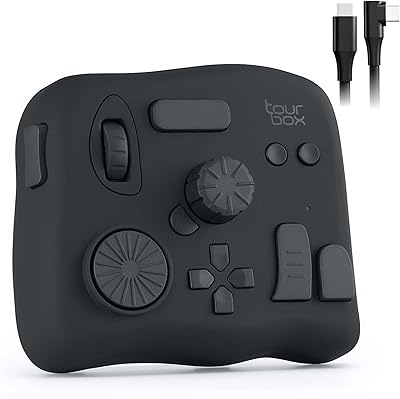
TourBox NEO Creative Editing Controller
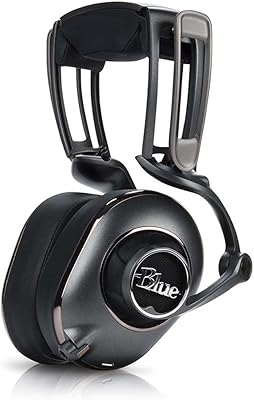
Blue Mix-Fi DJ Headphones