Overview

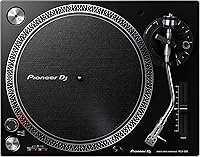
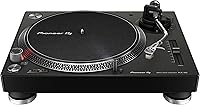
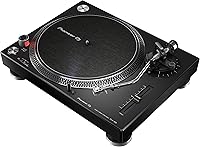
The Pioneer DJ PLX-500 Direct Drive Turntable sits at an interesting crossroads — it's Pioneer's attempt to bring professional-grade engineering down to a price point that home DJs and vinyl enthusiasts can actually justify. The design borrows heavily from the flagship PLX-1000, so you get a familiar, purposeful layout without the steep professional price. What makes this turntable particularly compelling is its dual appeal: traditional vinyl playback handled confidently, plus a direct USB connection to PC or Mac for digital recording without needing a separate audio interface. Rekordbox DVS compatibility adds yet another dimension, though it requires extra hardware to use. This is a capable, accessible deck — just not a club-standard replacement.
Features & Benefits

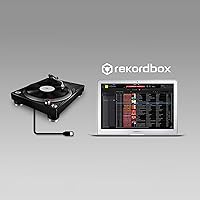
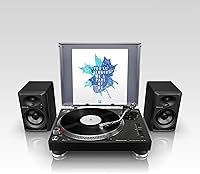
The servo-type direct drive motor is the centerpiece here. It spins up reliably and holds 33.3 and 45 RPM with the consistency you would want for mixing or scratching — no belt-drive slippage to contend with. The tonearm allows up to 6mm of height adjustment, giving real flexibility when mounting different cartridges and getting the geometry right. USB output is a standout practical feature: plug this Pioneer deck into your computer and record vinyl directly to digital without buying extra hardware. The dust cover includes a built-in sleeve stand, a small but practically useful detail for displaying artwork while you listen. Rekordbox DVS capability is real, but factor in that you will need a compatible mixer and control vinyl to activate it.

Best For

This turntable makes the most sense for beginner to intermediate DJs who want a direct drive deck from a credible brand without spending professional money. It is equally well suited to vinyl collectors who want to digitize records — the USB connection makes that process straightforward without extra gear. Hobbyists curious about DVS setups will find this Pioneer deck a reasonable entry point, provided they understand the additional hardware investment involved. Home listeners who want a quality turntable that fits into a modern digital workflow will also find a lot to like here. It is less compelling for working club DJs or scratch specialists who need the torque and build resilience of a true professional deck.

User Feedback

Owner sentiment skews strongly positive, with most buyers pointing to build quality and audio clarity as punching above what they expected at this price tier. The included cartridge gets mixed responses — it works out of the box, but a fair number of users mention that swapping it for a quality aftermarket stylus brings a noticeable improvement in sound. The USB recording feature earns consistent praise from collectors transferring old vinyl to digital. On the critical side, some experienced DJs note that the platter torque, while adequate for home use, falls short of what you feel on Pioneer's pro-level decks. Most negative reviews are comparative rather than absolute, which says something decent about this turntable's overall competence.

Pros

  • Direct drive motor delivers reliable platter speed with no belt-drive lag during mixing or scratching.
  • USB output lets you record vinyl directly to a computer without buying a separate audio interface.
  • Rekordbox DVS compatibility future-proofs the setup for DJs already in the Pioneer ecosystem.
  • Sound quality is genuinely impressive for this price tier, especially after a cartridge upgrade.
  • Adjustable tonearm height up to 6mm gives real flexibility when mounting different cartridges.
  • The PLX-500 ranks among the top direct drive turntables in its category on Amazon.
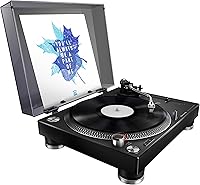
  • Integrated sleeve stand inside the dust cover is a practical, well-received design detail.
  • Setup is straightforward enough for first-time turntable owners to get running within minutes.
  • Borrowed design cues from the flagship PLX-1000 give this deck a purposeful, professional appearance.

Cons

  • Platter torque noticeably falls short of pro-level Pioneer decks under demanding scratch techniques.
  • The included cartridge underperforms relative to the rest of the deck and ideally should be upgraded.
  • No built-in phono preamp, which can catch first-time buyers off guard when connecting to speakers.
  • DVS functionality requires a compatible mixer and control vinyl sold separately — this is not stated clearly enough at purchase.
  • Plastic chassis construction feels less premium under close inspection compared to metal-bodied competitors.
  • The dust cover hinge feels slightly underdeveloped and can sit unevenly after extended use.
  • Documentation is minimal, leaving users attempting advanced setups reliant on third-party guides.
  • Total cost of ownership rises meaningfully once cartridge upgrades and DVS hardware are factored in.

Ratings

The Pioneer DJ PLX-500 Direct Drive Turntable scores below are generated by AI after analyzing verified global user reviews, with spam, bot activity, and incentivized feedback actively filtered out. Across thousands of real buyer experiences — from bedroom DJs to dedicated vinyl collectors — both the genuine strengths and the honest limitations of this Pioneer deck are reflected in every score. No category has been softened or inflated; what you see here is where this turntable genuinely earns its praise, and where it quietly falls short.
Build Quality
83%
Most owners are pleasantly surprised by how solid this turntable feels out of the box for its price tier. The platter sits firm, the tonearm moves without wobble, and the overall chassis inspires confidence during regular home use sessions.
The plastic body construction is noticeable under close inspection and does not convey the same premium rigidity as the metal-heavy PLX-1000. A few users report minor cosmetic scratches appearing after modest handling, which hints at surface finish limitations.
Sound Quality
86%
Vinyl playback through the PLX-500 is genuinely pleasing — warm, clear, and free from the motor noise that plagues cheaper belt-drive alternatives. Users running it through quality active speakers consistently report a well-rounded audio output that holds up even at higher volumes.
The included cartridge is the weakest link in the audio chain. Several owners note a slight flatness in detail retrieval until they swap in an aftermarket stylus, meaning the out-of-box sound does not fully represent what this deck is actually capable of.
Direct Drive Motor Performance
81%
19%
The servo-type direct drive motor spins up quickly and holds platter speed reliably across extended sessions. For casual mixing and light scratching at home, most users find it responsive and consistent enough to work with comfortably.
Experienced DJs migrating from professional setups will immediately notice the torque does not match higher-end Pioneer decks. Under aggressive scratch techniques, some users report a slight lag in platter recovery that would be unacceptable in a club environment but is acceptable for home practice.
USB Recording Functionality
88%
This is one of the most appreciated features among vinyl collectors using this Pioneer deck. Being able to plug directly into a Mac or PC and record to digital without purchasing a separate audio interface saves real money and simplifies the workflow considerably.
The USB recording is functional rather than audiophile-grade. A small number of users note that recording quality peaks at a level that satisfies archiving needs but may disappoint those expecting studio-worthy captures without additional processing.
Rekordbox DVS Compatibility
72%
28%
For hobbyist DJs already invested in the Pioneer rekordbox ecosystem, the DVS compatibility is a genuine differentiator at this price point. It opens up the ability to control digital library tracks using the physical platter and control vinyl, which feels intuitive once the setup is running.
The DVS feature requires a compatible DJ mixer and the RB-VS1-K control vinyl — neither of which is included. Several buyers feel this is underemphasized at purchase and end up frustrated when they realize the advertised capability demands additional hardware investment to activate.
Tonearm Quality & Adjustability
78%
22%
The tonearm on this turntable offers up to 6mm of height adjustment, giving users genuine flexibility when mounting a variety of cartridges. Most owners find calibration straightforward and appreciate having options beyond a fixed-height arm at this price level.
The tonearm feels slightly lightweight compared to professional-grade alternatives, and a few users report needing to fine-tune tracking force more carefully than expected after cartridge swaps. It is functional and adjustable, but not a precision instrument by any measure.
Platter Speed Accuracy
84%
Running at both 33.3 and 45 RPM, the PLX-500 maintains speed consistency that satisfies the vast majority of home users. Records play back pitch-accurately without the wow and flutter issues that plague entry-level belt-drive turntables.
A small subset of users — particularly those with a trained ear — report occasional micro-variations in speed during very long listening sessions, though this appears to be an edge-case rather than a widespread pattern.
Setup & Installation
89%
Unboxing and getting the PLX-500 up and running is described as refreshingly straightforward by most buyers. The layout is logical, the connections are clearly labeled, and even first-time turntable owners report having music playing within minutes of opening the box.
The included documentation is minimal, and users attempting the rekordbox DVS setup without prior experience often find themselves consulting third-party tutorials. The quick-start guide covers basics but leaves gaps for more advanced configuration scenarios.
Dust Cover & Sleeve Stand
77%
23%
The integrated sleeve stand inside the dust cover is a small but genuinely useful design touch that regular listeners enjoy. Being able to prop up the record artwork while a side plays adds a tactile, aesthetic dimension to the listening ritual at no extra cost.
The dust cover hinge feels less robust than the rest of the unit, and a handful of users mention it sits slightly unevenly after extended use. It does its primary job of protecting the platter, but it is not a premium-feeling component.
Value for Money
82%
18%
Relative to comparable direct drive decks at this price tier, the PLX-500 offers strong brand credibility, a meaningful feature set, and reliable performance that justifies the spend for home DJs and collectors. Most buyers feel they received more than they paid for.
The need to budget for a cartridge upgrade and additional DVS hardware means the true cost of ownership can creep well beyond the initial purchase. Buyers expecting a complete plug-and-play professional setup out of the box may feel the value proposition is slightly overstated.
Compatibility & Connectivity
85%
USB output to PC and Mac works reliably across both platforms without driver headaches in most reported cases. Users integrating this turntable into existing home studio setups or DJ rigs find the connection options practical and well-thought-out for the target audience.
There is no built-in phono preamp, which catches some first-time turntable buyers off guard when connecting directly to powered speakers or receivers without a dedicated phono stage. This is an industry standard omission but still generates recurring confusion in buyer reviews.
Aesthetic & Design
80%
20%
The all-black finish and clean, purposeful layout give this Pioneer deck a professional visual presence that looks at home on a dedicated DJ setup or a living room shelf. It borrows enough design language from the PLX-1000 to feel cohesive and intentional.
The plastic chassis, while visually inoffensive, does subtract from the premium aesthetic at closer range. Users accustomed to the weight and finish of all-metal decks may find the visual impression does not quite match the asking price expectations.
Noise & Vibration
79%
21%
Motor noise is impressively low during playback, which matters for users in quiet home listening environments where mechanical hum can bleed into recordings or simply irritate the ear. The direct drive design keeps vibration transfer to the stylus well controlled.
A few users report a faint operational hum audible in very quiet rooms, particularly on older or worn records where the stylus is more sensitive to the platter surface. It is not a common complaint but surfaces enough in reviews to be worth noting.
Portability & Form Factor
68%
32%
At just under 28 pounds, this turntable is lighter than many professional direct drive decks, making it manageable for users who occasionally move it between rooms or transport it to small gatherings. The footprint is compact enough for most home setups.
It is still a substantial piece of equipment and not something most users would casually transport to gigs. The plastic construction also makes some owners nervous about repeated movement, limiting its appeal for anyone needing a genuinely portable or gigging setup.

Suitable for:

The Pioneer DJ PLX-500 Direct Drive Turntable is an excellent fit for beginner to intermediate DJs who want a credible, direct drive deck from a trusted brand without committing to professional-tier pricing. Vinyl collectors with a growing library of records will find the built-in USB output particularly practical — it removes the need for a separate audio interface when archiving older pressings to digital. Home listeners who want more than a basic turntable but do not need club-grade performance will appreciate the clean audio output and the thoughtful dust cover design. Those already embedded in the rekordbox ecosystem who want to add a physical deck to their setup will find the DVS compatibility a compelling bridge between their digital library and vinyl workflow. It also suits software DJs making their first serious move into hardware turntablism, where hands-on practice matters more than peak professional specification.
Not suitable for:

Working club DJs or serious scratch practitioners should look elsewhere — the Pioneer DJ PLX-500 Direct Drive Turntable does not deliver the platter torque or chassis durability that demanding live performance environments require. The gap between this deck and the PLX-1000 is real and felt under pressure, and experienced hands will notice it quickly. Audiophiles expecting reference-quality playback straight out of the box will also be underwhelmed until they replace the stock cartridge, which adds to the total cost of ownership in a way that is worth factoring in upfront. Anyone hoping to jump into DVS mixing immediately should know that a compatible DJ mixer and control vinyl are not included and must be purchased separately — this is not a complete DVS solution in the box. Budget-conscious buyers who need a no-compromise all-in-one setup without additional purchases may find the real-world cost creeps beyond initial expectations.
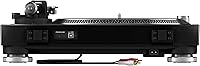
Specifications

  • Drive Type: Servo-type direct drive motor provides consistent platter torque without the speed inconsistencies associated with belt-drive mechanisms.
  • Platter Speeds: Supports both 33.3 RPM and 45 RPM playback speeds to accommodate standard LP and single vinyl formats.
  • Tonearm Adjustment: Tonearm height is adjustable up to 6mm, allowing proper cartridge alignment across a range of aftermarket stylus options.
  • USB Output: Built-in USB port enables direct digital recording to PC or Mac without requiring a separate external audio interface.
  • DVS Compatibility: Compatible with the rekordbox DVS system when paired with a supported DJ mixer and the RB-VS1-K control vinyl, both sold separately.
  • Dimensions: The unit measures 17.72 x 14.49 x 6.26 inches, making it suitable for standard DJ furniture and home listening setups.
  • Weight: Weighs 27.9 pounds (12.7 kg), which is manageable for home installation but not optimized for frequent transport.
  • Body Material: The chassis is constructed primarily from plastic, keeping weight and cost controlled relative to all-metal professional alternatives.
  • Signal Format: Outputs a digital audio signal via USB for computer recording, alongside a standard analog RCA output for connecting to amplifiers or mixers.
  • Power Source: Powered via corded electric connection, requiring a standard wall outlet and making it unsuitable for battery-powered or portable use.
  • Color: Available in black, with a clean matte finish that aligns visually with Pioneer DJ's broader product family aesthetic.
  • Dust Cover: Includes a hinged dust cover with an integrated sleeve stand designed to prop up record artwork during playback.
  • Compatible Devices: Designed for use with active powered speakers, DJ mixers with phono inputs, and computers running rekordbox or compatible recording software.
  • Brand Lineage: Shares core design philosophy and layout cues with the professional-grade PLX-1000, representing a deliberate trickle-down approach from Pioneer DJ.
  • Phono Preamp: Does not include a built-in phono preamplifier, so connection to devices without a dedicated phono input requires a separate preamp stage.
  • Market Rank: Holds the number 12 position in the DJ Turntables category on Amazon, reflecting consistent demand and strong buyer satisfaction within its segment.

Related Reviews

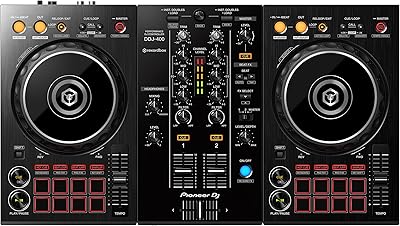
Pioneer DJ DDJ-400 DJ Controller
86%
85%
Performance
94%
Ease of Use
80%
Build Quality
88%
Portability
90%
Software Integration (rekordbox)
More
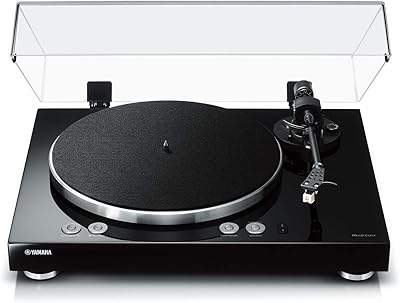
Yamaha MusicCast Vinyl 500 Turntable
74%
91%
Wireless Ecosystem Integration
78%
Sound Quality
63%
Build Quality & Materials
88%
Streaming & Connectivity
84%
Ease of Setup
More
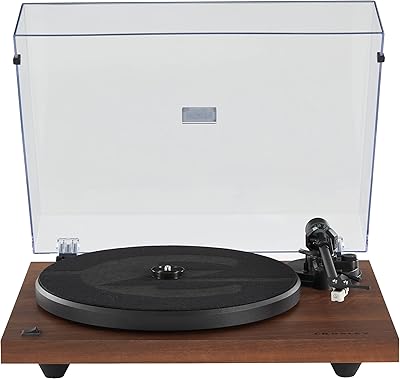
Crosley C6B Belt-Drive Bluetooth Turntable
75%
78%
Sound Quality
61%
Build Quality
84%
Ease of Setup
58%
Bluetooth Performance
81%
Tonearm & Tracking
More
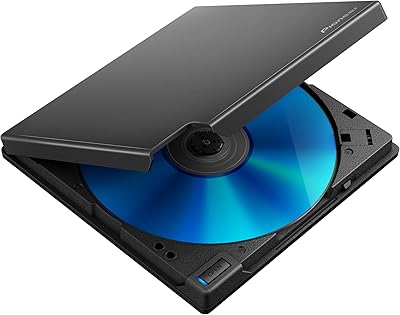
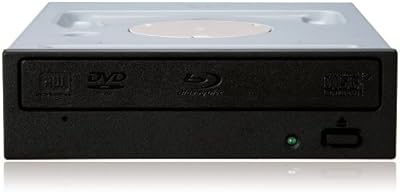
Pioneer BDR-207DBK Blu-ray Combo Drive
85%
88%
Performance & Speed
81%
Build Quality
90%
Setup & Installation
85%
Compatibility
89%
Portability & Size
More
Pioneer BDR-XD08B Portable External Blu-ray Drive
77%
88%
Build Quality
91%
Portability & Size
86%
Disc Read Accuracy
72%
Software & Compatibility (Windows)
61%
Mac Compatibility
More
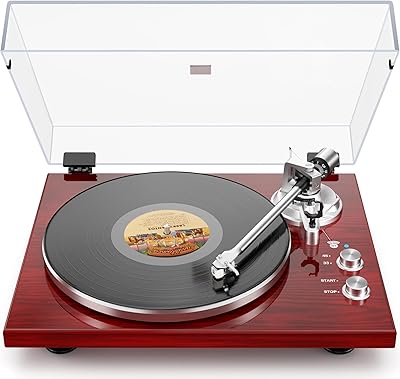
DIGITNOW High-Gloss Wood Design Turntable
77%
91%
Visual Design & Finish
78%
Sound Quality
67%
Bluetooth Performance
83%
Built-in Phono Preamp
81%
Cartridge & Stylus Quality
More
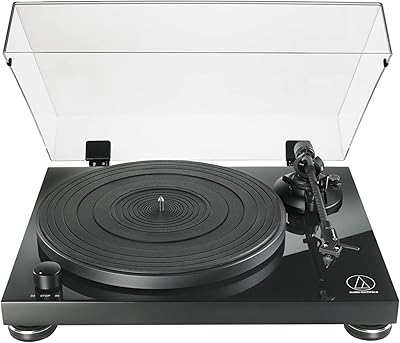
Audio-Technica AT-LPW50PB
82%
91%
Sound Quality
88%
Cartridge & Stylus Performance
89%
Build Quality
87%
Speed Accuracy & Stability
78%
Ease of Setup
More
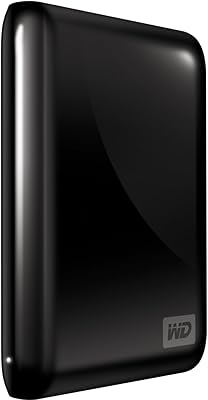
WD My Passport Essential 500 GB Portable External Hard Drive
85%
88%
Performance
91%
Transfer Speed
93%
Portability & Design
85%
Ease of Use
84%
Security Features
More
SanDisk Professional G-Drive 6TB
67%
84%
Build Quality
51%
Drive Reliability
76%
Transfer Speed
89%
Mac Compatibility
53%
Value for Money
More
Seagate Game Drive for PlayStation 2TB
79%
94%
Ease of Setup
91%
Storage Capacity
93%
PS4 Compatibility
72%
PS5 Compatibility
74%
Transfer Speed
More

FAQ

Yes, in most cases you will. The PLX-500 does not have a built-in phono preamp, so if your amplifier, receiver, or powered speakers do not have a dedicated phono input, you will need to add an external preamp between the turntable and your audio system. They are relatively inexpensive and easy to find.

The stock cartridge is functional and will get you up and running without issues, but it is genuinely the weakest link on this deck. If you are primarily using it for casual listening, it is fine to start with. If sound quality matters to you, most experienced users recommend budgeting for an aftermarket cartridge fairly early on — the improvement in detail and clarity is noticeable.

Not quite out of the box, no. The Pioneer DJ PLX-500 Direct Drive Turntable supports rekordbox DVS, but you will also need a compatible DJ mixer with a phono input and the RB-VS1-K control vinyl, neither of which is included. Once you have those pieces in place, the DVS setup works well, but it is worth budgeting for that additional hardware upfront.
The PLX-1000 has noticeably stronger platter torque, a more robust all-metal build, and is genuinely suited to professional or club use. For home DJing, practicing, or vinyl listening, most users will not hit the ceiling of the PLX-500. But if you plan to perform live or scratch seriously, the PLX-1000 is worth the investment. The two decks share design DNA but serve different performance tiers.

Generally yes — most users report plug-and-play USB recording on both platforms without needing to install separate drivers. It works well with standard recording software and is a genuinely convenient feature for digitizing vinyl collections at home.

It can handle casual scratching and practice sessions without problems. The direct drive motor provides enough torque for basic to intermediate scratch techniques. That said, professional scratch DJs who need aggressive, high-torque platter response will find its limits fairly quickly. For learning and home practice, it holds up well.

Yes, at 17.72 x 14.49 inches the footprint fits comfortably on most dedicated DJ furniture and standard tables designed for turntable setups. Just make sure your surface is level and stable, as with any direct drive deck.

No, this turntable only supports 33.3 RPM and 45 RPM speeds. If you have a collection of 78 RPM shellac records, you will need a different deck that supports that speed, and also a dedicated 78 stylus.

The USB output is class-compliant, meaning it works with most popular recording applications including Audacity, GarageBand, Adobe Audition, and rekordbox itself. You are not locked into proprietary software, which gives you flexibility depending on your workflow.

Setup is straightforward for the most part — unboxing, balancing the tonearm, and connecting to speakers or a mixer can be done without prior experience if you follow the included documentation. The one area where beginners sometimes get stuck is cartridge alignment, but there are plenty of beginner-friendly guides available online that walk through it clearly. The DVS configuration is the most complex part, and that is best tackled with a tutorial rather than the printed guide alone.

Where to Buy