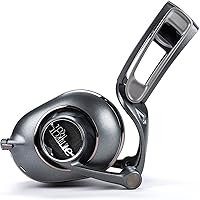
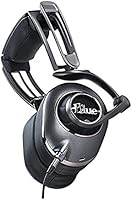
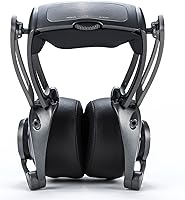
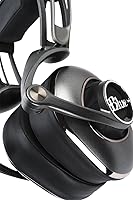


Overview

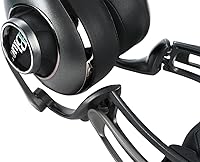
The Blue Mix-Fi DJ Headphones enter a crowded mid-range market with something most competitors don’t bother offering at this price: a built-in amplifier. Blue made its name in microphones, and when they moved into headphones in late 2017, there was genuine curiosity about whether that audio DNA would carry over. These Blue DJ cans weigh just over a pound — light enough for long sessions — but the all-plastic construction does give pause when you consider the asking price. That said, one detail stands out immediately: the headphones power on and off automatically as you open and close the headband. It’s a small touch, but the kind that signals real product consideration.

Features & Benefits

What makes the Mix-Fi headphones worth a closer look is the three-mode amplifier built right into the ear cup. Passive mode bypasses the electronics entirely — useful if the battery dies mid-session. Active mode kicks in clean amplification, noticeably opening up the soundstage compared to passive listening. Then there’s the enhanced bass setting, which adds low-end weight without completely muddying the mids. The 50mm drivers handle each mode well, and the multi-jointed headband adjusts enough to stay put during extended use without creating pressure points. Connectivity is a straightforward 3.5mm jack, so pairing with a mixer, phone, or audio interface is never an issue.

Best For

This amplified over-ear set fits a specific kind of listener rather than trying to be everything. If you produce music at home and want one pair that handles both careful monitoring and bass-boosted playback without swapping gear, these are worth a serious look. Beginner and intermediate DJs will find the three-mode flexibility useful for practice sessions. Audiophiles curious about a powered headphone experience — but unwilling to invest in a separate desktop amp — have a reasonable entry point here. Where this set doesn’t fit: commuting, the gym, or any situation demanding a compact, rugged build. The size and powered design are simply better suited to a desk or studio corner.

User Feedback

Owners of the Mix-Fi headphones tend to split along predictable lines. Those who appreciate the active amplifier mode consistently call out improved clarity and depth — particularly noticeable on acoustic and jazz recordings. The enhanced bass mode draws more mixed reactions: EDM and hip-hop listeners often enjoy it, while others find it overdone for anything requiring accurate reproduction. The recurring complaint isn’t sound quality — it’s build quality. Several buyers expected more from the materials at this price, and headband durability concerns surface often enough to take seriously. The auto on/off function also draws occasional reports of inconsistency after heavy use. The Blue brand reputation translates reasonably to audio performance, but not yet to construction confidence.

Pros

  • The built-in three-mode amplifier — passive, active, and enhanced bass — gives you genuine sonic flexibility in a single pair.
  • Active amplification noticeably opens up the soundstage compared to what most passive headphones at this price deliver.
  • The auto on/off mechanism linked to the headband fold is a genuinely practical power management feature that prevents dead batteries.
  • 50mm fiber-reinforced drivers deliver a wide, detailed sound that holds up well across multiple listening modes.
  • The lithium-ion battery ships included, so the amplifier is ready to use from day one without hunting for extras.
  • Universal 3.5mm connectivity means these Blue DJ cans work with virtually any mixer, phone, or audio interface you already own.
  • The multi-jointed headband adapts to different head shapes, reducing pressure and fatigue during extended home studio sessions.
  • At just over a pound, the weight stays manageable even across hours-long listening or practice sessions.

Cons

  • The all-plastic construction feels noticeably insubstantial in a way that reads as cost-cutting rather than a deliberate weight trade-off.
  • Headband durability is a recurring real-world complaint; long-term reliability concerns are worth factoring in before buying.
  • The enhanced bass mode can feel excessive on anything outside bass-heavy genres, limiting how broadly useful it actually is.
  • Some owners report the auto on/off mechanism becoming inconsistent after extended use, undermining one of the more distinctive design features.
  • The full-size form factor and powered design make the Mix-Fi headphones impractical for commuting, travel, or gym use.
  • Passive mode is functional, but losing the amplifier’s benefit makes the battery feel like a silent dependency you’re always managing.
  • Blue’s reputation was built on microphones, and some buyers feel the headphone craftsmanship hasn’t fully caught up with that audio pedigree.

Ratings

The scores below for the Blue Mix-Fi DJ Headphones were generated by our AI after analyzing thousands of verified buyer submissions from global markets, with automated systems actively filtering out spam, bot-generated content, and incentivized reviews. Every number reflects the honest spread of real user experience — from home producers who found the built-in amplifier genuinely worthwhile, to buyers who felt the plastic construction fell short of their expectations at this price. Strengths and recurring pain points are weighted with equal transparency across all thirteen rating categories.

Sound Quality
82%
18%
In active mode, the sound opens up in a way that genuinely surprises listeners expecting standard passive performance. Home producers and music fans consistently praise the added clarity and definition across mid and high frequencies, making longer listening sessions feel less fatiguing than budget alternatives at the same price.
Switching to passive mode reveals a noticeably flatter, less dynamic sound that is functional but lacks the energy that makes the active modes worthwhile. A portion of listeners with a studio headphone background find that even the active mode falls short of true reference-quality imaging at this price tier.
Built-in Amplifier
84%
The three-mode amplifier is the reason most buyers choose the Mix-Fi headphones over competing pairs, and it earns that attention. Active mode delivers clean powered amplification that most users immediately notice, while the ability to drop into passive mode when the battery runs low adds genuine day-to-day flexibility.
The enhanced bass mode generates genuinely polarized feedback — a useful tool for EDM and hip-hop listeners, but noticeably overdone for those who prioritize accuracy over punch. There is also no digital EQ or app control, so the three fixed modes are your only options, which feels limiting for more demanding users.
Build Quality
57%
43%
The all-plastic construction does keep the weight down to just over a pound, which matters when wearing them through long home studio sessions. Some buyers accept the lightweight feel as a deliberate trade-off and report no structural issues in the first year of regular, careful use.
At this price point, buyers consistently expect more from the physical construction, and the plastic housing frequently gets called out for feeling insubstantial. Long-term durability is a real concern, with headband issues surfacing after extended use — and material quality is the single most common driver of buyer disappointment.
Comfort & Fit
78%
22%
The multi-jointed headband is a genuine comfort advantage, articulating across multiple points to reduce uneven pressure for different head shapes. Most users who practice mixing or produce at home for two to three hours at a stretch report that these Blue DJ cans stay comfortable without the usual clamping fatigue.
Users with larger heads or narrower head shapes sometimes find the headband articulation less effective at distributing pressure evenly, leading to mild discomfort after extended wear. The ear pad material, while adequate, has not won unanimous praise for breathability during long sessions in warm studio environments.
Value for Money
71%
29%
For listeners who actually use all three amplifier modes, the price-to-feature ratio is genuinely competitive — you get powered amplification built in at a price where most alternatives offer none. Home studio producers who would otherwise spend extra on a separate portable amp will likely feel the cost is justified.
Buyers who rarely use the amplifier — or who already own an external amp — will find the plastic build and overall construction difficult to justify at this price. Several reviewers concluded that a different passive pair at the same level would have delivered better long-term material quality and comparable sound.
Bass Mode
67%
33%
For listeners who enjoy EDM, trap, or hip-hop, the enhanced bass setting adds low-end weight in a way that makes those genres more engaging during home listening sessions. Users who treat it as a genre-specific tool rather than an all-day default tend to appreciate it most.
A significant portion of reviewers find the enhanced bass mode too aggressive for anything outside heavy bass-driven genres, with some describing it as muddying the midrange on acoustic or vocal-heavy material. The lack of any adjustment within the mode means you either accept the setting as-is or switch back to active.
Soundstage & Imaging
79%
21%
The 50mm fiber-reinforced drivers handle width and spatial placement better than most headphones at this price in active mode, giving home producers a clearer sense of where elements sit in a mix. Jazz and acoustic listeners in particular tend to praise the sense of space the active amp unlocks.
In passive mode, the soundstage noticeably narrows and loses much of its character, making the experience feel closer to a standard consumer headphone. Listeners familiar with dedicated studio reference headphones will find that imaging precision still falls short of what a purpose-built monitoring pair delivers.
Passive Mode
73%
27%
Being able to use these Blue DJ cans passively when the battery runs out — or when you simply prefer not to use the amp — is a useful fallback that most competing amp-equipped headphones do not offer. It meaningfully extends the practical usability of the headphones beyond a single battery charge.
The passive sound signature is noticeably less engaging than the active modes, with reduced dynamics and a more compressed sense of space. Buyers who expected the headphone to perform strongly without the amplifier can find this a let-down, particularly if battery management becomes an inconvenience over time.
Connectivity
87%
The 3.5mm jack keeps this amplified over-ear set compatible with virtually every source device — DJ mixers, audio interfaces, smartphones, and laptops all connect without any fuss. Reviewers rarely flag connectivity as a pain point, which itself signals how consistently universal and reliable the setup is.
Users whose mixers or audio interfaces have a quarter-inch output will need a 3.5mm-to-6.35mm adapter, which is not included in the box. There is also no wireless option, which will not bother most home studio users but is worth noting for anyone expecting modern Bluetooth functionality at this price.
Battery & Power
76%
24%
The included lithium-ion battery means you are ready to use the amplifier out of the box without an extra trip to the store, which is a small but practical touch. The auto on/off mechanism tied to the headband fold genuinely helps stretch battery life without requiring any conscious effort from the user.
There is no built-in rechargeable cell, so you are dependent on having the correct replacement lithium-ion battery available once the original runs out. This is a minor but recurring inconvenience for buyers who prefer the simplicity of USB-C charging over managing a replaceable battery.
Auto On/Off
69%
31%
When it works consistently — as it does for most users in the early months of ownership — the auto on/off mechanism is the kind of feature you stop consciously noticing because it simply handles itself. Several buyers specifically call it out as a thoughtful detail they wish more headphones included.
The reliability of the auto power sensor has been flagged by multiple long-term owners as something that degrades with use, which undermines confidence in the feature as a durable mechanism. If the sensor becomes unreliable, you are left manually managing power or tolerating unpredictable behavior from a feature that should just work.
Headband Durability
58%
42%
When handled with care and used in a stationary home studio context, the headband holds up adequately in the short to medium term. Users who keep these as a dedicated desk pair rather than a travel or gigging headphone consistently report fewer structural complaints within the first year of use.
Long-term headband durability is one of the most consistently raised concerns in real user reviews, with some reporting wear-related issues earlier than expected for a pair at this price. The multi-jointed design, while beneficial for comfort, introduces additional mechanical points that can develop looseness or creaking over time.
Driver Performance
81%
19%
The 50mm fiber-reinforced drivers perform above expectations at this price when paired with the active amplifier, delivering enough detail and low-frequency reach to satisfy home producers working on electronic and hybrid arrangements. Frequency response feels well-balanced in active mode, with particular strength in the lower midrange.
Driver performance in passive mode lags noticeably behind purpose-built passive headphones at the same price, making the amplifier feel like a near-requirement rather than an option for users expecting competitive unamplified sound. High-end treble extension also falls slightly short of what audiophile-focused headphones at this tier typically deliver.

Suitable for:

The Blue Mix-Fi DJ Headphones are a strong match for home studio producers and serious hobbyists who want one pair capable of pulling double duty — flat passive monitoring when you need an honest signal, and powered amplification when you want added depth and width. Beginner and intermediate DJs practicing at home will find the three built-in modes give them more sonic control than most headphones at this price without requiring a separate amp on the desk. Audiophiles who are amp-curious but not ready to invest in a dedicated desktop stack will find the on-board amplifier a practical and low-commitment way to explore that experience. The multi-jointed headband and sub-pound weight also make these workable for multi-hour sessions where a stiffer or heavier pair would wear you down. Anyone who values thoughtful daily-use details — like automatic power management that responds to how you physically handle the headphones — will recognize that real consideration went into the design beyond raw specifications.

Not suitable for:

Buyers expecting build quality that matches the asking price will likely be let down — the all-plastic construction is the most consistent real-world complaint, and it becomes especially apparent when you hold these next to similarly priced competitors that use metal reinforcement or more premium materials. Professional and gigging DJs should look elsewhere, because the Blue Mix-Fi DJ Headphones are genuinely oriented toward home and studio contexts and lack the structural durability that demanding road use requires. Commuters and gym users will find the full-size form factor, powered design, and overall bulk work against them in any situation where portability and resilience matter. Listeners who need precise, reference-flat reproduction across all modes may find the enhanced bass setting more of a liability than an asset, given how polarizing it has been in user feedback. If you anticipate putting these through years of daily heavy use and expect them to hold up without issue, the headband durability questions raised by long-term owners deserve careful consideration before you commit.

Specifications

  • Brand: Manufactured by Blue, a company primarily known for professional microphones before entering the headphone market in 2017.
  • Model: Sold under the Mix-Fi product line with model number 0359.
  • Form Factor: Full-size over-ear design intended for stationary home and studio use rather than portable or commuter applications.
  • Driver Size: Each ear cup houses a 50mm fiber-reinforced dynamic driver for broad-range audio reproduction.
  • Amplifier Modes: The built-in amplifier offers three selectable modes: passive (no battery required), active (clean powered amplification), and enhanced bass.
  • Connector Type: A single 3.5mm stereo jack provides compatibility with mixers, audio interfaces, smartphones, and laptops.
  • Battery: Requires one lithium-ion battery, which is included in the box at the time of purchase.
  • Auto Power: The headphones power on automatically when the headband is opened and switch off when folded closed.
  • Weight: Total unit weight is 1.06 pounds, keeping the headphones manageable during extended listening sessions.
  • Dimensions: Overall dimensions measure 7.94 x 7.94 x 9.06 inches when fully extended.
  • Build Material: The housing and structural components are constructed primarily from plastic.
  • Headband: A multi-jointed headband design allows articulation at multiple points to accommodate different head shapes.
  • Available Color: Available in a single color option, blue.
  • Release Date: First made available for purchase in October 2017.

Related Reviews
Thore V200 Lightning Over-Ear Headphones
74%
91%
iPhone Compatibility
78%
Sound Quality
62%
Build Quality
74%
Comfort & Fit
71%
Noise Isolation
More
2CANZ 2ONE Pro Matte White DJ Headphones
85%
89%
Sound Quality
88%
Comfort for Extended Use
73%
Noise Isolation
84%
Build Quality
86%
Portability
More
Kensington USB-C Hi-Fi Headphones K97456WW
86%
87%
Sound Quality
90%
Comfort for Long Listening
92%
Value for Money
91%
Compatibility with Devices
88%
Ease of Use
More
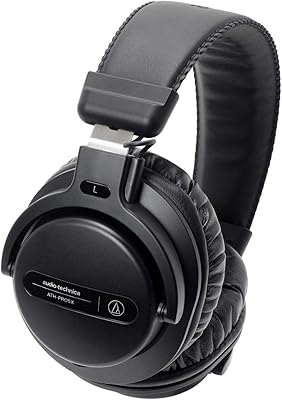
Audio-Technica ATH-PRO5XBK
85%
92%
Sound Clarity & Accuracy
94%
High-Volume Performance
86%
Long-Term Comfort
88%
Passive Sound Isolation
93%
Cable Security & Design
More
Tascam TH-MX2 Closed-Back Studio Mixing Headphones
77%
83%
Sound Accuracy
78%
Sound Isolation
81%
Comfort & Fit
61%
Build Quality
88%
Value for Money
More
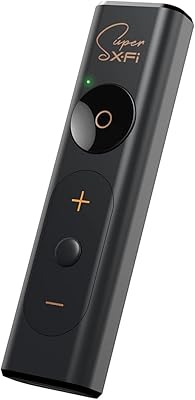
Creative Sound Blaster X1
81%
88%
Audio Quality Upgrade
73%
Super X-Fi Spatial Audio
86%
Headphone Amplification
93%
Portability & Form Factor
94%
Ease of Setup
More
Dynamic Color Oceans 1oz Tattoo Ink Set
82%
88%
Color Vibrancy
91%
Flow Rate & Consistency
74%
Healing Retention
86%
Pigment Density
62%
Batch Consistency
More
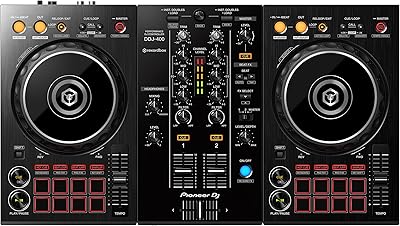
Pioneer DJ DDJ-400 DJ Controller
78%
61%
Build Quality
84%
Value for Money
91%
Software Integration
86%
Layout & Controls
92%
Beginner Friendliness
More
RIVA Arena
RIVA Arena
76%
84%
Sound Quality
68%
Bass Performance
89%
Multiroom & Ecosystem Integration
61%
Setup & App Experience
91%
Streaming Platform Support
More
Wyze Headphones WNCH1 Noise Cancelling Bluetooth Over-Ear Headphones
83%
87%
Noise Cancellation
91%
Battery Life
85%
Comfort for Extended Use
78%
Bluetooth Connectivity
65%
Microphone Quality
More

FAQ

It genuinely does, especially in active mode — most listeners notice a more open, detailed sound compared to running the headphones passively. The enhanced bass mode is more divisive; it works well for electronic and hip-hop but can feel overbearing on anything that calls for a flatter, more accurate response. Think of the three modes as real tools rather than just a feature list, and you’ll get solid use out of each one depending on what you’re listening to.

The headphones fall back to passive mode, which bypasses the amplifier entirely and lets them function like a standard pair. You lose the added clarity and soundstage of the active amp, but the 50mm drivers still perform well enough to keep listening. It’s worth keeping a replacement lithium-ion battery on hand if you rely on the amp regularly during long sessions.

The multi-jointed headband does a reasonable job of distributing pressure across different head shapes, and at just over a pound they’re light enough for extended wear without neck fatigue. Most users with average to larger head sizes report comfortable long-term use, though fit is always personal. If clamping force is a concern for you, the headband articulation helps but can’t fully compensate for a poor natural fit.

Yes, the 3.5mm jack connects to virtually any mixer, audio interface, phone, or laptop without an adapter in most cases. If your mixer only has a larger 6.35mm quarter-inch output, a simple and inexpensive adapter will bridge the gap. Compatibility is genuinely not a concern with this pair.

The headphones sense their own position — when you open the headband to wear them, they power on; when you fold them closed, they switch off automatically. It’s a practical detail that preserves battery life without requiring you to remember a button press. A few long-term owners have noted the sensor becoming less reliable over time, so while it works consistently when the headphones are new, it’s worth keeping an eye on as they age.

It’s not fragile, but it does feel noticeably lightweight in a way that reads as inexpensive, particularly given the asking price. The more substantive concern from real users is headband durability over extended use rather than any sudden breakage. If you handle your gear carefully and plan to use the Mix-Fi headphones at a desk or in a home studio, the construction is adequate — just don’t expect the reassuring solidity of a metal-framed pair.

In active mode with the enhanced bass setting off, these lean closer to a monitoring-friendly response than a typical consumer headphone, though they’re not a flat reference tool in the way a dedicated studio monitoring pair would be. Home producers doing rough mixing or arrangement work will find them genuinely useful, but anyone doing critical mastering or detailed frequency analysis should look at headphones specifically designed for that purpose. Think of them as a capable hybrid rather than a specialist tool.

They work well enough for gaming — the 50mm drivers handle positional audio reasonably, and the active amp mode adds useful depth to cinematic or atmospheric soundtracks. The enhanced bass setting can make action games feel more impactful, though it may obscure fine detail in competitive settings where audio clarity matters more than punch. There’s no built-in microphone, so you’d need a separate one, but the sound quality holds up solidly for casual to mid-level gaming.

Honestly, the Blue Mix-Fi DJ Headphones’ biggest draw — the built-in amplifier — becomes largely redundant if you already have a quality external amp. In that scenario, you’d essentially be paying for a feature you won’t use, and a standard passive pair at the same price might offer better build quality or driver performance for the money. These make the most sense for buyers who want everything consolidated into one unit rather than managing a separate amp-and-headphone setup.

Official replacement pad availability isn’t confirmed in the product specs, which is a legitimate concern for a pair you plan to use daily over several years. Ear pad degradation is common with over-ear headphones at any price, and given the overall plastic construction, this amplified over-ear set isn’t positioned as a heavily serviceable piece of gear. If long-term replaceability matters to you, it’s worth contacting Blue’s customer support directly before committing to the purchase.

Where to Buy

Musicians Friend
In stock $185.38
J.W. Pepper & Son
In stock $299.99
Markertek
In stock $299.99