Overview

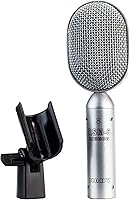
The Nady RSM-5 Ribbon Microphone is one of the few genuine ribbon mics available at an entry-level price, making it a realistic option for home studio owners and working musicians who want classic ribbon character without a serious budget commitment. Unlike the long, cylindrical body most ribbon mics carry, this compact ribbon sits noticeably shorter — a physical advantage that matters when you need precise placement on a guitar cabinet or between drum kit pieces. Ribbon technology captures sound differently than condensers or dynamics: the thin aluminum element responds to air velocity, producing a naturally warm, rounded tone with fast transient accuracy. You will need a clean, high-gain preamp to drive it properly, since the passive design outputs a low-level signal.
Features & Benefits

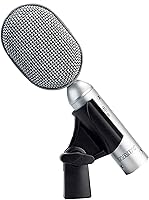
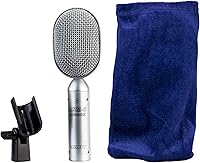
The RSM-5 uses a 45mm aluminum ribbon just two microns thick — that thinness is what gives ribbon mics their famously quick transient response and natural high-frequency roll-off. The compact body is genuinely useful in practical terms: position it at angles or distances that a larger ribbon simply cannot fit into. Headroom is a pleasant surprise, rated above 135 dB SPL, meaning it handles loud guitar cabinets without distorting. One spec worth correcting: the listing describes the polar pattern as unidirectional, but ribbon mics are inherently figure-8 by design, picking up sound from the front and rear equally. It ships with a mic clip and a soft pouch — a thoughtful inclusion at this price tier.

Best For

This ribbon mic finds its strongest footing in front of guitar amps, where its compact size allows placement in tight spots and its ribbon character naturally softens the edge of cranked speakers. Brass and string players will appreciate how it rounds off upper-mid harshness without requiring heavy EQ correction afterward. It also works well as a secondary vocal or voiceover mic when you want warmth and vintage coloring rather than clinical clarity. Percussion and room recordings are another reasonable fit, particularly for budget studios wanting sonic variety. For producers building their first mic locker, this compact ribbon offers an accessible entry point into ribbon microphone territory without a steep financial commitment.

User Feedback

Buyers consistently highlight the warm vintage character as the RSM-5's biggest strength, with many noting it sounds more expensive than its price suggests on guitar amps and brass instruments. The recurring concern is preamp dependency — thin, noisy results are common when paired with budget interfaces that lack sufficient clean gain. More critically, several users have reported permanent damage after accidentally sending 48V phantom power to the mic, which can destroy the ribbon element instantly; always double-check your interface settings before patching it in. Build quality draws mixed reactions: some find it solid for the cost, while others consider the finish merely adequate. Those recording acoustic guitar or cymbals often find the high-frequency rolloff too pronounced for those naturally bright sources.

Pros

  • Delivers genuine ribbon warmth and fast transient response at a fraction of typical ribbon mic pricing.
  • The compact body allows close-miking positions on guitar amps and cabinets that larger ribbon mics simply cannot reach.
  • Handles over 135 dB SPL, giving it surprising headroom for loud sources like cranked amplifiers.
  • Natural high-frequency roll-off tames harshness on brass and strings without any post-recording EQ work.
  • Aluminum and brass construction feels reasonably solid relative to what you pay.
  • Ships ready to use — includes a mic clip and a soft pouch so you are not hunting for accessories on day one.
  • The RSM-5 is a low-risk way to explore ribbon microphone territory before investing in a premium model.
  • Works effectively as a warm color mic paired alongside a brighter condenser for layered recording.

Cons

  • Requires a high-gain, low-noise preamp — budget USB interfaces will likely produce thin, noisy results.
  • Applying 48V phantom power even briefly can permanently destroy the ribbon element with no repair option.
  • The product listing incorrectly describes the polar pattern as unidirectional — it is actually figure-8, which affects room placement decisions significantly.
  • High-frequency response tops out around 16 kHz, making it a poor fit for sources that rely on sparkle and air.
  • Passive design means significantly lower output level than condenser or dynamic alternatives, demanding more from your signal chain.
  • Build finish quality is only adequate for the price tier — it does not inspire confidence for heavy touring or live use.
  • Not well suited as a standalone vocal mic for recording environments where clarity and presence are the priority.
  • Limited documentation and manufacturer support make troubleshooting difficult for first-time ribbon mic users.

Ratings

The Nady RSM-5 Ribbon Microphone has been scored by our AI rating system after analyzing verified global buyer reviews, with spam, bot activity, and incentivized feedback actively filtered out to ensure the scores reflect genuine user experiences. Across categories ranging from tonal character to setup complexity, both the standout strengths and the real frustrations are transparently represented. The result is an honest, nuanced picture of where this compact ribbon mic earns its place — and where it asks more from the buyer than the price tag might suggest.
Tonal Character
84%
Users consistently describe the warmth produced by the aluminum ribbon element as the mic's defining strength, with many noting it captures guitar amps and brass instruments with a vintage richness that sounds far more expensive than it is. For close-miking loud sources, the natural softening of upper-mid harshness is exactly what experienced recordists reach for.
The same warmth that flatters certain sources creates a noticeably dark top end that does not suit every recording context. Buyers expecting ribbon-style warmth alongside extended high-frequency clarity are regularly disappointed, particularly on acoustic instruments where brightness and air are essential to a natural sound.
Value for Money
78%
22%
For anyone entering ribbon microphone territory on a tight budget, the RSM-5 offers a genuine ribbon transducer at a price point where most alternatives are condensers or dynamics. Home studio producers who primarily record guitar amps or brass instruments report feeling they got far more sonic character per dollar than competing budget options.
The value equation shifts significantly once you factor in the cost of a capable preamp, which is non-negotiable for getting usable results. Buyers who already own only a basic USB interface often find they need additional gear investment before the mic performs acceptably, eroding the perceived cost advantage.
Ease of Setup
57%
43%
The physical setup is straightforward for anyone with a basic understanding of XLR signal chains — connect to a preamp, mount on a standard clip, and position it. The included mic clip removes one barrier for new users, and the compact body is easy to maneuver into recording positions.
The passive ribbon design introduces critical setup requirements that catch many buyers off guard. Achieving clean, noise-free recordings demands a preamp with substantial gain headroom, and the permanent risk of ribbon damage from accidental phantom power activation makes this a mic that punishes inattention — a real liability for beginners managing complex signal chains.
Phantom Power Safety Risk
43%
57%
For experienced recordists who habitually manage phantom power settings, the risk is entirely avoidable with standard signal chain discipline. Those who have established workflows around ribbon mics report no issues, and the passive design itself is not unusual for the ribbon microphone category.
Multiple verified buyers have reported permanent, irreparable ribbon element failure caused by accidental 48V phantom power engagement — a single moment of inattention that destroys the mic with no repair path. This is a genuine and recurring concern across user feedback, particularly for home studio users sharing interfaces across multiple microphone types.
Preamp Dependency
51%
49%
Buyers who pair the RSM-5 with a dedicated, high-quality preamp consistently report clean, quiet recordings with a strong signal level that captures the ribbon element's natural character effectively. With the right front-end gear, the mic performs well beyond what its price suggests.
Without a preamp capable of delivering at least 60 dB of clean gain, users frequently encounter an audible noise floor that renders recordings unusable or requiring heavy noise reduction in post. This dependency is the single most cited frustration in user feedback and represents a genuine hidden cost for budget-oriented buyers.
Build Quality
63%
37%
The aluminum and brass body construction gives the RSM-5 a more substantial feel than the all-plastic housings common at comparable price points. Several users note the chassis held up well over extended home studio use and light transport in the included pouch.
The surface finish and connector tolerances draw consistent criticism from buyers who handle higher-tier microphones regularly, with the overall build feel described as merely functional rather than confidence-inspiring. A few users also noted the mic clip feels flimsy relative to the mic body's weight.
High-Frequency Response
54%
46%
For sources that inherently benefit from a darker tonal balance — such as electric guitar cabinets, French horn, and cello — the natural roll-off above 16 kHz is a feature rather than a limitation, reducing the need for corrective EQ and producing a polished, studio-ready tone in fewer steps.
On acoustic guitar, cymbals, violin harmonics, and certain vocal styles, the limited high-frequency extension strips away the brightness and air that makes those sources feel alive and present. Users hoping to use this compact ribbon as an all-purpose instrument mic frequently find themselves reaching for a condenser for anything requiring sparkle.
Guitar Amp Performance
86%
Close-miking electric guitar amplifiers is where this compact ribbon consistently earns its best reviews. The smaller body allows precise speaker cone placement that larger ribbon mics physically cannot achieve, and the ribbon warmth naturally tames the harshness of high-gain amp tones without additional processing.
Results vary noticeably depending on the guitar amp's own character — on darker-voiced amplifiers, the ribbon's natural roll-off can make the combined tone feel muffled rather than warm. Positioning experimentation is essential, and users without prior ribbon mic experience report a steeper learning curve than expected.
Brass & Strings Performance
79%
21%
Trumpet, trombone, saxophone, and string instruments recorded with this compact ribbon are frequently praised for sounding smooth and naturally balanced without the harshness that condenser mics can introduce on these sources. The fast transient response captures articulation clearly while the ribbon coloration keeps the tone musical.
String instruments with a pronounced upper register — particularly violin played in high positions — can lose important harmonic detail due to the frequency ceiling. A handful of orchestral home recording users also noted that the figure-8 pattern required careful room management to avoid capturing excessive reflected sound on string sessions.
Vocal & Voiceover Use
62%
38%
As a secondary or color vocal mic, the RSM-5 adds a warm, vintage character that some voiceover artists and podcasters find more flattering than a bright condenser for certain voice types. Blended with a cleaner primary mic, it can add body and intimacy to spoken-word recordings.
As a standalone vocal mic, user feedback is mixed at best. Voices that rely on upper-midrange presence and clarity come across as dull and recessed, and the figure-8 pattern captures room reflections from behind the mic that many untreated home studio spaces cannot adequately control.
Polar Pattern Accuracy
58%
42%
The inherent figure-8 pickup pattern works well in controlled recording environments, offering effective side rejection that helps isolate a source from lateral room noise when the mic is positioned thoughtfully. Experienced recordists who understand figure-8 behavior use the rear lobe intentionally for creative stereo or room capture techniques.
The product listing's incorrect description of the polar pattern as unidirectional has led to real confusion and misuse among buyers. Several users reported unexpected room bleed and off-axis coloration before realizing the mic behaves nothing like the cardioid pattern they assumed they were purchasing.
Compact Form Factor
83%
The shorter-than-average body is a genuine practical advantage that experienced users specifically call out as a reason they chose this mic over comparable ribbon options. Fitting the mic between drum components or flush against a guitar cabinet grille without physical interference is a real benefit that affects day-to-day recording workflow.
A few users noted the compact size makes hand-positioning during placement slightly less stable than with a longer mic body, particularly when adjusting angle on a fixed clip. The size advantage is also irrelevant for studio applications that do not involve physically constrained recording positions.
Output Level
49%
51%
In well-matched signal chains with a quality preamp supplying ample clean gain, the output level is adequate for clean, professional-sounding recordings. Users who invested in a suitable front end report output levels comparable to other passive ribbon designs in the entry-to-mid price range.
The low output level is a persistent complaint for users running the mic directly into budget interfaces or mixers with limited gain headroom. Hiss, noise floor intrusion, and weak signal levels are common outcomes when the signal chain is not optimized for passive ribbon microphone use.
Included Accessories
71%
29%
Including both a mic clip and a soft storage pouch in the box is a thoughtful touch that adds genuine practical value at this price tier. New users appreciate not needing to source a compatible clip separately before their first recording session.
The soft pouch offers minimal protection against impacts during transport, and the mic clip feels lightweight relative to what users expect for a mic of this weight. A hard case or more robust clip would meaningfully improve confidence when transporting the mic to sessions outside the home studio.

Suitable for:

The Nady RSM-5 Ribbon Microphone is a smart pick for home studio producers who are curious about ribbon sound but are not ready to commit to a higher-priced professional model. Its unusually compact body makes it especially practical for guitar amp and cabinet recording, where precise, close-up placement would be awkward or impossible with a full-size ribbon. Brass and string instrument players benefit naturally from its warm tonal character, which smooths over upper-mid harshness without needing corrective EQ. Voiceover artists and podcasters who want a secondary mic with a vintage, intimate coloring will find it a reasonable addition to a basic setup. Drummers experimenting with ribbon room miking on a tight budget also have a realistic use case here, provided they have a decent preamp already in their signal chain.
Not suitable for:

The Nady RSM-5 Ribbon Microphone is a poor match for anyone whose audio interface or preamp lacks substantial clean gain, since passive ribbon mics output a weak signal that will expose every bit of preamp noise in a budget rig. Acoustic guitar players, cymbal recordists, and anyone chasing detailed high-frequency air and shimmer will likely be frustrated by this mic's natural roll-off above 16 kHz, which is a physical characteristic of the ribbon design rather than a flaw that can be easily corrected. Broadcasters or content creators who need a reliable single mic for bright, articulate spoken-word capture should look elsewhere. Most critically, this compact ribbon is completely incompatible with phantom power — accidentally engaging the 48V switch on your interface can permanently destroy the ribbon element in an instant, making it a risky choice for beginners who are unfamiliar with signal chain management. Anyone expecting professional studio build quality or the output consistency of a higher-tier ribbon will also come away disappointed.
Specifications

  • Ribbon Element: The transducer uses a 45mm aluminum ribbon that is just 2 microns thick, which is responsible for the mic's characteristically warm tone and fast transient response.
  • Max SPL: The mic handles sound pressure levels above 135 dB, giving it enough headroom to capture loud sources like cranked guitar amplifiers without distorting.
  • Frequency Response: The upper frequency limit is 16,000 Hz, reflecting the natural high-frequency roll-off that is inherent to passive ribbon microphone designs.
  • Signal-to-Noise Ratio: The signal-to-noise ratio is rated at 60 dB, which is serviceable for close-miking applications but demands a clean, low-noise preamp to avoid audible hiss.
  • Polar Pattern: Like all passive ribbon microphones, this mic captures sound in a figure-8 (bidirectional) pattern, picking up audio from the front and rear while rejecting sound from the sides.
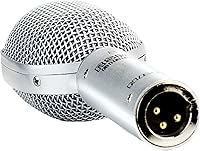
  • Connector: The mic terminates in a standard XLR Male connector, making it compatible with any balanced XLR cable and standard preamplifier inputs.
  • Power Source: The RSM-5 is a fully passive microphone requiring no power supply; importantly, applying 48V phantom power can permanently and irreparably destroy the ribbon element.
  • Body Materials: The microphone body is constructed from aluminum and brass, providing reasonable rigidity and durability relative to its entry-level price tier.
  • Dimensions: The body measures 9 x 3 x 5 inches, which is notably more compact than most full-size ribbon microphones, enabling tighter placement in constrained recording positions.
  • Weight: At 15.2 oz (0.95 lb), the mic is light enough for standard boom arm placement without requiring heavy-duty counterbalancing.
  • Channels: The RSM-5 is a mono microphone capturing a single audio channel, as is standard for individual instrument or vocal miking applications.
  • Included Accessories: The package includes a microphone clip for stand mounting and a soft pouch for storage and basic transport protection.
  • Compatibility: The mic is designed for use with standard XLR cables and preamplifiers; it is not compatible with USB interfaces unless those interfaces include a dedicated XLR preamp input with sufficient gain.
  • Manufacturer: The RSM-5 is manufactured by Nady Systems, a California-based audio equipment company with a long history of producing budget-accessible microphones and wireless systems.
  • Model Number: The official model number is RSM-5, which is useful for cross-referencing compatible accessories, replacement parts, or manufacturer documentation.
  • Availability Date: This model was first made available in February 2006, indicating a long production run that speaks to its continued demand in the entry-level ribbon mic market.

Related Reviews
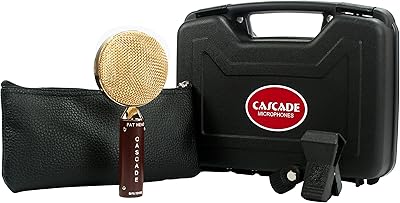
Cascade Microphones FAT HEAD Ribbon Microphone
81%
88%
Sound Character
82%
Build Quality
91%
Value for Money
63%
Preamp Compatibility
84%
Polar Pattern Accuracy
More
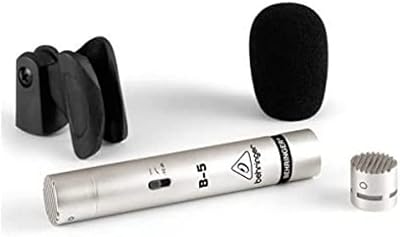
Behringer B-5 Microphone
81%
87%
Sound Quality
90%
Build Quality
92%
Value for Money
80%
Ease of Setup
85%
Versatility
More
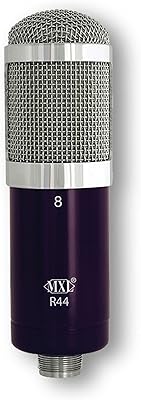
MXL R144
MXL R144
77%
93%
Value for Money
88%
Midrange Response
84%
Build Quality
41%
Input Sensitivity
91%
Aesthetic Design
More
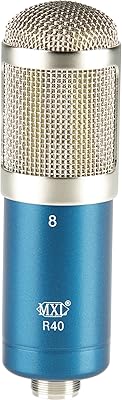
MXL R40 Ribbon Microphone
67%
88%
Tonal Character
81%
Build Quality
53%
Preamp Compatibility
44%
Phantom Power Safety Risk
76%
Polar Pattern Versatility
More
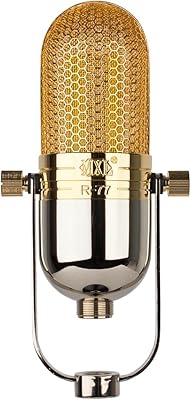
MXL R77 Ribbon Microphone
77%
88%
Sound Character
61%
Preamp Compatibility
83%
Build Quality
86%
Polar Pattern Utility
67%
Ease of Setup
More
AEA R84 Passive Ribbon Microphone
81%
96%
Tonal Character
91%
Build Quality
58%
Preamp Dependency
62%
Ribbon Element Durability
84%
Polar Pattern Versatility
More
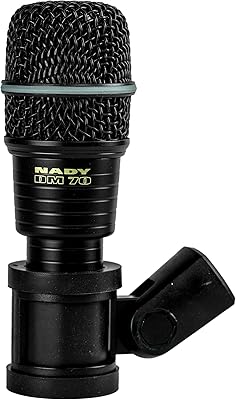
Nady DM-70
Nady DM-70
85%
92%
Build Quality
94%
Value for Money
89%
High SPL Handling
81%
Transient Response
86%
Isolation & Feedback Rejection
More
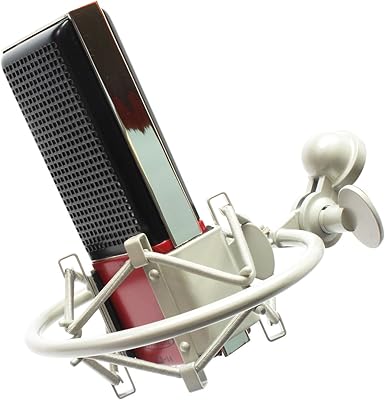
Beyerdynamic M160 Double Ribbon Microphone
81%
93%
Sound Character
88%
Build Quality
91%
Polar Pattern Performance
54%
Preamp Dependency
86%
Transient Response
More
Avantone CR-14 Ribbon Microphone
74%
91%
Tonal Character
88%
Value for Money
54%
Preamp Compatibility
83%
Build Quality
62%
Ribbon Durability
More
Royer Labs R-121 Ribbon Microphone
78%
94%
Tonal Character
88%
Build Quality
91%
High SPL Handling
52%
Gain Requirements
83%
Noise Floor
More

FAQ

No — and this is actually a critical point. The Nady RSM-5 Ribbon Microphone is a passive mic that requires zero power to operate. More importantly, you must never engage the 48V phantom power switch on your interface or preamp while this mic is connected, as it can instantly and permanently destroy the delicate ribbon element. Always double-check your phantom power setting before plugging in.

It depends almost entirely on how much clean gain your interface can provide. Passive ribbon mics output a very low signal level, so if your interface preamp is noisy or lacks sufficient headroom, you will hear the preamp noise floor clearly in your recordings. Interfaces with at least 60 dB of clean gain work much better; a dedicated preamp between the mic and the interface is worth considering if you are running into thin or hissy results.

That listing detail is inaccurate. All passive ribbon microphones, including this one, produce a figure-8 (bidirectional) polar pattern by the physics of how the ribbon element works — it picks up sound equally from the front and rear while rejecting sound from the sides. Keep that in mind when positioning it, because whatever is behind the mic will also be captured.

Yes, within realistic expectations. The RSM-5 gives you genuine ribbon tone at a price point where most alternatives are condensers or dynamics, so it is a low-risk way to hear what ribbon character actually sounds like in your recordings. Just make sure your preamp can handle the low output level, and keep phantom power off at all times.

It is actually one of the strongest use cases for this compact ribbon. The smaller body lets you get the mic into positions close to a cab speaker that a full-size ribbon simply cannot physically reach. The ribbon character naturally softens the harshness that condensers can sometimes emphasize on cranked amps, and the high SPL handling means it will not break up on loud sources.

You can, though it works better as a secondary or color mic than a primary vocal mic. The high-frequency roll-off gives voices a warm, vintage quality that some find very appealing, but those who need crisp, present, broadcast-style clarity will likely find it too dark. Paired alongside a brighter condenser, it can add an interesting textural layer.

Ribbon mics in general require more careful handling than dynamics or condensers, and the RSM-5 is no exception. Avoid pointing it at high-velocity air sources like open windows, fans, or loud blasts of breath without a pop filter. Dropping it or storing it face-down can also damage the ribbon over time. The included pouch helps during transport, but treat it with care.

Potentially, yes. The rear lobe picks up whatever is behind the mic — room reflections, computer fans, air conditioning — so room treatment and careful positioning matter more with this mic than with a cardioid. Placing it close to the source and pointing the sides of the mic (the null zones) toward noise sources in the room will help keep the recording clean.

Honestly, it is not the strongest fit for those sources. The natural high-frequency limit means you will lose some of the pick attack and string shimmer that makes acoustic guitar recordings feel alive and detailed. Some players like the vintage, darker sound for certain styles, but if you need accurate brightness and air, a small-diaphragm condenser is likely a better tool for acoustic guitar.

It includes a mic clip and a soft pouch, so the basic essentials are covered. You will still need an XLR cable, a preamplifier or interface with an XLR input and adequate gain, and a mic stand. If you plan to record vocals, a pop filter is worth adding as well since the ribbon element is sensitive to direct bursts of air.

Where to Buy

B&H Photo-Video-Audio
In stock $99.99
Nady Systems
In stock $109.99