Overview

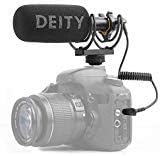
The Deity V-Mic D3 Shotgun Microphone is a compact, run-and-gun audio solution built for videographers who want a serious upgrade without spending a fortune. It connects via a standard 3.5mm jack, making it compatible with DSLRs, mirrorless cameras, smartphones, and handy recorders right out of the box. The metal body feels noticeably solid — not the hollow plastic you might expect at this price tier. It ships with a Rycote Lyre shockmount and a PERGEAR windscreen cloth, which is a genuinely thoughtful bundle. Power comes from a single AAA battery, and the mic draws so little current that one cell tends to last through many shooting sessions before needing a swap.

Features & Benefits

The super-cardioid polar pattern is the real workhorse here — it focuses tightly on what is in front of the mic while pushing away room noise and off-axis distractions, which makes a noticeable difference when recording dialogue in less-than-perfect environments. The 75 dB signal-to-noise ratio keeps self-noise low enough for indoor talking-head videos and sit-down interviews. Frequency response runs the full 20 Hz to 20 kHz range, so voices sound natural and not artificially scooped. The included Rycote Lyre mount does a better job absorbing footstep and handling vibration than elastic-band alternatives. There is no phantom power required — plug in and record, which keeps the workflow simple for anyone just starting out.

Best For

This on-camera microphone is a natural fit for solo YouTube creators and vloggers who shoot on a DSLR or mirrorless camera and need clean audio without adding a separate recorder to their kit. Journalists doing field work will appreciate how light and compact it is — it disappears into a bag and is ready in seconds. It also works well for podcasters or interviewers recording directly into a laptop or tablet, skipping the need for an audio interface entirely. Travel filmmakers running lean setups will find the size-to-quality ratio hard to argue with. If you have been relying on built-in camera audio and are ready to take a step up, this is a logical and accessible first move.

User Feedback

Across hundreds of reviews, the most consistent praise centers on how much of a difference the V-Mic D3 makes compared to a camera's built-in microphone — buyers describe it as an eye-opening jump in audio clarity. The bundled Rycote shockmount gets frequent shout-outs as a genuine value-add rather than a throwaway accessory. On the critical side, outdoor shooters regularly flag that the mic is noticeably sensitive to wind; the included cloth screen handles a light breeze, but anything gusty calls for a proper deadcat. A handful of users also mention that output levels run slightly hot on certain camera bodies, requiring some gain adjustment before the first take. Minor complaints overall — most of the negative notes are situational rather than deal-breakers.

Pros

  • Dialogue clarity is noticeably cleaner than built-in camera microphones right from the first recording.
  • The included Rycote Lyre shockmount is a premium accessory that most competitors bundle with cheaper alternatives.
  • Super-cardioid pattern does a solid job rejecting ambient room noise during indoor sit-down recordings.
  • Plug-and-play 3.5mm connection works with a wide range of cameras, phones, recorders, and laptops without adapters.
  • Metal body construction feels durable and does not rattle or flex when handled on location.
  • A single AAA battery lasts through many shooting sessions, making power management a non-issue on most trips.
  • Low self-noise keeps background hiss under control in quiet interview and voiceover setups.
  • Compact and lightweight enough to fit in any camera bag without adding noticeable bulk.
  • Full 20 Hz to 20 kHz frequency response means voices and ambient sound reproduce naturally without artificial coloration.

Cons

  • Wind sensitivity is a real limitation outdoors — the cloth windscreen is not enough for anything beyond a calm day.
  • Output levels can run hot on certain camera bodies, requiring manual gain tweaking before each new shooting environment.
  • No low-cut filter or gain pad switch means you cannot adjust the signal chain without going into camera settings.
  • Mono-only output is a constraint for any workflow that benefits from stereo room capture.
  • No built-in headphone monitoring, so you cannot verify your audio signal without a separate device in the chain.
  • The 3.5mm connector requires additional adapters for cameras with proprietary or XLR-only inputs, adding cost and fragility.
  • Included windscreen cloth is adequate for light indoor drafts only — a quality deadcat must be purchased separately for outdoor work.
  • At heavier shooting volumes, the lack of a high-pass filter means low-frequency rumble from traffic or HVAC can creep into recordings.

Ratings

The Deity V-Mic D3 Shotgun Microphone has been evaluated by our AI rating system after analyzing verified purchase reviews from buyers worldwide, with spam, bot activity, and incentivized feedback actively filtered out before scoring. The scores below reflect both the genuine strengths that keep this on-camera microphone consistently well-regarded and the real frustrations that surface across different shooting scenarios and device setups. Nothing has been softened or inflated — what you see is an honest picture of how the V-Mic D3 performs in the hands of actual users.

Audio Clarity
83%
For its price tier, the audio clarity this shotgun mic delivers repeatedly surprises first-time buyers. Dialogue recorded in a quiet room comes across as clean, focused, and natural — a dramatic step up from the muffled, room-heavy sound of built-in camera microphones that most content creators start with.
Clarity does drop noticeably in reverberant or acoustically untreated spaces, where the super-cardioid pattern picks up room reflections. It is a capable but not exceptional performer — seasoned audio engineers will hear the ceiling of its quality range fairly quickly.
Wind Rejection
46%
54%
In calm indoor environments or near-still outdoor conditions, the included PERGEAR cloth windscreen is adequate and keeps low-level handling rustle from muddying the audio. Users shooting controlled indoor interviews rarely flag wind as a concern at all.
Any meaningful breeze renders recordings unusable without an aftermarket fur windscreen. Outdoor shooters consistently call this out as the mic's biggest real-world limitation, and the bundled cloth screen gives a false sense of security for anyone planning to shoot outside regularly.
Build Quality
86%
The all-metal body is one of the most praised physical attributes across user reviews. Buyers comment on how solid and professional it feels compared to plastic-chassis competitors at a similar price, and it handles the knocks of being tossed in a camera bag without showing wear.
While the metal body is durable, a few users note that the finish can show fine scratches after extended use. The overall fit of accessories like the shockmount feels well-engineered, but minor tolerances in the cold shoe attachment have been flagged by a handful of reviewers.
Value for Money
91%
The bundled Rycote Lyre shockmount alone justifies a significant portion of the asking price — it is an accessory that competing mics charge extra for or skip entirely. Buyers consistently feel the overall package punches above its price bracket when the full kit value is considered.
If you factor in the near-mandatory purchase of a proper outdoor windscreen and potentially a TRS-to-TRRS adapter for smartphone use, the effective cost rises meaningfully. Budget-conscious buyers should account for those add-ons before assuming the box price is the all-in cost.
Ease of Setup
89%
Plug-and-play operation with no phantom power, no drivers, and no pairing process makes this on-camera microphone accessible even to complete beginners. Mount it, plug in the 3.5mm cable, and you are recording — most users report being fully set up within two minutes of opening the box.
Users with newer iPhones or USB-C Android devices face an extra adapter step that is not included and not always obvious from the packaging. Gaining confidence with the right cable configuration for a specific device setup can take a small amount of troubleshooting for non-technical buyers.
Noise Rejection
78%
22%
The super-cardioid polar pattern does a commendable job of pushing away ambient room noise and off-axis sounds during indoor recordings. Buyers shooting sit-down interviews or desk-based content consistently note that unwanted background noise stays well under control compared to omnidirectional alternatives.
The pattern's narrow focus means any subject movement off-axis results in audible tonal shifts and reduced presence. In dynamic shooting scenarios where the speaker moves around, maintaining consistent noise rejection requires conscious mic positioning throughout the shoot.
Handling Noise
77%
23%
The Rycote Lyre shockmount absorbs camera body vibrations and minor handling bumps better than the elastic mounts typically bundled at this price point. Users who mount it on a DSLR and shoot while walking report noticeably less transmitted vibration compared to direct-mount alternatives.
Fast-paced movement, running shots, or mounting on a gimbal with motor vibration can still bleed through the isolation. The shockmount handles moderate vibration well but is not a substitute for boom pole suspension rigging in high-movement production scenarios.
Device Compatibility
81%
19%
The breadth of compatible devices is genuinely impressive and a frequently cited positive — it works across DSLRs, mirrorless cameras, Zoom recorders, laptops, and a wide range of Android and older iOS devices without extra steps. Deity's published compatibility list is detailed enough that buyers can verify their specific gear before purchasing.
Newer smartphones without a headphone jack require separate adapters, and some professional cinema cameras need additional hardware to accept a 3.5mm signal. A small subset of specific camera models are listed as fully incompatible, so checking the compatibility list before buying is essential rather than optional.
Battery Life
84%
Running on a single AAA battery with a conservative power draw, the V-Mic D3 comfortably gets most users through multiple full shooting days before needing a replacement. The low power demand means keeping a spare AAA in your bag is a realistic backup plan rather than a logistical concern.
There is no battery indicator or low-power warning on the mic itself, so you will not know a battery is dying until audio quality degrades mid-shoot. For high-volume shooting schedules, establishing a regular battery replacement routine is smarter than relying on the cell until it fails.
Portability
92%
The compact form factor and low packaged weight make this shotgun mic genuinely easy to carry everywhere. Travel filmmakers and journalists who pack light consistently highlight how little space it takes up in a camera bag, particularly when paired with a small mirrorless body.
The shockmount adds some height to the overall camera rig profile, which can make fitting the full setup into tighter bag compartments slightly awkward. Users with very compact mirrorless setups occasionally note that the mounted mic changes the balance of a small body noticeably.
Self-Noise
76%
24%
At 75 dB SNR, the self-noise level is low enough to keep background hiss out of typical indoor recording environments. Buyers recording voiceovers or desk-based interviews in reasonably quiet rooms report clean, hiss-free results without any post-processing noise reduction needed.
On camera bodies with aggressive preamps, the interaction between the mic output level and the camera gain stage can introduce audible noise. Users recording with entry-level mirrorless cameras that lack gain trim controls have occasionally reported needing to accept some noise floor as a trade-off.
Frequency Response
79%
21%
The full 20 Hz to 20 kHz response range reproduces voices with natural warmth and presence, without the harsh or tinny character that affects cheaper microphone capsules. Buyers recording spoken word content specifically appreciate that the output does not need heavy EQ correction in post.
There is no built-in high-pass filter to roll off low-frequency rumble from traffic, HVAC systems, or floor vibration, which means problematic environments can introduce a low-end muddiness that requires post-processing to clean up. A hardware filter switch would have been a meaningful addition.
Accessories Included
88%
The combination of a genuine Rycote Lyre shockmount and a cloth windscreen in a single kit is genuinely above average for this category. Most buyers agree that the accessories feel like intentional, useful inclusions rather than afterthoughts added to inflate the perceived package value.
A more capable fur windscreen for outdoor use and a quality 3.5mm TRS cable would have made the bundle truly complete. As it stands, outdoor shooters and smartphone users will almost certainly need to make additional purchases before the kit is fully functional for their use case.

Suitable for:

The Deity V-Mic D3 Shotgun Microphone is an ideal pick for solo content creators, vloggers, and indie filmmakers who shoot primarily indoors or in controlled environments and want a meaningful audio upgrade without investing in a full recorder-and-mic rig. If you are mounting a mic directly to a DSLR, mirrorless camera, or even a smartphone and need something that just works out of the box, this on-camera microphone checks nearly every practical box. Journalists doing run-and-gun interviews, educators recording course content at a desk, and travel filmmakers keeping their kit minimal will all find it a natural fit. The plug-and-play 3.5mm connection and broad device compatibility mean there is very little friction between unboxing and your first usable recording. For anyone currently relying on built-in camera audio, the jump in dialogue clarity this shotgun mic delivers will feel immediately worthwhile.

Not suitable for:

The Deity V-Mic D3 Shotgun Microphone is not the right tool for shooters who work predominantly outdoors or in unpredictable wind conditions — the included windscreen only handles the lightest of breezes, and anything stronger will audibly contaminate your recording. Professional film and broadcast productions that require XLR connectivity, higher dynamic range, or studio-grade self-noise specs will quickly find the limitations of a battery-powered 3.5mm mic at this price tier. If your camera body tends to run hot preamps, you may spend time wrestling with gain settings before you find a clean level, which is a friction point that more experienced users will notice. Podcasters who record in acoustically untreated rooms should also know that a super-cardioid pattern is unforgiving about room reflections hitting from the rear and sides — room treatment matters here just as much as the mic itself. This on-camera microphone is a strong entry-level to mid-range option, but it is not a substitute for a proper boom setup on a serious narrative production.

Specifications

  • Polar Pattern: Super-cardioid directional pattern tightly focuses pickup on the front source while rejecting most off-axis and rear noise.
  • Connector: 3.5mm TRS jack provides broad plug-and-play compatibility with cameras, smartphones, tablets, and handy recorders.
  • Frequency Response: Full 20 Hz to 20 kHz response range captures the complete audible spectrum for natural-sounding voice and ambient audio.
  • Signal-to-Noise Ratio: 75 dB SNR delivers low self-noise performance suitable for quiet indoor dialogue, interviews, and narration recordings.
  • Audio Sensitivity: Sensitivity is rated at 75 dB, providing a strong output signal when positioned correctly on or near the camera.
  • Power Source: Operates on a single AAA battery with no phantom power required, making it compatible with cameras that lack phantom power output.
  • Body Material: Full metal construction provides durability and resistance to minor knocks and handling stress during location shooting.
  • Channels: Mono single-channel output is standard for this mic, suited to dialogue, narration, and on-camera interview recording.
  • Shockmount: Rycote Lyre shockmount is included and isolates the mic from handling vibration more effectively than standard elastic designs.
  • Windscreen: PERGEAR cloth windscreen is included in the box and provides basic protection against light indoor drafts and minimal outdoor breeze.
  • Compatible Devices: Works with DSLRs, mirrorless cameras, smartphones, tablets, laptop computers, handy recorders, and select bodypack transmitters via 3.5mm input.
  • Package Weight: Complete packaged weight is 9.6 ounces, keeping the overall kit light enough for travel and run-and-gun shooting scenarios.
  • Package Dimensions: Box measures 9.84 x 5.16 x 3.98 inches, compact enough to fit alongside other gear in a standard camera bag.
  • Model Number: Official model designation is V-Mic D3, manufactured by Deity and first made available in October 2018.
  • In the Box: Package includes the microphone body, a Rycote Lyre shockmount, a PERGEAR cloth windscreen, and one AAA battery.

Related Reviews
Deity V-Mic D4 Mini Video Microphone
86%
88%
Sound Quality
95%
Portability & Size
90%
Ease of Use
72%
Wind Protection
92%
Value for Money
More
Deity S-Mic 2 Shotgun Condenser Microphone
78%
88%
Audio Clarity
84%
Off-Axis Rejection
67%
Build Quality
86%
Value for Money
83%
Included Accessories
More
Deity D4 Duo Dual-Capsule Shotgun Microphone
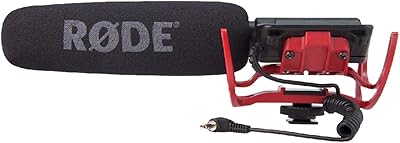
77%
83%
Audio Quality (Front)
54%
Audio Quality (Rear)
81%
Build Quality
88%
Ease of Use
93%
Portability & Size
More
Rode VideoMic with Rycote Lyre
83%
92%
Vocal Clarity
94%
Vibration Isolation
89%
Build Durability
91%
Ease of Use
58%
Power Management
More
Pixel M80 Shotgun Microphone
74%
74%
Audio Clarity
71%
Noise Rejection
38%
Wind Resistance
67%
Build Quality
83%
Value for Money
More
Comica VM20
Comica VM20
81%
83%
Audio Clarity
78%
Noise Rejection
88%
Build Quality
81%
Low-Cut Filter Performance
76%
Gain Control
More
Saramonic VMICMINI Mini Shotgun Microphone
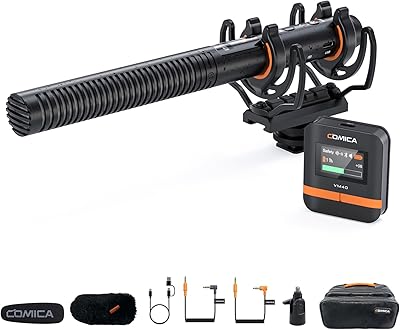
76%
72%
Audio Quality
94%
Ease of Use
83%
Build Quality
88%
Value for Money
86%
Device Compatibility
More
Comica VM40
Comica VM40
83%
88%
Audio Quality
93%
32-Bit Float Recording
82%
Wireless Performance
91%
Onboard Backup Recording
89%
Build Quality
More
Sennheiser MKE 400 Shotgun Microphone
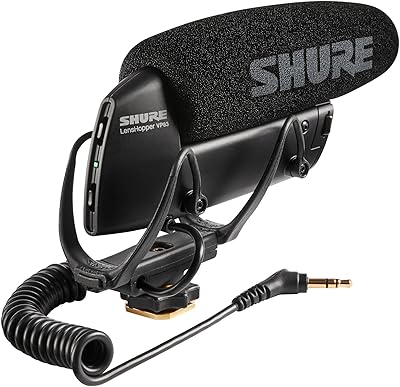
78%
78%
Audio Quality
91%
Build Quality
52%
Wind Noise Rejection
94%
Battery Life
67%
Value for Money
More
Shure VP83 LensHopper Shotgun Microphone
87%
94%
Audio Quality
92%
Battery Life
88%
Build Quality
89%
Ease of Use
90%
Portability
More

FAQ

It works with older iPhones that have a 3.5mm headphone jack, such as the iPhone 6 through iPhone 7 series. For iPhone 8, X, and newer models that removed the headphone port, you will need an Apple Lightning-to-headphone adapter, which is sold separately. Just make sure you are using a proper TRS-to-TRRS cable or adapter depending on your phone model.

A single AAA battery is included in the box, so you can start recording immediately. In practical terms, a fresh AAA tends to last many hours of continuous use — most shooters report getting through several full shooting days before needing a replacement, though that varies with usage patterns.

The included Rycote Lyre shockmount does a solid job absorbing vibration from bumps and light handling, which is one of the standout inclusions at this price point. It is noticeably better than the elastic-band mounts you often see bundled with other mics. That said, no shockmount eliminates every vibration, so walking quickly while recording handheld will still introduce some noise.

It handles calm outdoor conditions reasonably well, but wind is its weak point. The cloth windscreen that comes in the box is really only sufficient for very light indoor drafts or a near-still day outside. If you plan to shoot outdoors regularly, budget for a proper fur windscreen — often called a deadcat — as an add-on purchase.

Some users have reported that the output level runs slightly hot on certain camera bodies, which can push noisy preamps into audible hiss territory. The fix is usually to dial your camera gain down before recording and do a short test clip first. It is not a dealbreaker, but it does mean you should not just set and forget — a quick level check before each shoot is good practice.

Yes, it works with laptops that have a 3.5mm microphone input. Keep in mind that many modern laptops have a combo headset jack rather than a dedicated mic input, so you may need a TRS-to-TRRS adapter to get a clean signal. It is a capable option for a simple desk recording setup without needing an audio interface.

The difference is genuinely significant. Built-in camera microphones sit inside the camera body and pick up motor noise, autofocus sounds, and a wide wash of room noise. This on-camera microphone isolates your subject, rejects ambient sound from the sides and rear, and has much lower self-noise — most first-time users are surprised by how much cleaner their audio sounds immediately.

Yes, the V-Mic D3 is compatible with Zoom recorders that have a standard 3.5mm TRS input, which covers popular models like the H1n, H2n, and H4n. Just make sure the recorder is set to accept an external mic input rather than its built-in capsules, and set your gain carefully since handy recorders vary in preamp quality.

The all-metal construction is one of the things buyers consistently mention positively. It feels noticeably more solid than plastic-bodied competitors, resists the usual scuffs and knocks of bag-and-camera life, and does not flex or rattle. It is not indestructible, but it is well-built for its class.

A standard cardioid pattern has a relatively wide pickup zone in front of the mic, while a super-cardioid narrows that zone further and pushes rejection even deeper to the sides. For video work, that narrower pattern means the mic focuses more precisely on whoever is speaking in front of the camera and does a better job ignoring room noise or crowd sounds from the periphery. The trade-off is that it is slightly less forgiving if your subject moves off-axis.