Overview

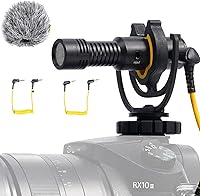
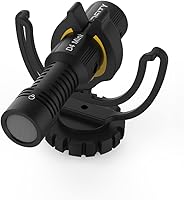
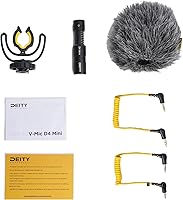
The Deity V-Mic D4 Mini Shotgun Microphone sits in a crowded sub-$50 on-camera segment, but Deity has built a reputation for audio gear that quietly outperforms its price tier — and this compact shotgun mic is no exception. The design philosophy is refreshingly simple: no batteries needed, no fuss. It draws plug-in power directly from your camera or phone's 3.5mm jack, which means one fewer thing to charge before a shoot. The aluminum body keeps weight at just 40 grams, and the box includes both a TRS and a TRRS cable — a small detail that signals Deity actually thought about how real people use this mic across different devices.

Features & Benefits

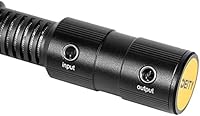
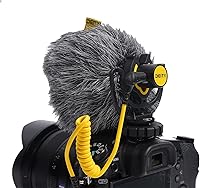
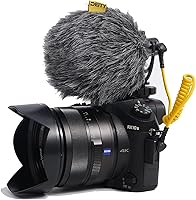
The D4 Mini's supercardioid polar pattern does the heavy lifting sonically — it focuses tightly on what's in front of the mic and pushes background noise to the sides and rear, which matters a lot when you're shooting in a coffee shop or on a busy street. The frequency response covers 20Hz to 20kHz, capturing natural voice tones without artificial coloring. That 3.5mm AUX input is a standout feature: plug in a lavalier or wireless receiver and the signal routes cleanly to your camera's right channel, no splitter required. The included faux fur windscreen handles moderate outdoor breezes reasonably well, though it's not bulletproof in genuinely gusty conditions. At 40 grams, it barely registers on a cold shoe.

Best For

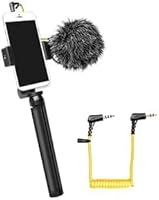
This on-camera microphone is a natural fit for solo vloggers who shoot on DSLRs, mirrorless bodies, or pocket cameras and don't want to babysit batteries in the field. Smartphone creators get a genuine upgrade here too — the included TRRS cable connects directly to Android devices, and iPhone users can adapt through a standard headphone-to-lightning dongle without any drama. The AUX input makes it a practical choice for simple one-person interview setups as well. Travelers will appreciate the minimal footprint — the whole kit packs small and fast. If you're moving up from your phone's built-in mic for the first time, this is a sensible starting point that won't lock you into a complicated audio workflow.

User Feedback

Across more than 500 ratings, the D4 Mini holds a 4.4-star average — and reading through the comments, the satisfaction looks genuine. Voice clarity comes up repeatedly as a noticeable step above built-in camera audio, which is exactly what buyers in this category are after, and the dual-cable bundle earns consistent appreciation for being a thoughtful inclusion. Where things get nuanced: some users with older DSLRs report the output level running a bit quiet, requiring more preamp gain than expected — worth knowing if your camera has noisy electronics. A handful of reviewers also noted the shockmount fit can vary by hot shoe brand. Neither issue is a dealbreaker, but both are real considerations.

Pros

  • No batteries required — plug-in power from your camera or phone jack keeps things simple in the field.
  • The supercardioid pickup pattern does a solid job rejecting off-axis noise in busy environments.
  • Both a TRS and TRRS cable are included, so camera and smartphone users are covered right out of the box.
  • The 3.5mm AUX input lets you add a lavalier mic without any extra splitter cables or adapters.
  • At 40 grams, it adds virtually no weight to a mirrorless or pocket camera setup.
  • The aluminum build feels sturdy and well-made for the price tier.
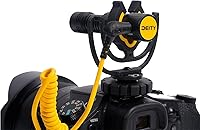
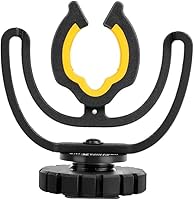
  • The included Rycote-style shockmount reduces handling noise noticeably when shooting handheld.
  • Ranked in the top 200 of Professional Video Microphones on Amazon, with consistent buyer satisfaction across 500-plus ratings.
  • The faux fur windscreen is a practical inclusion for outdoor shooting in light to moderate wind.

Cons

  • Output level can run quiet on older DSLR camera bodies, sometimes requiring aggressive gain adjustments.
  • Pushing gain on cameras with noisy preamps to compensate for low output can introduce audible hiss.
  • The shockmount fit is inconsistent across different camera hot shoe brands — some users report a loose or imperfect mount.
  • Wind protection has real limits; sustained or strong gusts will still bleed through the faux fur windscreen.
  • iPhone users need a separate headphone-to-lightning dongle, which is not included in the box.
  • The AUX input only routes to the right audio channel, which may require post-production adjustments in your editing software.
  • Not compatible with phantom-powered XLR setups, limiting use with professional audio interfaces or mixers.
  • The supercardioid pattern is tight — improper aiming relative to your subject will result in noticeably thinner audio.

Ratings

The scores below reflect our AI-driven analysis of verified global buyer reviews for the Deity V-Mic D4 Mini Shotgun Microphone, with automated filtering applied to remove incentivized, repeated, and bot-generated submissions. We weighed both the consistent praise and the recurring frustrations equally, so what you see here is an honest picture — strengths and shortcomings included — drawn from real-world shooting scenarios across hundreds of independent users.

Audio Clarity
86%
The jump in clarity compared to built-in camera microphones is the single most praised aspect across buyer feedback. Vloggers shooting street content, interviews, or talking-head videos consistently describe voices as noticeably cleaner and more focused, with background noise pushed well to the sides.
A subset of users shooting in acoustically reflective spaces — tiled rooms, small offices — note some harshness in the upper midrange at close range. It is not a deal-breaker, but it does mean this on-camera microphone rewards thoughtful placement over careless mounting.
Value for Money
91%
At its price point, buyers repeatedly express surprise at how complete the package feels — dual cables, a shockmount, and a windscreen included without cutting corners on the capsule itself. Competing mics at this tier often ship with just a cable and a foam cover, making the D4 Mini feel notably generous.
A small number of buyers who came expecting near-broadcast performance were disappointed, which reflects a mismatch in expectations rather than a product failure. Users who treated it as a vlogging and run-and-gun tool almost universally felt it delivered strong returns.
Ease of Setup
93%
Plug-in power means there is genuinely nothing to configure before shooting — no batteries to insert, no power switch to toggle, no pairing process. Buyers who transition from complicated audio rigs frequently mention how liberating it is to just mount, plug in, and go.
iPhone users need to source an additional headphone-to-lightning adapter separately, which adds a small friction point that some first-time buyers did not anticipate. It is a one-time inconvenience, but it does mean the out-of-box experience is not completely frictionless for Apple mobile users.
Output Level
61%
39%
On modern mirrorless cameras and recent DSLR bodies with cleaner preamps, the output level is adequate and the signal-to-noise ratio holds up well enough for standard vlogging and interview use without heavy post-processing.
This is the most consistently reported pain point: users with older DSLR bodies frequently have to push their camera preamp gain uncomfortably high to get a usable signal level, and that introduces audible hiss. It is a real limitation that narrows the mic's compatibility with legacy camera hardware.
Build Quality
83%
The aluminum housing feels solid and purposeful in hand — nothing flexes, rattles, or feels hollow. Travel creators who throw their kit into a bag daily have noted the mic holds up well to the minor knocks and vibrations of being on the move.
The overall build, while sturdy, does not feel premium in the way a higher-tier mic might. A few buyers noted the body picks up fingerprints and minor surface marks easily, which is largely cosmetic but does affect the perceived quality during close inspection.
Wind Noise Rejection
72%
28%
For shooting in parks, light urban environments, or casual outdoor settings, the faux fur windscreen does a credible job of softening wind interference. Buyers who shoot walking vlogs or outdoor interviews in mild conditions report genuinely usable audio without constant wind rumble.
In sustained or gusty wind conditions — beachfront, rooftop, or open field shooting — the windscreen reaches its limits fairly quickly. Users expecting full wind rejection in challenging environments will need to invest in an additional aftermarket blimp or deadcat windshield.
Shockmount Performance
74%
26%
The Rycote-style shockmount does a solid job absorbing handling vibration when shooting handheld, which is its primary purpose for run-and-gun video work. Buyers who record while walking or holding the camera loosely notice a meaningful reduction in low-frequency thumps and rumbles.
The mount fit is inconsistent across different camera brands — some users report a slightly loose connection on certain hot shoe designs that can shift during handheld shooting. It is not universal, but it does come up frequently enough in feedback to be worth noting.
AUX Input Utility
88%
The 3.5mm AUX input is one of the D4 Mini's most distinctive features and buyers who use it regularly — plugging in a clip-on lav for interview work — consistently call it out as a smart, practical design decision. Eliminating the need for a splitter cable genuinely simplifies single-operator shooting setups.
The AUX signal routes only to the right audio channel, which means editors need to split and manage channels in post-production. For buyers new to dual-channel audio workflows, this can be an unexpected learning curve that adds time in the edit.
Device Compatibility
79%
21%
The dual-cable bundle — TRS for cameras and TRRS for smartphones — means this compact shotgun mic covers a genuinely wide range of devices without any additional purchases for most Android and modern camera users. Buyers appreciate not having to research cable compatibility before their first shoot.
iPhone compatibility requires a third-party adapter that is not included, and users of cameras lacking a dedicated microphone input are out of luck entirely. The operating voltage range of 1–5V also means it will not function with devices that do not supply plug-in power through their audio jack.
Noise Rejection
81%
19%
The supercardioid pattern does a reliable job of keeping environmental clutter — traffic, ambient crowd noise, air conditioning hum — from overwhelming the primary subject voice in typical shooting scenarios. Users recording in cafes or busy public spaces call out this directional focus as a meaningful practical advantage.
The tight pickup angle demands accurate aiming at the subject, and users who mount the mic and then pan the camera widely will notice off-axis audio thinning out quickly. It is not a flaw per se, but it does require more deliberate mic placement discipline than a wider cardioid pattern would.
Portability
94%
At 40 grams, the D4 Mini barely registers as an addition to any camera kit. Travel content creators and minimalist shooters consistently highlight the compact footprint as a deciding factor, noting it fits into small pouches alongside their camera without adding noticeable bulk or weight.
The very small form factor means the mic body offers fewer mounting and placement options compared to longer shotgun designs. Users who need a more adjustable aiming position for off-camera or boom applications will find the compact size works against them in those specific scenarios.
Frequency Response
77%
23%
The 20Hz–20kHz response captures natural voice tones with decent fidelity for a passive plug-in-powered capsule. Buyers use it to record everything from soft-spoken product reviews to louder street interviews, and the mid-range clarity in particular gets consistent positive mentions.
Critical listeners note a slight boost in the upper midrange that can make sibilant sounds — the S and T consonants — come across as slightly edgy in uncontrolled acoustic environments. It is subtle, and most casual viewers will never notice, but audio purists working on polished productions may want to apply a small de-essing pass in post.
Cable Quality
68%
32%
Having both a TRS and TRRS cable in the box is a genuinely thoughtful inclusion that most competing mics at this tier skip. Buyers appreciate not having to order a separate cable the moment they want to switch between their camera and their phone.
The cables themselves are functional but not particularly robust — a handful of users reported fraying or connector looseness after extended regular use, particularly with the TRRS cable used with smartphones. They do the job out of the box, but heavy users may want to keep a backup cable on hand over time.
Handling Noise
71%
29%
With the shockmount in place, the D4 Mini handles everyday camera operation — pressing record, adjusting focus rings, light handheld movement — without introducing distracting low-frequency thumps into the recording. For single-operator shoots, this is a meaningful quality-of-life benefit.
Direct physical contact with the microphone body itself — accidentally brushing the cable or knocking the housing — does transmit audibly into the recording, particularly on cameras with sensitive preamps. Users who frequently adjust their camera grip mid-shot will benefit from developing the habit of keeping hands clear of the mic and cable.

Suitable for:

The Deity V-Mic D4 Mini Shotgun Microphone is a strong pick for anyone who shoots video on the go and wants a meaningful audio upgrade without building out a complex rig. Solo vloggers using DSLRs, mirrorless bodies, or pocket cameras will find it slots naturally into their workflow — mount it, plug it in, and start shooting. Smartphone creators are well-served too, since the included TRRS cable connects directly to most Android devices, and iPhone users can get it working with a standard headphone-to-lightning dongle. The built-in AUX input is a genuine differentiator for anyone who occasionally wants to add a clip-on lav mic for interviews, since it routes that signal to a separate channel without any extra adapters. Travel content creators especially will appreciate that the entire kit — shockmount, windscreen, and both cables — packs into a small pouch and adds almost nothing to a bag.

Not suitable for:

If your work demands broadcast-quality or studio-grade audio, the Deity V-Mic D4 Mini Shotgun Microphone is simply not in that conversation — and it was never designed to be. Podcasters, voice-over artists, or anyone recording in a controlled environment will get far better results from a dedicated USB or XLR condenser microphone. Users with older DSLR bodies should also be cautious: several real-world buyers report that the output level runs noticeably quiet on vintage camera preamps, which can introduce hiss when you push the gain to compensate. If you shoot primarily in very windy outdoor conditions — think beachside or rooftop interviews with sustained gusts — the faux fur windscreen will help, but it has real limits beyond moderate breezes. Finally, videographers who need phantom power compatibility or balanced XLR connections for professional audio interfaces will need to look at a different category of microphone entirely.

Specifications

  • Weight: The microphone body weighs 40 grams, making it light enough to mount on pocket cameras and mirrorless bodies without affecting balance.
  • Material: The housing is constructed from aluminum, providing a durable yet lightweight shell that holds up to regular field use.
  • Form Factor: This is a shotgun-style microphone designed to mount directly on a camera cold shoe or hot shoe via the included shockmount.
  • Polar Pattern: The microphone uses a supercardioid polar pattern, which captures a tight forward-focused audio field while rejecting sound from the sides and rear.
  • Frequency Response: The capsule captures audio across a 20Hz to 20kHz range, covering the full spectrum of human voice and ambient environmental sound.
  • Sensitivity: Rated sensitivity is -38±2dB re 1V/Pa at 1kHz, which is typical for a passive plug-in-powered condenser capsule in this category.
  • Signal-to-Noise: The signal-to-noise ratio is 74dB, meaning the mic introduces minimal self-noise relative to the audio signal it captures.
  • Maximum SPL: The capsule handles up to 134dB SPL before distortion, providing headroom for louder sound sources like live music or street environments.
  • Dynamic Range: With a 114dB dynamic range, the D4 Mini can handle the difference between quiet and loud audio within a single recording without clipping.
  • Power Source: The microphone operates entirely on plug-in power drawn from the connected device, requiring between 1.0V and 5V via the 3.5mm TRS jack — no batteries required.
  • Output Connection: Audio output is via a 3.5mm TRS connector, with the left channel carrying the microphone signal and the right channel carrying either the mic signal or the AUX input signal.
  • AUX Input: A dedicated 3.5mm TRS AUX input allows a lavalier microphone or wireless receiver to be connected, routing that audio to the camera's right channel without a splitter.
  • Wind Rating: Deity rates this microphone at 20mph wind resistance when used with the included faux fur windscreen attached.
  • Included Cables: The package includes one TRS-to-TRS cable for cameras and one TRS-to-TRRS cable for smartphones and devices with a combined headphone and microphone jack.
  • Shockmount: A Rycote-style shockmount is included to isolate the capsule from handling vibration and camera body noise during handheld shooting.
  • Windscreen: A faux fur windscreen is included to reduce wind noise during outdoor shooting, suited for light to moderate breeze conditions.
  • Transducer Type: The capsule uses a pre-polarized condenser transducer, which requires no external charge voltage and relies solely on the supplied plug-in power.
  • Channels: The microphone outputs to two channels — the left for the onboard capsule and the right for either a duplicated mic signal or a connected AUX source.
  • Package Dimensions: The retail package measures 7.09 x 4.33 x 2.83 inches and weighs 1.41 ounces, making it compact enough to ship and store without bulk.
  • BSR Ranking: At the time of publication, this microphone holds a Best Sellers Rank of #190 in the Professional Video Microphones category on Amazon.

Related Reviews
Deity V-Mic D3 Shotgun Microphone
81%
83%
Audio Clarity
46%
Wind Rejection
86%
Build Quality
91%
Value for Money
89%
Ease of Setup
More
Deity D4 Duo Dual-Capsule Shotgun Microphone
77%
83%
Audio Quality (Front)
54%
Audio Quality (Rear)
81%
Build Quality
88%
Ease of Use
93%
Portability & Size
More
Deity S-Mic 2 Shotgun Condenser Microphone
78%
88%
Audio Clarity
84%
Off-Axis Rejection
67%
Build Quality
86%
Value for Money
83%
Included Accessories
More
Rode VideoMic with Rycote Lyre
83%
92%
Vocal Clarity
94%
Vibration Isolation
89%
Build Durability
91%
Ease of Use
58%
Power Management
More
Comica VM20
Comica VM20
81%
83%
Audio Clarity
78%
Noise Rejection
88%
Build Quality
81%
Low-Cut Filter Performance
76%
Gain Control
More
Saramonic VMICMINI Mini Shotgun Microphone
76%
72%
Audio Quality
94%
Ease of Use
83%
Build Quality
88%
Value for Money
86%
Device Compatibility
More
Comica VM40
Comica VM40
83%
88%
Audio Quality
93%
32-Bit Float Recording
82%
Wireless Performance
91%
Onboard Backup Recording
89%
Build Quality
More
Pixel M80 Shotgun Microphone
74%
74%
Audio Clarity
71%
Noise Rejection
38%
Wind Resistance
67%
Build Quality
83%
Value for Money
More
Rode NTG-2
Rode NTG-2
80%
83%
Audio Clarity
93%
Dual Power Flexibility
81%
Directional Pickup & Off-Axis Rejection
89%
Build Quality & Durability
76%
Wind & Rumble Rejection
More
TAKSTAR SGC-598
TAKSTAR SGC-598
80%
93%
Value for Money
82%
Audio Clarity
91%
Battery Efficiency
58%
Build Quality
74%
Vibration Isolation
More

FAQ

Yes, for most modern Sony and Canon DSLRs with a 3.5mm microphone input, the included TRS cable is all you need. The mic draws its operating power directly from the camera jack, so there are no batteries or phantom power boxes to worry about. Just plug it in, mount it on the cold shoe, and you are ready to record.

You can, but iPhones no longer have a headphone jack, so you will need Apple's headphone-to-lightning adapter (or a USB-C equivalent on newer models) in addition to the included TRRS cable. The adapter is not in the box, but it is inexpensive and widely available. Once connected, the mic works without any special app or settings change.

The AUX input lets you connect a second audio source — typically a clip-on lavalier microphone or a wireless receiver — and send that signal to your camera's right audio channel simultaneously. This is handy for interview setups where you want one mic on the camera and one mic on the subject without running cables through a mixer or using a splitter adapter. It keeps your rig clean and simple.

Not necessarily. The Deity V-Mic D4 Mini Shotgun Microphone has a sensitivity rating that some older or entry-level camera preamps find challenging, and users with older DSLR bodies in particular have noted the output level can run a little low. Try setting your camera's audio input level to its highest clean setting and see if the signal improves. If you are still getting noise from pushing the gain too far, a small inline preamp booster can help bridge the gap.

The faux fur windscreen handles light breezes and moderate outdoor conditions reasonably well — think shooting in a park on a calm day or walking along a quiet street. In genuinely gusty or sustained wind, it will reduce but not eliminate the problem. If you regularly shoot in challenging outdoor conditions, a larger foam or blimp-style windscreen is worth considering as a secondary option.

It fits most standard hot shoe and cold shoe mounts, but the fit can vary slightly depending on the camera brand and shoe design. A small number of users have noted a looser-than-expected fit on certain camera bodies. If the mount feels slightly loose on your specific camera, a thin strip of grip tape or a rubber shim can snug it up without any permanent modification.

It can capture music in a pinch, but it is not optimized for that use case. The D4 Mini is designed around voice pickup for video production, and its supercardioid pattern and sensitivity are tuned for that purpose. For dedicated music recording, a large-diaphragm condenser or an instrument-specific microphone will give you better results.

When you record with this on-camera microphone and a lav plugged into the AUX input, your camera records a stereo file where the left channel contains the shotgun mic audio and the right channel contains the lavalier signal. In your editing software, you split or unlink the stereo track into two mono tracks and use them independently. Most editing apps — Premiere Pro, Final Cut, DaVinci Resolve — handle this in just a few clicks.

It depends on the specific GoPro model. Some newer GoPro cameras support external microphones via a media mod or USB-C adapter, but not all models have a standard 3.5mm input. Check whether your specific action camera model supports external mic input before purchasing, as the compact shotgun mic cannot function without a plug-in power source from the host device.

Yes. The AUX input passes the plug-in power from your camera through to the 3.5mm input port, which is enough to power passive TRS lavalier microphones. Active lavalier mics that require their own battery will also work fine. Just make sure the lav you are connecting uses a TRS plug, not TRRS, or use an appropriate adapter if needed.