Overview

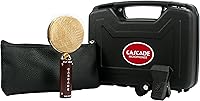
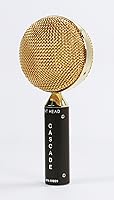
The Cascade Microphones FAT HEAD Ribbon Microphone is a passive ribbon mic from a small boutique operation based in the United States that has quietly earned a loyal following among recording enthusiasts. The brown body and gold grill give it a distinctly vintage-inspired look — the kind of mic that looks at home on a studio shelf next to gear from decades past. It captures sound using a bidirectional figure-8 pattern, picking up audio from both front and back while rejecting the sides. The package includes a molded flight case, a mic clip, and a leatherette pouch — a thoughtful kit for home studio owners, podcasters, and musicians chasing a warm, classic tone.
Features & Benefits

The FAT HEAD runs entirely passively — no phantom power required — drawing its character purely from its aluminum ribbon element. That construction keeps it durable without the fragility you sometimes encounter in cheaper ribbon designs. The defining sonic trait is a smooth high-frequency rolloff that naturally softens harsh transients, much like a vintage transformer-loaded mic would, making it especially effective on bright sources like electric guitar amps or brass. At 56 dB sensitivity, it rewards close-mic placement but firmly demands a preamp with solid gain headroom. The XLR connection works with virtually any interface, mixer, or recorder on the market.

Best For

This ribbon mic genuinely shines in a few specific scenarios. Guitarists recording amplifiers will find it naturally tames the brittle top-end that condenser mics sometimes exaggerate, giving tracks a thicker, more usable character straight from the source. Podcasters and broadcasters who find their voice sounds too bright through a condenser will appreciate the warm mid-range the FAT HEAD naturally provides. It is also a strong choice for anyone building a mid-side stereo rig, since the true figure-8 pattern is exactly what that technique demands for the side channel. Acoustic instruments — upright bass, violin, mandolin — also benefit. If condensers feel too clinical, this Cascade mic offers a genuinely different perspective.

User Feedback

Across its ratings, this ribbon mic holds a strong 4.5-star average, and a clear pattern runs through the feedback. Buyers consistently praise the warm, natural tone and are frequently surprised by how solid the build feels at this price point. The included case and pouch come up repeatedly as genuine value adds rather than afterthoughts. The most common sticking point is worth flagging early: passive ribbon mics need a preamp with real gain on tap, something budget interfaces often cannot deliver. A handful of buyers report noise issues before realizing their preamp was the limiting factor. For those properly equipped, though, comparisons to pricier ribbon mics appear more often than you might expect.

Pros

  • The warm, smooth tone this ribbon mic produces requires almost no corrective EQ on guitar amp recordings.
  • Build quality feels genuinely solid and punches above what buyers typically expect at this price tier.
  • The included molded flight case and leatherette pouch make storage and transport practical, not an afterthought.
  • A true figure-8 polar pattern opens up mid-side stereo recording without needing a second dedicated mic type.
  • No phantom power is required, eliminating any risk of accidental damage from phantom-powered signal chains.
  • Buyers frequently compare the FAT HEAD favorably to ribbon mics costing significantly more.
  • The brown and gold aesthetic gives it a vintage studio look that feels intentional, not cheap.
  • XLR connectivity means it works with virtually every audio interface, mixer, and recorder on the market.
  • Vocal recordings through this Cascade mic tend to sound naturally flattering without heavy post-processing.
  • At its price point, it offers a genuine entry point into ribbon mic sound that does not feel like a compromise.

Cons

  • Passive ribbon designs demand a high-gain preamp; underpowered interfaces will produce noticeably noisy recordings.
  • With only 19 ratings, the feedback pool is too small to draw firm long-term reliability conclusions.
  • The bidirectional pattern picks up room sound from behind the mic, requiring a treated space for best results.
  • Low output sensitivity means gain-staging must be carefully managed, which can frustrate less experienced users.
  • Not well-suited for close-proximity sources with strong plosives, as ribbon elements are more physically delicate than dynamics.
  • The figure-8 pattern offers no cardioid or omni option, limiting flexibility for multi-source recording scenarios.
  • Heavier and bulkier than many small-diaphragm condensers, which can complicate positioning in tight studio spaces.
  • No onboard pad or high-pass filter means those features must come entirely from the connected preamp or interface.

Ratings

The scores below reflect an AI-assisted analysis of verified buyer reviews for the Cascade Microphones FAT HEAD Ribbon Microphone, drawn from global feedback with spam, bot activity, and incentivized posts actively filtered out. Each category is rated on the genuine consensus across real users — strengths and frustrations alike — so you get an honest picture of where this ribbon mic delivers and where it falls short.

Sound Character
88%
Buyers consistently describe the tone as warm and round in a way that simply works on certain sources without any post-processing. Guitar amp recordings and voice-over tracks come up most often as immediate beneficiaries, with users noting the mic naturally takes the edge off harsh transients that would otherwise require heavy EQ work.
The same high-frequency rolloff that flatters bright sources can feel limiting when you need detail and air — overhead drum mics or fingerpicked acoustic guitar, for example, often sound a little too thick and polished. A small number of users find the voicing too colored for neutral recording applications.
Build Quality
82%
18%
The aluminum body feels noticeably solid when handled, and buyers frequently express surprise that a mic at this price tier does not feel hollow or cheaply assembled. The grill sits firmly and shows no sign of flexing under normal use, which matters for a component as sensitive as a ribbon element.
A handful of users note that the finish, while attractive, shows minor scratches with regular handling over time. The mic clip included in the kit is functional but not particularly robust — a few buyers replaced it quickly with a third-party option for more secure positioning.
Value for Money
91%
This is arguably where the FAT HEAD earns its reputation most directly. Multiple buyers specifically draw comparisons to ribbon mics at two or three times the cost and conclude the difference in real-world recording performance is far narrower than the price gap would suggest. For home studio owners entering the ribbon mic category, the cost-to-performance ratio is hard to argue with.
Value perception does shift noticeably for buyers who discover they also need to invest in a higher-quality preamp to unlock the mic's potential — factoring that in can change the overall cost picture. Those who already own capable preamps benefit fully; those who do not may feel misled by the initial purchase price alone.
Preamp Compatibility
63%
37%
When paired with a preamp that delivers clean, generous gain — which many mid-range and professional interfaces do — this ribbon mic performs impressively and the low output level becomes a non-issue. Users with dedicated outboard preamps or higher-end interfaces report no complaints about noise floor or signal strength.
This is the single most common pain point in buyer feedback. Passive ribbon mics require significantly more gain than most dynamic or condenser microphones, and budget interfaces frequently cannot provide enough without introducing audible noise. Several buyers had frustrating early experiences before realizing their interface, not the mic, was the limiting factor.
Polar Pattern Accuracy
84%
Users who rely on mid-side recording setups specifically call out the figure-8 pattern as accurate and well-centered, with side rejection that holds up in practical stereo recording applications. The bidirectional response translates reliably from theory to practice in a way that lower-cost ribbon mics do not always achieve.
The flip side of a true figure-8 pattern is that rear pickup is always active, and in untreated rooms this captures flutter echoes and ambient noise that users do not always anticipate. A few buyers noted they needed to add acoustic treatment behind the mic position before recordings sounded as clean as expected.
Packaging & Accessories
86%
The molded flight case draws genuine praise across multiple reviews — it holds the mic snugly and makes storage between sessions feel intentional rather than improvised. The leatherette pouch adds another layer of everyday protection that buyers appreciate when transporting the mic to different recording locations.
The mic clip is the weak link in an otherwise thoughtful accessory package — it is a basic friction-fit design that some users find insufficiently secure for a mic weighing two pounds. A few buyers also note that the case, while well-formed, is not especially compact and takes up more shelf or bag space than expected.
Ease of Setup
79%
21%
For anyone already familiar with XLR microphones and audio interfaces, setup is entirely straightforward — plug in, check gain, and record. There are no drivers, no software, and no configuration steps involved, which is exactly what most studio users want from a wired microphone.
Buyers new to ribbon microphones run into a steep learning curve around gain staging and phantom power safety that is not communicated clearly anywhere in the product packaging. More than one reviewer mentioned an anxious moment after accidentally sending phantom power before learning it should be avoided.
Vocal Performance
74%
26%
Voices with prominent sibilance or a naturally bright character often sound notably more flattering through this ribbon mic than through a condenser, requiring less de-essing and EQ correction in the mix. Podcasters and broadcasters with mid-forward voices frequently call it their preferred everyday microphone for this reason.
The lower sensitivity and figure-8 pattern make it less forgiving in untreated spaces for vocal use — room noise and reflections from behind the mic become part of the recording in ways that cardioid condensers avoid. Singers who project softly may also find the output level challenge more noticeable than louder vocalists would.
Instrument Recording
87%
Guitar amp recording is the use case buyers mention most enthusiastically, with the FAT HEAD consistently described as producing thick, ready-to-mix tones that require minimal post-processing. Acoustic stringed instruments like upright bass and violin also benefit, with the mic smoothing out the harshness that some condensers introduce on bowed strings.
High-frequency instruments where detail and sparkle are the point — cymbals, bright acoustic guitar, mandolin played with heavy pick attack — do not showcase this mic favorably. The rolloff that works beautifully on amps can make these sources sound slightly muffled compared to what a well-placed condenser would capture.
Durability & Longevity
71%
29%
The aluminum body and overall construction suggest the mic can handle the everyday demands of regular studio use without concern. Buyers who have owned theirs for extended periods report no degradation in performance, which is a meaningful data point for a ribbon design that could theoretically be delicate.
Ribbon elements are inherently more vulnerable to physical shock, strong air blasts, and accidental phantom power than dynamic or condenser capsules, and the FAT HEAD is no exception to this class-wide limitation. Long-term durability data is limited given the relatively modest number of reviews available for this specific model.
Aesthetics & Design
83%
The brown body and gold grill combination gives the FAT HEAD a vintage studio appearance that buyers genuinely appreciate — it looks like it belongs in a professional environment and photographs well for content creators who care about the visual presentation of their setup.
The color combination is distinctive enough that it will not suit every studio aesthetic, and unlike some competitors there is no black or silver variant readily available. The physical dimensions mean it sits large on a stand and may visually dominate smaller desk recording spaces.
Mid-Side Stereo Suitability
85%
Recording engineers specifically using this mic as the side element in a mid-side stereo configuration report strong results, with the figure-8 pattern providing the accurate, centered side pickup that the technique depends on. At its price point, finding a reliable ribbon specifically for this application is a genuine advantage.
Mid-side recording requires additional processing — a matrix decoder in software or hardware — to produce a standard stereo output, which adds a layer of complexity not every user is prepared for. The technique also exposes room acoustics more than standard cardioid setups, which can require additional treatment investment.

Suitable for:

The Cascade Microphones FAT HEAD Ribbon Microphone is a strong match for musicians, home studio owners, and content creators who want the characteristic warmth of a ribbon mic without committing to a high-end price point. Guitarists will find it particularly well-suited for recording amplifiers, where its natural high-frequency rolloff softens the harshness that can make raw amp tracks difficult to mix. Podcasters and broadcasters with naturally bright or sibilant voices often find that a ribbon mic does more to flatter their tone straight out of the gate than any amount of post-processing. It is also a practical choice for anyone building a mid-side stereo setup, since the true figure-8 pattern is a core requirement of that technique. Acoustic instrument players — violinists, mandolin players, upright bassists — who feel condenser mics make their recordings sound clinical or overly detailed will appreciate the more forgiving, rounded character this ribbon mic naturally provides.
Not suitable for:

The Cascade Microphones FAT HEAD Ribbon Microphone is not the right tool for every recording situation, and a few practical realities will genuinely frustrate certain buyers. Being a passive ribbon design, it outputs a relatively low signal level, which means it demands a preamp capable of delivering clean, high gain — budget audio interfaces with modest preamps will likely produce noisy, thin results. Buyers who need a versatile workhorse microphone for capturing high-frequency detail, such as overhead drum mics or bright acoustic guitar recordings, should look elsewhere, since the natural rolloff that makes this mic appealing in some contexts is a limitation in others. It is not suitable for live stage use or mobile recording where simplicity and durability are paramount — ribbon mics in general require more careful handling than dynamic mics. Anyone expecting plug-and-play results on a modest home setup may find the technical prerequisites frustrating before the benefits become audible.

Specifications

  • Microphone Type: Passive ribbon microphone with no active electronics or internal amplification.
  • Polar Pattern: Bidirectional (figure-8), capturing sound equally from the front and rear while rejecting audio from the sides.
  • Audio Sensitivity: Sensitivity is rated at 56 dB, which is typical for passive ribbon designs and requires a high-gain preamp for optimal results.
  • Connector: Standard XLR output, compatible with professional audio interfaces, mixers, recorders, and preamps.
  • Power Source: Entirely passive and corded — no phantom power, battery, or external power supply is required or recommended.
  • Body Material: Aluminum construction used throughout the microphone body, contributing to a durable yet lightweight build.
  • Body Color: Brown body finish with a gold grill, giving the microphone a distinct vintage studio aesthetic.
  • Ribbon Element: Internal aluminum ribbon element delivers the characteristic warm tone and natural high-frequency rolloff associated with ribbon microphone design.
  • Dimensions: The microphone measures 10.31 x 3.63 x 8.5 inches in its packaged form.
  • Weight: Complete unit weighs 2 pounds, making it manageable on a standard microphone stand with appropriate support.
  • Channels: Single-channel (mono) microphone output with one XLR connection point.
  • Included Accessories: Package includes a molded flight case, a standard mic clip, and a leatherette storage pouch.
  • Compatible Devices: Designed for use with audio interfaces, mixing consoles, audio recorders, and personal computers via an appropriate preamp.
  • Brand Origin: Manufactured by Cascade Microphones, a boutique U.S.-based brand focused on ribbon and large-diaphragm microphone designs.
  • Model Number: Official model identifier is 98-G-A, representing the brown body and gold grill configuration variant.
  • UPC: Universal Product Code for this variant is 608766969816.
  • Availability: This product has not been discontinued by the manufacturer as of the most recent listing data available.

Related Reviews
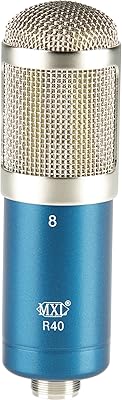
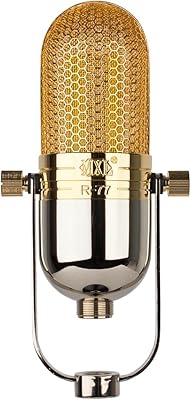
MXL R40 Ribbon Microphone
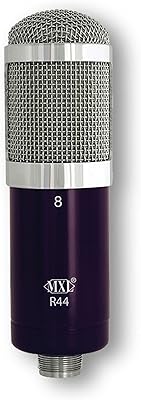
67%
88%
Tonal Character
81%
Build Quality
53%
Preamp Compatibility
44%
Phantom Power Safety Risk
76%
Polar Pattern Versatility
More
MXL R144
MXL R144
77%
93%
Value for Money
88%
Midrange Response
84%
Build Quality
41%
Input Sensitivity
91%
Aesthetic Design
More
MXL R77 Ribbon Microphone
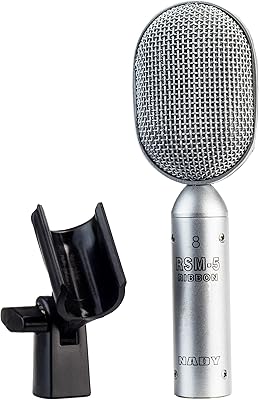
77%
88%
Sound Character
61%
Preamp Compatibility
83%
Build Quality
86%
Polar Pattern Utility
67%
Ease of Setup
More
Nady RSM-5 Ribbon Microphone
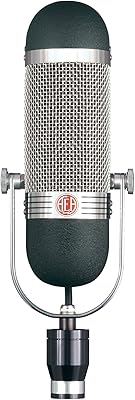
66%
84%
Tonal Character
78%
Value for Money
57%
Ease of Setup
43%
Phantom Power Safety Risk
51%
Preamp Dependency
More
AEA R84 Passive Ribbon Microphone
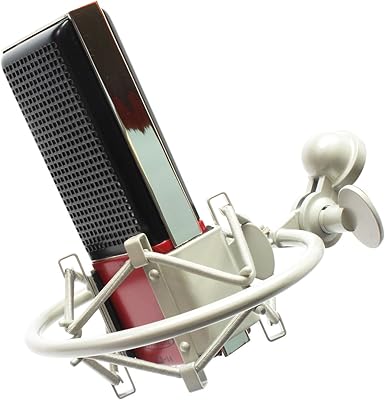
81%
96%
Tonal Character
91%
Build Quality
58%
Preamp Dependency
62%
Ribbon Element Durability
84%
Polar Pattern Versatility
More
Avantone CR-14 Ribbon Microphone

74%
91%
Tonal Character
88%
Value for Money
54%
Preamp Compatibility
83%
Build Quality
62%
Ribbon Durability
More
Beyerdynamic M160 Double Ribbon Microphone
81%
93%
Sound Character
88%
Build Quality
91%
Polar Pattern Performance
54%
Preamp Dependency
86%
Transient Response
More
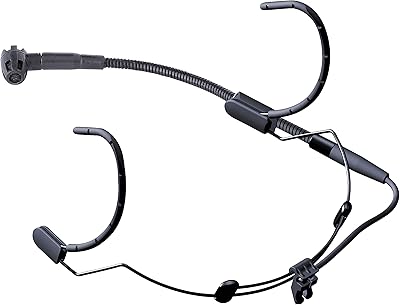
AKG C520 Professional Head-Worn Microphone
85%
92%
Sound Quality
89%
Comfort & Fit
90%
Noise Isolation
74%
Durability
85%
Moisture Protection
More
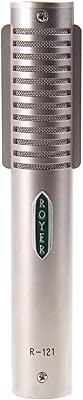
Royer Labs R-121 Ribbon Microphone
78%
94%
Tonal Character
88%
Build Quality
91%
High SPL Handling
52%
Gain Requirements
83%
Noise Floor
More
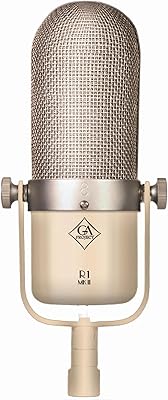
Golden Age Project R1 MKII Ribbon Microphone
72%
84%
Tonal Character
78%
Build Quality
52%
Preamp Compatibility
81%
Value for Money
83%
Polar Pattern Versatility
More

FAQ

No — and you should actually avoid sending phantom power into it if you can help it. The FAT HEAD is a passive ribbon mic, meaning it generates its own signal from the ribbon element without any external power. Accidental phantom power from some interfaces can potentially damage the ribbon, so double-check that your preamp or interface has phantom power switched off before plugging in.

That depends heavily on the interface. Passive ribbon mics like this one output a relatively low signal level, so you need a preamp that can deliver clean gain without introducing noise. Budget interfaces with modest preamp sections often struggle here. If you find your recordings sound thin or hissy, the preamp is almost certainly the bottleneck, not the mic itself.

You can, and some people really like ribbon mics on certain voice types — particularly voices that come across too bright or sibilant through a condenser. The natural warmth and softened high-end can be flattering. That said, the figure-8 pattern picks up sound from behind the mic as well, so your recording space needs to be reasonably treated to avoid unwanted room noise.

It means the Cascade Microphones FAT HEAD Ribbon Microphone picks up audio from directly in front and directly behind the capsule, while rejecting sound coming from the sides. This is useful for certain recording techniques — mid-side stereo being the most common — or for recording two sources facing each other, like two vocalists or an instrument and its room reflection. It also means any noise or reflection behind the mic will be captured, so room treatment matters.

It is genuinely one of the more practical use cases for this ribbon mic. Placing it close to a guitar amp cabinet softens the harsh top-end that can make raw amp tracks hard to work with in a mix. The result tends to be thicker and more immediately usable than a lot of condenser recordings of the same source. Many engineers keep a ribbon mic specifically for this purpose.

Ribbon elements are more delicate than the capsules in dynamic or condenser mics, but the FAT HEAD uses aluminum for its ribbon, which is somewhat more forgiving than older mylar-based designs. You should still avoid blowing air directly into it, handle it gently, and store it upright when possible. The included molded case helps with safe storage and transport, which is a practical benefit for anyone moving the mic between locations.

Yes, and it works particularly well for voices that sound overly bright or harsh through a condenser mic. The natural rolloff smooths out sibilance and gives a warmer, more radio-friendly quality to many voices. The main caveat is the same as always with passive ribbons — you need a preamp with solid gain to get a clean, full signal level before it hits your recording software.

It does add a layer of complexity. Because the mic picks up from both front and back, any reflections, noise, or reverb coming from behind the mic will show up in your recording. In a well-treated room or with acoustic panels behind the mic position, this is manageable. In a completely untreated room with parallel walls and hard surfaces, you may notice more room character than you bargained for.

The box includes the microphone itself, a mic clip, a leatherette pouch, and a molded flight case. Buyers frequently mention the case as a genuine addition rather than a token accessory — it holds the mic securely and makes it easy to store safely between sessions or transport to a different location without worrying about the ribbon.

A number of buyers specifically note that this Cascade mic holds its own against ribbon microphones at significantly higher price points, which speaks well of it for the investment required. The trade-off is typically in output level consistency, ultra-low noise performance, and the refinement of the top-end detail — areas where premium ribbon mics do have genuine advantages. For home studio use, podcasting, and instrument recording, though, the gap in practical, audible performance is often smaller than the price difference suggests.