Overview
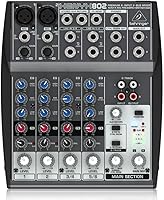
The Behringer Xenyx 802 Analog Mixer has been a fixture in the entry-level audio world since 2001 — a remarkably long run for any piece of gear in a market that churns through new releases constantly. This compact mixer sits in a comfortable middle ground: clearly a step above basic consumer equipment, but without the price tag that sends beginners running. It weighs under four pounds and barely stretches past eight inches wide, fitting on a crowded desk without complaint. For anyone needing reliable analog mixing on a tight budget, few options have matched its staying power over more than two decades.
Features & Benefits
The Xenyx 802's two mic preamps are the headline act, and they deliver noticeably clean gain for vocals and instruments — something that isn't guaranteed at this price point. Each channel also gets a three-band British-style EQ, letting you sculpt highs, mids, and lows without reaching for separate outboard gear. The post-fader FX send is a practical touch, routing signal to an external reverb or effects unit on a per-channel basis. Output options are generous for the size: main mix, control room, headphone, and stereo tape/CD outputs cover most monitoring scenarios without compromise.
Best For
This analog desk earns its keep for beginners building a home recording space — think vocals over acoustic guitar, or a basic instrument setup that doesn't need a sprawling channel count. Podcasters and streamers will find it genuinely useful for blending a microphone, a music bed, and a secondary input without any software fuss. Small community venues, church AV booths, and rehearsal rooms can lean on it for modest live sound needs. The learning curve is close to zero, which matters when you just want to plug in and start recording rather than spend an afternoon reading a manual.
User Feedback
Across more than 5,000 ratings, the Xenyx 802 holds a 4.5-star average — strong for any product, let alone one that has been on the market for over two decades. Buyers consistently highlight the mic preamp quality as better than expected, and many report using the unit for years without a hardware failure. That said, honest criticisms surface repeatedly: the chassis feels more plastic than sturdy, and the headphone output struggles to drive louder headphones adequately. One important caveat — phantom power is not available on all channels, so condenser microphone users should verify compatibility with their specific setup before purchasing.
Pros
- The mic preamps deliver noticeably clean gain that outperforms most competing hardware at the same price tier.
- Built-in 3-band EQ on every channel means you can shape your tone without buying separate gear.
- A post-fader FX send per channel gives real routing flexibility for connecting external reverb or effects units.
- Weighing under four pounds, the Xenyx 802 is light enough to pack into a bag without a second thought.
- Multiple output types — main mix, control room, headphone, and tape — cover most home and small-venue monitoring needs.
- The unit has been in continuous production since 2001, which speaks to its reliability and consistent demand.
- Thousands of verified long-term owners report years of trouble-free daily use without hardware failure.
- Setup is genuinely straightforward; most buyers are up and running within minutes of unboxing.
- The compact footprint keeps desk space free without sacrificing a useful number of input channels.
Cons
- Phantom power is not available across all channels, limiting compatibility with certain condenser microphones.
- The headphone output struggles to drive louder or high-impedance headphones to a comfortable listening volume.
- The plastic chassis feels noticeably less solid than similarly priced mixers with metal construction.
- There is no USB audio interface functionality, so you cannot record directly to a computer without additional hardware.
- The channel count of eight inputs will feel restrictive quickly if your setup grows beyond a basic configuration.
- No digital display or metering beyond basic visual feedback makes precise level monitoring harder than it should be.
- The unit is mains-powered only, ruling it out for battery-powered or off-grid portable setups.
- Faders and knobs feel adequate but not premium, with some users noting looseness after extended use.
Ratings
The scores below reflect our AI-driven analysis of thousands of verified global reviews for the Behringer Xenyx 802 Analog Mixer, with spam, bot-submitted, and incentivized feedback actively filtered out before any scoring was applied. Every category captures both the genuine strengths buyers celebrate and the real frustrations they report — nothing is glossed over. The result is an honest, data-grounded picture of where this compact desk earns its reputation and where it falls short.
Mic Preamp Quality
Value for Money
Build Quality
Ease of Use
Headphone Output
Phantom Power
Output Flexibility
EQ Performance
Connectivity
Portability
Long-term Durability
FX Routing
Setup Speed
Suitable for:
The Behringer Xenyx 802 Analog Mixer is a smart pick for anyone who wants a no-fuss hardware mixing solution without spending serious money. Beginners setting up a home studio for the first time will appreciate how quickly they can get a vocal or acoustic guitar signal sounding decent without touching a single software setting. Podcasters and streamers benefit from the multiple inputs and outputs, making it easy to blend a primary microphone with background audio or a secondary guest feed in real time. Small venues — a community theater, a modest church sound booth, a rehearsal room — will find it handles basic live sound routing reliably. Content creators who simply want tactile control over their audio chain, rather than clicking through a DAW's virtual mixer, tend to get a lot of practical daily use out of this compact desk.
Not suitable for:
Buyers with more demanding or professional requirements will likely find the Behringer Xenyx 802 Analog Mixer frustrating within a short time. Phantom power is not distributed across all channels, which is a genuine blocker if you rely heavily on condenser microphones — verify your specific mic's requirements carefully before committing. The headphone output lacks the drive needed for high-impedance headphones, so serious monitoring work will require an external headphone amplifier. The composite plastic construction, while functional, does not hold up to the physical demands of regular gigging or heavy-handed touring use the way an all-metal unit would. Engineers working on multi-track productions with more than a handful of sources will simply outgrow the eight-input channel count quickly. If your workflow depends on USB audio interface functionality or digital connectivity, this analog-only unit offers none of that.
Specifications
- Input Channels: The mixer provides 8 total inputs configured as a 2-bus design, accommodating a mix of microphone and line-level sources.
- Mic Preamps: Two Xenyx mic preamps with 3-pin XLR connectors handle microphone inputs with low noise and high headroom analog circuitry.
- EQ Type: Each channel includes a neo-classic 3-band British-style equalizer covering high, mid, and low frequency bands for tonal shaping.
- FX Routing: A post-fader effects send per channel allows signal routing to external effects processors or reverb units independently per channel.
- Outputs: Available outputs include main mix, control room, headphone, and stereo CD/tape, providing flexible signal routing for various monitoring setups.
- Connectors: Input and output connectivity uses 3-pin XLR and 1/4-inch TRS phone connectors throughout the unit.
- Dimensions: The unit measures 8.66 x 7.44 x 1.85 inches, making it compact enough for desktop placement or travel in a gear bag.
- Weight: The mixer weighs 3.55 pounds, keeping it lightweight for a unit with this input count and feature set.
- Power Source: The unit runs on corded AC electric power only and draws 13 watts during normal operation, with no battery option available.
- Voltage: The mixer operates at approximately 230 volts AC, suitable for standard mains power with appropriate regional adapters where needed.
- Body Material: The chassis and enclosure are constructed from composite plastic material in a black finish.
- Color: The unit ships exclusively in black with no alternative colorway options available.
- Display: There is no digital display or color screen; all level and gain monitoring relies on analog controls and visual inspection.
- Model Number: The official model designation is 802, and it is listed under ASIN B000J5XS3C on major retail platforms.
- Availability Date: The Xenyx 802 was first made available for purchase in October 2001 and remains in active production today.
- Manufacturer: Behringer, a brand under the Music Tribe group, manufactures this mixer and has not discontinued it as of the latest product listing data.
- Channel Count: The mixer officially supports 8 mixer channels in total across its 2-bus output architecture.
- Wattage: Total power consumption at full operation is rated at 13 watts, making it efficient for a permanently powered desktop setup.
Related Reviews
Behringer XENYX 502 Analog Mixer
Behringer XENYX X2442USB
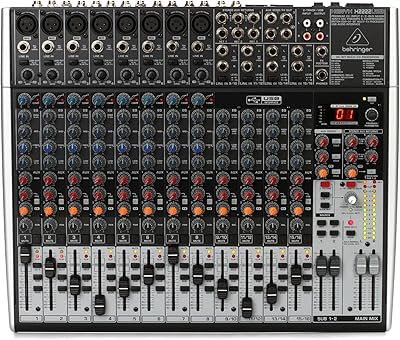
Behringer Xenyx X2222USB
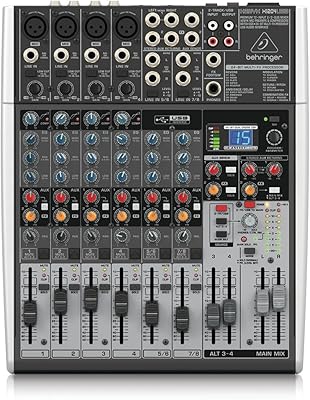
Behringer XENYX X1204USB 12-Channel USB Mixer
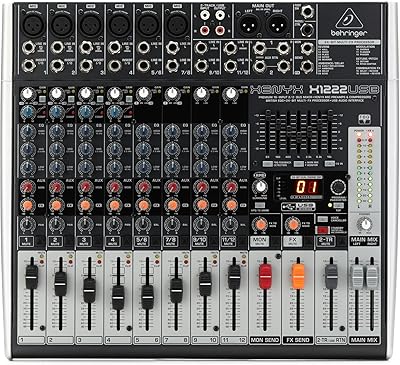
Behringer XENYX X1222USB
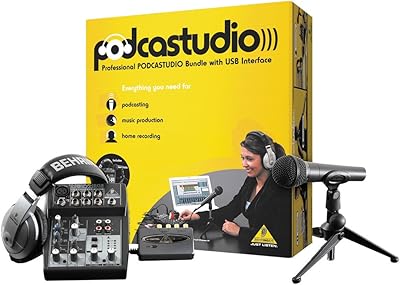
Behringer PodcastStudio USB Podcasting Bundle
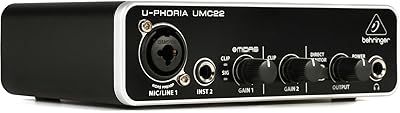
Behringer UMC22 USB Audio Interface
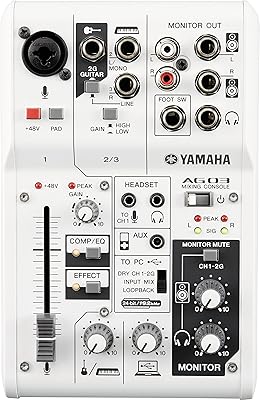
Yamaha AG03 3-Channel USB Mixer
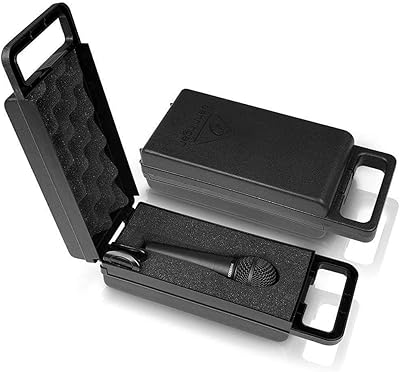
Behringer XM8500 Dynamic Cardioid Microphone