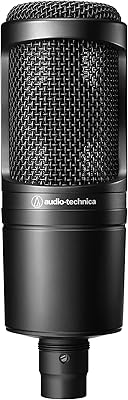
Overview

The Audio-Technica AT2020USB+ USB Condenser Microphone carries real pedigree — it descends directly from the AT2020 XLR, a mic that earned its reputation in project studios worldwide. Audio-Technica released it back in 2013, and the fact that it still holds a top-ten rank among condenser mics says something meaningful about its staying power. It plugs straight into a computer via USB, no audio interface required, which is the whole point for content creators who want professional-grade audio without building a signal chain. One honest note upfront: the cardioid polar pattern captures what is in front of the mic and rejects sound from the sides and rear, so your room acoustics will absolutely matter.
Features & Benefits

Plug in via USB and you are recording in under a minute — that is the core appeal. But this USB condenser goes further than the typical plug-and-play promise. The built-in headphone jack with volume control lets you hear exactly what the mic is capturing in real time, with no audible delay, which most budget rivals simply do not offer. A mix control knob lets you balance your live voice against backing tracks or pre-recorded audio, genuinely useful for streamers who talk over music. The 16-bit, 44.1/48 kHz conversion and 74 dB signal-to-noise ratio mean your recordings stay clean and detailed without post-production heroics. No driver installation needed on Windows or Mac.

Best For

The AT2020USB+ makes the most sense for people who need dependable audio without committing to a full recording setup. Solo podcasters will appreciate the direct monitoring for catching mouth noise or pacing issues mid-recording. Streamers on Twitch or YouTube get broadcast-quality vocal pickup without a separate interface. Voice-over artists and home studio vocalists working at a prosumer level will find the output clean enough for commercial work in a treated space. Remote workers who want to stand out on video calls will hear the difference immediately. Not ideal for group recording or for anyone in a reflective, untreated room who is not prepared to manage their environment.

User Feedback

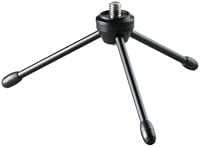
Long-term owners consistently praise the vocal warmth and clarity this mic delivers — holding up against considerably more expensive options in blind listening comparisons, according to multiple user accounts. The zero-latency headphone monitoring draws frequent applause; reviewers specifically call it out because so many alternatives at similar prices skip it entirely. On the other side, a recurring critique is the included tabletop mount, which feels underbuilt for a mic at this price point — a boom arm purchase is practically assumed after a few weeks. The more pointed concern is room sensitivity: users recording in bare, echo-heavy spaces report obvious reflections. Durability holds up well over years of regular use, which is a meaningful reassurance.

Pros

  • Zero-latency headphone monitoring lets you catch problems during a take, not after — a feature many rivals at this price skip entirely.
  • The mix control knob makes blending live voice with pre-recorded audio straightforward, without touching software settings mid-session.
  • A 74 dB signal-to-noise ratio keeps background hiss low enough for professional-sounding spoken word and vocal recordings.
  • USB bus-powered with no driver installation required — works out of the box on both Windows and Mac without any configuration.
  • Vocal warmth and clarity consistently praised by long-term users, even in comparisons against more expensive USB competitors.
  • Built on the AT2020 XLR lineage, this mic carries over a decade of Audio-Technica refinement into a plug-and-play form.
  • The high-output internal headphone amplifier delivers clear, detailed monitoring without requiring a separate headphone amp.
  • Proven durability — many owners report years of reliable daily use with no noticeable decline in audio performance over time.
  • Cardioid polar pattern effectively rejects off-axis noise, keeping recordings focused on the source directly in front.
  • Works reliably across DAWs, streaming tools, and video call platforms without requiring any third-party software setup.

Cons

  • The included tabletop stand mount feels flimsy and underbuilt — most buyers end up purchasing a separate boom arm fairly quickly.
  • The sensitive condenser capsule punishes untreated rooms, exposing echoes and surface reflections that a dynamic mic would largely ignore.
  • No XLR output means you cannot upgrade to a better preamp later without replacing the microphone entirely.
  • Single-channel design limits recording to one speaker at a time, making in-person multi-guest podcast sessions impractical.
  • At this price tier, competing USB mics from other established brands offer alternative feature sets worth evaluating before committing.
  • No physical mute button on the body, which can be frustrating for streamers who need to cut audio instantly.
  • 16-bit recording depth, while clean, falls short of the 24-bit capture that more serious home studio production work demands.
  • Condenser capsule design inherently picks up more ambient room noise than a cardioid dynamic microphone would in the same untreated space.

Ratings

The Audio-Technica AT2020USB+ USB Condenser Microphone scores below were generated by AI after analyzing thousands of verified buyer reviews from global markets, with spam, bot submissions, and incentivized feedback actively filtered out. The ratings reflect a balanced view of both the mic's genuine strengths and the real-world frustrations that a meaningful share of users have reported. No category has been softened to favor the product — where buyers consistently found a weakness, the score reflects it honestly.
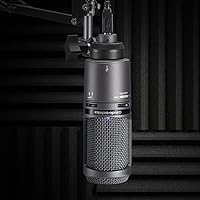
Audio Quality
88%
Users consistently describe the vocal output as warm and full-bodied, with a presence that sits naturally in a mix without heavy EQ correction. Podcasters and voice-over artists specifically note that their recordings require noticeably less editing compared to previous USB mics they had used. The cardioid capsule captures nuance and breath detail that budget rivals tend to flatten.
A subset of users recording at home found that the mic reveals room imperfections more than expected, exposing subtle reverb and ambient noise in recordings. It also tops out at 16-bit depth, which leaves some home studio musicians wishing for the 24-bit option available on certain competing interfaces.
Ease of Setup
94%
Every USB port becomes an instant recording entrance with this mic — users repeatedly highlight that the entire setup takes under two minutes from opening the box. There are no driver downloads, no configuration wizards, and no compatibility headaches on either Windows or Mac. First-time users in particular describe it as genuinely stress-free.
A small number of Windows users on older operating systems encountered minor input recognition delays, requiring a USB port swap or system restart before the mic appeared correctly. On some systems, the default input gain set by the OS needs manual adjustment to reach an optimal recording level straight out of the box.
Zero-Latency Monitoring
91%
The built-in headphone jack lets you hear your live signal in real time, without the echo that software-routed monitoring always introduces. Vocalists and podcasters who have dealt with latency on other setups describe the difference as immediately freeing — you can focus on delivery instead of fighting the delay. The volume knob adds precise, tactile control mid-session.
Users with high-impedance studio headphones found the monitoring volume a step below comfortable without a separate amp. The headphone output also lacks equalization controls, so the monitored signal is completely unprocessed — listeners wanting to audition a treated sound need to route audio through software instead.
Build Quality
83%
The mic body itself feels solid and substantial in hand, with a metal construction that holds up well to regular repositioning and daily desk use. Long-term owners specifically mention that after several years the capsule and body show no signs of physical wear that affects audio performance.
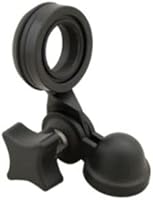
The included desk stand, by contrast, feels noticeably lightweight and slightly wobbly under the mic's weight — the most commonly cited physical complaint across user reviews. The stand's locking mechanism can loosen gradually with repeated angle adjustments, and several users replaced it with a third-party boom arm within the first month.
Value for Money
76%
24%
For buyers stepping out of entry-level territory for the first time, the audio quality improvement justifies the investment — especially since no interface, cables, or extra hardware are needed. The zero-latency monitoring and mix control are features that competing mics at lower price points rarely include together.
At this price tier, some buyers feel the pull of alternatives from Rode and Blue that offer 24-bit recording and additional polar pattern options. A few reviewers noted that without a decent boom arm — purchased separately — the full value of the mic is somewhat undercut by the underwhelming bundled stand.
Noise Rejection
72%
28%
The cardioid polar pattern does a credible job of rejecting ambient sound from the sides and rear, which helps in moderately noisy environments like home offices with distant street noise or an air conditioning unit in another room. Users positioned correctly — directly in front at around six to eight inches — report clean, focused captures.
The rejection pattern only helps so much when reflections arrive from surfaces directly behind the speaker, which a cardioid mic cannot fully avoid. Users in louder home environments — keyboard clatter, nearby traffic, or a fan within a couple of feet — notice these sources creeping into recordings more than they expected.
Headphone Amplifier
84%
The internal headphone amplifier is noticeably stronger than what most USB mics provide, giving you enough headroom to hear your voice clearly even while wearing closed-back headphones in a noisier room. Streamers who monitor audio during live sessions particularly appreciate not having to crank system volume to compensate for a weak output stage.
Users with demanding, high-impedance headphones — particularly reference headphones rated above 150 ohms — may find the output volume a step below comfortable without a separate amp. The amplifier also lacks any built-in equalization, so the monitored signal is completely unprocessed, which some vocalists find disorienting compared to a processed booth feed.
Mix Control
81%
19%
The hardware mix knob is a genuinely practical feature for streamers and podcasters who play background music while talking — blending live mic and playback audio requires a single physical turn rather than jumping between software panels. Users describe it as one of those features that seems minor until you rely on it every single session.
The mix control only blends two inputs — live mic and computer playback — so users wanting more granular control over multiple audio sources still need dedicated mixing software. A few users noted the knob lacks physical detents or a center-click, making it harder to return to a precise balanced blend by feel alone.
Room Acoustics Sensitivity
58%
42%
In a well-treated space or even a bedroom with carpeting, heavy curtains, and soft furniture, the mic rewards users with a noticeably clean and intimate recording. Users in these environments describe their results as sounding professional without any acoustic treatment beyond what a naturally furnished room provides.
In bare, hard-surface rooms the AT2020USB+ becomes unforgiving — reviewers in apartments with exposed floors and sparse furniture describe audible echo bleeding into recordings. The condenser design amplifies room problems more visibly than a dynamic mic would in the same space, making it the single most cited complaint in user feedback.
Software Compatibility
93%
The mic works immediately across an exceptionally wide range of software — from GarageBand and Logic to OBS, Zoom, Discord, and Audacity — without any configuration adjustments. Creators switching between a podcast setup one day and a video call the next report that this USB condenser is always recognized instantly, regardless of the platform.
On rare occasions, a Windows system update has caused the mic to lose its preferred device status, requiring the user to manually reselect it in system audio settings. A very small number of users with older audio drivers experienced brief static or stuttering during recording sessions, resolved by updating their USB or chipset drivers.
Included Accessories
52%
48%
The bundled desk stand gets the mic off your surface quickly, making it useful as a temporary solution for first-time setup or occasional use. It provides the basic angle adjustability needed to point the capsule correctly toward the speaker without requiring any additional tools.
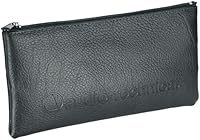
Beyond the stand, the package feels minimal for the price — no pop filter, no shock mount, and no carrying case. The stand itself loosens under regular use and provides little vibration isolation from desk bumps, which register in recordings as low-frequency thuds, a frustration that surfaces repeatedly in long-term reviews.
Long-Term Durability
87%
Across a large number of user reviews, owners who have used this USB condenser for three years or more report no degradation in audio quality or physical condition. The mic survives daily repositioning and years of consistent recording sessions without developing capsule noise or connector issues.
A small fraction of users reported that the USB connector became slightly loose over several years of daily plug-and-unplug cycles, causing occasional dropouts. There are also isolated reports of the headphone volume knob developing minor channel imbalance after extended use, though these appear to represent a small minority of long-term units.
Vocal Warmth & Character
89%
Vocalists and podcasters consistently describe the sound character as naturally warm and present — the kind of tone that makes speech sound intentional rather than flat. The mic adds a subtle fullness in the low-mid range that makes voices sound like they belong in front of a microphone, without requiring corrective EQ.
Users with naturally bright or sibilant voices found that the mic's response emphasizes those tendencies slightly, requiring a de-esser or gentle high-frequency roll-off in post. Those recording acoustic instruments with a lot of high-frequency content — fingerpicked guitar, mandolin — occasionally noted a sharpness that needed softening in the mix.
Mic Placement Forgiveness
63%
37%
Users who take the time to experiment with positioning — typically six to eight inches from the capsule, slightly off-axis — describe the resulting recordings as noticeably cleaner and more balanced. The cardioid pattern gives a degree of flexibility compared to tighter supercardioid patterns, rewarding users willing to dial things in.
For buyers who expect to position the mic casually and get professional results immediately, there is a real learning curve — plosives, proximity effect, and off-axis coloration all require attention to manage. Several reviewers noted that small position changes produce noticeable tonal shifts, which can be disorienting for beginners not yet familiar with mic technique.

Suitable for:

The Audio-Technica AT2020USB+ USB Condenser Microphone is a strong match for content creators who want a clear step up from webcam or laptop audio without dealing with the complexity of an audio interface. Solo podcasters will benefit most from the direct headphone monitoring, which lets you catch mic positioning or breath noise issues in real time rather than discovering them buried in an edit later. Streamers on Twitch or YouTube who need clean vocal pickup while simultaneously playing back game audio or music will find the mix control knob genuinely useful in everyday sessions. Voice-over artists and home studio vocalists working at a prosumer level will appreciate the low noise floor and broadcast-ready clarity that holds up in professional contexts. Remote professionals doing frequent video calls or webinars will notice an immediate and meaningful improvement over any built-in laptop or monitor microphone.
Not suitable for:

The Audio-Technica AT2020USB+ USB Condenser Microphone is not the right tool for everyone, and being upfront about that saves real frustration. Anyone recording in a bare, reflective room without acoustic treatment is likely to be disappointed — the sensitive cardioid capsule picks up wall reflections and room reverb that no amount of post-processing can fully rescue. Buyers who need to record two or more people simultaneously at the same mic will hit a hard ceiling, since this is a single-channel setup designed around one voice source at a time. Those already invested in a quality XLR signal chain with a dedicated preamp will not gain anything meaningful by moving to a USB condenser at this tier — their existing hardware likely outperforms it. Shoppers looking for 24-bit recording depth for serious home studio production work should know that the 16-bit output, while clean, does not match what higher-spec interfaces can deliver.
Specifications

  • Polar Pattern: Cardioid pickup captures sound from the front while rejecting noise arriving from the sides and rear of the capsule.
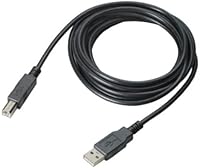
  • Connectivity: USB bus-powered connection requires no external power supply or dedicated audio interface to operate.
  • Bit Depth: Records at 16-bit resolution, delivering clean audio well-suited for podcasting, streaming, and voice-over production.
  • Sample Rate: Supports both 44.1 kHz and 48 kHz sample rates, covering standard audio and broadcast production requirements.
  • Signal-to-Noise: Signal-to-noise ratio of 74 dB minimizes background hiss, keeping recordings clear for spoken word and vocal applications.
  • Sensitivity: Audio sensitivity rated at 10 dB SPL, optimized for close-miked vocal and instrument capture at typical speaking distances.
  • Headphone Output: Built-in 3.5mm headphone jack with independent volume control allows direct monitoring of the live microphone signal.
  • Mix Control: A dedicated mix knob lets the user blend the live microphone signal with pre-recorded computer audio in real time.
  • Headphone Amp: Internal high-output headphone amplifier provides sufficient drive for clear monitoring even in louder ambient environments.
  • Form Factor: Tabletop stand-mount design ships with a desk stand for immediate use without requiring additional mounting hardware.
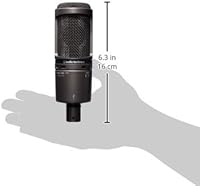
  • Dimensions: Measures 6.38 x 2.05 x 6.38 inches, compact enough to fit comfortably in most standard desktop recording setups.
  • Weight: Weighs 13.6 oz (0.39 kg), light enough for easy repositioning on a desk surface or boom arm.
  • OS Compatibility: Compatible with Windows 7 and later versions as well as Mac OS X without requiring any third-party driver installation.
  • Product Family: Part of the AT2020 microphone family, sharing its capsule lineage with the widely used AT2020 XLR version.
  • Market History: First made available in January 2013, giving this USB condenser one of the longest active track records in its category.

Related Reviews
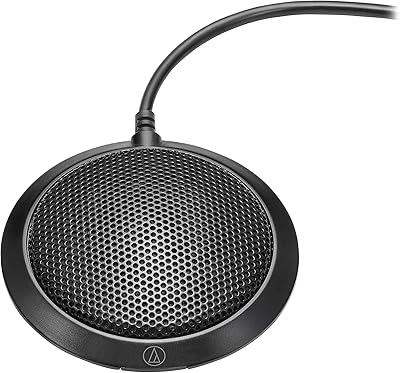
Audio-Technica ATR4750-USB Omnidirectional Condenser Microphone

73%
93%
Ease of Setup
71%
Audio Clarity
44%
Background Noise Rejection
67%
Build Quality
78%
Omnidirectional Performance
More
Audio-Technica ATR4697-USB
74%
93%
Ease of Setup
76%
Voice Clarity
44%
Noise Rejection
61%
Build Quality
78%
Value for Money
More
Audio-Technica AT875R
83%
93%
Sound Rejection
94%
Form Factor & Compactness
88%
Vocal Clarity
82%
Handling Noise Reduction
86%
Build Quality & Durability
More
Audio-Technica AT2020
81%
92%
Vocal Clarity
94%
Build Durability
96%
Value for Money
83%
Background Noise Rejection
62%
Plosive Management
More
Audio-Technica AT4041 Cardioid Condenser Microphone
81%
93%
Sound Accuracy
91%
Transient Response
94%
Unit Consistency
34%
Accessories & Packaging
78%
Value for Money
More
Audio-Technica ATR6550X Condenser Shotgun Microphone
72%
81%
Audio Clarity
78%
Directionality Control
67%
Build Quality
91%
Ease of Setup
83%
Value for Money
More
Audio-Technica AT4053B Hypercardioid Condenser Microphone
77%
89%
Sound Quality
93%
Off-Axis Rejection
86%
Build Quality
72%
Value for Money
57%
Ease of Setup
More
Audio-Technica AT2010
85%
93%
Vocal Clarity & Articulation
91%
High-Frequency Detail
84%
Feedback Resistance
78%
Handling Noise Suppression
88%
SPL Handling
More
Audio-Technica AT4021 Cardioid Condenser Microphone
81%
93%
Tonal Accuracy
88%
Noise Floor Performance
87%
Build & Durability
84%
Value for Money
92%
Transient Response
More
Audio-Technica AT2035
87%
91%
Audio Transparency
88%
Build Durability
86%
Self-Noise Levels
93%
High SPL Handling
74%
Environmental Isolation
More

FAQ

No setup is needed at all. The mic is USB class-compliant, so Windows and Mac computers recognize it the moment you plug it in. You can open any recording application, streaming tool, or video call platform and it will already be available as an audio input device.

Yes, and this is one of the most practical advantages this mic has over simpler USB options. The built-in 3.5mm headphone jack delivers true zero-latency monitoring — what you hear is your raw live signal, not audio routed through your computer. For podcasters and vocalists checking mic placement and tone mid-session, that immediacy makes a real difference.

It is a strong fit for solo streamers. The cardioid pattern keeps your voice front and center, and the mix control knob lets you balance your microphone level against game audio or background music without jumping in and out of software settings. Listeners tend to notice the improvement in clarity fairly quickly compared to webcam or headset mics.

Quite sensitive, and it is worth being honest about that upfront. Condenser capsules respond more readily to the acoustic environment than dynamic mics do, so in a bare room with hard surfaces you will hear the room. In a well-furnished space with soft furnishings, curtains, or basic acoustic panels, the results are noticeably cleaner. If your space is untreated, a simple reflection filter behind the mic can help significantly.

It is compatible with virtually any software that accepts a standard USB audio input, which covers all major DAWs including GarageBand, Logic Pro, Audacity, Adobe Audition, and Reaper, as well as streaming tools like OBS and video call platforms such as Zoom and Microsoft Teams. No custom drivers means recognition is almost always immediate.

No, and removing that requirement is exactly the point of the USB design. The analog-to-digital conversion happens inside the mic itself, so the USB cable connects directly to your computer with nothing else in between. If you already own a quality XLR interface and preamp, the standard AT2020 XLR version would likely serve you better than this one.

Any standard 3.5mm headphones will work fine. The internal amplifier has enough output to drive most consumer and prosumer headphones at a comfortable listening volume. Headphones in the 32 to 80 ohm impedance range perform best, though higher-impedance studio headphones will still function — just at a somewhat lower volume level.

The included stand gets the mic off your desk and pointed in the right direction, which is fine for occasional use. For regular recording sessions, most users eventually switch to a desktop boom arm — it gives you better positioning flexibility, helps isolate the mic from desk vibration, and keeps your workspace cleaner. It is a worthwhile add-on if you plan to use the mic daily.

The XLR version routed through a quality preamp does have a technical edge, but in real-world content creation scenarios the gap is smaller than you might expect. The USB version trades some signal chain flexibility and maximum headroom for plug-and-play simplicity. Most listeners in podcast, streaming, or voice-over contexts would struggle to identify a meaningful difference in a blind comparison.

It is a genuinely accessible entry point into professional-sounding audio, with no complicated setup standing between you and your first recording. That said, because it is sensitive to room acoustics and rewards proper mic technique, spending a few minutes learning about mic distance and placement will noticeably improve your results. It rewards the effort without demanding expertise.

Where to Buy