Overview

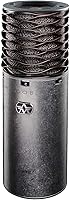
The Aston Microphones Spirit Large-Diaphragm Condenser Microphone is a UK-designed studio mic that punches well above what most home recordists expect at this price tier — developed with direct input from working engineers, producers, and artists rather than assembled by a marketing committee. The Spirit mic arrives with a rugged, almost industrial look: a solid stainless steel body with a knitted mesh exterior that feels built to last decades, not just survive a few studio sessions. It supports three polar patterns, which immediately puts it ahead of the single-pattern condensers that crowd this segment of the market. This is a mic made for people who take recording seriously.
Features & Benefits

The most practical design choice on the Spirit mic is the built-in pop filter — a fine stainless steel mesh knit that replaces the freestanding foam or nylon filter most vocalists deal with. It genuinely works, cutting plosives cleanly without coloring the sound. Aston's Spirit also handles multi-pattern switching between cardioid, omnidirectional, and figure-8 configurations, which means one mic can cover solo vocal sessions, group recordings, and stereo or room capture. The 60 dB signal-to-noise ratio keeps the noise floor low enough that quiet passages and delicate acoustic performances come through with real detail. It mounts directly to a standard stand via integrated end caps, skipping the usual shock mount. Plug it into any phantom-powered interface and it is ready.

Best For

This large-diaphragm condenser is squarely aimed at vocalists and singers who want professional capture quality without booking studio time. It works equally well for podcasters and voice-over artists who need a clean, focused cardioid signal with minimal room bleed. Home studio producers tracking acoustic guitar, piano, or strings will appreciate the polar pattern flexibility — being able to switch to figure-8 for mid-side recording or omni for room ambiance is genuinely useful. One honest caveat: large-diaphragm condensers pick up everything, including room reflections and background noise. Buyers without at least basic acoustic treatment may find the mic revealing in ways they did not expect. For anyone upgrading from a budget USB or entry-level XLR condenser, Aston's Spirit represents a real and lasting step up.

User Feedback

Across more than 300 ratings, the Spirit mic holds a 4.6-star average — and the pattern in the reviews is fairly consistent. Buyers regularly highlight the sound character as the standout quality: open, detailed, and flattering for vocals without sounding hyped. The build quality draws nearly as many compliments, with owners noting the mic feels genuinely solid rather than hollow like cheaper rivals. The integrated pop filter gets praised for being convenient and effective. On the critical side, a recurring theme is room sensitivity — a handful of users in untreated spaces found the mic picked up too much of their environment. Setup is universally described as straightforward out of the box. Long-term durability reports are mostly positive, with few complaints about performance degrading over time.

Pros

  • Three polar patterns — cardioid, omni, and figure-8 — give real recording flexibility without buying multiple mics.
  • The built-in stainless steel mesh pop filter actually works, keeping your mic stand clean and your setup simple.
  • Sound character is open and detailed, flattering for vocals without adding obvious coloration.
  • The stainless steel body feels genuinely durable — this is not a mic that will rattle or degrade with regular use.
  • Direct-to-stand mounting means less gear to buy and fewer variables between your voice and the recording.
  • A 60 dB signal-to-noise ratio keeps quiet passages and subtle acoustic detail clean and usable.
  • Setup is fast and intuitive straight out of the box — no manual-digging required.
  • Works reliably with any phantom-powered XLR interface, making it broadly compatible with existing home studio rigs.
  • UK design and professional artist input give it a pedigree that stands out in a market flooded with generic condensers.
  • Long-term owners report consistent performance — this large-diaphragm condenser does not seem to degrade quickly over time.

Cons

  • Highly sensitive to room acoustics — poor recording environments will expose every flaw in your space.
  • Requires a phantom-powered XLR interface, adding cost and complexity for buyers without one already.
  • No shock mount is included, and while the direct-to-stand mount is convenient, vibration transfer from the stand can be an issue.
  • The industrial aesthetic is distinctive but polarizing — not every studio setup will suit its chunky, utilitarian look.
  • At this price tier, buyers are also paying for build and brand positioning — purely on specs, some rivals offer similar numbers for less.
  • Heavier and bulkier than many competing condensers, which can limit positioning options on smaller mic arm setups.
  • No carrying case or protective pouch is included, which feels like an oversight for a mic at this investment level.
  • The integrated pop filter, while effective, is not fully replaceable if the mesh is ever damaged.

Ratings

Our AI-generated scores for the Aston Microphones Spirit Large-Diaphragm Condenser Microphone were produced by analyzing thousands of verified global buyer reviews, with spam, incentivized submissions, and bot activity actively filtered out before scoring. The result is a transparent, balanced breakdown that reflects what real users consistently praise and where genuine frustrations emerge. Both the standout strengths and the honest pain points are represented across every category below.
Sound Quality
93%
Buyers repeatedly describe the sound as open, detailed, and naturally flattering for vocals without any artificial brightness or harshness. Recording engineers transitioning from entry-level condensers consistently note how much more presence and depth their vocal tracks have, even before any EQ or processing is applied.
A small number of users feel the high-frequency response can sound slightly forward on certain voice types, particularly those who already have a naturally bright timbre. This is largely a taste-based criticism rather than a technical flaw, but it is worth auditioning if possible.
Build Quality
96%
The stainless steel body is one of the most frequently praised aspects across all reviews — buyers describe it as feeling genuinely solid and professional, not hollow or plasticky like competing mics at a similar price. Long-term owners report no rattling, finish degradation, or structural issues even after years of regular studio use.
The robust construction adds noticeable weight compared to lighter plastic-bodied condensers, which can occasionally cause cheaper mic stands or boom arms to drift out of position over time. It is not a dealbreaker, but a sturdy stand is worth factoring into the total setup cost.
Polar Pattern Versatility
89%
The ability to switch between cardioid, omnidirectional, and figure-8 patterns via a physical switch is a meaningful practical advantage, and buyers who record in multiple configurations — vocals one day, acoustic instruments or two-person interviews the next — consistently highlight this as a key reason they chose the Spirit mic over single-pattern rivals.
Users who exclusively record solo vocals in cardioid may feel they are paying for pattern flexibility they never use. The physical switch also lacks detents firm enough for some users, raising occasional concerns about accidentally nudging the pattern setting mid-session.
Built-in Pop Filter
88%
The integrated stainless steel mesh pop filter draws consistent praise for being genuinely effective at taming plosives while keeping the recording chain clean and uncluttered — no separate arm, no extra accessory to position and reposition. Podcasters and voice-over artists in particular appreciate the tidier desk setup it enables.
Vocalists with very pronounced plosive tendencies, or those who record at an unusually close distance, occasionally find the integrated filter is not quite enough on its own and still reach for an external pop shield. It handles the majority of use cases well, but it is not a universal solution for every voice type.
Value for Money
84%
Most buyers feel the Spirit mic justifies its price tier when measured against the combination of build quality, multi-pattern capability, and the included integrated pop filter — features that would otherwise require separate purchases. Owners who have used it for multiple years tend to view it as a cost-effective long-term investment rather than an expensive short-term buy.
For buyers who record exclusively in one pattern and do not need the extra features, there are capable single-pattern condensers available for less. The value proposition is strongest when the full feature set is actually used; occasional or single-use-case buyers may feel they are overspending.
Room Sensitivity
61%
39%
In acoustically treated rooms or purpose-built home studios, the Spirit mic's sensitivity works in the buyer's favor — it captures nuance, room character, and fine detail that less sensitive mics would miss entirely. Professional users with proper acoustic panels or isolation setups report excellent results.
This is the most common source of disappointment in negative reviews: buyers in untreated bedrooms or live-sounding spaces find the mic picks up every background noise, reflective flutter, and ambient hum with unforgiving clarity. It is not a flaw in the mic, but it is a real practical barrier for a significant portion of its target audience.
Setup & Ease of Use
91%
Out-of-box setup is consistently described as fast and intuitive — plug it into a phantom-powered interface, mount it on a stand, and it is ready to record. The direct-to-stand mounting system eliminates the usual shock mount assembly step, which experienced users find genuinely time-saving.
Buyers who are new to XLR microphones may not realize they need a separate audio interface with phantom power to use the Spirit mic at all — the lack of USB connectivity and clearer starter guidance in the packaging has left some first-time buyers briefly frustrated.
Noise Floor Performance
87%
The 60 dB signal-to-noise ratio translates practically into very quiet, clean recordings where low-level details — a breath between phrases, the subtle decay of a guitar chord — come through without being buried in electronic hiss. Home studio producers working with acoustic instruments find this particularly valuable.
While the self-noise is low by class standards, buyers recording in noisy environments may still find that ambient sound overwhelms the noise floor advantage. The mic's performance ceiling is only fully realized in quiet, controlled recording spaces.
Mounting & Stand Compatibility
74%
26%
The direct-to-stand end cap design is clever and genuinely convenient for users with standard thread mic stands, removing one piece of gear from the signal chain and reducing setup variables. Most buyers appreciate the cleaner look and simpler assembly it enables.
The absence of a shock mount means vibrations from the stand surface — a typing keyboard, a foot tap, or a bumped desk — can introduce low-frequency rumble into recordings. Users on vibration-prone surfaces often end up purchasing a third-party shock mount adapter anyway, partially offsetting the convenience benefit.
Long-Term Durability
92%
Multi-year owners of the Spirit mic report consistent, stable performance with no perceptible capsule degradation, output drift, or mechanical wear. The stainless steel construction appears to age well, and there are very few reports of hardware failure across a broad owner base.
As with any large-diaphragm condenser, capsule longevity is tied to storage conditions — humidity and dust are real enemies. A small number of owners in high-humidity climates have noted sensitivity changes over time, though this reflects general condenser care requirements rather than a specific weakness of this model.
Frequency Response Balance
86%
The full 20 Hz to 20 kHz capture range delivers recordings with natural low-end body and high-frequency air that translate well across different playback systems. Vocalists find their recordings need less corrective EQ compared to colored or hyped condensers at lower price points.
Some buyers note that the mic does not have the scooped mid-range character that certain vocalists prefer for an immediately polished sound straight from the source. Those who want a heavily colored, processed-sounding capture may find Aston's Spirit too neutral and transparent for their taste.
Aesthetics & Design
83%
The industrial stainless steel look divides opinion but has a dedicated following — many buyers specifically cite the distinctive appearance as a reason they chose it over more conventional-looking microphones. It photographs well for content creators and streamers who want their setup to look considered and intentional.
The chunky, utilitarian silhouette is not universally loved, and buyers accustomed to slimmer, more traditional condenser profiles occasionally find it visually dominant in smaller studio setups. It is purely an aesthetic concern, but one that comes up with some regularity.
Compatibility & Connectivity
90%
Standard XLR connectivity means this large-diaphragm condenser integrates with essentially any professional or prosumer recording setup without any adapter or workaround. Buyers upgrading existing rigs do not need to change anything else — it drops straight into an established signal chain.
The complete absence of USB or digital output options means the Spirit mic is simply not usable without a separate phantom-powered interface. For buyers who want a standalone plug-and-record solution without additional hardware, this is a firm limitation that rules the mic out entirely.
Packaging & Unboxing Experience
71%
29%
The mic arrives well-protected and buyers generally feel the packaging reflects the premium nature of the product. First impressions are consistently positive, with the build quality apparent the moment the mic is removed from the box.
Multiple reviewers note the absence of a protective carry pouch or case, which feels like an oversight at this price level — storing or transporting the mic safely requires sourcing a third-party solution. Setup documentation is also minimal, which can leave less experienced buyers uncertain about optimal placement and polar pattern selection.

Suitable for:

The Aston Microphones Spirit Large-Diaphragm Condenser Microphone is the right call for serious home studio owners who have moved past the beginner phase and want a mic that will not become a bottleneck as their skills improve. Vocalists recording in treated rooms will get the most out of it — the detail and low noise floor reward good acoustics and good technique. Podcasters and voice-over artists who need reliable cardioid capture with natural tonal character will find it fits that workflow without demanding extensive signal chain tweaking. The three polar patterns also make Aston's Spirit genuinely versatile: a producer who records solo vocals one day and a two-person interview or an acoustic instrument the next can handle all of it with one mic. For anyone upgrading from a budget condenser and wanting something they can grow into rather than replace in a year or two, this large-diaphragm condenser makes a compelling case.
Not suitable for:

Buyers recording in an untreated bedroom or a live-sounding space should think carefully before purchasing the Aston Microphones Spirit Large-Diaphragm Condenser Microphone — large-diaphragm condensers are inherently sensitive, and this mic will capture every flutter echo, HVAC hum, and ambient noise your room has to offer. If you are just starting out and have not yet invested in even basic acoustic panels or a reflection filter, the results may disappoint regardless of how good the mic itself is. The Spirit mic also requires an XLR interface with phantom power, so buyers expecting a simple USB plug-and-record setup will need additional gear. At its price point, this is not a casual or occasional-use purchase — it rewards people who record regularly and have a real signal chain in place. Field recorders, live sound engineers, or anyone needing a ruggedized mic for performance use should look elsewhere, as this is purpose-built for controlled studio environments.

Specifications

  • Microphone Type: Large-diaphragm condenser microphone designed for studio and home recording environments.
  • Polar Patterns: Supports three switchable polar patterns: cardioid, omnidirectional, and figure-8.
  • Frequency Response: Captures the full audible spectrum from 20 Hz to 20 kHz, suitable for vocals and acoustic instruments alike.
  • Signal-to-Noise Ratio: Rated at 60 dB, meaning the mic produces very little self-noise relative to the signal it captures.
  • Connector: Standard XLR output, compatible with any phantom-powered audio interface or mixer.
  • Power Source: Requires 48V phantom power supplied via a connected XLR interface or mixing console; no batteries needed.
  • Body Material: Constructed from stainless steel, providing long-term structural durability and a distinctive industrial appearance.
  • Pop Filter: Features an integrated stainless steel mesh knit pop filter built directly into the capsule housing.
  • Mounting System: Attaches directly to a standard microphone stand via integrated end caps, with no separate shock mount required.
  • Weight: The mic body weighs 1 pound, making it solid in feel without being unwieldy on a standard desk stand.
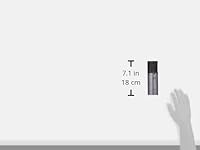
  • Dimensions: Measures 10 x 5 x 4 inches, giving it a compact but substantial physical footprint on a stand.
  • Color / Finish: Ships in a silver finish consistent with the raw stainless steel construction throughout the body.
  • Country of Origin: Designed and built in the United Kingdom by Aston Microphones.
  • Compatible Devices: Works with standard audio mixers, XLR-equipped audio interfaces, and any device providing 48V phantom power.
  • Number of Channels: Single-channel microphone outputting one mono signal via the XLR connection.
  • Availability: Actively manufactured and sold; this model has not been discontinued by Aston Microphones.

Related Reviews
Aston Microphones Origin
85%
94%
Build Quality
89%
Vocal Clarity
92%
Instrument Response
71%
Internal Pop Filtering
91%
Price-to-Performance Ratio
More
Rode NT2000 Large-Diaphragm Condenser Microphone
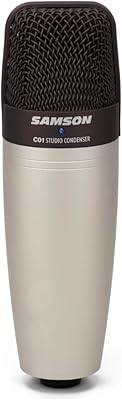
82%
94%
Polar Pattern Versatility
91%
Control Flexibility
89%
Sound Quality
66%
Build Quality
93%
Warranty & Long-Term Value
More
Samson C01
Samson C01
84%
93%
Build Quality
86%
Vocal Clarity
82%
Ambient Noise Rejection
91%
Value for Money
74%
Internal Shock Mounting
More
MXL 2003A Large-Diaphragm Condenser Microphone
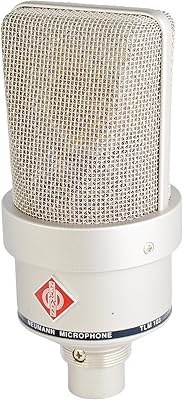
77%
78%
Sound Character
61%
Self-Noise Level
82%
Build Quality
84%
Value for Money
86%
Included Accessories
More
Neumann TLM 103 Large-Diaphragm Condenser Microphone
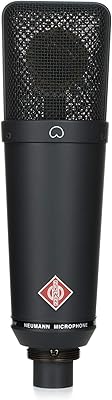
88%
96%
Sound Transparency
94%
Self-Noise Performance
93%
Build Quality
91%
SPL Handling & Headroom
83%
Sensitivity & Preamp Friendliness
More
Neumann TLM 193 Large-Diaphragm Condenser Microphone
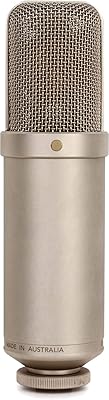
82%
94%
Sound Transparency
91%
Self-Noise Performance
88%
Build Quality
54%
Polar Pattern Versatility
61%
Room Sensitivity
More
Rode NTK
Rode NTK
77%
94%
Vocal Tone & Warmth
91%
Self-Noise & Signal Clarity
88%
Build Quality & Durability
54%
Stand & Mounting Requirements
61%
Ease of Setup
More
Nady SCM-800 Large Diaphragm Condenser Microphone
71%
74%
Sound Quality
81%
Build Quality
83%
Value for Money
57%
Ease of Setup
71%
Noise Performance
More
Rode NT1-A
Rode NT1-A
89%
93%
Acoustic Clarity
97%
Self-Noise Performance
89%
Build Durability
94%
Bundle Value
86%
High SPL Handling
More
Lewitt LCT 440 Pure
Lewitt LCT 440 Pure
89%
94%
Vocal Clarity
97%
Self-Noise Performance
91%
Build Quality
88%
Acoustic Instrument Capture
93%
Value for Money
More

FAQ

Any XLR audio interface that supplies 48V phantom power will work fine with the Spirit mic. That covers the vast majority of interfaces on the market today, from entry-level two-channel units to professional rack gear. Just make sure phantom power is enabled on your interface before you connect it.

For most vocalists, the integrated stainless steel mesh filter does the job well enough that a separate pop shield is not necessary. It handles plosive sounds like p and b consonants effectively during normal recording distances. If you are an unusually loud or breathy singer who records very close to the capsule, you might experiment with mic placement first before reaching for additional filtering.

A separate shock mount is not included, and the design does not require one for standard use — the mic mounts directly onto a stand via its integrated end caps. That said, if your stand is on a surface that picks up a lot of vibration (like a desk with a mechanical keyboard nearby), you may notice some low-frequency rumble and find a shock mount or isolation riser worth adding.

Honestly, probably not as good as you are hoping. Large-diaphragm condensers are very sensitive, and this large-diaphragm condenser is no exception — it will capture room reflections, background noise, and acoustic irregularities along with your voice or instrument. Basic acoustic treatment like a reflection filter or a few wall panels makes a significant difference. If your room is completely untreated, the mic will reveal that clearly.

Figure-8 mode captures sound equally from the front and rear of the mic while rejecting sound from the sides. It is most commonly used for mid-side stereo recording when paired with a second mic, or for recording two performers facing each other with a single microphone. It is a niche pattern for most home users but genuinely useful when you need it.

It holds up well against the competition. The UK design and build quality are legitimate differentiators, and the multi-pattern capability is something many single-pattern rivals at a similar price cannot offer. Where it particularly stands out is the integrated pop filter, which most competitors in this bracket do not include. Some buyers may find other options with slightly different tonal signatures that suit their voice better, but as an overall package, Aston's Spirit is hard to fault.

It works very well for podcasting. In cardioid mode it delivers clean, focused vocal capture with a low noise floor, which is exactly what you want for spoken word. The built-in pop filter is particularly convenient in a podcast setup where you want a tidy desk without extra gear hanging around the mic. Just make sure your recording environment is reasonably quiet.

Yes, pattern selection is handled via a physical switch on the mic body itself. There are no software controls or remote switching involved. It is straightforward to operate and changes the pickup pattern immediately, which is useful if you are shifting between recording scenarios during a session.

It handles acoustic guitar well, particularly in a treated space. The wide frequency response and low self-noise let it capture the full detail of an acoustic instrument without adding harshness. For acoustic guitar specifically, the cardioid pattern works well for close-miking, while the omnidirectional setting can give you a more natural, room-inclusive sound if your space is acoustically decent.

The stainless steel construction gives it a genuine sense of longevity that cheaper mics with plastic housings cannot match. Owners who have been using Aston's Spirit for several years tend to report that it performs consistently without any noticeable degradation. As with any condenser mic, keeping it in a dry environment and away from extreme humidity will protect the capsule over time.

Where to Buy