Overview

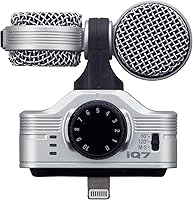
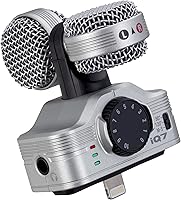
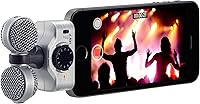
The Zoom iQ7 Mid-Side Stereo Microphone is a compact Lightning-connected mic that plugs directly into your iPhone or iPad — no batteries, no extra cables, no fuss. What sets it apart from other mobile microphones is its mid-side stereo technology, which lets you control how wide or narrow your stereo recording sounds. Think of it like an adjustable lens for audio: you can capture an expansive room-wide spread or pull the focus in tight toward a single source. It draws power straight from your device, works with the native camera app, and pairs with Zoom's free Handy Recorder app for added control.

Features & Benefits

The adjustable stereo width is the headline feature here — slide from a tight mono focus to a wide, room-filling image depending on the situation. A 60 dB signal-to-noise ratio keeps background hiss out of the picture, giving recordings a clean, professional character. The full 20,000 Hz frequency response ensures nothing gets lost, from warm low-mids to crisp high-end detail. Two-channel output gives editors flexibility during post-production, and the included foam windscreen does real work outdoors, taming wind noise without a bulky accessory rig. The unidirectional pickup pattern focuses on what is in front and rejects distracting sounds from the sides.

Best For

This Lightning mic is a natural fit for anyone doing serious creative work with a mobile device. Mobile journalists and interviewers will appreciate how quickly it connects and starts capturing clean stereo audio on location. Musicians can record rehearsals, performances, or quick song sketches without hauling extra gear. Short-form filmmakers get a genuine audio upgrade without adding a separate recorder to their kit. Podcasters who want portability without sacrificing quality will find it worth considering too. At under five ounces and drawing power directly from the device, it travels well — a real advantage for anyone who records on the go and values simplicity.

User Feedback

Most buyers who pick up this iOS stereo mic come away noticeably happier with their recordings than they were relying on the built-in iPhone microphone — that comparison comes up repeatedly in real-world reviews. The stereo width control earns genuine appreciation as something rarely seen at this price point. That said, two consistent criticisms surface: the requirement to enable airplane mode during recording catches people off guard in the field, and a handful of buyers have run into compatibility confusion around Lightning connector support. Casual users sometimes expect more plug-and-play simplicity than this mic delivers. For musicians and videographers willing to learn its quirks, satisfaction runs high.

Pros

  • Stereo width is adjustable in real time, giving creators control that most mobile mics simply do not offer.
  • Draws power directly from the Lightning port — no batteries to charge or forget.
  • Noticeably cleaner audio than any built-in iPhone microphone, with a 60 dB signal-to-noise ratio.
  • The foam windscreen is included and actually useful, not just a token accessory.
  • At under five ounces, this Lightning mic travels without adding meaningful weight to a kit bag.
  • Works with the native iOS camera app right out of the box — no mandatory third-party software.
  • Two-channel output gives editors real flexibility when mixing or adjusting stereo width in post.
  • Compatible with a wide range of iPhones going back to the iPhone 5, covering most Lightning-era devices.
  • The free Handy Recorder app adds recording controls without any extra cost.
  • Unidirectional pickup pattern helps reduce ambient noise bleed in real-world recording conditions.

Cons

  • Airplane mode is required during recording, meaning your phone is unreachable while the mic is in use.
  • Lightning-only connectivity makes it incompatible with Android devices and newer USB-C iPhones.
  • No onboard gain control or monitoring jack — adjustments have to happen in software.
  • The iQ7 struggles in loud, untreated environments; room acoustics still matter significantly.
  • Casual users who just want to hit record and walk away may find the setup steps frustrating.
  • No hard case or carrying pouch is included, leaving the capsules exposed during transport.
  • Compatibility details can be confusing — some buyers have purchased without realizing their device is unsupported.
  • Mid-side stereo width adjustment requires post-processing know-how to use to its full potential.

Ratings

The scores below reflect AI-powered analysis of verified buyer reviews for the Zoom iQ7 Mid-Side Stereo Microphone, sourced globally and filtered to exclude spam, incentivized submissions, and bot activity. Every category captures both what users consistently praised and where real frustrations emerged — nothing has been glossed over. The result is an honest, data-driven picture of how this iOS stereo mic actually performs in the hands of real creators.

Audio Quality
88%
Buyers consistently describe the jump from their iPhone's built-in mic as striking — voices come through cleaner, instruments have more body, and background hiss is far less noticeable. Musicians recording acoustic sessions and journalists capturing interviews both point to the 60 dB signal-to-noise ratio as a tangible real-world improvement.
In reverberant or loud environments, the mic picks up room character quite readily, reminding users that it is still a mobile tool rather than a studio-grade condenser. Some recordings in untreated spaces sound noticeably roomy, which requires post-processing effort to manage.
Stereo Width Control
91%
The adjustable mid-side stereo field is the feature that genuinely surprises buyers — being able to shift between a focused mono capture and a wide, immersive stereo image is something almost no competing mobile mic offers. Live music recorders and filmmakers in particular find this flexibility invaluable when the scene demands different spatial character.
Getting the most from the stereo width adjustment requires at least some familiarity with audio editing software, which trips up beginners. A few users never discovered the control existed at all, suggesting the feature could be surfaced more clearly in the setup process.
Ease of Use
72%
28%
Plugging directly into the Lightning port and launching the native camera app is genuinely fast — there is no pairing process, no driver installation, and no charging ritual before you start. For users who just want better audio without a complicated rig, the basic workflow is refreshingly direct.
The airplane mode requirement is a recurring complaint that catches buyers off guard the first time they try to record in the field. Combine that with needing to manage gain through a separate app rather than a physical dial, and the experience is more involved than many casual users expect.
Portability
93%
At under five ounces and roughly the footprint of a large USB stick, this Lightning mic disappears into a bag or jacket pocket without a second thought. Travel-focused creators — documentary makers, journalists on assignment, touring musicians — repeatedly cite how little it adds to their kit as a genuine selling point.
There is no included case or pouch, which means the exposed capsules are vulnerable during transport unless you improvise your own protection. A few buyers have reported minor damage from rattling around loose in a camera bag over time.
Build Quality
74%
26%
The housing feels solid and purposeful for its size, with a weight distribution that keeps it stable when plugged into an iPhone. Most users report no issues after extended regular use, and the connector fits snugly without any wobble on compatible devices.
The all-plastic construction does not inspire confidence during rugged field use, and a handful of buyers mention the Lightning connector tab feeling less robust after repeated plug-and-unplug cycles. It reads as a tool built for careful creative use rather than the punishment of a working journalist's daily bag.
Compatibility
63%
37%
The range of supported Lightning devices is genuinely broad — covering iPhones from the 5 through the 14 series and multiple iPad and iPod touch generations means most users with a Lightning device are covered without any extra hardware.
The Lightning-only design is an increasingly significant limitation as Apple transitions its lineup to USB-C, and Android users are completely excluded. Several buyers purchased without realizing their newer iPhone 15 or later would not connect, which drives down satisfaction scores among that group specifically.
Value for Money
79%
21%
For mobile content creators who record frequently, the audio upgrade relative to the asking price is hard to argue with — comparable stereo quality from a dedicated field recorder would cost considerably more and require extra equipment. Musicians and videographers who use it regularly feel the investment pays off quickly.
Casual users who record occasionally find it harder to justify the price, especially once they factor in the airplane mode restriction and the learning curve around stereo width. If your recording needs are light, the cost-per-use calculation becomes less favorable.
App Integration
77%
23%
The free Handy Recorder app adds real utility — level metering, file management, and stereo width control all in one place — and the fact that it costs nothing keeps the overall package feel generous. Working directly with the iOS camera app without any app at all is also a legitimate option for simpler shoots.
The Handy Recorder app has received mixed reviews on the App Store over the years, with some users reporting stability issues on newer iOS versions. A few buyers note that features they expected from the app were not where they anticipated finding them, adding friction to an otherwise simple device.
Wind Noise Rejection
66%
34%
The included foam windscreen does a reasonable job taming light wind and breath pops, and having it bundled in the box rather than sold separately is a thoughtful inclusion. For controlled indoor interviews or quiet outdoor settings on calm days, it performs well enough.
In any real outdoor wind — a breezy park, a street-side interview, a coastal shoot — the foam alone is not enough to prevent audible rumble from creeping into recordings. Buyers doing regular outdoor work tend to end up sourcing a more substantial windscreen separately.
Frequency Response
84%
The full 20,000 Hz response range means the iQ7 captures the complete audio spectrum without rolling off the high end the way cheaper mobile mics do. Acoustic guitarists and singers recording demos notice the added air and clarity compared to their previous mobile setups.
At the low end, the compact capsule design does not produce the depth or warmth that a larger diaphragm condenser would, which means bass-heavy sources like kick drums or bass guitars can sound thin. This is a physical constraint of the form factor rather than a flaw.
Noise Floor
82%
18%
In quiet recording environments — a home studio, a still conference room, a silent rehearsal space — the noise floor is impressively clean for a plug-in-powered device. Voice recordings in particular benefit from the low self-noise, coming across with a clarity that surprises users upgrading from basic mobile setups.
In noisier real-world settings, the unidirectional pattern can only do so much, and low-level hiss becomes more perceptible when recordings are pushed louder in post. It is not a dealbreaker, but users who record in imperfect spaces should not expect studio silence.
Setup Speed
69%
31%
For users already familiar with the workflow, going from pocket to recording takes under a minute — plug in, switch to airplane mode, open the app, and record. That speed suits run-and-gun video work or catching a spontaneous musical moment before it disappears.
The airplane mode step adds a layer of friction that slows things down at the worst possible moment, and new users often lose time figuring out why they are getting interference noise before someone tells them about the requirement. It is a fixable inconvenience that nonetheless affects the out-of-box experience.
Polar Pattern Performance
78%
22%
The unidirectional pickup does a solid job focusing on the intended source and suppressing sound from behind and to the sides — useful for interviews where ambient crowd noise would otherwise bleed into the recording. Journalists pointing the mic at a speaker in a moderately noisy environment get noticeably cleaner isolation than with omnidirectional alternatives.
The iQ7 is not a highly directional hypercardioid, so it still picks up a fair amount of the surrounding environment in challenging acoustic conditions. Users expecting surgical source isolation will find the pickup broader than anticipated.

Suitable for:

The Zoom iQ7 Mid-Side Stereo Microphone is a strong match for anyone who records seriously with an iPhone or iPad and wants a meaningful audio upgrade without adding bulk or complexity to their setup. Mobile journalists and documentary-style videographers will find the stereo width control particularly useful, since it lets them adjust how much of the surrounding environment they capture depending on the scene. Musicians who want to document rehearsals, capture live performance ideas, or sketch demos on the go get a genuinely capable stereo recording tool that fits in a jacket pocket. Content creators shooting interviews, short films, or social video will notice an immediate and obvious improvement over the built-in iPhone mic — the kind of difference that makes footage feel more polished. Podcasters who record in the field or want a travel-friendly backup mic will also get real value here, especially given that no external power source is needed.

Not suitable for:

The Zoom iQ7 Mid-Side Stereo Microphone is not the right tool for everyone, and a few dealbreakers are worth knowing upfront. Android users are entirely out of the picture — this is a Lightning-only device built exclusively for Apple hardware. Anyone who has already moved to a USB-C iPhone will need to verify compatibility carefully before buying, as the Lightning connector limits its future-proofing. The requirement to switch your phone to airplane mode during recording is a genuine inconvenience for anyone who needs to stay reachable on location, and that alone disqualifies it for certain professional workflows. It is not a studio microphone replacement — recordings made in untreated, noisy environments will still reflect those conditions. Buyers expecting zero learning curve or a completely invisible setup may find the app requirements and mode-switching more friction than they want.

Specifications

  • Brand: Manufactured by Zoom, a well-regarded audio equipment company with a long history in portable recording gear.
  • Model: The iQ7 is Zoom's mid-side stereo microphone designed specifically for Lightning-equipped Apple devices.
  • Connector: Uses a Lightning connector to plug directly into compatible iPhones, iPads, and iPod touch models.
  • Polar Pattern: Unidirectional pickup pattern focuses on audio from the front of the mic and reduces unwanted sound from the sides.
  • Stereo Type: Mid-side capsule configuration allows the stereo width to be adjusted from a tight mono focus to a broad stereo image.
  • Signal-to-Noise Ratio: Rated at 60 dB, which delivers clean, low-noise recordings suitable for music, interviews, and field audio.
  • Frequency Response: Captures audio across a full 20,000 Hz range, preserving both warm low-mids and crisp high-end detail.
  • Channels: Records in two channels, enabling stereo post-processing and stereo width adjustment during editing.
  • Power Source: Draws power directly from the connected iOS device via the Lightning port; no batteries or external power required.
  • Weight: Weighs 4.8 oz, making it one of the more travel-friendly external microphone options for mobile devices.
  • Form Factor: Mini and ultra-compact in design, built to attach directly to an iPhone or iPad without adding significant bulk.
  • Included Accessory: Ships with a foam windscreen that fits over the capsules to reduce wind noise and breath pops during recording.
  • Compatible Devices: Works with iPhone 5 through iPhone 14 series, select iPad generations, and iPod touch 5th through 7th generation models.
  • App Compatibility: Compatible with Zoom's free Handy Recorder app for iOS and also works directly with the native iOS camera app.
  • Hardware Platform: Designed for use with smartphones, tablets, and camera-adjacent mobile recording setups.
  • Dimensions: Product dimensions are approximately 9.25″ x 4.75″ x 2.5″ including packaging.
  • Availability: First made available in January 2015 and remains an active product, not discontinued by the manufacturer.

Related Reviews
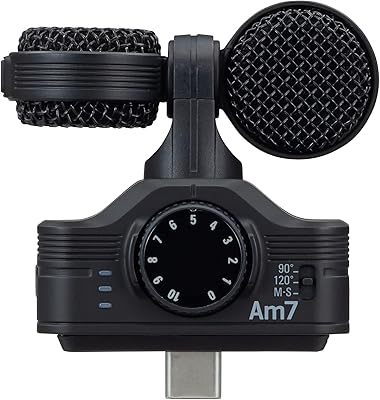
Zoom Am7
Zoom Am7
84%
91%
Audio Clarity
94%
Stereo Versatility
89%
Physical Controls
82%
Build & Portability
58%
Case Compatibility
More
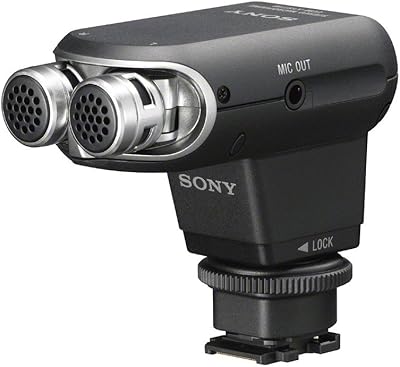
Sony ECM-XYST1M
Sony ECM-XYST1M
84%
94%
Ease of Use
88%
Audio Quality & Stereo Imaging
68%
Build Quality
97%
Battery & Power Management
84%
Value for Money
More
Fujifilm MIC-ST1 Stereo Shotgun Microphone
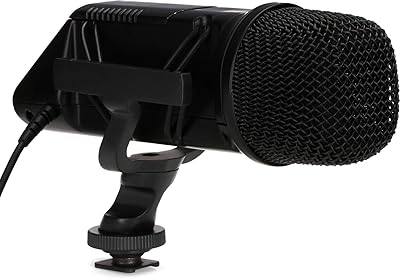
63%
71%
Audio Quality
44%
Camera Compatibility
88%
Ease of Setup
58%
Build Quality
53%
Value for Money
More
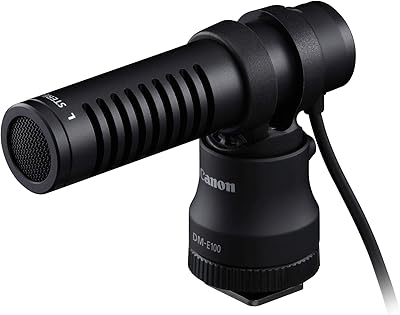
Canon DM-E100
Canon DM-E100
87%
96%
Portability
94%
Ease of Use
82%
Audio Clarity
88%
Value for Money
84%
Wind Noise Reduction
More
Sony ECM-680S MS Stereo Shotgun Microphone
77%
93%
Audio Quality
91%
Stereo Imaging
88%
Build Quality
86%
Self-Noise
54%
Connectivity
More
Shure MV88 iOS Condenser Microphone
80%
91%
Audio Clarity
93%
Build Quality
94%
Portability
86%
Polar Pattern Versatility
61%
App Experience
More
Canon DM-100
Canon DM-100
82%
83%
Audio Clarity
97%
Ease of Setup
94%
Portability & Weight
98%
Cable Management
96%
Battery Efficiency
More
Sony ECM-MS2 Stereo Shotgun Condenser Microphone
76%
91%
Audio Clarity
88%
Stereo Performance
86%
Build Quality
67%
Ease of Use
62%
Compatibility
More
Zoom F1-SP
Zoom F1-SP
86%
92%
Audio Quality
88%
Handling Noise Reduction
68%
Battery Life & Power Options
91%
Ease of Use & Menu Navigation
94%
Portability & Form Factor
More
Neumann KM 184 Stereo Set Microphone Pair
84%
96%
Sound Transparency
94%
Stereo Imaging Accuracy
92%
Noise Floor Performance
91%
Build Quality
89%
Transient Response
More

FAQ

It depends on which iPhone you have. The iQ7 uses a Lightning connector, so it works with any Lightning-equipped iPhone — that covers the iPhone 5 all the way through the iPhone 14 series. If your iPhone uses a USB-C port (iPhone 15 and later), this mic will not connect without an adapter, and even then compatibility is not guaranteed. Always double-check your device's connector type before purchasing.

Yes, and this is worth knowing upfront. Cellular and Wi-Fi signals can introduce interference into audio recordings, which is why airplane mode is recommended during use. It is a real inconvenience if you need to stay reachable while recording on location, so factor that into your workflow before buying.

No. This is a Lightning-only microphone built exclusively for Apple devices. Android phones use USB-C or other connectors and are not compatible with the iQ7.

Not necessarily. The mic works with the native iOS camera app right out of the box, so you can start recording video without downloading anything. Zoom also offers a free app called Handy Recorder that gives you more control over recording settings, including stereo width adjustment — it is worth grabbing if you want the full feature set.

Mid-side stereo is a recording technique that uses two capsules working together — one pointing forward to capture the direct source, and one picking up the wider surrounding space. The useful part is that you can adjust how much of each blend you want, either during recording or afterward in editing. In plain terms, it means you control how wide or narrow your stereo recording sounds, which is something most mobile microphones cannot do.

The difference is noticeable and not subtle. The built-in iPhone microphone is designed for phone calls and casual video, not clean audio capture. The Zoom iQ7 Mid-Side Stereo Microphone brings a significantly lower noise floor, true stereo recording, and far more detail across the frequency range. For anyone recording music, interviews, or any content where audio quality matters, the upgrade is meaningful.

There is no headphone jack on the mic itself, so hardware monitoring is not available directly through the device. You would need to use software monitoring through the Handy Recorder app or rely on post-recording playback to check your audio quality.

It helps, especially with light wind and breath noise. For moderate outdoor conditions it does a reasonable job. In stronger wind, the foam alone may not be enough, and a more robust dead-cat style windscreen would give better results — though that is a common limitation of compact foam windscreens across most microphone brands.

Not really. At under five ounces and with a compact form factor, the Lightning mic sits against the bottom of your phone without making it feel unwieldy. It is small enough to fit in a coat pocket alongside your phone, which makes it genuinely practical for on-the-go use.

No physical controls are built into the mic body. Gain and recording level adjustments need to be handled through the Handy Recorder app or within your recording app of choice. This keeps the hardware minimal and lightweight, but it does mean you need to manage levels through software rather than a dial or button.

Where to Buy