Overview

The Fujifilm MIC-ST1 Stereo Shotgun Microphone is a first-party audio accessory built specifically to complement a handful of Fujifilm mirrorless and compact cameras from the early X-series era. Released in January 2013, it arrived when Fujifilm was actively building out a native accessories ecosystem. The shotgun-style form factor keeps things compact — under three ounces — which matters when you're shooting handheld all day. It connects via USB rather than a standard audio jack, which is worth knowing before you buy. Think of it as a purpose-built upgrade for shooters already committed to the Fujifilm platform, not a universal audio solution.

Features & Benefits

The unidirectional pickup pattern is probably the most practical upgrade this Fujifilm mic offers over a built-in camera mic — it focuses on what's directly in front of the lens and pushes background clutter aside. Stereo capture adds a layer of spatial realism that mono recordings simply can't replicate. The design also works to reduce mechanical noise from camera buttons and controls, a small but genuinely useful touch for run-and-gun video. It draws power directly through the cable, so there's no battery management to worry about mid-shoot. A stand-compatible build adds flexibility if you'd rather use it off-camera.

Best For

This stereo shotgun mic is a tight fit for a specific type of shooter: someone already using the Fujifilm X-E1, X100s, X20, X-S1, or HS50EXR and looking to improve video audio without adding a separate recorder or mixer. Solo vloggers and travel videographers will appreciate how little weight it adds to the rig. It's also a solid starting point for anyone who has been relying on the camera's built-in mic and wants a genuine step up without navigating an overwhelming range of third-party options. If your camera isn't on that supported list, though, this simply isn't the mic for you.

User Feedback

With a 3.9 out of 5 rating across 68 reviews, the MIC-ST1 lands in solid-but-not-exceptional territory. Buyers who appreciate the plug-and-play setup tend to come away satisfied — no drivers, no configuration, just noticeably better audio than the camera alone delivers. The criticism side is more instructive. Several users find the USB connection disorienting, having expected the standard 3.5mm jack that most external mics use. Others question whether the audio quality justifies the cost when cheaper third-party shotgun options exist. Build quality and durability also surface occasionally as concerns, so it's worth factoring that into your decision.

Pros

  • Plug-and-play setup with no drivers or configuration required — just connect and shoot.
  • Stereo capture adds real spatial depth that built-in mono camera mics cannot replicate.
  • Unidirectional polar pattern keeps focus on your subject and reduces distracting background noise.
  • Draws power directly from the camera connection, eliminating the need to manage extra batteries.
  • At under three ounces, this Fujifilm mic adds virtually no weight to a travel kit.
  • Stand-compatible design gives you the option to use it off-camera when needed.
  • Reduces mechanical camera noise bleed, which is a common and annoying issue with on-camera audio.
  • First-party accessory means guaranteed compatibility with supported Fujifilm models — no guesswork.

Cons

  • USB connector type is unusual for a microphone and will likely surprise buyers expecting a 3.5mm jack.
  • Strictly limited to five specific Fujifilm camera models — useless if you upgrade or switch bodies.
  • Third-party shotgun mics at similar price points often offer wider compatibility and competitive audio quality.
  • A 3.9-star average rating across 68 reviews suggests the MIC-ST1 does not fully satisfy a notable portion of buyers.
  • Build quality and cable durability have been flagged in user feedback as potential weak points over time.
  • Audio improvement over built-in mics is real but not dramatic — experienced listeners will notice the ceiling.
  • No wireless or multi-channel option; single wired channel limits flexibility for more complex recording setups.

Ratings

The scores below reflect an AI-assisted analysis of verified global buyer reviews for the Fujifilm MIC-ST1 Stereo Shotgun Microphone, with spam, bot-generated, and incentivized feedback actively filtered out before scoring. Each category was evaluated against real-world usage patterns reported by hobbyist videographers, travel shooters, and solo content creators. Both the genuine strengths and the honest frustrations in the data are transparently reflected in every score.

Audio Quality
71%
29%
Users consistently note a clear and meaningful step up from the built-in camera mic, particularly in dialogue clarity and stereo imaging. For casual vloggers shooting indoors or in controlled environments, the spatial depth the stereo capture adds is immediately noticeable.
Against third-party shotgun mics at comparable price points, the audio ceiling feels limited to a portion of buyers. Background noise rejection in busier outdoor environments leaves some users underwhelmed, and the overall fidelity won't satisfy anyone with semi-professional expectations.
Camera Compatibility
44%
56%
For shooters using one of the five officially supported Fujifilm bodies — the X-E1, X100s, X20, X-S1, or HS50EXR — compatibility is rock solid with absolutely no configuration required. First-party engineering means it just works, every time.
The compatibility limitation is the single biggest source of frustration in user feedback. Anyone outside that narrow list of bodies is entirely locked out, and as Fujifilm's lineup has evolved well beyond these models, the MIC-ST1's relevance has shrunk considerably over time.
Ease of Setup
88%
Plug-and-play is the phrase that comes up repeatedly among satisfied buyers. There are no drivers to install, no menu settings to navigate, and no syncing process — connect it and start recording, which is exactly what most hobbyist shooters want.
The only setup-related friction surfaces when buyers realize the connector is USB rather than the expected 3.5mm jack. This catches enough users off guard that it generates repeat mentions in negative feedback, even though the connection itself functions without issues once they understand it.
Build Quality
58%
42%
The lightweight plastic construction keeps the form factor compact and easy to carry, which travel shooters appreciate when they're managing a full day of handheld shooting without wanting extra bulk on the camera.
Cable durability and overall build robustness surface as genuine concerns in longer-term user reviews. The plastic housing feels adequate for occasional use but raises questions about how it holds up under regular, daily-use shooting conditions over months of ownership.
Value for Money
53%
47%
For a buyer who prioritizes first-party compatibility and hassle-free setup above all else, the MIC-ST1 delivers on those specific terms. The zero-battery operating cost is a small but real ongoing benefit compared to battery-powered alternatives.
The price-to-performance debate is one of the most recurring themes in user feedback. Third-party shotgun microphones with standard 3.5mm connectivity, wider camera compatibility, and competitive audio quality are readily available, making the MIC-ST1 a tough sell purely on value grounds.
Portability
86%
At under three ounces, the MIC-ST1 adds almost nothing to a travel kit. Solo documentary and travel shooters frequently call out how little it disrupts the handling balance of the camera, which matters during long days of shooting on location.
The physical footprint at 6.9 inches long is not tiny, and while the weight is negligible, fitting it in a packed camera bag without the risk of stress on the USB connection point is a minor but real practical concern for on-the-go shooters.
Noise Rejection
67%
33%
The unidirectional polar pattern does a credible job isolating audio from directly in front of the lens, and the design reduces mechanical camera noise from button presses — a specific and genuinely useful feature that built-in mics completely fail at.
In wind or loud ambient environments, noise rejection falls short of what more specialized or higher-grade shotgun mics offer. Users shooting outdoors without an aftermarket windscreen report that wind interference can be a real problem.
Connector Design
39%
61%
The USB power delivery integration is a clever engineering choice in isolation — it eliminates any need for battery management and keeps the accessory footprint minimal on supported camera bodies.
In practice, the USB connector type generates more buyer confusion and frustration than almost any other aspect of this mic. Most external microphone buyers are conditioned to expect a 3.5mm jack, and the unconventional connection limits any potential use outside the supported Fujifilm body list.
Stereo Performance
74%
26%
The stereo imaging is the MIC-ST1's most frequently praised technical feature among satisfied users. For interview setups or narrative video where a sense of space in the audio matters, the two-channel output adds a layer of realism that mono built-ins simply cannot replicate.
Stereo width and separation are functional but not expansive by external microphone standards. Users comparing it directly to dedicated stereo recording options note that the imaging feels narrow, which limits its appeal for applications where rich spatial audio is a priority.
Mounting Flexibility
72%
28%
Stand compatibility is a genuinely useful feature that buyers running solo interview or desk-based recording setups appreciate. It means the mic doesn't have to live exclusively on the camera, which opens up more versatile recording configurations.
The mounting system is basic, and there is no cold shoe adapter or accessory bundle included based on available product data. Users wanting a more secure or versatile mounting arrangement may need to source additional hardware separately.
Wind Noise Handling
46%
54%
Indoors and in calm conditions, wind noise is a non-issue and the mic performs cleanly. For users primarily shooting in controlled interior environments, this category barely registers as a concern in their day-to-day use.
No windscreen appears to be included in the box, which is a notable omission for a mic marketed toward video recording. Outdoor shooters dealing with even moderate breezes report audible wind interference, and sourcing a compatible aftermarket windscreen adds friction to the ownership experience.
Long-Term Durability
55%
45%
For users who shoot intermittently — weekend trips, occasional events, or casual vlogging sessions — the build holds up adequately. The lightweight materials are sufficient for the light-duty use case the mic was clearly designed around.
Users who shoot frequently or handle gear roughly report concerns about the longevity of the cable connection and the plastic housing over time. The durability profile suggests this is a casual-use accessory rather than a workhorse tool built for sustained heavy shooting schedules.

Suitable for:

The Fujifilm MIC-ST1 Stereo Shotgun Microphone was built with a very specific shooter in mind: someone already invested in Fujifilm's early X-series or HS-series ecosystem who wants better video audio without adding complexity to their kit. If you own a Fujifilm X-E1, X100s, X20, X-S1, or HS50EXR and have been frustrated by the flat, ambient-heavy sound from the built-in mic, this is the most straightforward upgrade available. Solo travel videographers and vloggers will find the lightweight form factor genuinely convenient — it adds almost nothing to your bag and draws power directly from the camera connection. First-time external mic buyers will also appreciate the no-fuss plug-and-play setup, with no drivers or menu diving required. For anyone who values guaranteed first-party compatibility over hunting down adapter solutions, the MIC-ST1 is a sensible, low-friction choice.

Not suitable for:

If your camera is not on the official compatibility list — the X-E1, X100s, X20, X-S1, or HS50EXR — the Fujifilm MIC-ST1 Stereo Shotgun Microphone is simply not an option, and no workaround will change that. Shooters expecting a standard 3.5mm audio connection will be caught off guard by the USB interface, which is genuinely unconventional in the microphone world. Anyone comparing this mic against third-party shotgun options in the same price range may find that competing products offer broader compatibility and comparable or better audio quality. Serious videographers or semi-professional content creators with demanding audio standards are likely to outgrow what this mic can deliver fairly quickly. It is also worth noting that build quality concerns have surfaced in user feedback, so it may not be the best long-term investment for heavy, daily-use shooting.

Specifications

  • Brand: Manufactured and sold by Fujifilm, a first-party accessory designed specifically for select Fujifilm camera models.
  • Model: The model designation is MIC-ST1, with manufacturer part number 74053.
  • Form Factor: Shotgun-style microphone body suited for on-camera mounting or stand placement.
  • Polar Pattern: Unidirectional pickup pattern focused on capturing audio from directly in front of the microphone while rejecting off-axis sounds.
  • Audio Output: Records in stereo, delivering a two-channel spatial sound field rather than a flat mono signal.
  • Connector Type: Connects via USB, which is an atypical interface for external microphones — not a standard 3.5mm audio jack.
  • Power Source: Powered entirely through the wired USB connection, requiring no separate batteries or external power supply.
  • Dimensions: The microphone body measures 6.9 x 4.1 x 1.8 inches (L x W x H).
  • Weight: Weighs 2.88 ounces (approximately 0.18 lbs), keeping on-camera balance minimal.
  • Color: Available in black only.
  • Compatible Devices: Officially compatible with the Fujifilm X-E1, X100s, X20, X-S1, and HS50EXR camera models only.
  • Stand Support: Includes stand-compatible mounting, allowing the microphone to be used off-camera on a desk or boom stand.
  • Noise Reduction: Engineered to reduce mechanical noise bleed caused by camera button presses and operational vibrations during recording.
  • Hardware Platform: Designed exclusively for use with Fujifilm camera hardware; not compatible with computers, smartphones, or non-Fujifilm devices.
  • Release Date: First made available in January 2013, coinciding with the early expansion of Fujifilm's X-series camera lineup.
  • UPC: The UPC identifier for this product is 074101018486.
  • Manufacturer: Fujifilm Corporation is listed as the manufacturer; the product is not discontinued as of available records.

Related Reviews
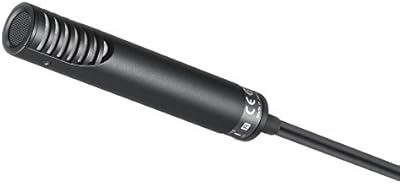
Sony ECM-MS2 Stereo Shotgun Condenser Microphone
76%
91%
Audio Clarity
88%
Stereo Performance
86%
Build Quality
67%
Ease of Use
62%
Compatibility
More
Sony ECM-680S MS Stereo Shotgun Microphone
77%
93%
Audio Quality
91%
Stereo Imaging
88%
Build Quality
86%
Self-Noise
54%
Connectivity
More
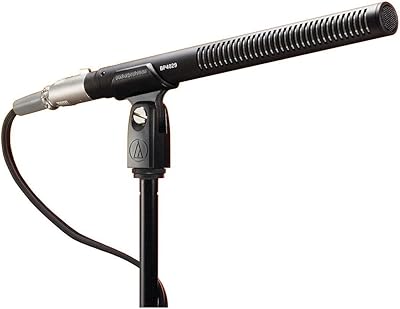
Audio-Technica BP4029 Stereo Shotgun Microphone
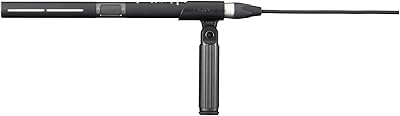
79%
91%
Audio Quality
93%
Stereo Flexibility
88%
Build Quality
54%
Wind Noise Rejection
62%
Value for Money
More
Zoom SSH-6 Stereo Shotgun Mic Capsule
85%
92%
Dialogue Clarity
94%
Stereo Width Adjustment
88%
Ecosystem Compatibility
86%
Value for Money
91%
Phase Coherence
More
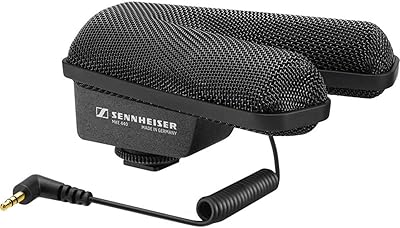
Sennheiser MKE 440
Sennheiser MKE 440
85%
93%
Audio Quality
88%
Stereo Width & Imaging
91%
Build Quality
89%
Handling Noise & Vibration Rejection
87%
Sensitivity Adjustment
More
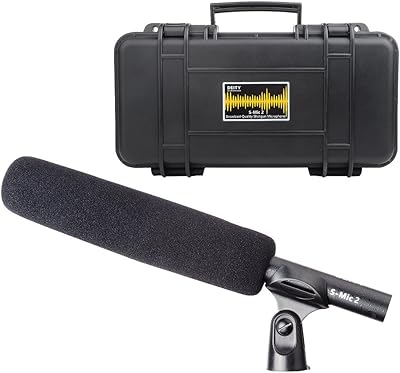
Deity S-Mic 2 Shotgun Condenser Microphone
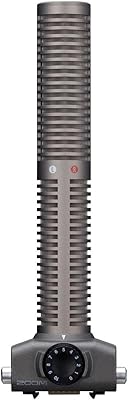
78%
88%
Audio Clarity
84%
Off-Axis Rejection
67%
Build Quality
86%
Value for Money
83%
Included Accessories
More
Deity V-Mic D3 Shotgun Microphone
81%
83%
Audio Clarity
46%
Wind Rejection
86%
Build Quality
91%
Value for Money
89%
Ease of Setup
More
Zoom Am7
Zoom Am7
84%
91%
Audio Clarity
94%
Stereo Versatility
89%
Physical Controls
82%
Build & Portability
58%
Case Compatibility
More
Pixel M80 Shotgun Microphone
74%
74%
Audio Clarity
71%
Noise Rejection
38%
Wind Resistance
67%
Build Quality
83%
Value for Money
More
Rode VideoMic with Rycote Lyre
83%
92%
Vocal Clarity
94%
Vibration Isolation
89%
Build Durability
91%
Ease of Use
58%
Power Management
More

FAQ

Unfortunately, no. The MIC-ST1 is only officially compatible with five specific models: the X-E1, X100s, X20, X-S1, and HS50EXR. Fujifilm's newer X-series bodies use a different accessory ecosystem, so this mic simply won't connect or function with them.

It's a fair question and one that catches a lot of buyers off guard. Fujifilm designed the MIC-ST1 to plug directly into the proprietary USB port found on compatible X-series cameras, which also handles power delivery. There's no standard headphone-style audio jack involved, so you can't use it with a generic mic input or adapter.

For most users, yes — especially in terms of directionality and stereo separation. The built-in mics on these Fujifilm cameras are functional but pick up a lot of ambient noise and camera handling sounds. This mic focuses audio capture in front of the lens and adds a stereo layer that built-ins can't match. That said, it's not a professional-grade audio solution, and demanding users may still want a dedicated audio recorder.

No, the MIC-ST1 draws all of its power through the USB connection to your camera. There's nothing to charge or replace, which is convenient when you're out shooting and don't want to manage extra gear.

Yes, it does support stand mounting, so you're not locked into on-camera placement. This can be useful for interview setups or stationary recording scenarios where you want the mic closer to your subject than the camera position allows.

Third-party options often have a real edge here — brands like Rode and BOYA offer mics with broader camera compatibility, standard 3.5mm connections, and comparable or stronger audio performance. The MIC-ST1's main advantage is guaranteed first-party compatibility and zero setup friction with supported Fujifilm bodies. If you're not locked into the Fujifilm ecosystem, the third-party market is worth exploring.

The MIC-ST1 doesn't include a headphone monitoring output — audio monitoring capability depends entirely on whether your specific Fujifilm camera model supports it through its own hardware. Check your camera's manual to see if it offers a headphone jack or monitoring option independent of the mic.

It's a lightweight plastic build, which keeps the weight down but also means it isn't particularly rugged. Some users have noted concerns about cable durability over extended use. It's fine for regular hobbyist shooting, but it probably isn't something you'd want to take into harsh environments without a protective case.

Like most external microphones without a dedicated windscreen or dead cat, the MIC-ST1 can pick up wind interference in outdoor conditions. Fujifilm does not appear to include a windscreen in the box, so if you plan to shoot outdoors regularly, it's worth looking into a compatible foam or furry windscreen that fits the capsule housing.

As of available records, Fujifilm has not officially discontinued the MIC-ST1. However, given that it launched in 2013 and targets a narrow set of older camera models, stock availability through mainstream retailers can be inconsistent. Checking authorized resellers or Fujifilm directly is the safest route if you want a new unit.