Overview
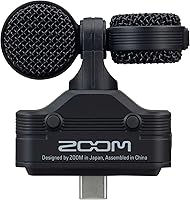
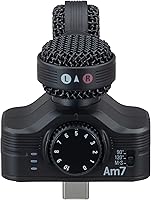
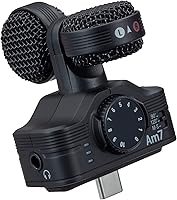
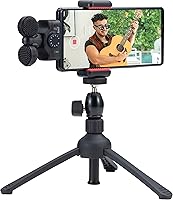
Most built-in smartphone microphones fall flat when you are trying to capture anything more complex than a voice memo, which is where the Zoom Am7 comes in. This Android mic plugs directly into your USB-C port, instantly transforming a standard phone into a capable field recorder. It is remarkably light at just 32 grams, making it easy to toss into a pocket or gear bag for spontaneous sessions. One of its smartest design choices is the rotatable capsule. Because the mic head flips, you can maintain the correct left-right stereo image whether you are using the front or rear camera. It is a true plug-and-play solution that solves the frustration of muffled mono audio without requiring a bulky interface or extra cables.
Features & Benefits
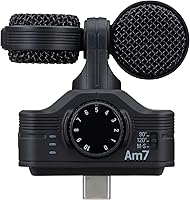
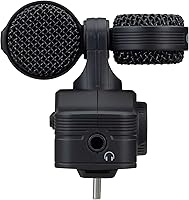
Total control is the priority here, starting with the hardware gain wheel located right on the chassis. Adjusting levels with a physical dial feels much more reliable than fumbling with digital sliders on a touchscreen during a live recording. This stereo capsule utilizes Mid-Side technology, which captures a center signal and side information separately. This allows you to adjust the stereo width from a focused 90 degrees to a wide 120 degrees depending on the environment. You also get a dedicated 3.5mm jack for zero-latency monitoring, ensuring you hear exactly what is being captured in real time. The onboard LED clip meter is another professional touch, providing an immediate visual warning if your levels start hitting the red zone.
Best For
This USB-C microphone is a natural fit for vloggers and TikTok creators who need their audio quality to match their high-definition video. It is equally valuable for musicians who want to record a quick rehearsal or a new melody without setting up a full studio. Journalists will appreciate how discreet the setup remains during field interviews, allowing for high-fidelity captures in public spaces without drawing unwanted attention. Even for mobile podcasters, it serves as a compact alternative to a traditional desktop rig. If you find yourself frequently recording in unpredictable environments where you need to switch between a wide soundstage and a narrow focus, the flexibility of this Android mic makes it an essential tool for your mobile kit.
User Feedback
Longtime users often point to the massive improvement in clarity as the primary reason to pick up the USB-C microphone. The ability to flip the capsule for selfie-mode video is a frequent highlight in community discussions. However, there is a practical hurdle to keep in mind: the connector is quite short. If you use a thick protective case on your phone, you might find that this stereo capsule cannot seat fully without an extension or removing the cover. While this is a minor annoyance, the trade-off is a sturdy, direct connection that stays put. Most agree that the physical gain dial is a standout feature, as it offers a level of precision that software-only solutions simply cannot match for serious audio work.
Pros
- The rotatable capsule ensures you never have to worry about inverted stereo channels when switching camera modes.
- A dedicated hardware gain wheel allows for smooth, tactile input adjustments without needing to touch the phone screen.
- Mid-Side technology gives you the rare ability to adjust the stereo width after the recording is finished using the companion app.
- Integrated headphone jack provides essential zero-latency monitoring to catch audio issues before the session ends.
- At just 32 grams, this stereo capsule adds virtually no bulk or strain to your mobile setup or gimbal balance.
- The three-level LED clip meter offers a clear, immediate visual warning to prevent distorted or blown-out recordings.
- Bypasses poor-quality internal smartphone microphones to deliver professional-grade clarity for music and video.
- Simple plug-and-play design means you can start capturing high-fidelity audio within seconds of connecting to your device.
Cons
- The short USB-C connector often fails to seat properly if your phone is in a thick or rugged protective case.
- Its lightweight plastic construction feels somewhat fragile and may not survive heavy-duty use without a protective pouch.
- The gain dial lacks a physical lock, making it easy to accidentally bump your levels during active movement or handheld shots.
- Audio resolution is capped at 16-bit, which may not satisfy users looking for the highest possible dynamic range for post-production.
- It draws power directly from the smartphone battery, which can noticeably impact your recording time during long sessions.
- The companion app can occasionally feel dated or unstable on certain manufacturer skins or older Android versions.
- A lack of a built-in windscreen means you will likely need an external fuzzy cover for any outdoor recordings.
- The 3.5mm monitoring output can be a bit quiet, requiring high-sensitivity headphones in loud environments like concert venues.
Ratings
Our analysis of the Zoom Am7 incorporates thousands of data points from verified global owners while filtering out incentivized or low-quality noise. This AI-synthesized scorecard offers a transparent look at how this Android mic performs in the wild, highlighting both its technical brilliance and its practical limitations for mobile creators.
Audio Clarity
Stereo Versatility
Physical Controls
Build & Portability
Case Compatibility
Monitoring Capabilities
Visual Feedback
Rotatable Design
Software Integration
Value for Money
Suitable for:
The Zoom Am7 is an ideal match for mobile content creators who prioritize audio quality but need to keep their gear footprint small. Vloggers and TikTok influencers will find the rotatable capsule particularly useful for maintaining a proper stereo field when flipping between the front and rear cameras. Musicians and field journalists also benefit from the adjustable stereo width, allowing them to capture the natural ambiance of a room or focus tightly on a single sound source. If you frequently find yourself recording rehearsals or interviews in unpredictable environments, the tactile controls on this Android mic provide a level of reliability that software alone cannot match.
Not suitable for:
This accessory is not a great fit for users who rely on thick, rugged, or battery-style protective phone cases due to its short USB-C connector. Professional studio engineers might also find the Zoom Am7 limiting, as its 16-bit audio resolution lacks the dynamic headroom found in high-end 24-bit recorders. Furthermore, if you primarily record voice-only podcasts in a stationary environment, a dedicated XLR or USB desktop microphone will likely offer better long-term durability and sound isolation. Those who switch frequently between Android and iOS devices should also reconsider, as this specific model is locked into the USB-C Android ecosystem.
Specifications
- Capsule Type: The device features a Mid-Side stereo condenser configuration with one directional mid mic and one bidirectional side mic.
- Stereo Width: The stereo soundstage can be toggled between 90°, 120°, or a raw Mid-Side mode for post-production flexibility.
- Audio Resolution: It supports digital audio conversion at 44.1 or 48 kHz sampling rates with 16-bit depth.
- Connectivity: It uses an integrated USB Type-C connector for digital output and a 3.5mm stereo mini-jack for monitoring.
- Maximum SPL: The microphone is rated to handle sound pressure levels up to 120 dB without clipping.
- Input Gain: A manual hardware dial provides an adjustable gain range from +3 to +43 dB.
- System Support: This model is compatible with Android 10 or later, though some limited functionality may exist on Android 9.
- Weight: The unit is extremely portable and lightweight, weighing approximately 31.8 g.
- Dimensions: The physical footprint of the microphone is 54.5 mm by 57.5 mm by 28.1 mm.
- Indicators: A three-segment LED meter provides real-time visual monitoring of input signal levels and clipping.
- Power Source: The microphone operates on plug-in bus power supplied directly from the connected smartphone.
- Rotating Capsule: The mic head rotates manually to maintain proper stereo alignment in both vertical and horizontal video modes.
- Box Contents: The retail package includes the stereo microphone, a foam windscreen, and an operation manual.
- Warranty: The product typically includes a limited 1-year manufacturer warranty for parts and labor.
Related Reviews
Canon PowerShot Zoom Compact Telephoto Monocular
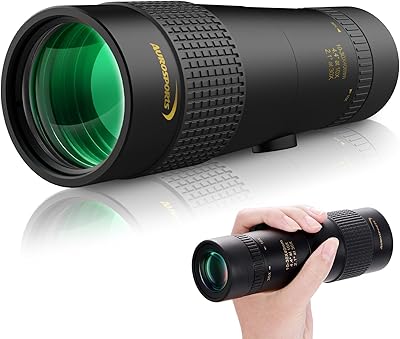
Aurosports 10-30x40 Zoom Monocular
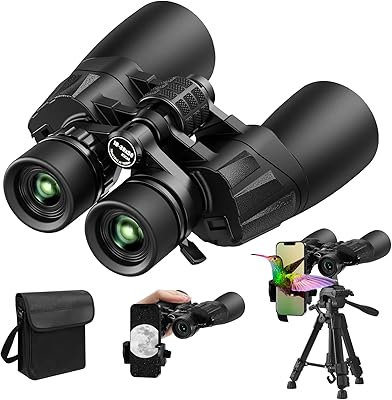
EEDABROS 10-30x50 Zoom Binoculars Pro+
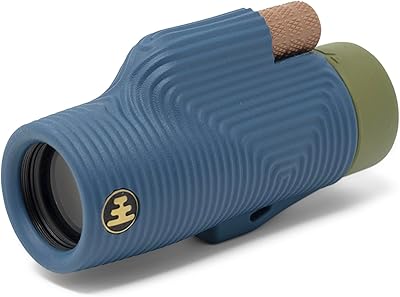
Nocs Provisions Zoom Tube 8x32 Monocular
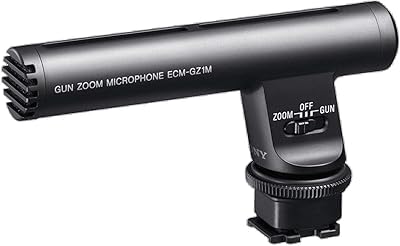
Sony ECMGZ1M Gun Zoom Microphone
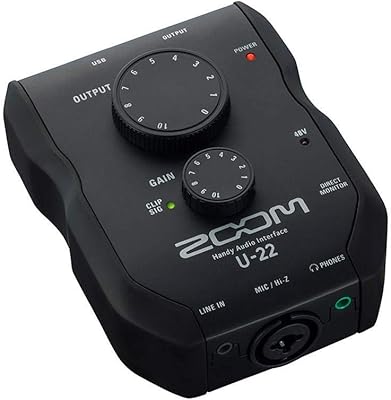
Zoom U-22 USB Audio Interface
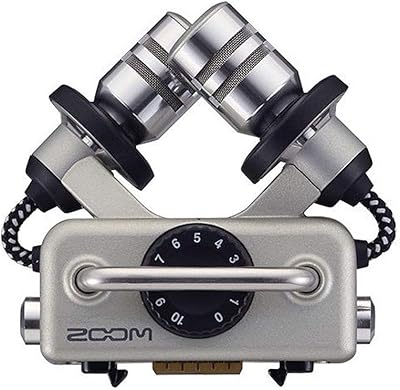
Zoom XYH-5 X/Y Stereo Microphone Capsule
Zoom F1-SP
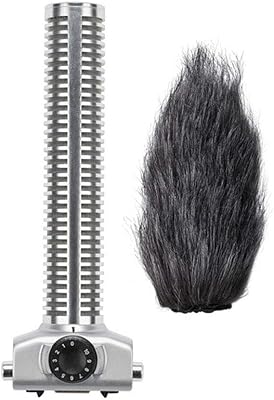
Zoom SGH-6 Shotgun Microphone Capsule