Overview

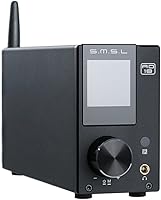
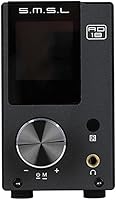
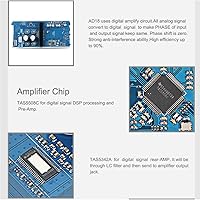
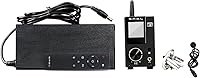
The SMSL AD18 Digital Stereo Amplifier is a small but surprisingly capable Class D amp built for anyone who wants real hi-fi performance on a desk without the bulk of a traditional receiver. At roughly the size of a thick paperback book, the physical footprint is genuinely minimal — yet the engineering inside is not. SMSL chose a dual-chip TI architecture, pairing the TAS5508C and TAS5342, which is a meaningful decision rather than a cost-cutting one. This is a mid-range unit, honest about what it is: a strong performer for the price, not a reference-grade audiophile piece. The solid metal chassis doesn't flex or rattle, and it looks at home on any desk.

Features & Benefits

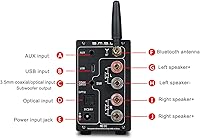
Six inputs in a box this small is genuinely unusual. The AD18 covers USB, coaxial, two optical connections, analog RCA, and Bluetooth 4.2 with apt-X — plus NFC tap-to-connect, which works exactly as advertised. The 80W×2 Class D output has real headroom for bookshelf speakers, and the dedicated subwoofer pre-out means building a 2.1 setup requires no extra hardware. USB audio tops out at 24-bit/96kHz, which is worth knowing if you are chasing hi-res files — the SPDIF input has the same practical ceiling on this unit. The independent headphone circuit is a genuine convenience, though it is best treated as a secondary feature rather than a dedicated headphone stage.

Best For

This compact amp makes most sense for desktop listeners who are tired of juggling multiple source switches and want one tidy unit handling everything — USB from a PC, optical from a TV or game console, and Bluetooth from a phone, all feeding the same pair of speakers. It is a strong fit for anyone upgrading from an entry-level receiver or soundbar who wants noticeably better sound without sacrificing counter space. The 2.1 system flexibility, thanks to that subwoofer output, gives it more versatility than most competitors at this size. Bedroom and small-room setups are natural homes for it. It is not the right tool for large rooms or power-hungry planar headphones.

User Feedback

Owners consistently describe the sound as clean and punchy, with the consensus being that this desktop amplifier genuinely overdelivers relative to its price bracket. The NFC pairing gets specific praise — people who use it daily call it out as one of the AD18's best quality-of-life touches. That said, a few things draw consistent criticism. The included remote control feels lightweight and plasticky in a way that doesn't match the amp's otherwise sturdy chassis. Heat buildup during extended high-volume sessions is real; the unit runs fanless, so it gets warm and needs breathing room. A smaller number of Windows users have encountered USB driver issues, which is worth checking before committing if USB is your primary input.

Pros

  • Six distinct inputs in a chassis smaller than most external hard drives is genuinely rare at this price point.
  • The 80W×2 Class D output delivers clean, punchy sound that regularly surprises listeners expecting less.
  • NFC tap-to-connect Bluetooth pairing works quickly and reliably — a small feature that earns daily appreciation.
  • apt-X Bluetooth support keeps wireless audio quality meaningfully above standard SBC streaming.
  • A dedicated subwoofer pre-out makes 2.1 system building straightforward without extra adapters or splitters.
  • The independent headphone circuit means plugging in headphones does not degrade the speaker signal path.
  • Built-in digital EQ with bass and treble controls gives enough tone-shaping for most casual listeners.
  • Long-term owners consistently report years of reliable daily use without hardware failures.
  • The metal chassis feels solid and professional, well above what the compact size might suggest.
  • The AD18 runs cool enough for typical desktop listening sessions, with heat only becoming notable at sustained high volumes.

Cons

  • The included remote feels noticeably cheap — plasticky and light in a way that does not match the amp itself.
  • USB audio is hard-capped at 24-bit/96kHz, which will frustrate anyone specifically building a hi-res audio setup.
  • A minority of Windows users have encountered USB driver issues that required troubleshooting before the input worked correctly.
  • The fanless design allows heat to build up during long high-volume sessions, requiring adequate ventilation around the unit.
  • The headphone output is a convenience feature at best — it will not satisfy users with demanding or high-impedance cans.
  • SPDIF input is limited to 96kHz on this unit despite the Cirrus Logic chip being capable of more.
  • Output headroom can feel strained when driving inefficient speakers in larger rooms at high listening levels.
  • The SDB sound enhancement can sound heavy-handed on certain music genres and cannot be fully bypassed in all source modes.
  • At this size, there is no display bright enough to read comfortably from across a room, limiting use in larger setups.

Ratings

Our AI rating system analyzed thousands of verified global user reviews for the SMSL AD18 Digital Stereo Amplifier, actively filtering out incentivized, bot-generated, and duplicate submissions to surface what real buyers actually experience. The scores below reflect both the genuine strengths that make this compact amp a recurring recommendation and the specific pain points that have frustrated enough users to matter. Nothing has been softened or inflated — the numbers tell the full story.

Sound Quality
86%
For a desktop amp at this price tier, the AD18 consistently draws praise for producing clean, controlled audio with a punchy low end that does not feel artificially boosted. Listeners running bookshelf speakers in near-field setups report a noticeably more detailed and dynamic presentation compared to entry-level receivers or soundbars they replaced.
At higher volumes, some users detect a slight thinning in the midrange that more resolving speakers tend to expose. It is not a dealbreaker for casual listeners, but those with well-tuned reference monitors may find the character less neutral than expected.
Input Versatility
93%
Six inputs in a chassis this compact is a genuine rarity — USB for PC audio, two optical connections, coaxial, analog RCA, and Bluetooth all coexist without compromise. Users who juggle a computer, TV, and phone as daily sources consistently call this the single biggest reason they chose this desktop amplifier over similarly priced alternatives.
There is no front-panel input indicator display bright enough to read from more than a few feet away, which makes source switching by remote feel slightly blind in a dark room. Input labeling on the rear panel is also small and can be tricky to read during initial cable setup.
Bluetooth Performance
88%
apt-X support makes a real audible difference compared to standard SBC Bluetooth, and users with compatible Android devices frequently describe the wireless experience as surprisingly close to wired. NFC tap-to-connect is repeatedly singled out as a standout convenience — phone down, music playing in roughly one second.
apt-X is not universally supported, and iPhone users in particular are stuck with AAC rather than apt-X, which narrows the wireless quality advantage somewhat. Bluetooth range is adequate for a desk setup but users more than 20 feet away with walls in between have reported occasional dropouts.
Build Quality
81%
19%
The metal chassis feels dense and solid for the size and weight, with no flex or rattle when moving or adjusting the unit. Most owners who have used the AD18 for two or more years report zero hardware degradation — knobs stay firm, inputs stay clean, and the unit powers on reliably every time.
The finish on some units shows minor scuffing after prolonged desk use, and the volume knob — while smooth — lacks the weighted, premium feel found on amplifiers costing significantly more. Build is good for the price, but not exceptional in absolute terms.
Remote Control
52%
48%
Having any remote at all at this size and price point is appreciated, and it covers the essential functions — volume, input switching, and mute — without requiring buyers to get up from their desk for routine adjustments.
The remote is the single most criticized accessory across user reviews, described consistently as feeling cheap, hollow, and mismatched with the amp itself. Infrared range and accuracy also disappoint some users, requiring fairly direct line-of-sight to register inputs reliably.
Value for Money
89%
The combination of six inputs, apt-X Bluetooth with NFC, a subwoofer pre-out, an independent headphone circuit, and genuine Class D output power in one compact unit represents strong value relative to similarly priced competitors that typically offer fewer features. Long-term owners routinely describe it as one of the better audio purchases they have made at this price level.
If USB audio is your primary input and you encounter the driver issues that affect a subset of Windows users, the troubleshooting time cost erodes the value proposition. Buyers who need a truly capable headphone amplifier stage may also end up purchasing a separate unit, which changes the cost picture.
USB Audio Quality
74%
26%
For typical streaming and CD-quality audio, the USB input performs cleanly with no audible noise floor or interference on most systems. Mac users in particular report a plug-and-play experience with consistent, stable audio output that requires no configuration at all.
The 24-bit/96kHz ceiling is a genuine limitation for hi-res audio enthusiasts, and content above that threshold is silently downsampled rather than flagged. A subset of Windows users have also run into driver conflicts that range from minor annoyances to inputs that simply refuse to work until troubleshooting steps are completed.
Headphone Output
63%
37%
Having a fully independent headphone circuit — rather than a simple tap off the speaker stage — is a meaningful design choice that keeps the output quiet and reasonably clean for everyday headphones. It works well enough for casual use with standard consumer headphones and earbuds.
High-impedance or demanding headphones receive noticeably less satisfying results, with some users describing the output as thin or lacking authority. This stage is genuinely a convenience add-on, not a reason to buy the AD18 if headphone listening is a primary use case.
Subwoofer Integration
87%
The dedicated subwoofer pre-out sends a clean line-level signal that pairs well with most powered subwoofers, and users building 2.1 desktop systems frequently praise how effortlessly the AD18 handles this configuration without additional adapters or signal splitters. The bass blending tends to feel natural rather than disjointed.
There is no onboard crossover frequency adjustment for the subwoofer output, so integration quality depends heavily on the sub's own controls. Users with less adjustable subwoofers occasionally report difficulty getting the low-end blend to feel tight and coherent.
Thermal Management
61%
39%
Under typical desktop listening conditions — moderate volumes for two to four hours — the compact amp stays warm but not alarmingly hot, and the fanless design means it operates in complete silence regardless of load.
Sustained high-volume listening sessions cause the chassis to get noticeably hot to the touch, and users who run the unit boxed into tight shelving or enclosed desk spaces have reported throttling behavior and, in rare cases, unexpected shutdowns. Ventilation space is a genuine requirement, not just a precaution.
EQ & Tone Controls
72%
28%
Independent digital bass and treble controls give users enough flexibility to compensate for speaker placement or room acoustics without needing external software. The SDB enhancement mode is genuinely useful at lower volumes, where it adds body and presence to music that would otherwise sound thin.
The EQ adjustments are somewhat coarse compared to what software EQ or a dedicated parametric unit can achieve, and the SDB mode can sound overbearing on classical or acoustic recordings where dynamic restraint matters. Power users will likely bypass both features in favor of more precise tools.
Setup & Ease of Use
82%
18%
Initial setup is quick for most users — connect speakers, plug in a source, and the amp is ready with minimal menu navigation. Mac users and analog source users in particular report a friction-free experience from unboxing to first sound in under ten minutes.
Windows USB setup is the main friction point, with a portion of users needing to manually locate or install drivers before the input works correctly. The front panel controls, while functional, have a small learning curve for navigating between inputs and settings without the remote.
Reliability & Longevity
84%
Multi-year owners are a notably vocal group in user feedback, and the consistent message is that the AD18 holds up well over time with no input degradation, no channel imbalance drift, and no spontaneous connectivity issues beyond the USB quirks affecting some Windows setups. It earns its reputation as a dependable daily driver.
A small number of users report unit failures within the first year, most commonly traced to power supply issues rather than the amplifier itself. Warranty support experiences from SMSL have been mixed, with response times and parts availability varying significantly depending on region.
Compact Footprint
91%
At under seven inches long and weighing just 1.3 pounds, this desktop amplifier takes up less desk space than most external hard drives while delivering genuine amplifier functionality. Users with small desks, studio apartments, or shelf-mounted setups consistently describe the size as one of the primary reasons they selected it.
The compact size does impose real limits — the rear panel is dense with connectors and can feel cramped when routing multiple cables simultaneously, especially behind a loaded desk where access is already limited. Users who prefer front-panel inputs entirely will find none available.

Suitable for:

The SMSL AD18 Digital Stereo Amplifier is a natural fit for desktop listeners who want one compact unit to consolidate multiple audio sources without surrendering desk space to a bulky receiver. If your setup involves a PC or Mac for USB audio, a TV or console on optical, and a phone over Bluetooth, this amp handles all three without asking you to swap cables. It is especially well-suited to anyone building a 2.1 system on a budget, since the dedicated subwoofer pre-out is a feature many rivals at this size simply omit. Casual hi-fi fans upgrading from a soundbar or cheap receiver will hear a clear and meaningful improvement. Small apartment and bedroom setups are ideal homes for it, and apt-X Bluetooth with NFC pairing adds genuine everyday convenience for wireless listeners.

Not suitable for:

The SMSL AD18 Digital Stereo Amplifier is not the right call for buyers chasing a true hi-res audio chain — the USB input is capped at 24-bit/96kHz, and the SPDIF path shares the same practical ceiling on this unit, so dedicated hi-res listeners will want to look elsewhere. It is also not a serious headphone amplifier; the 3.5mm output is a convenience addition, not a capable stage for demanding or high-impedance headphones. Anyone powering a large living room or inefficient floor-standing speakers may find the output headroom runs thin at sustained high volumes, and the fanless design means heat buildup is real under those conditions. Windows users who rely entirely on USB input should verify driver compatibility before purchasing, as a subset of configurations have reported connectivity friction. If you need a reliable remote as part of your daily workflow, the included one will likely disappoint.

Specifications

  • Brand & Model: Manufactured by SMSL (S.M.S.L) under the model designation AD18.
  • Amplifier Class: Full-digital Class D amplifier using Texas Instruments TAS5508C and TAS5342 chips in a pure digital signal path.
  • Output Power: Rated at 80W per channel into 2 channels, providing substantial headroom for bookshelf and compact floor-standing speakers.
  • Subwoofer Output: Includes a dedicated active subwoofer pre-out for connecting a powered subwoofer in a 2.1 configuration.
  • Inputs: Six inputs are available: USB, coaxial, two optical (TOSLINK), analog RCA, and Bluetooth 4.2 with apt-X codec support.
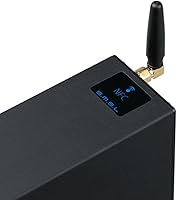
  • NFC Pairing: Bluetooth connection can be initiated instantly via NFC tap-to-connect, compatible with NFC-enabled Android smartphones and tablets.
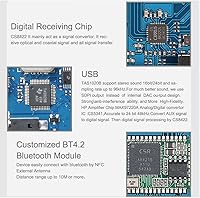
  • USB Audio: USB input is handled by a Texas Instruments TAS1020B chip, supporting PCM audio up to 24-bit/96kHz; content above this resolution is automatically downsampled.
  • SPDIF Audio: Coaxial and optical inputs use a Cirrus Logic CS8422 chip, with a practical decoding ceiling of 24-bit/96kHz on this unit.
  • Headphone Output: A 3.5mm headphone jack is driven by an independent circuit, isolated from the speaker amplifier stage to avoid interference.
  • EQ & Sound: Onboard digital equalizer provides independent bass and treble adjustment, plus SMSL's proprietary SDB dynamic sound enhancement mode.
  • Dimensions: The chassis measures 6.77 × 2.01 × 3.35 inches (L × W × H), designed for minimal desk footprint.
  • Weight: Unit weighs 1.3 pounds, making it easy to reposition or travel with if needed.
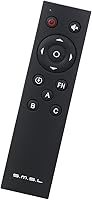
  • Remote Control: An infrared remote control is included in the box and requires one AAA battery (not included).
  • Certifications: The AD18 carries CE and FCC certifications, confirming compliance with European and US electromagnetic and safety standards.
  • Cooling: The unit is entirely fanless, relying on passive heat dissipation through the metal chassis; adequate ventilation clearance is recommended.
  • Connectivity Standard: Bluetooth version is 4.2, supporting the apt-X codec for higher-quality wireless audio versus standard SBC streaming.
  • Power Supply: Operates on an external DC supply with a maximum input of 24V; the unit is rated for AC mains use.

Related Reviews
LOXJIE A30
LOXJIE A30
79%
86%
Sound Quality
82%
Build Quality
91%
Value for Money
89%
Input Versatility
63%
Bluetooth Performance
More
AK35 Stereo Mini Amplifier
71%
83%
Value for Money
67%
Sound Quality
71%
Bluetooth Performance
54%
Build Quality
89%
Setup & Ease of Use
More
AK55 Stereo Amplifier
79%
88%
Value for Money
74%
Sound Quality
86%
Karaoke & Mic Performance
83%
Bluetooth Connectivity
91%
Input Variety
More
Marantz PM6007 Integrated Stereo Amplifier
79%
93%
Sound Quality
91%
Build Quality
74%
Phono Stage
78%
Value for Money
57%
Connectivity & Inputs
More
Sunbuck AS-25BU Stereo Amplifier
73%
88%
Value for Money
74%
Sound Quality
91%
Connectivity & Input Range
63%
Bluetooth Performance
51%
Power Output Accuracy
More
Pyramid PR2500 Stereo Preamplifier
71%
83%
Value for Money
54%
Build Quality
51%
Signal Noise & Quiet Floor
74%
Phono Stage & Vinyl Filtering
81%
Source Selector Versatility
More
Fosi Audio V3 Stereo Amplifier
81%
93%
Value for Money
91%
Audio Clarity & Noise Floor
67%
Real-World Power Output
74%
Build Quality & Finish
88%
Thermal Management
More
Pyle PDA69BU Stereo Amplifier Receiver
75%
83%
Bluetooth Connectivity
74%
Sound Quality
79%
Build Quality
86%
Value for Money
88%
Input Versatility
More
Moukey MK0153 Karaoke Amplifier
73%
88%
Value for Money
91%
Ease of Setup
72%
Microphone Performance
78%
Bluetooth Connectivity
58%
Audio Output Power
More
Pyle PDA5BU Bluetooth Stereo Amplifier
72%
83%
Value for Money
88%
Input Versatility
79%
Karaoke Performance
71%
Bluetooth Reliability
46%
Power Output
More

FAQ

Yes, that is one of the most common ways people use the AD18. It shows up as a USB audio device on both Windows and Mac, so your computer sends digital audio directly to the amp with no separate DAC required. Just be aware that USB audio tops out at 24-bit/96kHz on this unit, so if you are streaming or playing standard CD-quality or high-quality streaming audio, you will not hit any ceiling in practice.

It sounds genuinely good for wireless, largely because it supports apt-X rather than the more common and lower-quality SBC codec. If your phone or tablet also supports apt-X, the gap between wired and wireless is pretty small for casual listening. NFC pairing is also a real quality-of-life feature — tap your phone and it connects in about a second.

Yes, the AD18 is designed specifically to drive passive speakers. The 80W-per-channel output gives it enough power for most bookshelf speakers in a desktop or small-room setup. Very inefficient speakers or large floor-standers in a big room might push it, but for typical near-field listening it handles the job comfortably.

Absolutely — there is a dedicated subwoofer pre-out on the back that sends a line-level signal to any powered sub. You do not need any extra equipment or adapters. This is actually one of the features that makes the SMSL AD18 Digital Stereo Amplifier stand out compared to similarly sized competitors, most of which omit this output entirely.

It is useful for casual or occasional use, and it has its own independent circuit which is a genuine plus. That said, it is not a dedicated headphone amplifier — if you own high-impedance or particularly power-hungry headphones, you may find it underpowered or slightly flat-sounding. Think of it as a solid convenience feature rather than the main event.

It affects a minority of users, not the majority, but it is real enough to mention. Most Windows users plug it in and it works without issue. Where problems occur, they tend to involve specific Windows 10 or 11 configurations where the generic USB audio driver conflicts with the amp. Updating Windows or manually installing a driver usually resolves it. If USB is your only planned input source, it is worth being aware of before you buy.

It does run warm during extended sessions, particularly at higher volumes, since there is no fan to dissipate heat actively. At typical desktop listening levels it stays manageable, but you should not box it in or stack things on top of it. Leaving a few inches of open space around the unit on all sides is a sensible precaution if it is running for hours at a time.

Yes, this is a great use case for the compact amp. It has two optical inputs, so you could run one from your TV and another from a game console or streaming device simultaneously, then just switch between them using the remote or the front panel. The SPDIF input handles standard TV audio output without any configuration needed.

The digital EQ gives you independent control over bass and treble, which is more useful than a single tone knob. SMSL also includes their SDB mode, which is essentially a loudness-style enhancement that boosts bass and clarity at lower volumes. Some people love it for background listening; others find it a bit heavy-handed on certain music. You can turn it off, so it is a nice option to have without being forced on you.

The box includes the amplifier, a remote control, and a power supply. You will need to provide your own speaker cables to connect passive speakers, and one AAA battery for the remote. If you plan to use USB, coaxial, or optical, you will also need the appropriate cable for your source device. Speaker cables and a USB cable are the most common things people forget to grab alongside it.

Where to Buy