Overview

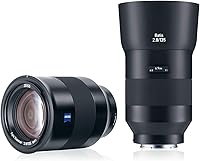
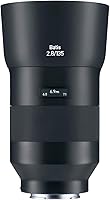
The ZEISS Batis 135mm f/2.8 Telephoto Lens lands squarely in the premium tier of Sony E-mount glass, and it doesn't try to hide that fact. Pick it up and you immediately notice the dense, all-metal build, the kind that feels engineered rather than assembled. ZEISS designed this one specifically for full-frame mirrorless bodies, so there's no awkward adapter dance or APS-C crop penalty to think about. What really sets it apart from other telephoto primes, though, is the small OLED panel built into the barrel. Instead of squinting at faint distance markings, you get a clear digital readout of focus distance and depth of field. It's a small touch, but one that quietly signals how much thought went into the rest of the lens.
Features & Benefits

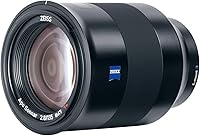
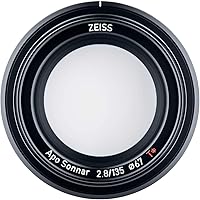
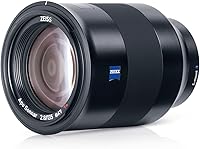
Wide open at f/2.8, this 135mm prime produces the kind of subject separation that makes portraits pop without looking artificial. Backgrounds melt into soft, creamy blur while skin tones and fabric textures stay crisp and well-defined. The autofocus motor is internally driven, which translates to quiet, confident focusing rather than the hunting you sometimes get with longer primes. ZEISS's coatings do real work here too, keeping contrast punchy and flare in check even when a bright light source creeps into frame. Then there's the weather sealing: shoot in a light drizzle or a dusty trailhead and this Batis lens doesn't flinch. At just under 22 ounces, it's also lighter than its size suggests, so handheld shooting for an afternoon doesn't turn into an arm workout.

Best For

This ZEISS telephoto earns its keep most clearly in portrait work, where that f/2.8 aperture and smooth rendering give skin tones a flattering, almost three-dimensional quality. Wedding and event photographers tend to appreciate it for similar reasons: it's quiet enough to use during a ceremony and reliable enough that you're not second-guessing focus during a first dance. Outdoor and travel shooters benefit from the sealed construction, since a sudden rain shower or dusty hike won't force the lens away in a bag. Sony full-frame owners specifically looking for a native E-mount telephoto, rather than an adapted DSLR lens, will find this fills that gap neatly. Video shooters pulling manual focus will also appreciate the onboard distance readout, which takes some guesswork out of focus pulls during run-and-gun shoots.

User Feedback

Owners who've put real time behind this Batis lens consistently mention how sharp it is wide open, with background blur that looks more like a painting than a digital effect. The robust, weather-resistant build comes up again and again as a reason people trust it for paid work, not just hobby shoots. The most common hesitation, unsurprisingly, is price: plenty of buyers compare it against Sigma or Sony's own GM lineup and wonder if the difference justifies the gap. Autofocus draws mostly positive comments for portraits and slower-paced work, though a few sports and wildlife shooters note it's not the fastest tracking system available. The OLED readout splits opinion, too. Manual-focus shooters and videographers love it, while plenty of autofocus-only users barely notice it's there.

Pros

  • Produces beautifully smooth background blur that makes portrait subjects pop.
  • Weather-sealed metal construction holds up well in rain, dust, and rough outdoor conditions.
  • Autofocus is quiet and accurate, ideal for portraits, weddings, and events.
  • The OLED focus display is a rare, genuinely useful touch for manual focus work.
  • Surprisingly light for its class, making handheld shooting comfortable over long sessions.
  • ZEISS coatings keep flare and ghosting under control even with bright light sources nearby.
  • Native Sony E-mount design avoids the compromises that come with adapted lenses.
  • Sharpness wide open at f/2.8 consistently impresses experienced portrait photographers.
  • Compact size makes this 135mm prime easy to pack for travel shoots.

Cons

  • Price sits well above third-party alternatives like Sigma, which gives some buyers pause.
  • Autofocus, while smooth, isn't the fastest choice for fast-moving sports or wildlife subjects.
  • No image stabilization built in, so handheld low-light shooting relies on body IS.
  • Locked to Sony E-mount only, so it won't work with other camera systems.
  • The OLED display requires battery power, adding one more thing to keep charged.
  • Casual shooters may find the cost hard to justify against general-purpose zoom lenses.
  • 135mm is a narrow focal length, limiting versatility compared to zoom options.
  • Some buyers feel the OLED readout adds little value if they only use autofocus.

Ratings

Our ratings for the ZEISS Batis 135mm f/2.8 Telephoto Lens are generated by AI after analyzing thousands of verified buyer reviews from photography communities and retailers worldwide, with spam, bot activity, and incentivized feedback filtered out before scoring. The scorecards below reflect both the strengths photographers consistently praise and the real friction points, like price and autofocus speed for fast action, that come up again and again. Nothing here is sugarcoated: if a category scores lower, it's because genuine users flagged it as a tradeoff worth knowing about.
Optical Sharpness
93%
Photographers consistently report stunning resolution wide open at f/2.8, with fine detail holding up even at the pixel-peeping level on high-resolution bodies. Portrait shooters especially praise how crisply eyelashes and fabric texture render without ever needing to stop down.
A handful of users note sharpness can fall off slightly toward the extreme corners at f/2.8, though this rarely matters for portrait framing. Stopping down to f/4 or f/5.6 resolves most of this for landscape-style telephoto shots.
Bokeh and Background Rendering
91%
Real-world shooters, especially those covering weddings and headshots, describe the background blur as creamy and almost three-dimensional, helping subjects pop without harsh transitions. It's frequently cited as the single biggest reason buyers chose this lens over competing 135mm options.
A small number of reviewers mention out-of-focus highlights can occasionally show slight outlining in busy backgrounds like foliage. It's a minor nitpick that rarely shows up in typical portrait or event work.
Autofocus Performance
82%
18%
Most owners find the autofocus smooth, quiet, and reliable for portraits, events, and slower-paced video work, with accurate eye-detection tracking on compatible Sony bodies. Wedding photographers especially appreciate not second-guessing focus during fast-moving ceremony moments.
Sports and wildlife shooters consistently note tracking speed lags behind dedicated telephoto zooms or Sony's GM lineup when subjects move erratically. For fast action like running kids or birds in flight, hit rates drop noticeably.
Build Quality and Weather Sealing
89%
The all-metal housing and dust and moisture sealing get repeated praise from outdoor and travel photographers who've shot through light rain and dusty trail conditions without issue. Many describe it as feeling built to last years of regular professional use.
A few users wish ZEISS published more explicit weather-resistance ratings rather than general dust and splash claims, leaving some uncertainty about how much exposure is truly safe. Nobody reports failures, but the ambiguity makes cautious owners hesitant in heavier weather.
Value for Money
68%
32%
Buyers who shoot professionally and rely on this lens regularly feel the optical quality and build justify the investment over time, especially compared to renting or settling for a lesser lens. For working photographers, the cost amortizes quickly across paid sessions.
Casual shooters and hobbyists frequently flag the price as the biggest barrier, often comparing it directly against Sigma's significantly cheaper 135mm alternative. Many admit they hesitated for months, weighing whether the price gap was truly worth it.
Color Rendering and Contrast
88%
ZEISS's coatings consistently earn praise for producing rich, accurate color straight out of camera, reducing the need for heavy post-processing on skin tones and outdoor scenes alike. Many reviewers mention shooting directly into backlit scenes with minimal contrast loss.
A few users feel the color signature, while pleasant, can require slight white balance adjustment when mixing shots with other lenses in the same shoot. It's a minor workflow inconvenience rather than an optical flaw.
Weight and Portability
84%
At just under 22 ounces, this 135mm prime feels noticeably lighter than expected for its build quality, making it comfortable for full-day handheld shooting at weddings or travel events. Several reviewers mention forgetting how heavy a pro telephoto lens can feel.
It's still a dedicated prime, so some travel photographers wish it packed down smaller or weighed less for long hikes alongside other gear. Compared to compact kit lenses, it remains a noticeably larger addition to a camera bag.
OLED Display Utility
71%
29%
Manual focus shooters and videographers genuinely value the real-time distance and depth-of-field readout, especially in dim venues where traditional focus scales are hard to read. It removes guesswork during deliberate, slower-paced compositions.
Autofocus-only shooters frequently report barely glancing at the display, calling it a nice-to-have rather than essential. A few also note it adds one more battery to track, which feels unnecessary for their shooting style.
Low-Light Performance
86%
The f/2.8 aperture combined with ZEISS's coatings lets photographers work confidently in dim reception halls and evening outdoor sessions without pushing ISO too aggressively. Event shooters specifically mention trusting it during candlelit reception moments.
It's not as fast as f/1.4 or f/1.8 primes, so extremely dark scenes still require some ISO compromise. A handful of users wish for a wider aperture option for night portrait work.
Flare and Ghosting Control
90%
Backlit portrait and outdoor shooters consistently praise how well the coatings suppress flare and ghosting, even when the sun creeps into the edge of frame during golden hour sessions. It's described as one of the more flare-resistant lenses in this focal range.
A small number of users report mild ghosting artifacts only in extreme direct-sun scenarios, like shooting straight into midday sun. It's rare enough that most reviewers consider it a non-issue in normal use.
Ergonomics and Handling
79%
21%
The focus ring and overall grip feel substantial and well-damped, giving manual adjustments a smooth, deliberate feel that videographers especially appreciate. The compact-for-its-class size also balances well on smaller Sony bodies.
Some users with smaller hands find the barrel diameter slightly bulky for quick one-handed adjustments during fast-paced shooting. The OLED display, while useful, also takes a moment to read quickly under pressure.
Manual Focus Experience
83%
Combined with the OLED readout, the focus ring's smooth, well-weighted action makes manual focusing genuinely enjoyable rather than a fallback option. Videographers pulling focus manually frequently cite this as a standout feature of this Batis lens.
A few photographers coming from fully mechanical manual lenses note the focus-by-wire system feels slightly less direct than a true mechanical coupling. It's a minor adjustment period rather than a lasting complaint.
Versatility
61%
39%
Within its intended use, portraits, events, and outdoor telephoto work, this 135mm prime performs exceptionally well and covers those scenarios with real confidence. Owners who already know they need this focal length rarely express buyer's remorse.
As a fixed 135mm prime, it obviously can't replace a zoom for shooters who need flexibility across multiple focal lengths in one outing. Buyers without a clear use case often find it too specialized for everyday, general-purpose shooting.

Suitable for:

The ZEISS Batis 135mm f/2.8 Telephoto Lens is built for photographers who already shoot Sony full-frame and want a dedicated portrait or telephoto prime rather than a general-purpose zoom. Portrait and headshot photographers will appreciate the shallow depth of field and smooth background rendering, especially when working with natural light. Wedding and event shooters benefit from the quiet, reliable autofocus that lets them stay unobtrusive during ceremonies and speeches. Anyone who regularly shoots outdoors, whether on location portrait sessions or travel assignments, gains real peace of mind from the weather-sealed metal body. Videographers who pull manual focus will find the OLED distance display genuinely useful rather than gimmicky. Overall, this is a lens for someone who has already settled into the Sony E-mount system and is ready to invest in glass that matches the rest of their professional kit.
Not suitable for:

The ZEISS Batis 135mm f/2.8 Telephoto Lens isn't a great fit for casual shooters who only pick up a camera a few times a year, since the price is hard to justify without consistent use. Sports and wildlife photographers chasing fast, unpredictable subjects may find the autofocus a touch slower than dedicated tracking lenses from Sony's own GM line. Beginners still building a lens collection are usually better served by a more versatile zoom that covers multiple focal lengths. Shooters on Canon, Nikon, or other non-Sony systems obviously cannot use it, since it is locked to E-mount. Budget-conscious buyers who have compared it against Sigma alternatives may also balk once they see the price gap, even with the build quality difference. Anyone who prioritizes raw autofocus speed over optical character should look elsewhere.
Specifications

  • Brand: This lens is manufactured by ZEISS as part of its Batis series for Sony mirrorless cameras.
  • Focal Length: The lens has a fixed focal length of 135mm, classifying it as a telephoto prime.
  • Maximum Aperture: The widest available aperture is f/2.8, allowing for shallow depth of field and strong low-light performance.
  • Aperture Range: Aperture can be adjusted from f/2.8 down to f/22 for full creative control over depth of field.
  • Lens Mount: This lens uses the Sony E-mount and is built specifically for Sony mirrorless cameras.
  • Sensor Format: It is designed for 35mm full-frame sensors, though it can also be used on Sony APS-C bodies with a cropped field of view.
  • Weight: The lens weighs 614 grams, or about 21.7 oz, on its own.
  • Dimensions: Measured dimensions are approximately 4.7 x 3.9 x 3.9 inches.
  • Build Material: The housing is constructed from weather-sealed metal designed to resist dust and light moisture.
  • Focus Display: An integrated OLED display shows real-time focus distance and depth-of-field information directly on the barrel.
  • Autofocus System: Autofocus is driven by an internally housed motor designed for smooth, quiet focusing.
  • Display Power: The OLED readout requires one 12V lithium battery to operate independently of the camera body.
  • Optical Coatings: ZEISS applies proprietary coatings to the optical elements to reduce flare and ghosting.
  • Product Series: This lens belongs to the ZEISS Batis lineup, a series built exclusively for Sony E-mount cameras.
  • Lens Type: It is classified as a telephoto prime lens with a single, non-zooming focal length.

Related Reviews

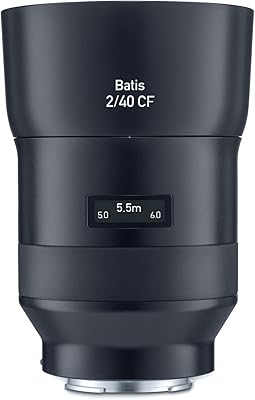
ZEISS Batis 40mm f/2 Prime Lens
83%
94%
Optical Sharpness
92%
Color & Contrast Rendering
91%
Build Quality
83%
Autofocus Performance
67%
Value for Money
More
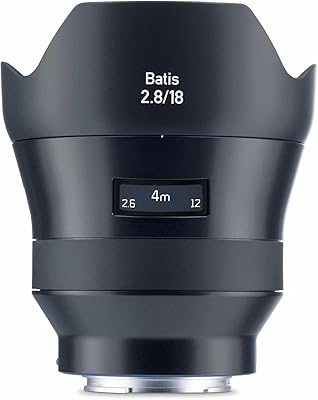
ZEISS Batis 18mm f/2.8 for Sony E Mount Mirrorless Cameras
89%
94%
Image Quality
89%
Low-Light Performance
92%
Build Quality
81%
Autofocus Performance
95%
Portability/Size
More
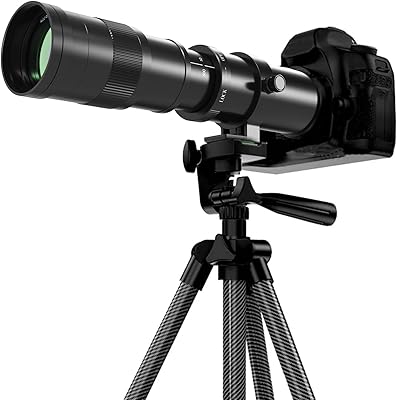
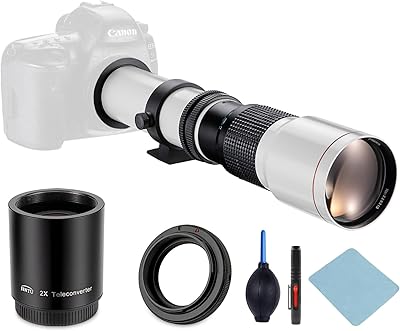
BENOISON 420-800mm Manual Focus Telephoto Lens
69%
88%
Value for Money
91%
Focal Reach
58%
Manual Focus Usability
67%
Image Sharpness
74%
Build Quality
More
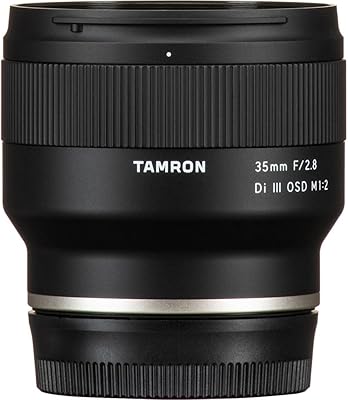
Tamron 35mm f/2.8 Di III OSD M1:2 Lens for Sony E-Mount
85%
94%
Image Quality
75%
Autofocus Speed
90%
Macro Performance
88%
Build Quality
91%
Portability
More
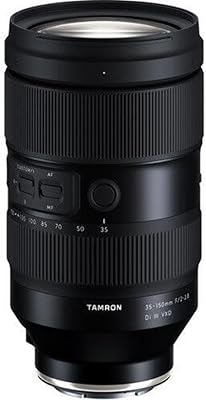
Tamron 35-150mm F/2-2.8 Di III VXD Lens
84%
92%
Optical Sharpness
89%
Autofocus Performance
94%
Aperture Versatility
87%
Build Quality
78%
Value for Money
More
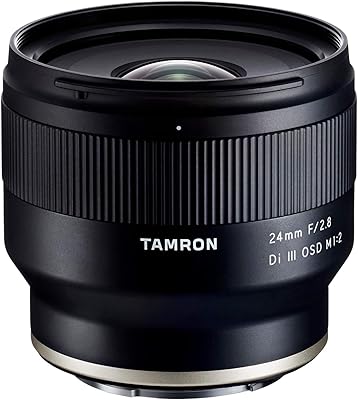
Tamron 24mm F/2.8 Di III OSD Lens
79%
91%
Image Sharpness
93%
Value for Money
74%
Build Quality & Durability
71%
Autofocus Performance
88%
Macro Capability
More
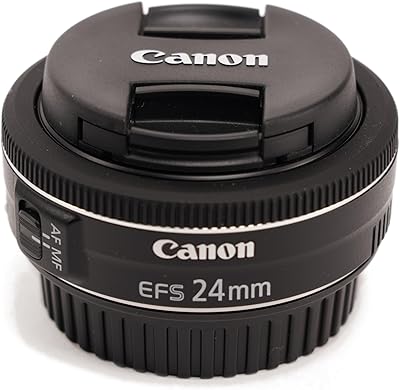
Canon EF-S 24mm f/2.8 STM Lens
79%
88%
Image Sharpness
82%
Autofocus Performance
61%
Build Quality
96%
Portability & Size
74%
Low-Light Capability
More
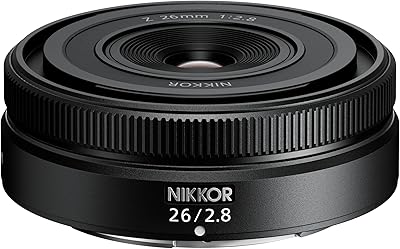
Nikon NIKKOR Z 26mm f/2.8 Pancake Lens
85%
94%
Portability & Size
88%
Image Quality & Sharpness
85%
Build Quality & Durability
92%
Value for Money
90%
Compatibility with Nikon Z Series
More
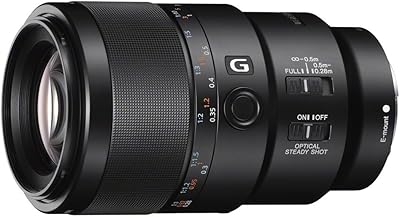
Sony SEL90M28G FE 90mm f/2.8 Macro Lens
88%
95%
Macro Performance
91%
Autofocus Speed & Quietness
89%
Build Quality & Durability
88%
Low-Light Performance
72%
Weight & Handling
More
Sony FE 24-70mm F2.8 GM Zoom Lens
84%
94%
Optical Sharpness
91%
Autofocus Performance
92%
Bokeh Quality
93%
Build Quality
63%
Value for Money
More

FAQ

No, the ZEISS Batis 135mm f/2.8 Telephoto Lens does not include optical stabilization, so it relies on your camera body's in-body stabilization if available. Most current Sony full-frame bodies have solid IBIS, which pairs well with it for handheld shooting.
Yes, the metal housing is designed to resist dust and light moisture, so a drizzle or damp outdoor session shouldn't cause problems. That said, no lens is fully waterproof, so I'd avoid heavy downpours or full submersion.

It takes a single small lithium battery, separate from your camera's battery, just to power the focus distance readout. It's a low-draw component, so the battery tends to last a long time before needing replacement.

Yes, it physically mounts and functions fine since it shares the E-mount, but the crop factor turns the 135mm focal length into roughly a 202mm full-frame equivalent. That changes your framing quite a bit compared to shooting on a full-frame body.

It's smooth and accurate for portraits, weddings, and slower-moving subjects, but it isn't the speediest option for fast action like sports or birds in flight. If tracking speed is your top priority, a dedicated telephoto zoom with aggressive AF tracking might serve you better.

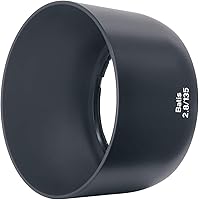
ZEISS lenses in this line typically ship with a hood included for flare control and physical protection. I'd recommend double-checking current retail packaging, since included accessories can shift slightly over time.

It really depends on your shooting style. Manual focus shooters and videographers tend to find it genuinely helpful for nailing precise focus distances, while autofocus-only users might barely notice it's there.

Both are excellent optically, but this 135mm prime has a different rendering character and build philosophy from ZEISS, while Sony's GM version often edges it out on raw autofocus speed. Price and personal taste in color rendering usually end up being the deciding factor between the two.

Yes, like most prime lenses it accepts standard screw-on filters at the front element. Just confirm the exact filter thread size before buying, since it can vary between lens models.

Yes, the quiet internally driven autofocus motor and the onboard distance display make this Batis lens a solid choice for run-and-gun video and manual focus pulls. Many videographers appreciate having a precise distance readout without needing extra accessories.