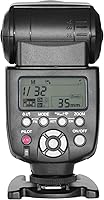
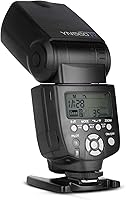
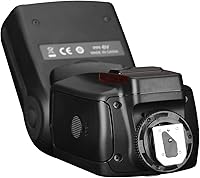
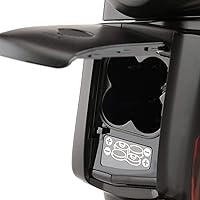
Overview

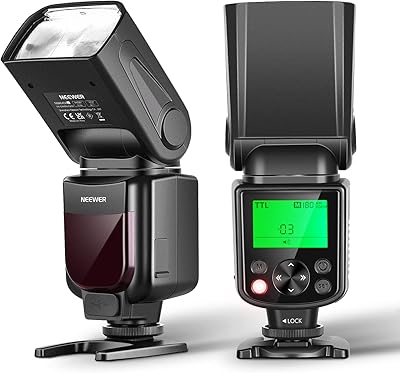
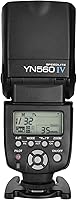
The Yongnuo YN560 IV Wireless Flash Speedlite is a manual speedlite that punches well above its price by packing a built-in 2.4G wireless trigger directly into the unit — no separate dongle required. It functions as both a master and a slave flash, which is genuinely useful for photographers building out a multi-light setup without spending a fortune. Compatible with Canon, Nikon, Pentax, Olympus, Fujifilm, and Panasonic cameras, it has earned a loyal following among hobbyists and enthusiasts since its release. Just know what you are getting: this is a manual-only flash. There is no TTL, meaning the camera will not automatically calculate exposure for you. If you are comfortable dialing in your own settings, that trade-off is actually quite workable.
Features & Benefits

The most practical upgrade this speedlite brought over its predecessor is the built-in radio transceiver, operating on 2.4G across 16 channels. It can act as the master unit controlling up to three independent flash groups, or receive signals from compatible transmitters like the YN560-TX II and RF-603 II. The Guide Number of 58 at ISO 100 and 105mm is strong output for a flash at this price point. Optical slave modes S1 and S2 include pre-flash cancel, so it integrates well with cameras that fire a pre-flash before the main exposure. Settings save automatically between sessions, the custom function menu handles useful adjustments, and an external power port supports sustained, high-volume shooting without interruption.

Best For

This Yongnuo flash makes the most sense for photography students and hobbyists who want to start experimenting with off-camera lighting without a steep financial commitment. Portrait photographers shooting in controlled environments — a home studio, a small event space — who are comfortable in manual mode will find it a capable workhorse. It also slots in well alongside existing RF-600 series gear. What it is not well-suited for is fast-moving, unpredictable work like weddings or street photography where automatic exposure adjustment matters. If TTL is something you rely on heavily, or expect to need soon, this speedlite will feel restrictive once you are out in the field.

User Feedback

Buyers consistently highlight wireless reliability and build quality as genuine strengths, with many noting the unit feels more solid than its price implies. Setup is straightforward, and most users report having their lights firing correctly within minutes. The criticism that comes up most often is predictable: no TTL is a dealbreaker for photographers shooting in rapidly changing light. A number of users also note inconsistent output at low power settings, which can complicate precise, controlled work. Battery drain during heavy sessions is another recurring observation. On the other side, photographers running two or three units together for portrait work consistently praise the cross-unit consistency and the overall value of assembling a multi-flash kit this way.

Pros

  • The built-in 2.4G radio trigger removes the need to buy a separate wireless transmitter entirely.
  • Master mode controls up to three independent flash groups from a single unit with no extra hardware.
  • Guide Number 58 delivers strong output that handles typical portrait distances with power to spare.
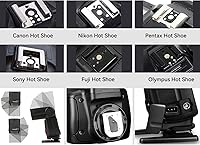
  • Broad compatibility across Canon, Nikon, Pentax, Olympus, Fujifilm, and Panasonic hot shoes.
  • Setup is quick and intuitive — most users are firing wirelessly within minutes of unboxing.
  • S2 optical slave mode cancels pre-flash, making it compatible with a wide range of triggering setups.
  • Settings save automatically, so recurring studio configurations do not need to be rebuilt each session.
  • Buying multiple units for a full lighting kit remains affordable compared to any TTL alternative.
  • The included mini stand and protective bag add practical everyday value right out of the box.

Cons

  • No TTL support makes this speedlite a poor choice for dynamic, fast-changing shooting environments.
  • Battery drain under heavy continuous use is faster than many buyers initially expect.
  • The included instruction manual is poorly translated and nearly useless for first-time flash users.
  • Output consistency at low power settings can vary enough to complicate precision or product photography.
  • Wireless range in crowded 2.4G environments — like busy event venues — occasionally produces missed triggers.
  • Plastic construction feels noticeably lightweight, and the battery compartment latch can loosen over time.
  • Recycle times at full power are slow enough to disrupt rhythm during high-volume shooting sessions.
  • Cross-brand wireless group control outside the Yongnuo ecosystem is unreliable and inconsistent.

Ratings

The Yongnuo YN560 IV Wireless Flash Speedlite has been scored by our AI system after analyzing thousands of verified global user reviews, with spam, bot activity, and incentivized feedback actively filtered out. The scores below reflect how real buyers — from beginner hobbyists to working portrait photographers — actually experience this speedlite day to day. Both the genuine strengths and the recurring frustrations are represented here without sugarcoating.
Value for Money
93%
Among budget manual flashes, this Yongnuo unit consistently earns praise for delivering capabilities that typically cost significantly more. Buyers building a first multi-light kit frequently cite it as the reason they could afford two or three flashes at once without compromising on core functionality.
A small segment of buyers who later upgraded to mid-range TTL flashes felt the savings came with a learning-curve tax. If your needs outgrow manual-only control quickly, the re-purchase cost can offset the initial savings.
Wireless Reliability
88%
The built-in 2.4G radio system is the standout feature that sets this flash apart at its price point. Users running two or three units in portrait setups report consistent triggering across typical indoor shooting distances, with very few misfires under normal conditions.
At longer distances or in environments with significant 2.4G interference — crowded event venues, for example — some users report occasional missed triggers. It performs well within reasonable range but is not the most robust radio system available.
Build Quality
74%
26%
For its price tier, the physical construction is better than most buyers expect. The buttons feel positive, the hot shoe mount is secure, and the unit holds up well under regular studio or home use without obvious wear over extended periods.
It is clearly not a professional-grade build. The plastic housing feels noticeably lighter than brand-name alternatives, and a few buyers have reported issues with the battery compartment latch loosening over time under heavy use.
Flash Output Power
86%
A Guide Number of 58 at ISO 100 and 105mm is genuinely strong output for this class of flash. Portrait photographers using it at moderate distances with a softbox or umbrella find the power headroom more than adequate for typical setups.
At full power, recycle times stretch enough to be noticeable during rapid shooting sequences. For high-volume event work where speed matters as much as power, this limitation becomes a real workflow bottleneck.
Ease of Setup
89%
Most buyers report getting this speedlite firing wirelessly in under ten minutes, even without reading the manual. The interface is straightforward, and photographers already familiar with the RF-600 series ecosystem find the pairing process nearly instant.
The manual included in the box is poorly translated and genuinely unhelpful for new users. Beginners unfamiliar with concepts like channel and group assignment often end up relying on third-party tutorial videos rather than official documentation.
TTL Compatibility
21%
79%
The manual-only design is a deliberate choice that some experienced photographers actually prefer, since it enforces consistent, repeatable output without the camera second-guessing the exposure between frames.
The complete absence of TTL is the single most common reason buyers return or regret this purchase. Photographers who shoot events, portraits outdoors, or any fast-changing scenario where lighting shifts quickly will find manual-only operation genuinely limiting.
Recycle Speed
67%
33%
Under moderate shooting conditions with fresh AA batteries, recycle times are acceptable and comparable to similar flashes in this price range. Photographers shooting at mid-power settings experience noticeably faster turnaround between shots.
Heavy continuous shooting drains batteries quickly and causes recycle times to degrade. Several users note that by the second half of a long portrait session, the lag between shots becomes frustrating enough to disrupt shooting rhythm.
Low-Power Output Consistency
58%
42%
At mid-range power settings, the flash performs reliably and produces consistent exposures across a series of shots, which is adequate for controlled studio or home setups where conditions do not change between frames.
At the lower end of the power range, a noticeable number of buyers report inconsistent output — slight variations between consecutive flashes that can complicate precision work like product photography where exact exposure matching matters.
Multi-Flash Group Control
84%
The ability to control three independent groups from a single master unit is a meaningful feature that normally requires dedicated trigger hardware at this price point. Portrait photographers building a key, fill, and hair light setup will find this genuinely useful.
Group control works well within the Yongnuo ecosystem but becomes more complicated when mixing with flashes from other brands. Users expecting seamless cross-brand wireless group management will likely run into compatibility limitations.
Camera Compatibility
91%
The broad support for Canon, Nikon, Pentax, Olympus, Fujifilm, and Panasonic hot shoes makes this a practical choice for photographers across different systems. Buyers who switch camera brands mid-kit appreciate not having to replace their flash lineup.
While the physical mount fits a wide range of cameras, some advanced camera-specific features are simply not available without proprietary TTL communication. Mirrorless users in particular sometimes report minor quirks with specific body and menu combinations.
Battery Performance
62%
38%
Under light to moderate use — a casual portrait session or a small studio setup — four AA batteries hold up reasonably well. Using quality lithium batteries extends performance noticeably compared to standard alkaline cells.
Heavy shooters consistently flag battery drain as a frustration. Long sessions with sustained flash use chew through batteries faster than expected, and the cost of regular battery replacement adds up over time for frequent users.
Optical Slave Performance
79%
21%
The S1 and S2 optical slave modes work reliably in indoor environments where there is a clear line of sight to the triggering flash. The pre-flash cancel in S2 mode is genuinely useful for working alongside cameras that fire a pre-flash before the main exposure.
Optical slave triggering is sensitive to ambient light conditions and physical positioning. In bright outdoor environments or situations where the sensor cannot directly see the trigger flash, reliability drops off enough to make it an unreliable fallback.
Portability & Size
83%
At just over 12 ounces and with a compact footprint, this speedlite is easy to pack alongside camera gear without adding significant bulk. The included mini stand and protective bag add practical value for photographers on the move.
The size and weight are typical for a full-sized speedlite, which some hobbyists find bulkier than expected if they are coming from compact or entry-level flashes. It is not a travel-light option for minimalist kits.
Settings Retention
81%
19%
The automatic settings save feature is a small but genuinely appreciated convenience. Photographers who return to the same recurring setup — a home portrait space or a studio — can power on and start shooting without reconfiguring from scratch each session.
A handful of users report that settings occasionally revert after a battery swap or extended storage. It is not a widespread issue, but it is worth noting for photographers who rely heavily on consistent recalled configurations.

Suitable for:

The Yongnuo YN560 IV Wireless Flash Speedlite is a strong fit for photography students, hobbyists, and self-taught enthusiasts who are ready to move beyond their camera's built-in flash and start experimenting with off-camera lighting. If you shoot portraits at home, run a small DIY studio, or want to add controlled lighting to your work without a significant financial commitment, this speedlite gives you a lot to work with at a price that makes buying two or three units a realistic option. Photographers who already understand manual exposure — or are actively learning it — will find the full manual control empowering rather than limiting. It also makes excellent sense for Canon and Nikon shooters already embedded in the RF-600 trigger ecosystem, since pairing is straightforward and everything communicates reliably. For anyone building their first multi-light portrait setup on a tight budget, this Yongnuo flash is genuinely hard to beat at its price point.
Not suitable for:

The Yongnuo YN560 IV Wireless Flash Speedlite is not the right tool for photographers who depend on TTL — the automatic flash metering system that lets the camera calculate exposure in real time. If you shoot weddings, documentary events, street portraits, or any fast-moving situation where lighting changes faster than you can manually adjust, the absence of TTL will slow you down and cost you shots. Working professionals who need a flash they can rely on in unpredictable conditions should look at mid-range TTL-capable options instead. Photographers sensitive to output consistency at low power settings — such as those doing precision product photography where every frame needs to match exactly — may find the slight variations at the lower end of the power range frustrating. And if you are the type of shooter who upgrades systems or camera bodies frequently, the lack of any advanced camera communication limits long-term flexibility in ways that are worth thinking through before purchasing.
Specifications

  • Guide Number: Rated GN58 at ISO 100 and 105mm, delivering strong flash output suitable for portrait distances and small studio setups.
  • Wireless System: Built-in 2.4G radio transceiver operates across 16 selectable channels for reliable off-camera triggering without a separate dongle.
  • Flash Modes: Supports Manual (M) and Multi stroboscopic modes only; TTL automatic exposure metering is not available on this unit.
  • Master & Slave: Functions as both a wireless master controller and a slave receiver, supporting up to 3 independent flash groups in master mode.
  • Optical Slave: Includes S1 and S2 optical slave modes, with S2 providing pre-flash cancel for compatibility with cameras that emit a metering pre-flash.
  • Sync Speed: Maximum sync speed of 1/20000s in manual mode; high-speed sync (HSS) is not supported.
  • Compatible Triggers: Communicates wirelessly with YN560-TX, YN560-TX II, RF-603 II, and RF-602 transmitters within the Yongnuo RF ecosystem.
  • Camera Compatibility: Hot shoe mount is compatible with Canon, Nikon, Pentax, Olympus, Fujifilm, and Panasonic digital camera systems.
  • Power Supply: Requires 4 AA batteries (not included) and features an external power port for connecting a supplemental battery pack during heavy use.
  • Recycle System: Equipped with an ultra-fast charging recycle circuit designed to reduce the wait time between flashes under normal shooting conditions.
  • Dimensions: Measures 2.36 x 3.07 x 7.48 inches (width x depth x height), a standard full-sized speedlite footprint.
  • Weight: Weighs 12.3 ounces without batteries, which is typical for a full-sized manual speedlite in this category.
  • Settings Memory: Custom settings and power configurations save automatically so the unit restores your last-used setup each time it powers on.
  • Custom Functions: Includes a dedicated custom function (Fn) menu for adjusting behavior settings such as audible beeps, power-off timers, and display preferences.
  • In the Box: Package includes the flash unit, a mini tabletop stand, a protective carrying bag, and a printed instruction manual.
  • Manufacturer: Designed and produced by Hong Kong Yongnuo Photographic Equipment Co., Ltd, a long-established manufacturer of third-party flash and lighting accessories.
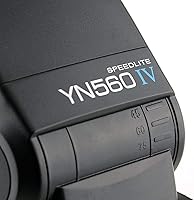
  • Model Number: Official model designation is YN560 IV, representing the fourth-generation evolution of the YN560 series speedlite line.
  • First Available: This model was first made available for purchase in December 2013 and remains in active production as of the time of writing.

Related Reviews
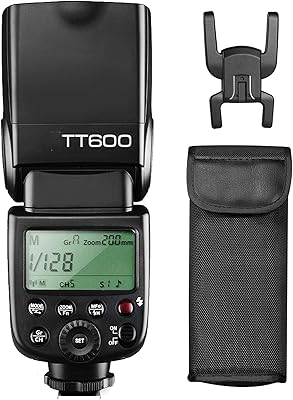
Godox TT600 Wireless Flash Speedlite
85%
89%
Performance & Power
84%
Build Quality
90%
Battery Life
87%
Wireless Range
91%
Compatibility
More
YONGNUO YN600EX-RT II Flash Speedlite
78%
88%
Wireless RT Compatibility
91%
Flash Output & Guide Number
84%
High-Speed Sync Performance
79%
TTL Metering Accuracy
61%
Build Quality & Durability
More
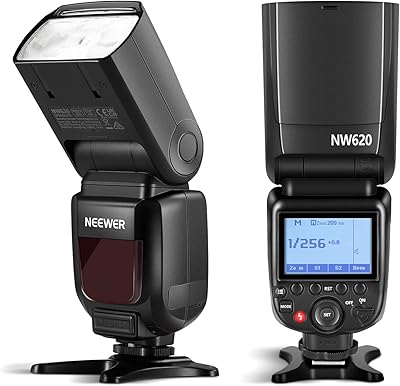
NEEWER NW620 Speedlite Flash
75%
88%
Value for Money
84%
Flash Output & Power
79%
Build Quality
91%
LCD Display & Controls
62%
Recycling Time
More
NEEWER TT560 Speedlite Flash
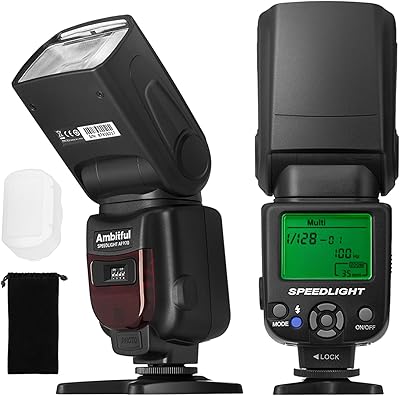
75%
91%
Value for Money
74%
Ease of Use
83%
Build Quality
78%
Compatibility
77%
Light Output & Power Range
More
Photoolex FK300 Camera Flash Speedlite
76%
88%
Value for Money
91%
Ease of Setup
74%
Flash Power & Output
58%
Build Quality
71%
Wireless Slave Performance
More
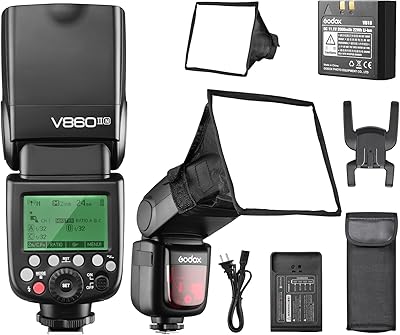
AMBITFUL AF970 Camera Flash Speedlite
81%
91%
Value for Money
84%
Wireless Performance
88%
Manual Power Control
82%
Recycle Time
74%
Build Quality
More
Godox V860II-N TTL Speedlite Flash
82%
93%
Battery Life & Efficiency
76%
TTL Accuracy
91%
High-Speed Sync (HSS)
72%
Wireless Performance
89%
Recycle Time
More
NEEWER 750II TTL Camera Flash Speedlite
84%
88%
Flash Power & Performance
85%
Ease of Use
72%
Build Quality
90%
TTL Functionality
80%
Portability & Weight
More
YONGNUO YN14EX II Macro Ring Flash
77%
91%
Lighting Quality
78%
TTL Accuracy
88%
A/B Ratio Control
63%
Build Quality
86%
Value for Money
More
NEEWER NW645II-S TTL Flash Speedlite
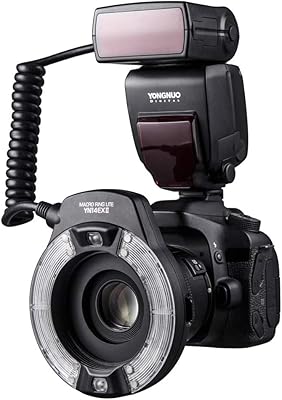
81%
86%
TTL Accuracy
83%
High-Speed Sync Performance
78%
Build Quality
61%
Optical Slave Reliability
81%
Recycle Speed
More

FAQ

No, and that is one of the main reasons this flash is so popular at its price. The built-in 2.4G radio system means you can place it off-camera and trigger it wirelessly using another YN560 IV as the master, or pair it with a YN560-TX transmitter mounted on your camera. No extra dongle required.

It does not. This is a manual-only flash, which means you set the power output yourself rather than letting the camera calculate it automatically. For photographers who shoot in controlled conditions and prefer predictable, consistent results, that is perfectly fine. But if you rely on TTL for fast-moving or unpredictable scenarios, this is not the right flash for that job.

Sony is not listed among the officially supported mounts. The YN560 IV is designed for Canon, Nikon, Pentax, Olympus, Fujifilm, and Panasonic hot shoes. Sony uses a proprietary multi-interface shoe on many bodies, so compatibility is not guaranteed and you should verify your specific body before purchasing.

Yes. When set to master mode, this speedlite can control up to three independent groups of compatible Yongnuo flashes directly from the unit itself. It is a genuinely useful feature for portrait or product setups where you want separate control over a key light, fill light, and hair light without investing in a dedicated transmitter.

It runs on four standard AA batteries, which are not included in the box. Battery life varies significantly depending on shooting intensity and power level settings. Under moderate use, a fresh set of quality alkaline or lithium AAs will last through a typical session, but heavy continuous shooting drains them faster than most buyers expect. Lithium AAs tend to outperform standard alkaline cells noticeably in sustained use.

Indoors and at moderate distances, the 2.4G radio triggering is quite reliable under normal conditions. Outdoors and at extended range, or in environments with heavy 2.4G wireless interference, some users experience the occasional missed trigger. It performs well for typical shooting distances but is not the most robust radio system if you regularly need to push the limits of range.

You can use the optical slave modes (S1 and S2) to trigger it alongside flashes from other brands, as long as there is a clear line of sight between units. The S2 mode specifically cancels pre-flash pulses, which is important if your other flash fires a metering pre-flash before the main burst. Radio-based cross-brand group control is more limited and largely depends on whether the other brand operates on compatible protocols.

It is a very capable starting point as long as you are willing to learn manual flash exposure, which means understanding how power output, distance, and aperture interact. The setup process is straightforward, and the built-in wireless trigger removes a common early hurdle. The included manual is not particularly helpful, but there are plenty of well-made video tutorials online that cover this flash specifically.

At mid to high power settings, the YN560 IV performs consistently well. The area where some users notice variability is at the lower end of the power range — very low output settings can occasionally produce slightly uneven results between consecutive shots. For most portrait or general hobby work this is not a practical problem, but photographers doing precision product photography where every frame must match exactly may find it worth testing carefully.

No gels or diffusers are included in the standard package. What comes in the box is the flash unit itself, a small mini stand, a protective bag, and a manual. If you plan to use modifiers, you will need to purchase a diffuser dome, softbox adapter, or gel set separately — most standard third-party accessories designed for full-sized speedlites are compatible with this unit's flash head dimensions.

Where to Buy