Overview

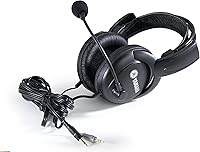
The Yamaha CM500 Computer Headset with Microphone has been a quiet staple in the computer audio space since 2004, and the fact that it still ranks competitively says something real about its staying power. Yamaha's deep roots in audio engineering lend this wired over-ear headset a credibility that similarly priced competitors often can't match. It targets a practical crowd — home studio musicians, remote workers, students, and podcasters who want dependable audio without chasing wireless features. Set your expectations accordingly: this is a wired, no-frills headset that does its job well. No active noise cancellation, no Bluetooth, no inline remote — just solid, consistent audio performance built on a trusted name.
Features & Benefits

The CM500 covers the full 20Hz–20kHz audible spectrum, so playback sounds accurate rather than colored or hyped. Its built-in microphone keeps distortion under 0.2%, which is genuinely useful for voice calls, online teaching, or basic vocal tracking — nothing flashy, but clean and reliable. At 120 ohms impedance, it pairs naturally with standard PC headphone jacks and entry-level audio interfaces without needing a separate amplifier. The 9-foot cable gives real freedom of movement at a desk, and the included 1/4-inch adapter makes it easy to plug into a mixer or interface. At just over a pound, extended wear stays comfortable, and the passive sound isolation from the over-ear fit helps cut ambient noise without any electronics.

Best For

This wired computer headset fits a specific kind of buyer, and it's worth being honest about that. Home studio musicians doing basic vocal playback or simple tracking will find it a practical, affordable Yamaha-branded option. Remote workers and online educators who need a clean mic and reliable audio will get exactly what they came for. Students in audio production programs will appreciate the accurate frequency response for critical listening exercises. Wired-only purists who prefer a zero-latency connection over Bluetooth convenience will feel right at home. It's also a solid step up for anyone coming from a cheap bundled headset and wanting noticeably better audio accuracy without committing to a professional-grade setup.

User Feedback

Across more than 570 ratings, this Yamaha headset holds a 4.2-star average — a score that reflects genuine satisfaction rather than enthusiasm. Buyers consistently praise the microphone clarity for calls and recordings, noting that voice comes through cleanly without much background noise bleeding in. Build quality also gets frequent mentions, with many users feeling it outperforms its price bracket. That said, criticism is consistent too: there's no volume control on the cable, which frustrates people mid-call, and some find the design looks noticeably dated. Long-term durability is mixed — a handful of users report cable or headband wear after extended use, so handling it with some care will help it last.

Pros

  • Full 20Hz–20kHz frequency response delivers accurate, balanced audio without artificial coloring or bass boost.
  • The built-in microphone captures voice clearly with under 0.2% distortion, keeping calls and recordings clean.
  • Yamaha's audio pedigree gives this wired computer headset a reliability advantage over similarly priced generic brands.
  • At just over a pound, it sits comfortably during long work or recording sessions without causing fatigue.
  • The 9-foot cable gives plenty of slack for moving around a desk without yanking the connection.
  • Passive sound isolation from the over-ear fit reduces ambient noise without any powered components.
  • The included 1/4-inch adapter makes it easy to plug into audio interfaces, mixers, or studio gear.
  • A 4.2-star average across more than 570 buyers reflects consistent, real-world satisfaction over many years.
  • 120-ohm impedance pairs cleanly with standard PC jacks and entry-level audio interfaces without needing an amp.
  • Available at a mid-range price from a brand with decades of professional audio credibility.

Cons

  • No inline volume control or mute button on the cable, forcing you to reach for your device mid-call.
  • The design looks noticeably dated compared to modern headsets, which may matter in video-call environments.
  • No active noise cancellation, so loud environments like open offices or busy households will bleed through.
  • Some users report cable and headband wear after extended use, raising questions about long-term durability.
  • Strictly wired only — no Bluetooth or wireless option for users who prefer flexibility away from the desk.
  • Not suited for professional-level recording; the microphone is functional but not broadcast or studio quality.
  • No carrying case or storage solution included, making it less practical for transport or travel.
  • Fixed cable with no detachable option means a damaged cord could render the entire headset unusable.

Ratings

Our AI-generated scores for the Yamaha CM500 Computer Headset with Microphone are based on a deep analysis of verified global buyer reviews, with spam, bot-submitted, and incentivized feedback actively filtered out before scoring. The ratings reflect both what this wired computer headset does well and where real users have run into frustration — nothing is glossed over. Strengths and pain points are weighted equally so you get a clear, honest picture before making a purchase decision.

Microphone Clarity
83%
Users consistently highlight how clean voice capture feels during Zoom calls, online teaching sessions, and podcast recordings. The low distortion keeps speech intelligible even at louder volumes, and remote participants frequently notice the improvement over a built-in laptop mic.
The microphone is not suited for professional voice-over work or broadcast-quality production, and a small number of users found that background room noise bleeds in more than expected without any active filtering in place.
Audio Accuracy
86%
The full 20Hz–20kHz response earns real respect from music students and home studio users who need honest playback without exaggerated bass or artificially boosted highs. For critical listening exercises and basic tracking, the CM500 delivers a reliable, flat-leaning sound profile.
Casual listeners who prefer a more exciting, consumer-tuned sound signature may find the accurate reproduction a little dry. It is a deliberate design choice, but buyers coming from bass-heavy consumer headphones often need an adjustment period.
Build Quality
78%
22%
The physical construction feels solid for the price bracket, and many buyers note that the headset holds up well through daily use at a desk over months of regular wear. The Yamaha name reinforces confidence in the materials and assembly even before you put it on.
A recurring thread in long-term reviews involves cable and headband wear after extended use, with some users reporting fraying or connection issues after a year or more. The build is durable enough for typical use but may not hold up well under heavy-handed handling.
Comfort & Fit
74%
26%
The over-ear design distributes weight reasonably well, and at just over a pound, most users can wear the CM500 for a full workday without significant discomfort. The rounded earpiece tips help maintain a consistent seal without creating painful pressure points.
A subset of users with larger heads or those wearing glasses report noticeable headband pressure during sessions longer than two or three hours. The ear cushion material is functional but not particularly plush, which adds up over marathon recording or teaching sessions.
Value for Money
81%
19%
Given Yamaha's audio credentials and the headset's consistent performance in communication and home studio use, the mid-range price feels justified for buyers who know what they are getting. It outperforms many similarly priced competitors in audio accuracy, which resonates strongly with music and audio students.
Buyers who compare it purely on features against newer competitors at the same price will notice the absence of inline controls, a detachable cable, and any wireless option — all of which are common at this tier in 2024. The value calculation depends entirely on how much you prioritize audio pedigree over feature count.
Ease of Setup
91%
Plug-and-play simplicity is one of the CM500's quiet strengths — there are no drivers to install, no Bluetooth pairing to troubleshoot, and no app required. Users consistently report being up and running within seconds of unboxing, which makes it a reliable choice for less tech-savvy buyers.
The only minor friction comes for users with separate microphone and headphone ports, who need a 3.5mm splitter that is not included in the box. It is a small inconvenience, but it catches some buyers off guard when they first set it up.
Cable & Connectivity
69%
31%
The 9-foot cable length is genuinely appreciated by desktop users who need room to move around, lean back, or connect to a nearby audio interface without the cable pulling taut. The included 1/4-inch adapter is a thoughtful addition that removes the need for a separate purchase.
The fixed, non-detachable cable is a real liability — if it develops a fault or gets damaged near the connector, the entire headset becomes unusable. There are no inline controls whatsoever, which remains one of the most cited frustrations among buyers who expected at least a basic mute button.
Noise Isolation
62%
38%
The over-ear design provides enough passive isolation to take the edge off ambient office noise or light household background sound during calls. For home studio use in a quiet room, it is more than adequate for focused playback and tracking work.
Anyone expecting meaningful noise blocking in a loud environment will be disappointed — there is no active noise cancellation, and the passive isolation is modest at best. Open-plan offices, busy households, and noisy coworking spaces will push sound through clearly enough to be distracting.
Design & Aesthetics
54%
46%
The all-black design is clean and professional enough to avoid looking out of place in a home office or studio setup. Buyers who prioritize function over form find the understated look a non-issue and appreciate that there are no unnecessary RGB lights or flashy accents.
The visual design has not been updated meaningfully since the product launched in 2004, and it shows when placed next to modern competitors. Video-call users who are frequently on camera have noted that it looks noticeably dated, which is a genuine consideration for professionals appearing on screen regularly.
Microphone Positioning
71%
29%
The boom arm positions the microphone at a consistent distance from the mouth, which helps maintain steady voice levels without the user needing to think about it. Most users find the default position works well for everyday communication without any manual adjustment.
The boom arm adjustment is limited compared to dedicated communication headsets, and users with specific microphone placement preferences may find it difficult to achieve an ideal angle. There are no pop filter options or accessories designed specifically for this model.
Durability Over Time
66%
34%
The majority of short-to-medium-term users report no significant wear issues, and the overall construction holds up reasonably well for everyday desk use. Buyers who treat it with basic care — coiling the cable properly and storing it flat — tend to get solid longevity out of the headset.
Longer-term owner reviews surface more concerns, particularly around the cable near the 3.5mm connector and headband padding that compresses over time. These are gradual degradation issues rather than sudden failures, but they do become noticeable after a year or more of daily use.
Compatibility
88%
The standard 3.5mm connection and included 1/4-inch adapter cover a wide range of devices, from everyday laptops and desktops to audio interfaces and mixers used in home studios. This broad compatibility removes a lot of the guesswork that often comes with buying a new headset.
Users with USB-only ports or those hoping to use it wirelessly have no viable path without additional adapters, and even then the experience is not seamless. Compatibility with gaming consoles is inconsistent depending on the specific device and port configuration involved.
Long-Term Ownership
67%
33%
Buyers who need a headset that just works — day after day, without updates, charging, or firmware concerns — find the CM500 a low-maintenance companion for years. Its wired nature means there is no battery degradation or wireless range to worry about over time.
The inability to replace the cable or ear cushions independently means that component wear eventually forces a full replacement rather than a cheaper repair. This limits the long-term cost efficiency compared to headsets that offer modular or serviceable parts.

Suitable for:

The Yamaha CM500 Computer Headset with Microphone is a smart pick for anyone who needs dependable, accurate audio without the complexity of a multi-component setup. Home studio musicians doing basic vocal tracking or monitoring will appreciate the full-range frequency response and the built-in mic that handles clean input without requiring a separate recording device. Remote workers and online educators will find the voice clarity more than adequate for daily calls and virtual classrooms, especially those who are tired of dealing with wireless connectivity issues or dead batteries. Audio and music production students will benefit from the flat, accurate sound reproduction that Yamaha is known for, making it a practical learning tool at a reasonable price. Wired-first users — those who simply do not want to deal with Bluetooth pairing, latency, or charging — will feel this headset was built with their preferences in mind.

Not suitable for:

Buyers expecting a modern feature set should know upfront that the Yamaha CM500 Computer Headset with Microphone was not designed with convenience extras in mind. There is no inline volume control or mute button on the cable, which becomes genuinely frustrating during back-to-back meetings or when you need to quickly adjust levels mid-session. Anyone working in a loud environment who needs active noise cancellation to stay focused will find the passive isolation insufficient for serious noise blocking. Professional podcasters or voice-over artists expecting studio-grade microphone performance will quickly outgrow what this headset offers — it is solid for communication, not broadcast-quality recording. Similarly, commuters, travelers, or anyone who needs a wireless, compact setup should look elsewhere, as the 9-foot cable and over-ear form factor are firmly designed for desk use.

Specifications

  • Brand: Manufactured by Yamaha, a company with decades of professional audio equipment experience.
  • Model: The model designation is CM500, a wired over-ear computer headset with an integrated microphone.
  • Frequency Response: The headset covers the full audible range from 20Hz to 20kHz, enabling accurate and balanced sound reproduction.
  • Sensitivity: Microphone sensitivity is rated at 96 dB/mW, providing adequate pickup for voice communication and basic recording.
  • Distortion: Total harmonic distortion is specified at less than 0.2%, ensuring clean and intelligible voice capture during calls or sessions.
  • Impedance: The headset operates at 120 ohms impedance, making it compatible with standard PC audio jacks and entry-level audio interfaces.
  • Driver Type: Dynamic drivers power the earphones, delivering consistent audio performance across a wide range of content types.
  • Ear Placement: The over-ear design fully surrounds the ear, contributing to passive sound isolation during extended use.
  • Noise Control: Sound isolation is passive only, relying on the physical over-ear fit rather than any electronic noise-cancellation technology.
  • Cable Length: The attached cable measures 9 feet, providing generous reach for desktop and studio setups.
  • Connector: The cable terminates in a 3.5mm stereo jack, compatible with most computers, laptops, and audio interfaces.
  • Adapter: A 1/4-inch adapter is included in the box, allowing connection to professional audio interfaces and mixing boards.
  • Weight: The headset weighs approximately 1.05 pounds, keeping it light enough for extended wear without significant fatigue.
  • Color: Available in black with a straightforward, functional aesthetic suited to professional and home studio environments.
  • Bluetooth: This is a strictly wired headset with no Bluetooth or wireless connectivity of any kind.
  • Inline Controls: There are no inline volume, mute, or playback controls on the cable.
  • Release Date: The CM500 was first made available in December 2004, reflecting a long and sustained product lifespan.
  • Packaging: The headset ships in standard retail packaging with the headset and 1/4-inch adapter included.
  • BSR Ranking: The headset holds a Best Sellers Rank of #652 in the Computer Headsets category on Amazon.
  • Warranty: Yamaha typically provides a limited manufacturer warranty; buyers should confirm current terms directly with the retailer at purchase.

Related Reviews
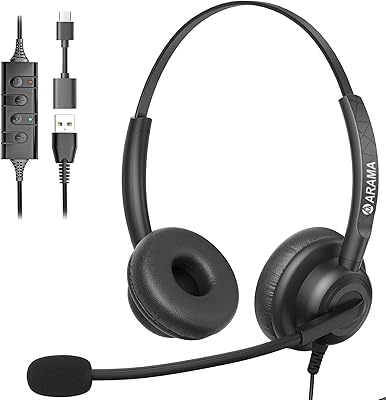
Arama A602USB Headset
80%
83%
Microphone Clarity
71%
Wearing Comfort
74%
Build Quality
93%
Plug-and-Play Setup
81%
In-Line Controls
More
Leitner LH475 Wireless Computer Headset
87%
94%
Noise-Canceling Performance
92%
Wireless Range
87%
Comfort and Fit
74%
Battery Life
91%
Call Quality
More
Callez C502EC1 Wired Computer Headset
85%
88%
Audio Quality
91%
Comfort for Long Use
84%
Noise Cancellation Effectiveness
80%
Microphone Flexibility
90%
Compatibility with Devices
More
Rownfusny R06S USB Headset with Microphone
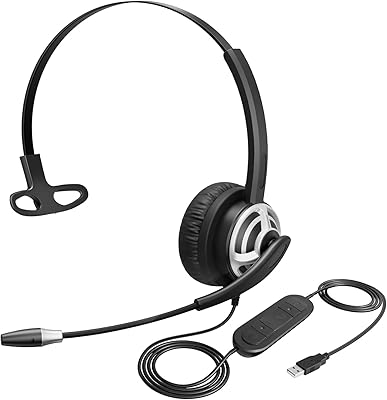
84%
87%
Noise-Canceling Performance
92%
Comfort for Extended Wear
80%
Build Quality & Durability
84%
Sound Clarity & Acoustics
90%
Ease of Setup & Use
More
MKJ USB Headset
MKJ USB Headset
79%
83%
Microphone Clarity
88%
Wearing Comfort
67%
Build Quality
94%
Plug-and-Play Setup
91%
Platform Compatibility
More
Logitech H960 USB Computer Headset
78%
83%
Microphone Quality
86%
Call & Voice Clarity
71%
Comfort & Wearability
94%
Ease of Setup
63%
Build Quality & Durability
More
EKSA H12E USB Headset
77%
86%
Microphone Clarity
78%
Noise Cancellation Performance
83%
Wearing Comfort
61%
Build Quality & Durability
91%
Value for Money
More
Voistek V9 USB Headset with Microphone
86%
88%
Audio Quality
85%
Comfort for Long Use
90%
Microphone Performance
74%
Durability
91%
Ease of Use
More
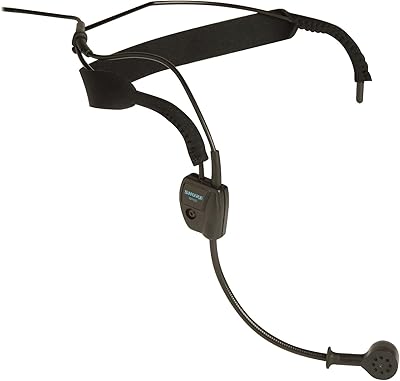
Shure WH20 Dynamic Headset Microphone
85%
90%
Sound Clarity
87%
Comfort and Fit
85%
Durability
88%
Ease of Use
84%
Design and Portability
More
Voistek 88C USB Headset
76%
78%
Microphone Clarity
72%
Audio Output Quality
74%
Comfort & Wearability
61%
Build Quality
91%
Connectivity Versatility
More

FAQ

Yes, the Yamaha CM500 Computer Headset with Microphone connects via a standard 3.5mm jack, so it plugs directly into any laptop or desktop with a combined headphone and microphone port. If your computer has separate ports for audio output and microphone input, you may need a splitter adapter, which is sold separately.

Absolutely. The included 1/4-inch adapter lets you connect directly to most standard audio interfaces, which is handy for home studio use. Just keep in mind that the built-in microphone is better suited for communication and basic tracking rather than professional-quality recording sessions.

Unfortunately, no. This wired computer headset does not have inline controls of any kind on the cable, so adjusting the volume or muting yourself requires going through your computer or conferencing software. It is one of the more commonly cited frustrations among buyers who use it for frequent calls.

Most users find the CM500 reasonably comfortable for extended sessions, largely because it weighs just over a pound and sits over the ear rather than pressing directly on it. That said, comfort is personal, and a small number of users report some pressure on the headband during sessions lasting several hours.

Yes, this is actually one of the stronger use cases for the CM500. The low distortion rating keeps voice pickup clean and intelligible, and most participants on the other end of a call will notice a clear improvement over a typical laptop microphone. It is a reliable choice for teachers, remote workers, and students.

No, the cable is fixed and non-detachable. If the cable is damaged at the connector end or develops an internal break, it cannot simply be swapped out, which is worth keeping in mind if you tend to be hard on cables or move around a lot at your desk.

It can work on mobile devices and some consoles that accept a standard 3.5mm connection, but it was not designed with gaming consoles or phones in mind. Compatibility will depend on your specific device and port configuration, so it is worth checking before assuming a direct plug-and-play connection.

The over-ear fit provides a moderate level of passive isolation, enough to reduce ambient chatter or light background noise. However, it will not block out loud environments the way active noise-cancelling headphones would. If you are in a busy open-plan office or a noisy household, some sound will still get through.

For what it does, yes. The core audio specifications have not aged badly, and the Yamaha name still carries real credibility in this segment. The design does look dated compared to newer headsets, but buyers who care more about reliable performance than visual style consistently find it delivers solid value.

The box includes the headset itself and a 1/4-inch adapter for connecting to audio interfaces or mixing boards. There is no carrying case, additional ear cushions, or inline control dongle included, so what you see is what you get — a straightforward, functional package.