Overview

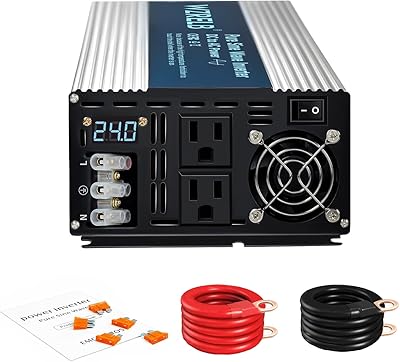
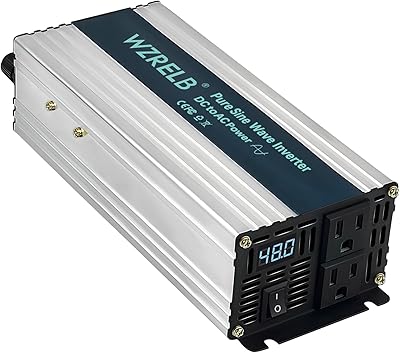
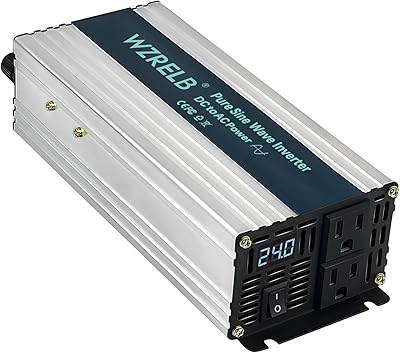
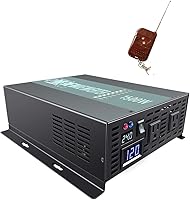
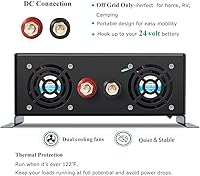
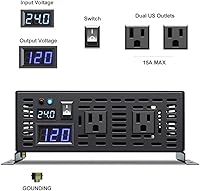
The WZRELB 1500W 24V Pure Sine Wave Inverter sits in a practical middle ground for DIY solar builders and off-grid enthusiasts who need dependable AC power without overspending on commercial-grade hardware. It converts 24V DC battery power to 120V AC at a continuous 1500W, with a 3000W peak to handle motor startup surges. A wired remote control switch is included — a genuinely useful touch for installations where the inverter lives in a compartment or battery box. Dual LED displays show both DC input and AC output voltage at a glance, and two standard US outlets keep things practical from day one.
Features & Benefits

What separates this sine wave inverter from cheaper modified sine wave alternatives is the quality of the AC output itself. Pure sine wave means the power it produces closely mirrors what comes from a wall outlet, which matters when you're running a CPAP machine, audio gear, or any appliance with a variable-speed motor. The six-layer protection system covers the situations that actually kill inverters in the field — overload, short circuit, reverse polarity, and thermal runaway. The cooling fan is temperature-controlled, staying off until the unit hits 51°C internally, which keeps noise down and extends component life. High-purity copper inductors round out a spec sheet that punches reasonably well for the category.

Best For

This 1500W inverter is a natural fit for off-grid cabin builds and solar setups running on a 24V battery bank. It handles the kinds of loads that come up in those contexts — a refrigerator, a box fan, power tools, or medical devices like CPAP machines — without demanding the budget of a higher-end brand. RV and van-life builds benefit especially from the remote switch, since the inverter can be tucked away and turned on without crawling into a storage bay. The quiet fan also makes it workable in enclosed spaces. It's less suited for heavy three-phase or high-draw industrial use.

User Feedback

The WZRELB unit holds a 4.0-star average across a few hundred reviews, which reflects a generally satisfied but not universally enthusiastic user base. Most buyers in the positive camp highlight clean, stable output and how straightforward the installation process is — terminals are clearly labeled and the unit powers up without fuss. On the critical side, a recurring concern involves long-term durability; some users report units failing after several months of regular use, and a handful mention inconsistent quality control or difficulty reaching customer support. The remote switch earns mostly positive mentions but occasional complaints about reliability. Worth knowing before you buy.

Pros

  • Pure sine wave output is safe for sensitive electronics including CPAP machines, audio gear, and variable-speed appliances.
  • The 3000W surge capacity handles motor startup loads without tripping the unit unexpectedly.
  • Temperature-controlled cooling fan stays off during light loads, keeping the installation noticeably quiet.
  • Dual LED displays show DC input and AC output voltage simultaneously, making system monitoring effortless.
  • Six built-in protections — including reverse polarity and short circuit — add a meaningful safety net for DIY installs.
  • Wired remote control is a practical bonus for inverters mounted in tight or enclosed spaces.
  • Most buyers report a straightforward installation process with clearly labeled terminals.
  • Compact and light enough at 7.5 pounds to fit cleanly into RV bays or under-bench cabinet builds.
  • At this power rating, the unit handles a solid range of everyday off-grid loads without issue.

Cons

  • Long-term reliability has raised concerns, with a notable share of buyers reporting failures after several months of use.
  • Quality control appears inconsistent — some units arrive with performance issues that others do not experience.
  • Customer support has drawn criticism, with buyers reporting difficulty getting timely responses after purchase.
  • The remote control switch has occasional reliability complaints, which is frustrating given how useful the feature is in practice.
  • No 12V input option, limiting compatibility for the large number of users running common 12V battery setups.
  • Continuous 1500W leaves little headroom for setups where loads frequently approach that ceiling.
  • The warranty terms and manufacturer support infrastructure are less robust than those of established inverter brands.
  • Build materials feel functional but not premium, which may concern buyers planning a high-cycle, always-on installation.

Ratings

The WZRELB 1500W 24V Pure Sine Wave Inverter has been evaluated by our AI rating system after analyzing hundreds of verified global user reviews, with spam, incentivized, and bot-generated feedback actively filtered out before scoring. The results reflect a candid picture of where this sine wave inverter genuinely delivers and where real buyers have run into friction. Both the strengths and the recurring pain points are transparently baked into every score below.
Output Power Quality
88%
Users running sensitive equipment — CPAP machines, audio amplifiers, variable-speed power tools — consistently report clean, stable power with no humming, interference, or appliance misbehavior. The pure sine wave output behaves like grid power in practice, which is exactly what this category of buyer needs most.
A small number of users noted slight voltage fluctuation under heavy sustained loads near the 1500W ceiling, which can be a concern for tightly toleranced equipment. This is not widespread, but it is worth monitoring if you regularly run loads above 1200W continuously.
Reliability & Longevity
61%
39%
Many buyers report months of solid, trouble-free operation in moderate off-grid and RV setups where the inverter is not pushed to its limits daily. For intermittent or seasonal use, the unit holds up reasonably well and delivers consistent performance during that window.
Long-term reliability is the most commonly cited concern across negative reviews, with a notable portion of users reporting failures within six to twelve months of regular use. Quality control inconsistency means some units appear to be more robust than others straight out of the box, which makes the ownership experience feel like a lottery for some buyers.
Cooling & Noise
84%
The temperature-controlled fan is a genuinely appreciated design choice — in light-load or cool-environment scenarios, the unit runs completely silently, which matters a lot for RV interiors and sleeping areas. Buyers using it in enclosed van builds specifically call out the quiet operation as a major day-to-day benefit.
When the fan does engage under high load or in warm ambient conditions, some users find the noise level higher than expected for a unit marketed around quiet operation. In a small enclosed space, the fan noise can become noticeable, though it remains within an acceptable range for most.
Ease of Installation
82%
18%
The terminal labeling is clear and the physical layout is intuitive enough that most DIY installers report getting the unit wired up and operational without consulting a manual. The compact form factor also makes fitting it into tight RV bays or battery cabinets straightforward compared to bulkier competitors.
Battery cables are not included, which catches some first-time inverter buyers off guard — especially those expecting a more complete out-of-the-box package. The instructions provided are basic and lack detail for less experienced installers who may need guidance on cable sizing or fusing best practices.
Remote Control Function
71%
29%
The wired remote switch is a practical convenience that buyers with hard-to-reach inverter installations genuinely value — being able to flip power on from a dashboard or panel without crawling into a storage compartment is a real quality-of-life improvement. Most users find it works reliably for straightforward on/off switching.
A recurring complaint involves the remote switch becoming intermittent or unresponsive over time, with some units showing this behavior within the first few months. The cable length is also limited, which restricts installation flexibility in larger vehicles or more spread-out off-grid builds.
LED Display Clarity
79%
21%
Having both DC input voltage and AC output voltage visible at the same time is practically useful during daily system checks — buyers managing solar setups appreciate being able to monitor battery state and output condition from a single glance at the unit. The displays are bright enough to read in normal indoor lighting conditions.
In direct sunlight or bright outdoor environments, the LED readouts can be difficult to see clearly, which limits their usefulness for inverters mounted in exposed locations. Some users also wish the display showed wattage or current draw in addition to voltage, which would make it more informative for load management.
Safety Protections
86%
The six-layer protection suite gives buyers genuine peace of mind during the kind of DIY installs where wiring mistakes or unexpected load spikes are a real possibility. The reverse polarity fuse protection in particular has reportedly saved several users from more serious damage after accidental miswiring.
While the protection systems work as advertised in most cases, a few users report that overload shutdowns can be triggered more conservatively than expected — occasionally cutting out before the stated 1500W limit under certain load profiles. Resetting after a protection event requires powering the unit down and back up, which can be inconvenient in automated setups.
Build Quality
63%
37%
The chassis feels solid enough for a unit in this class, and the internal components — particularly the copper inductors — suggest the manufacturer made reasonable choices where it matters for output quality. Most buyers who are satisfied with the unit's performance do not report obvious structural or cosmetic issues.
The external finish and casing materials feel noticeably utilitarian, and several buyers describe a sense that the enclosure tolerances are loose or that internal components shift slightly during handling. Compared to more established inverter brands, the overall build impression leaves some buyers uncertain about durability over a multi-year horizon.
Value for Money
74%
26%
For buyers who get a well-built unit and use it within its intended operating window, the performance-per-dollar ratio is genuinely competitive — pure sine wave output at this power level is not always easy to find at this price tier. RV users and solar hobbyists on a careful budget frequently cite solid value satisfaction in positive reviews.
The value calculation shifts considerably if the unit fails prematurely, since after-sale support and warranty service are areas where WZRELB has drawn repeated criticism. Buyers who factor in potential replacement costs or the hassle of a failed unit may feel the value proposition is weaker than it initially appears.
Compatibility
81%
19%
The pure sine wave output makes this inverter compatible with a broad range of appliances and electronics, including those that modified sine wave units struggle with — medical devices, laser printers, and audio gear all run without issue for the majority of users. The two standard US outlets cover most common connection scenarios without adapters.
The 24V-only input is a genuine compatibility limitation that eliminates this unit for buyers running 12V battery systems, which remain the most common configuration in smaller van and boat setups. There is also no USB output or built-in charger, meaning buyers with modern low-power device charging needs must add a separate solution.
Customer Support
44%
56%
A portion of buyers who contacted support for basic troubleshooting report receiving responses and guidance that helped them resolve their issues, suggesting the support channel is not entirely absent. For straightforward questions, some users have found the manufacturer reachable through Amazon messaging.
Poor customer support is one of the most consistent themes in negative reviews — slow response times, language barriers, and difficulty processing warranty claims are mentioned repeatedly by buyers dealing with failed units. This is a meaningful risk factor for anyone purchasing this unit as part of a critical or permanent off-grid installation.
Thermal Management
77%
23%
The decision to tie fan activation to temperature rather than load alone means the inverter manages heat intelligently during mixed-use scenarios, extending the life of internal components over time compared to always-on fan designs. Buyers in temperate climates running moderate loads rarely see the fan engage at all.
In hot ambient environments — like a van or cabin in summer — the fan activates more frequently and the unit can get warm to the touch during sustained high-load operation. A small number of users in hot climates report thermal shutdowns during peak summer use, which points to a somewhat narrow thermal headroom under worst-case conditions.
Indicator & Monitoring
73%
27%
Real-time dual voltage display is more useful than nothing and genuinely helps users catch low battery conditions or output anomalies before they become problems. For basic off-grid monitoring, it covers the essentials without requiring an external battery monitor for voltage awareness.
The monitoring capability is limited to voltage only, leaving buyers without load wattage, current draw, or remaining runtime data that more capable inverters provide. Users building out more sophisticated off-grid systems will likely outgrow the display quickly and need to invest in a separate battery management or monitoring system.
Package Contents
58%
42%
The included wired remote switch adds immediate value and is something not all competing units at this level include as standard. The unit itself is well-protected in packaging and typically arrives without physical damage, which buyers appreciate given the weight and fragility of the internal components.
The absence of battery cables, inline fuse hardware, or mounting hardware means buyers need to budget for additional parts before the inverter is installation-ready. For a first-time buyer expecting a more complete kit, the sparse accessory package can feel like an incomplete product experience.

Suitable for:

The WZRELB 1500W 24V Pure Sine Wave Inverter is a strong match for DIY-minded buyers building out off-grid solar systems, whether that's a cabin, a tiny home, or a van conversion running on a 24V battery bank. If you need to power household appliances — a refrigerator, a microwave, a box fan — without worrying about whether the waveform will damage sensitive electronics, this sine wave unit covers that concern cleanly. It's particularly well-suited for anyone relying on medical devices like CPAP machines or running audio equipment, since those loads genuinely benefit from grid-quality AC output. The included wired remote control is a real convenience for RV and van builds where the inverter is installed in a hard-to-reach compartment. Buyers who want live visibility into their system will appreciate the dual LED displays showing both DC input and AC output voltage simultaneously, which removes a lot of guesswork during daily operation.
Not suitable for:

The WZRELB 1500W 24V Pure Sine Wave Inverter is not the right choice for buyers who need an inverter that will run hard, continuously, for years without question. The 4.0-star rating, while decent, masks a meaningful subset of users who report unit failures after several months of regular use — a pattern worth taking seriously if your setup depends on consistent uptime. Anyone building a critical backup power system for medical or professional equipment should look toward more established brands with stronger warranty support and documented quality control. This unit is also not designed for 12V battery systems, so buyers coming from a common 12V setup will need a different inverter entirely. If your loads regularly approach or exceed 1500W, the headroom here is limited, and you'd be better served by a 2000W or 3000W unit from the start. Buyers who are not comfortable with DIY wiring or basic electrical work may also find the installation process less approachable without professional guidance.

Specifications

  • Continuous Power: The inverter delivers a steady 1500W of continuous AC output power for running appliances and electronics reliably over extended periods.
  • Peak Surge Power: A 3000W peak surge capacity allows the unit to handle the higher startup draw of motors and compressors without shutting down.
  • Input Voltage: Designed exclusively for 24V DC battery systems; it is not compatible with 12V or 48V battery banks.
  • Output Voltage: Produces a stable 120V AC output at 60Hz, matching standard North American household current specifications.
  • Waveform Type: Outputs a true pure sine wave, making it safe for sensitive electronics, variable-speed motors, and medical devices like CPAP machines.
  • AC Outlets: Equipped with two standard US three-prong AC outlets for connecting household appliances and devices directly.
  • LED Display: Dual LED readouts show DC input voltage and AC output voltage simultaneously, allowing real-time system monitoring at a glance.
  • Cooling System: A built-in intelligent fan activates only when internal temperature exceeds 51°C, keeping the unit quiet during normal or light-load operation.
  • Protections: Six-layer protection covers over-voltage, low-voltage, overload, short circuit, over-temperature, and reverse polarity (fuse-based) conditions.
  • Remote Control: A wired remote on/off switch is included, enabling the inverter to be powered on or off from a convenient distance.
  • Inductors: High-purity copper inductors are used internally to filter the waveform and maintain clean sine wave output under load.
  • Switching Devices: Large imported MOSFETs provide strong driving capacity and contribute to stable performance across varying load levels.
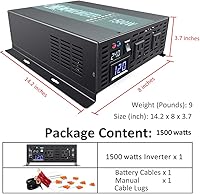
  • Dimensions: The unit measures 13.7 x 9.75 x 3.7 inches, making it compact enough for RV bays, battery cabinets, and under-bench installations.
  • Weight: At 7.5 pounds, this sine wave inverter is light enough to mount vertically or horizontally without requiring heavy-duty mounting hardware.
  • Model Number: The official model identifier is RBPRC1500s24, useful for warranty claims, replacement parts inquiries, or cross-referencing compatible accessories.
  • Manufacturer: Made by Yueqing Reliable Electric Co., Ltd, a Chinese manufacturer producing a range of DC-to-AC inverter products under the WZRELB brand.
  • Output Frequency: AC output is fixed at 60Hz, aligning with North American grid standards and ensuring compatibility with frequency-sensitive appliances.
  • First Available: This model has been available on the market since June 2019, giving it a reasonable track record of real-world user feedback.

Related Reviews

WZRELB RBP-500024S 5000W 24V Pure Sine Wave Inverter
84%
91%
Power Performance
73%
Ease of Setup
85%
Safety Features
88%
Cooling Efficiency
90%
Build Quality
More
WZRELB 3000W 24V Pure Sine Wave Inverter
76%
91%
Output Power Quality
84%
Build Quality
78%
Thermal Management
61%
Fan Noise
66%
Voltage Display Accuracy
More
OLTEANP TK-1500W 1500W Pure Sine Wave Inverter
87%
89%
Power Performance
92%
Value for Money
85%
Ease of Use
90%
Portability & Size
93%
Safety Features
More
Novopal 1500W Pure Sine Wave Inverter
76%
83%
Power Output Accuracy
88%
Power Quality
74%
Build Quality
86%
Ease of Installation
89%
Remote Control Usability
More
LEESKY 1500W Pure Sine Wave Power Inverter
82%
88%
Output Power Quality
84%
Build Quality
86%
Value for Money
91%
Remote Controller Usefulness
79%
Noise Level
More
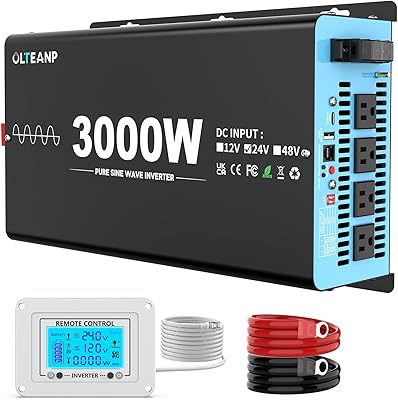
OLTEANP TK-3 3000W Pure Sine Wave Inverter
78%
92%
Power Output Quality
88%
Lithium Battery Compatibility
74%
Build Quality
61%
Fan Noise
86%
LCD Display & Usability
More
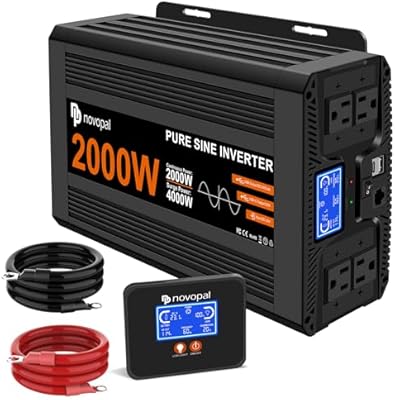
Novopal 2000W 24V Pure Sine Wave Inverter
79%
88%
Power Output Quality
83%
Build Quality
79%
Value for Money
74%
Ease of Installation
81%
Remote Control Functionality
More
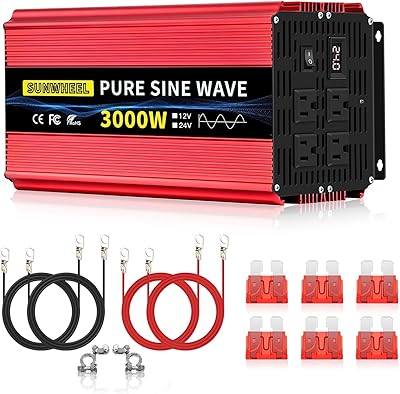
SUNWHEEL 3000W 24V Pure Sine Wave Inverter
78%
88%
Output Power Quality
83%
Value for Money
86%
Ease of Installation
81%
Surge Handling
79%
Noise Level
More
WZRELB 1200W Pure Sine Wave Inverter SE120048
83%
88%
Power Stability
85%
Ease of Setup
78%
Cooling System
90%
Display & Monitoring
87%
Portability
More
WZRELB SE80024 800W Pure Sine Wave Inverter
77%
91%
Output Power Quality
87%
Value for Money
63%
Thermal Management
58%
Fan Noise
88%
LED Voltage Display
More

FAQ

No, this unit is built specifically for 24V DC input. If your battery bank is 12V, you will need a different inverter rated for 12V input. Running a 24V inverter from a 12V source will not work and could damage the unit.

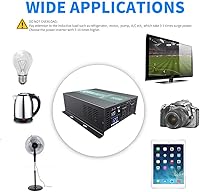
The WZRELB 1500W 24V Pure Sine Wave Inverter can handle a wide range of household loads — refrigerators, televisions, laptops, CPAP machines, power tools with variable-speed motors, and audio equipment all run safely on pure sine wave output. Just make sure your combined load stays under 1500W continuously, and check that startup surges stay within the 3000W peak ceiling.
Pure sine wave output closely mimics the smooth AC power that comes from a standard wall outlet, while modified sine wave is a rougher approximation. For basic resistive loads like incandescent lights or simple heating elements, modified sine wave usually works fine. But for anything with a sensitive motor, a microprocessor, or medical equipment, pure sine wave is the right choice — it runs cooler, quieter, and without the buzz or interference that modified sine wave can cause.

Fairly quiet, actually. The fan is temperature-controlled, meaning it only kicks on when the internal temperature hits 51°C. During light to moderate loads in a cool environment, the fan may stay off entirely. When it does run, most users describe it as a low, unobtrusive hum rather than a noticeable noise source.

The included wired remote cable is typically a few feet long — enough for most panel or dashboard installations. Extending it is possible using standard low-voltage cable, but keep runs short to avoid signal degradation. If your installation requires a longer reach, check the cable gauge and test functionality before committing to a permanent setup.

It does not include battery cables in most configurations. You will need to source your own appropriately rated cables — for a 1500W inverter at 24V, use cables sized for the current draw involved, typically at least 2 AWG or heavier for runs over a few feet. Undersized cables are a common and avoidable installation mistake.

Yes, the unit can generally be mounted horizontally or vertically. The most important thing is to ensure the fan vents are not obstructed, since the cooling system relies on adequate airflow. Leave a few inches of clearance around the unit, particularly near the fan intake and exhaust areas.

The inverter has reverse polarity protection via a built-in fuse. In most cases, reversing the cables will blow that fuse rather than permanently damaging the internal components. Check and replace the fuse before reconnecting with correct polarity. That said, always double-check your positive and negative connections before powering up — it is a simple habit that prevents a frustrating situation.

That depends on how hard you push it and what your expectations are. User feedback is generally positive, but a meaningful portion of buyers report failures after several months of continuous or heavy use. For occasional or moderate off-grid use, most buyers are satisfied. If you need something running 24/7 under consistent load, it may be worth budgeting for a brand with a stronger long-term reliability track record and more accessible warranty support.

No. This unit is not designed for parallel operation. Attempting to connect two inverters in parallel without purpose-built parallel capability can cause serious electrical problems, including output frequency conflicts and potential damage to both units. If you need more than 1500W, the better approach is to select a single higher-capacity inverter rated for your actual load requirements.