
Overview

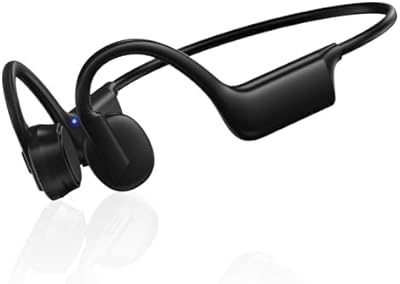
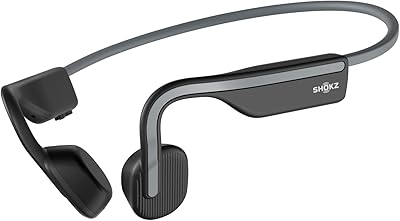
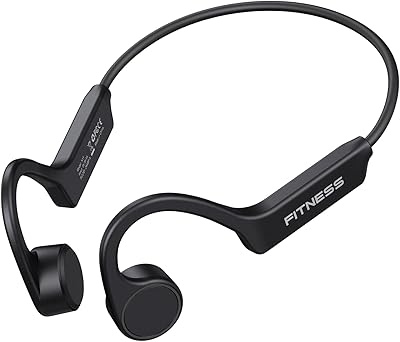
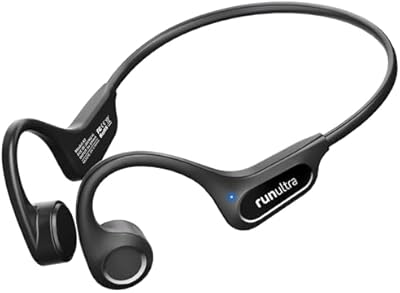
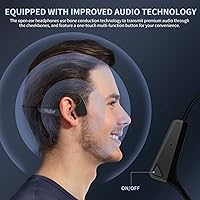
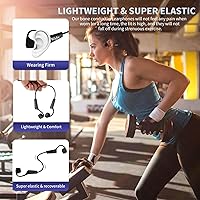
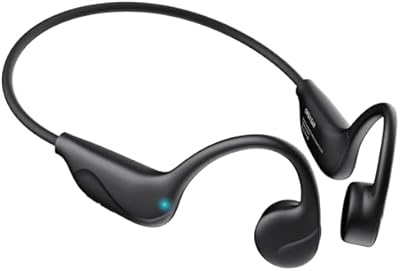
The Wigfar Wig-11 Bone Conduction Headphones bring an increasingly popular listening technology to buyers who don't want to spend a lot to try it out. Bone conduction works by transmitting sound through your cheekbones rather than into your ear canal, which means your ears stay completely open to the world around you — a real advantage when you're running near traffic or cycling on busy paths. The frame is built from flexible titanium, weighs almost nothing on your head, and wraps around the back of your skull securely. Sound quality won't rival premium brands, but that's not really the point here.

Features & Benefits

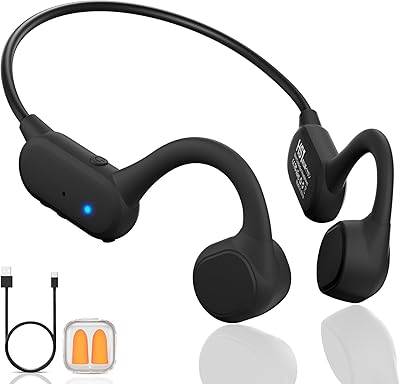
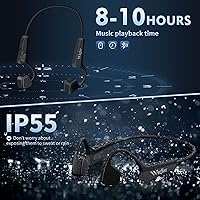
The open-ear driver placement keeps your ear canal free, so ambient sound passes through naturally without any EQ tricks. The titanium frame can be bent and twisted without losing its shape, and after a long run, you're unlikely to notice it's there. IP55-rated protection handles sweat and light rain without issue — just don't take these swimming, as full submersion is beyond what the rating covers. Bluetooth 5.0 keeps the connection stable within a reasonable range, and a full charge via USB Type-C delivers around eight hours of playback. Sponge earplugs are included if you ever want a bit more audio isolation.

Best For

These bone conduction headphones are an obvious fit for anyone who exercises outdoors and genuinely needs to hear what's happening around them. Runners, cyclists, and hikers benefit most — situational awareness isn't optional when you're sharing roads or trails. Gym users who struggle with earbuds falling out or causing discomfort will also find the wraparound fit refreshingly stable. If you've never tried bone conduction before and want to explore the format without a big financial commitment, this is a sensible starting point. The built-in microphone also makes this sport headset a practical option for people who handle frequent calls during a commute or walk.

User Feedback

With over 3,100 ratings averaging 4.1 stars, the Wigfar open-ear headphones have built a reasonably solid reputation for their category. Buyers consistently praise the all-day comfort and how well the fit holds during intense movement. On the critical side, sound leakage at higher volumes is a frequent mention — expect people nearby to hear a thin echo of your audio. Bass is limited, which is a known trade-off with bone conduction at this price. Call quality gets mixed marks: fine for outdoor use, but don't expect crisp audio in noisy environments. A few users with smaller heads noted the frame felt slightly loose, so fit isn't universally perfect.

Pros

  • Keeps ears completely open so you can hear traffic, people, and your surroundings while listening.
  • The flexible titanium frame stays comfortable through hour-long runs and gym sessions without ear fatigue.
  • Sweat and light rain resistance means you can train outdoors without babying the headset.
  • These bone conduction headphones weigh almost nothing — most users forget they are wearing them.
  • Bluetooth 5.0 delivers a reliable, drop-free connection throughout typical outdoor and gym use.
  • A full charge via USB Type-C lasts through most people's entire daily activity routine.
  • Bundled sponge earplugs add unexpected versatility for noisier environments when isolation is needed.
  • An affordable way to try bone conduction technology before committing to a premium-priced option.
  • The built-in microphone handles everyday outdoor calls without needing to reach for your phone.
  • Over 3,100 global ratings averaging 4.1 stars points to consistent, repeatable satisfaction across buyers.

Cons

  • Sound leakage at higher volumes is noticeable enough to bother people sitting or standing nearby.
  • Bass response is thin — music genres that rely on low-end punch will sound flat and underwhelming.
  • The single-button control interface has a real learning curve and causes accidental input errors early on.
  • Call quality degrades significantly in windy or loud outdoor environments.
  • No carrying case is included, leaving the frame vulnerable to scratches in a bag or pocket.
  • The frame size is fixed, so users with very small or very large heads may struggle to get a secure fit.
  • Real-world battery endurance at higher volumes trends toward the shorter end of the advertised range.
  • The plastic housing around the transducers feels noticeably cheaper than the titanium frame suggests.
  • The user manual is poorly translated, making troubleshooting and multi-device pairing unnecessarily confusing.
  • Audio can get lost entirely in very loud environments since there is no way to seal or amplify the sound path.

Ratings

The Wigfar Wig-11 Bone Conduction Headphones have been evaluated using AI-driven analysis of verified global buyer reviews, with spam, bot-generated, and incentivized submissions actively filtered out to ensure the scores reflect genuine ownership experiences. Across more than 3,100 ratings, we identified consistent patterns in both what users love and where frustrations emerge — and every score below reflects that full picture honestly.

Comfort & Fit
88%
The wraparound titanium frame sits lightly on the skull and adapts well to movement without digging in or shifting. Runners and cyclists repeatedly note they can wear these through hour-long sessions without the ear fatigue or canal pressure that comes with traditional earbuds.
Users with smaller heads report the frame can feel slightly loose, causing minor slippage during fast lateral movements. A handful of buyers with larger heads found the rear band sits uncomfortably close to the base of the skull after extended wear.
Sound Quality
61%
39%
For casual listening during exercise — podcasts, audiobooks, upbeat playlists — the audio is clear enough to follow without straining. Buyers who set realistic expectations for the price point generally come away satisfied with the mid-range clarity.
Bass response is noticeably thin, and at higher volumes the audio takes on a slightly tinny character. Audiophiles or anyone used to sealed in-ear monitors will find the sound flat and lacking depth — this is a functional listening tool, not a high-fidelity one.
Situational Awareness
94%
This is the core strength of bone conduction as a format, and the Wigfar open-ear headphones deliver it reliably. Runners can hear approaching vehicles, cyclists can follow trail conversations, and commuters stay attuned to platform announcements without pulling anything out of their ears.
In very loud environments like busy urban intersections or loud gyms, the audio from the headphones can get buried under ambient noise since there is no way to seal the sound path. Users occasionally have to pause activity just to hear their audio clearly.
Build Quality
76%
24%
The titanium frame holds up well to daily bending and the flex-and-return motion that comes from being stuffed into a gym bag. Several buyers noted the frame still looked and felt intact after months of regular outdoor use.
The plastic housing around the transducers and controls feels less premium than the frame itself, with a hollow quality that suggests cost-cutting. A small number of buyers reported cracking near the charging port area after several months of use.
Water & Sweat Resistance
79%
21%
The IP55 rating proves sufficient for sweaty gym sessions and runs caught in light rain — buyers in humid climates report no issues after months of regular use. The charging port area handled repeated sweat exposure without corrosion in most reported cases.
The rating stops well short of waterproofing for swimming or heavy water exposure, and a handful of buyers found this out the hard way. The manual is not always clear enough about this limitation, leading to some preventable water damage claims in reviews.
Battery Life
83%
The battery holds up well through typical daily use — most buyers comfortably cover a morning run, a commute, and a midday workout on a single charge without anxiety. The Type-C port makes topping up straightforward since the cable is already in most people's kit.
Heavy users who listen continuously across full workdays will hit the battery ceiling before evening. Real-world endurance at higher volumes trends toward the lower end of the advertised range, which some buyers found slightly optimistic.
Call Quality
67%
33%
The built-in microphone handles everyday calls well enough when you are walking, hiking, or cycling in moderate conditions. Callers on the other end generally described the voice as audible and reasonably clear in open-air settings.
Wind noise is a consistent complaint during outdoor calls — anything above a light breeze introduces noticeable interference. Indoor call quality in shared or reverberant spaces is also mediocre, so this sport headset is not a substitute for a dedicated headset in professional settings.
Sound Leakage
52%
48%
At low to moderate volumes, leakage is minimal and unlikely to bother people nearby on a morning run or outdoor trail. The included sponge earplugs can also partly redirect audio inward if privacy is a concern in quieter settings.
Turned up past the midpoint, the vibrations from the transducers become audible to people within a meter or two — a real issue on public transport or in office environments. Several reviewers specifically warned against using these at high volume in quiet shared spaces.
Bluetooth Stability
81%
19%
Bluetooth 5.0 keeps the connection solid during typical outdoor use, with no reported dropout issues at distances most users actually operate within. Pairing is quick on initial setup and reconnects reliably when the headphones are powered on near a previously paired device.
A small percentage of buyers reported occasional audio stuttering when the phone was stored in a back pocket or when moving through areas with high wireless interference. The stated range works in open air but degrades meaningfully through walls or crowds.
Ease of Controls
58%
42%
Consolidating all functions into a single button keeps the exterior clean and reduces the risk of accidental presses during exercise. Once the tap patterns are memorized, frequent actions like answering calls become second nature.
The learning curve for multi-function single-button controls is steeper than most buyers expect, and several reviewers admitted skipping tracks by mistake for the first week. Users coming from headphones with dedicated volume and skip buttons will need patience to adjust.
Weight & Portability
91%
At 27 grams, these bone conduction headphones are genuinely light — you stop noticing them within minutes of putting them on. They fold flat easily and take up almost no space in a running vest pocket or gym bag.
The wraparound shape means they cannot collapse as compactly as folding over-ear headphones, and they lack a dedicated carrying case, which means the frame can get scratched bouncing around loose in a bag.
Value for Money
84%
As a budget entry point into bone conduction, these headphones offer a legitimate and functional experience at a fraction of what established brands charge. For buyers who want to test the format before committing serious money, the proposition is genuinely sensible.
If you compare them directly to mid-range bone conduction options, the gap in audio quality and build finish becomes evident. Buyers expecting premium-tier performance at this price will feel the compromise more acutely than those approaching it as a starter device.
Setup & Pairing
86%
Initial pairing follows a familiar Bluetooth process that most users complete in under a minute. The headphones enter pairing mode automatically on first power-up, and the voice prompt system guides you through the steps without needing the manual.
The manual itself is thin and translated unevenly, which causes confusion for less tech-confident buyers when troubleshooting multi-device pairing or resetting the headphones after a software glitch.
Accessories & Packaging
72%
28%
The inclusion of sponge earplugs is a thoughtful touch — they serve a real purpose when bone conduction vibration alone feels insufficient in noisy environments, and similar brands rarely include them. The Type-C cable also charges quickly and is a universal format.
There is no carrying pouch or case included, which feels like an oversight for a sport-focused product. The packaging itself is minimal and functional but gives no impression of a considered unboxing experience, which matters less for this category but still shapes first impressions.

Suitable for:

The Wigfar Wig-11 Bone Conduction Headphones were clearly designed with active, safety-conscious users in mind, and that focus shows in nearly every design choice. Outdoor runners who train on roads or shared paths will appreciate being able to hear approaching vehicles, cyclists, or other runners without removing anything from their ears. Cyclists and hikers get the same benefit — the ability to stay aurally connected to the environment while still having a soundtrack for the effort. Gym users who find earbuds uncomfortable or unhygienic, or who simply hate the sensation of a sealed canal, will find the open-ear fit a genuine relief during long training sessions. This sport headset is also a smart pick for anyone curious about bone conduction technology but unwilling to pay premium prices to explore it — at this price point, the format becomes accessible without a painful financial commitment. Commuters who handle frequent calls on the move will find the built-in microphone adequate for day-to-day conversations, and the sweat resistance gives working professionals who exercise during lunch breaks one less thing to worry about.

Not suitable for:

The Wigfar Wig-11 Bone Conduction Headphones are a poor match for anyone who prioritizes rich, full-bodied audio above everything else. If bass response, dynamic range, or high-fidelity reproduction matter to you — whether for music production, critical listening, or simply enjoying your favorite albums the way they were mixed — these headphones will disappoint regardless of how well they perform in other areas. They are equally wrong for swimmers or anyone who exercises in or near water, since the IP55 rating handles sweat and rain but offers no protection against submersion. People who commute on crowded trains or work in quiet shared offices should also think twice: at higher volumes, sound leaks noticeably and can become an annoyance to people nearby. Users who rely heavily on voice assistants or want granular in-line controls for volume and track skipping may find the single-button interface limiting and frustrating until the tap patterns are fully memorized. Finally, buyers with particularly small or large heads may struggle to find a secure fit, as the frame size is not adjustable and reviews flag this as a recurring issue at both ends of the spectrum.

Specifications

  • Driver Type: Audio is delivered via bone conduction transducers that vibrate against the cheekbones rather than projecting sound into the ear canal.
  • Frame Material: The wraparound headband is constructed from titanium, which is flexible enough to bend without permanent deformation.
  • Weight: The headset weighs approximately 27 grams, placing it among the lighter options in the open-ear category.
  • Ear Placement: The design is fully open-ear, meaning no part of the headphones enters or covers the ear canal.
  • Bluetooth Version: Wireless connectivity runs on Bluetooth 5.0, which offers stable pairing and low-latency audio transmission.
  • Wireless Range: The effective Bluetooth range extends to approximately 10 meters in open-air conditions without obstructions.
  • Battery Life: A full charge supports up to eight hours of continuous playback, though real-world duration varies with volume level.
  • Charging Port: The headset charges via a USB Type-C port, compatible with most modern charging cables and adapters.
  • Water Resistance: The IP55 rating means the headset is protected against sweat and light rain but is not suitable for swimming or submersion.
  • Impedance: The transducers operate at 20 Ohms, which is standard for portable wireless audio devices at this tier.
  • Microphone: A built-in microphone with noise reduction support is included for hands-free calls and voice assistant interaction.
  • Control Interface: All playback and call functions are managed through a single multi-function button using combinations of short and long presses.
  • Compatible Devices: The headset pairs with smartphones, tablets, laptops, and any other device that supports standard Bluetooth audio profiles.
  • Included Accessories: The package includes a pair of sponge earplugs, a USB Type-C charging cable, and a printed user manual.
  • Product Dimensions: The headset measures approximately 5.4 by 4.3 by 1.6 inches when laid flat, making it compact enough to pocket without folding.
  • Age Recommendation: The manufacturer recommends these headphones for users aged ten years and older.
  • Connectivity Type: The headset connects exclusively via Bluetooth and does not include a wired audio input option.
  • Voice Control: The headset supports activation of the paired device's native voice assistant, such as Siri or Google Assistant, via the control button.

Related Reviews
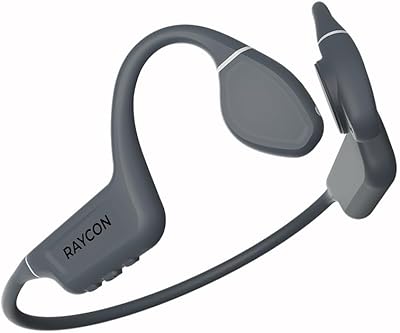
Raycon Bone Conduction Headphones RBB842
74%
91%
Water Resistance
93%
Situational Awareness
87%
Battery Life
63%
Audio Quality
82%
Fit & Stability
More
Enerair A20 Bone Conduction Headphones
73%
84%
Value for Money
81%
Comfort & Fit
63%
Sound Quality
88%
Water & Sweat Resistance
76%
Battery Life
More
PSIER X11 Bone Conduction Headphones
77%
88%
Comfort & Wearability
84%
Secure Fit During Activity
61%
Sound Quality
93%
Open-Ear Situational Awareness
52%
Sound Leakage
More
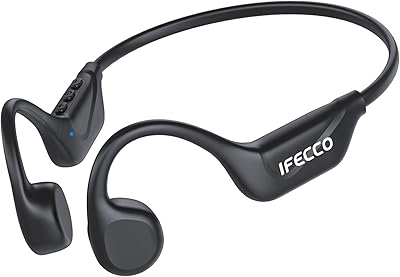
Ogogrs K08 Bone Conduction Open-Ear Headphones
70%
81%
Comfort & Fit
58%
Sound Quality
83%
Battery Life
88%
Situational Awareness
52%
Microphone Quality
More
Shokz OpenMove
Shokz OpenMove
84%
96%
Situational Awareness
92%
Long-Term Comfort
88%
Build Quality & Durability
84%
Value for Money
91%
Charging Convenience
More
Yistao B8 Bone Conduction Open-Ear Headphones
77%
91%
Comfort & Fit
88%
Battery Life
86%
Waterproofing
63%
Audio Quality
51%
Sound Leakage
More
Qyzue S27 Bone Conduction Headphones
79%
91%
Comfort & Wearability
88%
Fit & Stability
86%
Battery Life
67%
Sound Quality
83%
Bluetooth Connectivity
More
Cevinily HS1 Bone Conduction Headphones
78%
91%
Wearing Comfort
89%
Situational Awareness
86%
Battery Life
84%
Water Resistance
61%
Sound Quality
More
Nanajorwa X7 Bone Conduction Headphones
78%
83%
Comfort & Fit
61%
Sound Quality
72%
Battery Life
91%
Ambient Awareness
69%
Build Quality
More
Shokz OpenRun
Shokz OpenRun
82%
97%
Situational Awareness
93%
Fit and Comfort
88%
Water and Sweat Resistance
84%
Battery Life
92%
Quick Charging Capability
More

FAQ

Light rain and sweat are no problem — the IP55 rating covers those scenarios reliably. That said, swimming or any kind of submersion is a different story, and the headphones are not designed for it. If you're caught in a heavy downpour, it's worth drying them off promptly rather than assuming full waterproofing.

Bone conduction bypasses the ear canal entirely — the transducers rest against your cheekbones and transmit vibrations that your inner ear interprets as sound. Most users find it completely painless, even over long sessions. At very high volumes, some people notice a mild vibrating or buzzing sensation against the skin, but it's not harmful and usually goes away when you turn the volume down a notch.

There's a real learning curve to it, honestly. Because all functions — play, pause, skip, answer calls, activate voice assistant — run through one button, you'll likely trigger the wrong action a few times before the tap patterns become muscle memory. Give it a few days of regular use and it becomes second nature, but if you're used to dedicated volume and skip buttons, the adjustment takes patience.

At low to moderate volumes, leakage is minimal and unlikely to bother anyone nearby. Once you push past about 70% volume, the vibrations become audible to people within a meter or so. This is a known characteristic of bone conduction technology broadly, not just this headset — it's worth keeping in mind if you regularly use headphones in quiet offices or on public transit.

The Type-C port supports fast charging, and most users report reaching a full charge in around one to two hours. For day-to-day use, a short top-up before a workout is usually enough to get several hours of playback without any anxiety about running out mid-session.

This comes up often, and the answer is mostly yes — the wraparound frame sits behind the ears and along the jawline, so it doesn't directly conflict with most eyeglass frames. Some users with thick-armed glasses notice a slight pressure point where the two frames overlap near the temple, but the majority report no real issue after a brief adjustment period.

They're included for situations where bone conduction alone doesn't deliver enough volume or isolation — for example, a very noisy gym floor or a loud commute where ambient sound is overwhelming your audio. By inserting the earplugs, you block outside noise and the vibrations from the transducers become relatively louder and clearer. It's a practical addition that many competing products at this price skip entirely.

For everyday calls during a walk, run, or commute in calm conditions, the microphone performs adequately — callers can hear you clearly enough. In wind or heavy ambient noise, quality drops noticeably and some callers report struggling to follow the conversation. It's serviceable for quick, functional calls, but if clear call audio is a daily priority, dedicated earbuds with beamforming microphones will outperform this sport headset.

The titanium frame is flexible but not adjustable in terms of overall size, so fit varies depending on head circumference. Users with average head sizes report a secure, stable fit. Buyers at the smaller end of the spectrum sometimes find the frame slightly loose, while those with larger heads occasionally report pressure at the rear where the band wraps around. If you're between sizes on other headsets, it's worth checking return options before committing.

Yes — any device with Bluetooth can pair with these headphones, including laptops and tablets. For video calls, the built-in microphone works reasonably well in quiet indoor spaces. For gaming, the open-ear design means you'll hear game audio alongside everything in the room, which some players prefer for situational awareness and others find distracting. It's not a dedicated gaming headset, but it functions adequately for casual use.