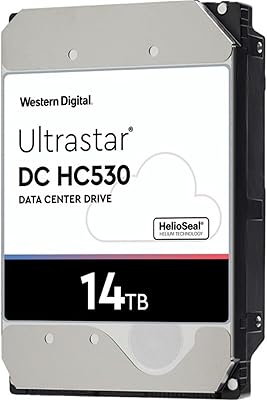
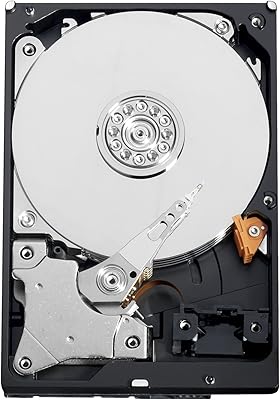
Overview

The Western Digital Ultrastar DC HA200 2TB HDD is not a consumer drive wearing enterprise clothing — it genuinely comes from that world. Originally developed under HGST before Western Digital absorbed the brand, the Ultrastar lineage has deep roots in data center deployments. This enterprise HDD ships in a standard 3.5-inch form factor and spins at 7200 RPM, so it drops into most desktop and NAS cases without issue. The gold label on the drive is purely cosmetic. Pricing runs higher than budget desktop drives, which is fair — you are paying for endurance ratings and reliability tolerances that most consumer HDDs simply are not built to sustain.
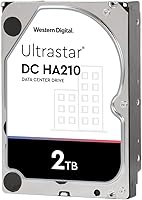
Features & Benefits

The standout spec here is the 550TB annual workload rating — about ten times what a typical desktop HDD is rated for. That matters when drives run continuously in NAS enclosures or small servers, conditions where consumer drives often fail well ahead of schedule. Western Digital also quotes an MTBF of up to 2.5 million hours, which sounds staggering but is a population-level statistic, not a per-unit guarantee. Still, paired with a 5-year warranty, it signals a meaningful reliability commitment. Rotational Vibration Safeguard technology helps this Ultrastar drive maintain accuracy in multi-bay enclosures, where neighboring drives can introduce vibration that degrades performance over time. The 128MB cache and SATA 6 Gb/s interface are solid, if unremarkable at this tier.

Best For

This enterprise HDD is a strong pick for anyone building a home or small-business NAS that needs to run around the clock. The elevated workload tolerance is genuinely useful for media archivists pushing terabytes through a system on a regular basis. In multi-bay enclosures — think a 4-bay or 8-bay Synology or QNAP — the vibration safeguard technology earns its keep in ways a standard desktop drive simply cannot match. IT professionals needing dependable secondary storage for workstations, without the cost of full SAS hardware, will also find the DC HA200 a reasonable fit. Casual desktop users, though, should probably look elsewhere — the endurance overhead adds cost that makes little sense if your drive sits mostly idle.

User Feedback

With over 1,300 ratings averaging 3.9 out of 5, the reception for this Ultrastar drive is solid but not uncomplicated. Buyers who deploy it correctly — inside NAS enclosures running 24/7 — frequently report quiet, stable operation over months and years of continuous use. That is the good news. The recurring complaints, though, deserve attention: a meaningful number of users report dead-on-arrival units, and there is enough batch inconsistency in the feedback to suggest quality control is not perfectly uniform. Some negative reviews also come from buyers who expected consumer-level speeds this drive was never designed to offer. Warranty service experiences are mixed, which is worth factoring in given how central that 5-year coverage is to the value argument.

Pros

  • Workload rating of up to 550TB per year is roughly 10 times what a standard desktop HDD can handle.
  • Five-year limited warranty offers meaningful long-term peace of mind for always-on deployments.
  • Rotational Vibration Safeguard technology keeps read/write accuracy stable in crowded multi-bay enclosures.
  • HGST engineering heritage gives this Ultrastar drive a strong reliability reputation among NAS enthusiasts.
  • CMR recording method ensures predictable, consistent write performance without the caveats of SMR drives.
  • Quiet operation under sustained load is a frequently praised trait among NAS users running it around the clock.
  • SATA 6 Gb/s interface ensures broad compatibility across a wide range of NAS units, servers, and controllers.
  • Enterprise-class internal construction prioritizes data integrity over sustained periods, not just peak burst speed.
  • The 2.5 million hour MTBF figure, while statistical, reflects the reliability tier this drive is engineered for.

Cons

  • DOA unit reports appear often enough across buyer reviews to suggest batch quality control is inconsistent.
  • Warranty service experiences vary considerably, which undercuts one of the drive's headline selling points.
  • Per-terabyte cost is noticeably higher than consumer drives, making it a tough sell for light or occasional use.
  • No performance edge over standard consumer HDDs — raw sequential speeds are limited by the shared SATA ceiling.
  • Utilitarian packaging and zero consumer extras mean this enterprise HDD feels deliberately bare-bones out of the box.
  • At only 2TB, capacity is modest compared to higher-density NAS-optimized drives available at similar price points.
  • Some buyers have reported firmware or compatibility quirks in specific NAS enclosures that required extra troubleshooting.
  • The drive is not designed for portability or external enclosures, limiting its flexibility for non-traditional setups.

Ratings

Our scores for the Western Digital Ultrastar DC HA200 2TB HDD were generated by AI after a thorough analysis of verified buyer reviews from global markets, with spam accounts, bot-generated submissions, and incentivized feedback actively filtered out before any scoring was applied. This drive occupies a specific niche between consumer storage and full enterprise hardware, and the ratings reflect that reality honestly — including the legitimate frustrations buyers have encountered alongside the genuine strengths. Whether this Ultrastar drive suits your setup or not, the scorecard below gives you an unvarnished look at what real-world deployment actually looks like.

Reliability & Endurance
83%
Buyers who deploy this Ultrastar drive in always-on NAS environments consistently report extended periods of trouble-free operation. In setups running continuously for months, the enterprise-grade internal construction clearly distinguishes it from consumer alternatives that often falter under sustained, heavy workloads.
A recurring thread in negative reviews points to DOA units and early-life failures that directly undercut the drive's reliability reputation. While these appear to be batch-related rather than a systemic design flaw, they surface frequently enough to be a genuine concern worth investigating before purchase.
Workload Tolerance
91%
The 550TB annual workload rating is where this enterprise HDD genuinely separates itself from the consumer NAS segment. Users running continuous surveillance recording, large media library backups, or small-scale server operations report that the drive absorbs sustained data throughput without the gradual performance degradation common in lower-rated alternatives.
The high workload ceiling is essentially irrelevant for casual desktop users or anyone running light NAS tasks, making it a premium specification many buyers will never come close to utilizing. That gap between rated capability and typical home use contributes to the drive feeling overbuilt for a meaningful portion of its actual audience.
Value for Money
67%
33%
For buyers who actually need what the DC HA200 delivers — 24/7 endurance, enterprise-level reliability engineering, and a 5-year warranty — the cost premium over consumer NAS drives is genuinely defensible. The total cost of ownership argument holds up once you factor in the reduced probability of early drive replacement in a demanding, continuous-use setup.
At only 2TB, the per-terabyte cost is steep compared to higher-capacity consumer NAS alternatives that handle moderate workloads adequately. Buyers who do not push their drives hard will feel the price difference without ever realizing the benefit, making value a clear split along use-case lines rather than a universal strength.
Vibration Resistance
86%
In multi-bay NAS enclosures — particularly 4-bay and 8-bay units — the Rotational Vibration Safeguard technology receives consistent praise from technically experienced users. Drive arrays that previously showed degraded accuracy with vibration-sensitive consumer drives have demonstrated noticeably more stable read/write behavior after switching to this enterprise HDD.
The vibration protection benefit is essentially invisible to anyone running this drive solo in a desktop tower or single-bay enclosure, since there are no neighboring drives to generate the interference it is designed to counter. This means a standout engineering feature becomes irrelevant for a subset of buyers who chose it partly based on that enterprise specification.
Batch Consistency
54%
46%
When buyers receive a healthy unit from a well-manufactured batch, performance and reliability match the enterprise billing closely, with early SMART diagnostics returning clean results and long-term operation living up to the 5-year warranty promise in actual use.
The most consistent criticism across negative reviews is batch-to-batch variability, with a notable proportion of buyers reporting DOA units or early failures requiring RMA processing. This inconsistency is difficult to overlook given that reliability is the central value proposition of the DC HA200 and the primary reason buyers pay above consumer pricing.
Noise Level
81%
19%
Buyers consistently describe operation as quieter than expected for a 7200 RPM enterprise drive, particularly inside NAS enclosures with vibration-dampening trays. In overnight backup jobs where ambient noise tolerance is low, several users noted they could leave it running in a home office without any meaningful disruption.
It is still a mechanical 7200 RPM drive, and under heavy sequential read or write loads the spindle noise and head-seeking sounds become more apparent, especially in open desktop installations. Users sensitive to drive noise in quiet environments may find it slightly more intrusive than lower-RPM NAS alternatives tuned specifically for silent operation.
Sequential Performance
72%
28%
Transfer speeds are solid and consistent for a 7200 RPM SATA drive, performing well in sustained sequential reads during large media file transfers and backup operations. Users running NAS-based Plex servers or archival workflows report satisfactory throughput that does not create meaningful bottlenecks in typical home or small-business scenarios.
The SATA 6 Gb/s interface is a shared ceiling across the entire drive class, meaning this Ultrastar drive offers no meaningful speed advantage over comparable consumer NAS drives at a lower price point. Performance-focused buyers should temper expectations — the engineering here prioritizes endurance and data integrity, not benchmark throughput numbers.
Warranty Experience
62%
38%
The 5-year warranty period exceeds most consumer drive coverage and provides genuine long-term peace of mind for buyers deploying this enterprise HDD in always-on NAS or server environments. When RMA claims are processed without friction, buyers generally report satisfaction with both the speed of resolution and the quality of replacement units received.
A recurring frustration in user reviews centers on inconsistent warranty service — delays, difficult support interactions, and unclear RMA communication are mentioned with enough frequency to raise legitimate concerns. The warranty is a headline specification, but real-world accounts suggest the actual service experience does not consistently match its billing as a key purchase justification.
NAS Compatibility
88%
The standard SATA interface and 3.5-inch form factor translate to near-universal drop-in compatibility across major NAS brands including Synology, QNAP, and Asustor. Buyers deploying this Ultrastar drive in populated multi-bay enclosures report smooth initialization and stable RAID integration without controller conflicts in the vast majority of configurations.
A small but persistent group of buyers have reported firmware or recognition quirks in specific NAS enclosures, particularly older units or those with restrictive approved-drive lists. These cases are a clear minority, but they underscore why verifying compatibility with your specific NAS model matters before committing to a multi-drive array purchase.
Build Quality
84%
The physical construction of the DC HA200 reflects its enterprise lineage — buyers handling the drive directly note its reassuringly solid weight relative to budget desktop drives, and SMART diagnostic data from healthy units typically returns strong internal component readings right out of the box.
The external presentation is entirely utilitarian, with no consumer-friendly packaging or bundled accessories. Buyers accustomed to retail consumer drives may find the bare-bones unboxing experience jarring, though for the intended enterprise and prosumer audience, this is unlikely to carry any practical weight in the purchasing decision.
Ease of Installation
87%
Installation is plug-and-play for anyone familiar with internal drive setup — standard SATA data and power connectors, a familiar 3.5-inch mounting footprint, and no proprietary drivers or software required. NAS users in particular report smooth auto-detection across popular operating systems and NAS platforms on first boot.
No mounting hardware or installation guide is included, which can catch less experienced builders off guard. Users unfamiliar with enterprise-tier drives may also arrive expecting consumer-style setup software or drive management utilities that simply do not exist for a product engineered for IT environments.
Long-Term Durability
79%
21%
Among buyers who have run this Ultrastar drive in NAS enclosures for two or more years, reported long-term failure rates are low, and SMART health data tends to remain clean well past the point where many consumer drives begin showing wear indicators. The 5-year warranty framing appears to reflect genuine engineering intent rather than purely marketing positioning.
The 2.5 million hour MTBF is a fleet-level statistical figure drawn from large drive populations, not a per-unit lifespan guarantee, and individual units do fail early. The volume of DOA and first-year failure reports in buyer reviews introduces enough uncertainty that assuming exceptional longevity for any individual purchase is premature without independent verification.
Power Efficiency
73%
27%
Buyers running the DC HA200 in multi-drive NAS arrays generally report normal power consumption in line with comparable 7200 RPM enterprise alternatives, and the drive does not appear to generate excessive heat in standard NAS configurations with adequate airflow and proper drive spacing.
At 7200 RPM, this enterprise HDD draws more power and generates more heat than 5400 RPM consumer NAS alternatives, which can matter in tightly packed enclosures with limited thermal headroom. Buyers sensitive to energy costs in always-on deployments should factor the RPM-related power delta into their long-term operating cost calculations before choosing over lower-speed alternatives.
Documentation & Support
61%
39%
Western Digital's online knowledge base covers basic setup, warranty registration, and diagnostic tool downloads for the DC HA200, which is sufficient for experienced IT buyers or NAS enthusiasts who know exactly what they are looking for. The WD Dashboard utility also provides basic health monitoring for Windows-based installations.
Enterprise-focused documentation assumes a level of technical familiarity that not all prosumer buyers possess, and WD's consumer support channels are poorly equipped to handle nuanced queries about this product tier. Buyers looking for guided setup support or active community resources specific to the Ultrastar line often find the available materials sparse compared to mainstream consumer drive equivalents.

Suitable for:

The Western Digital Ultrastar DC HA200 2TB HDD was built for environments where a drive never really gets to rest, and that is exactly the kind of buyer who will get the most from it. If you are putting together a home NAS — a 4-bay or 8-bay Synology, QNAP, or similar — and you plan to run it continuously, this Ultrastar drive makes a compelling case for itself over cheaper consumer alternatives. The 550TB annual workload rating means it can absorb the kind of sustained read/write activity that would grind a desktop-class drive into early failure. Prosumers managing large media archives, surveillance footage, or backup servers will appreciate the endurance headroom without having to pay full enterprise SAS prices. IT professionals sourcing reliable secondary storage for small servers or workstation arrays will also find this enterprise HDD fits neatly between budget consumer hardware and cost-prohibitive data center equipment.

Not suitable for:

The Western Digital Ultrastar DC HA200 2TB HDD is genuinely not the right purchase for most everyday PC users, and it is worth being direct about that. If you are adding storage to a home desktop for documents, games, or casual media playback, you are paying a meaningful premium for endurance and workload ratings you will almost certainly never use. The drive offers no speed advantage over comparably priced consumer HDDs — SATA 6 Gb/s is a shared ceiling across this entire category — so performance-focused buyers will not find anything special here either. Buyers hoping for a plug-and-play experience similar to WD Blue or Seagate Barracuda drives may also be surprised by the no-frills packaging and utilitarian positioning of the DC HA200, which ships without any software bundle or consumer-facing extras. And if budget is tight, the per-terabyte cost relative to mainstream drives is harder to justify without a genuine 24/7 workload to match.

Specifications

  • Capacity: This drive provides 2TB of usable storage, ready for internal installation in compatible desktop, NAS, or server enclosures.
  • Form Factor: The standard 3.5-inch form factor ensures compatibility with the vast majority of desktop towers, NAS bays, and server chassis designed for full-size internal drives.
  • Interface: Connectivity is handled via a SATA 6 Gb/s (SATA-600) interface, offering broad compatibility with modern and legacy SATA controllers alike.
  • Rotational Speed: The drive operates at 7200 RPM class, delivering consistent sustained throughput suited to workstation and server-grade read/write demands.
  • Cache: A 128MB buffer cache helps manage data queuing and improves sequential transfer efficiency during prolonged, heavy workloads.
  • MTBF: Mean Time Between Failures is rated at up to 2.5 million hours, a population-level reliability metric reflecting the drive's enterprise-class construction standards.
  • Workload Rating: The annualized workload rating reaches up to 550TB per year, approximately ten times the rated tolerance of a typical consumer desktop HDD.
  • Warranty: Western Digital backs this drive with a 5-year limited warranty covering manufacturing defects under normal operating conditions.
  • Vibration Protection: Rotational Vibration Safeguard (RVS) technology actively compensates for rotational vibration caused by neighboring drives in multi-bay enclosures.
  • Drive Type: Uses Conventional Magnetic Recording (CMR), delivering predictable and consistent write performance without the latency penalties associated with SMR drives.
  • Model Number: The official model identifier is HUS722T2TALA604, used for warranty registration, firmware lookups, and third-party compatibility verification.
  • Weight: The drive weighs approximately 1.4 pounds, consistent with standard 3.5-inch mechanical hard drives in this performance class.
  • Dimensions: Physical dimensions measure 5.79 x 4 x 1.03 inches, fitting standard 3.5-inch drive bays without requiring adapter brackets.
  • Compatible Devices: Rated for use in desktop PCs, NAS enclosures, and small server systems requiring continuous, high-endurance internal storage.
  • Installation Type: Designed exclusively for internal installation and is not intended for use with external USB enclosures or portable drive housings.

Related Reviews
Western Digital Ultrastar DC HC510 10TB HDD
85%
93%
Reliability
89%
Performance under Load
91%
Durability
65%
Noise Levels
72%
Ease of Setup
More
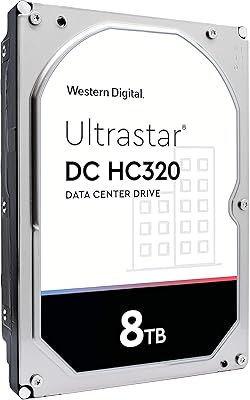
Western Digital Ultrastar DC HC320 8TB HDD
77%
91%
Reliability & Uptime
88%
Sequential Throughput
47%
Noise & Vibration
84%
Value for Capacity
93%
NAS Compatibility
More
Western Digital Ultrastar DC HA200 1TB HDD
77%
91%
Reliability & Durability
54%
Value for Money
93%
Workload Endurance
86%
NAS Compatibility
89%
Warranty Coverage
More
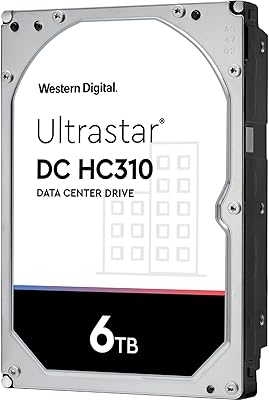
Western Digital Ultrastar DC HC310 6TB HDD
75%
78%
Long-Term Reliability
93%
Workload Endurance
88%
NAS Compatibility
71%
Value for Money
67%
Acoustic Performance
More
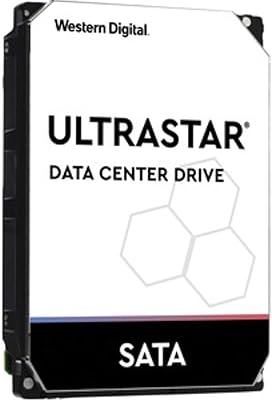
Western Digital Ultrastar DC HC530 14TB Internal HDD
74%
83%
Long-Term Reliability
67%
Value for Money
79%
NAS Compatibility
81%
Acoustic Performance
84%
Sustained Throughput
More
WD Caviar Green 2TB Internal Hard Drive
68%
61%
Value for Money
67%
Sequential Read Speed
62%
Sequential Write Speed
43%
Random Access Performance
83%
Noise Level
More
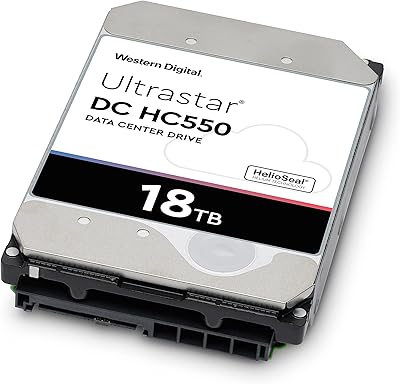
Western Digital Ultrastar DC HC550 18TB Hard Drive
84%
91%
Performance in High-Demand Environments
96%
Storage Capacity
89%
Reliability for Long-Term Use
75%
Data Transfer Speed
92%
Compatibility with NAS/Servers
More
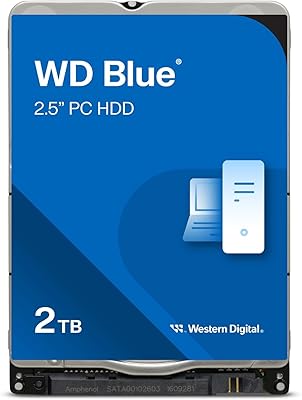
Western Digital WD Blue 2TB Hard Drive
81%
93%
Storage Value
88%
Reliability
86%
Noise & Heat
91%
Installation Ease
61%
Read/Write Speed
More
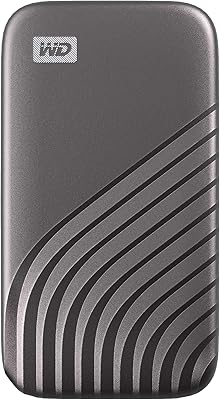
WD My Passport 2TB Portable External SSD
80%
88%
Transfer Speed
83%
Build Quality
92%
Portability
86%
Data Security
61%
Sustained Performance
More
Western Digital WD Green 2TB Internal SSD
82%
91%
Value for Money
84%
Read Performance
71%
Write Performance
93%
Installation Experience
92%
Compatibility
More

FAQ

In most cases, yes. The DC HA200 uses a standard SATA 6 Gb/s interface and a 3.5-inch form factor, both of which are universally supported across Synology, QNAP, and most other major NAS brands. That said, it is always worth checking your NAS manufacturer's official compatibility list before buying, since some enclosures maintain curated approved drive lists for RAID configurations.

It means this enterprise HDD is engineered to sustain up to 550TB of data transferred in or out annually without exceeding its design limits. A typical consumer desktop drive is rated for around 55TB per year, so the headroom here is substantial. If you are running a NAS that streams, backs up, or processes data around the clock, that tolerance gap matters and could significantly extend the drive's working life compared to a cheaper alternative.

Most users report it running quietly, especially inside NAS enclosures with vibration-dampening mounts. Like any 7200 RPM mechanical drive, it is not silent — you will hear the platters spinning and the heads seeking under heavy load. Placed inside a closed NAS case across the room, the majority of users find the noise level perfectly acceptable for a home or small office setting.

Technically yes — it is a standard SATA drive and will install without issue in a desktop tower. The real question is whether it makes financial sense for your use case. If your PC runs a few hours a day doing normal tasks, you are paying a clear premium for workload ratings you will almost certainly never use. A mainstream consumer drive would serve that purpose adequately at a lower cost.

CMR, or Conventional Magnetic Recording, is the traditional method where data tracks are written side by side without overlap. The alternative, SMR, squeezes in more capacity by overlapping tracks but introduces write speed penalties and inconsistencies under sustained load. For NAS and RAID environments specifically, CMR is strongly preferred because it behaves predictably during array rebuilds and heavy write operations where SMR drives can slow to a crawl.

Western Digital handles warranty claims through their online support portal, where you register the drive using its serial number and model code. If it fails within the warranty window under normal conditions, they will issue a replacement through an RMA process. User experiences are genuinely mixed — some report smooth, fast handling while others describe delays and friction. Registering the drive early and holding onto your proof of purchase is strongly recommended.

This is precisely the scenario where the Rotational Vibration Safeguard technology justifies its presence. In an 8-bay enclosure, multiple spinning drives operating simultaneously generate cross-vibration that can cause tracking errors in drives not designed to handle it. The RVS system actively detects and compensates for that interference, helping maintain accurate read/write performance even in densely loaded bays.

It is a legitimate concern worth taking seriously. DOA reports appear frequently enough across buyer reviews to suggest some batch inconsistency exists, though it is impossible to assign an exact failure rate from review data alone. Purchasing from a seller with a clear return policy and running a drive health check using a tool like CrystalDiskInfo immediately after installation are both smart precautions with any mechanical drive, not just this one.

No special configuration is required out of the box. When first connected, it will appear as an unformatted disk, and you can partition and format it using your operating system's built-in disk management tools or through your NAS web interface. If you are deploying it in a RAID array, your NAS or RAID controller will handle initialization automatically as part of the array setup.

Raw sequential speed is broadly comparable across all three — they share the same SATA 6 Gb/s ceiling and similar platter architectures, so meaningful transfer speed differences are unlikely in day-to-day use. Where this Ultrastar drive sets itself apart is in its higher workload tolerance and enterprise-grade internal construction rather than outright speed. If your NAS runs light workloads, the consumer NAS drives are solid and often more cost-effective; if your system runs hard and continuously, the endurance headroom here becomes a genuine differentiator.