Overview

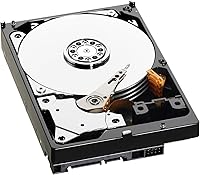
The WD Green WD40EZRX 4TB Internal Hard Drive is an older model from Western Digital's energy-focused Green line, and if you're shopping for it today, it helps to go in with the right expectations. This is not a speed demon — it never was. The WD Green philosophy has always prioritized low power draw, reduced heat, and quiet running over raw throughput, which makes this 4TB desktop drive a solid pick for secondary storage rather than a primary system drive. At its price point, the sheer capacity is the main draw. Think bulk storage: media libraries, backups, archive folders — that's where the WD40EZRX earns its keep.
Features & Benefits

The standout technical story here is IntelliPower, Western Digital's variable spin speed system that adjusts on the fly rather than locking the drive into a fixed RPM. It's a genuine trade-off — you get meaningfully lower power draw and reduced heat, but sequential speeds lag behind WD Blue or Red drives of the same capacity. IntelliSeek further tames noise and vibration by calculating seek speeds intelligently, so the drive runs remarkably quietly under typical workloads. The SATA 6 Gb/s interface keeps compatibility broad, and the 64MB cache helps push large sequential reads and writes, like streaming stored video, along smoothly enough for everyday tasks.

Best For

This WD Green drive makes most sense as a secondary storage addition to a desktop PC or a slot in a home NAS enclosure where noise and temperature matter more than transfer speed. It's an easy recommendation for anyone building a local media library, keeping rolling backups of important files, or archiving years of photos and home video. Hobbyists on a budget who just need raw gigabytes without paying for performance will find it fits the bill. One practical note: the drive ships bare — no cables included, no mounting screws — so factor those extras into your plan before ordering.

User Feedback

Across thousands of reviews, the most consistent praise for the WD40EZRX centers on its near-silent operation — many owners report they genuinely forget the drive is spinning. Long-term reliability holds up well when the drive is used as intended: a secondary drive, not a system boot disk. The complaints worth noting? Sequential write speeds disappoint users who expected more, and the 2-year warranty feels short compared to the 3- or 5-year coverage competitors offer. A smaller group flags the IntelliPower spin-down behavior, which causes a brief pause when the drive wakes from idle — minor for most, but noticeable if you access files frequently.

Pros

  • Runs near-silently under typical workloads, making it ideal for quiet home or office environments.
  • Four terabytes of storage handles even large media libraries, photo archives, and backup collections with room to spare.
  • Variable IntelliPower technology reduces power draw noticeably, which helps keep a multi-drive system cooler.
  • Broad SATA 6 Gb/s compatibility means it drops into virtually any modern or legacy desktop without fuss.
  • Long-term owners regularly report solid reliability when the WD40EZRX is used strictly as a secondary drive.
  • The 3.5-inch form factor fits standard desktop bays and most NAS enclosures without adapters.
  • 64MB cache smooths out sequential tasks like streaming stored video from the drive.
  • At its price point, few mechanical drives offer this much capacity for the cost.
  • IntelliSeek actively reduces vibration and seek noise, so the drive stays unobtrusive even during active reads.

Cons

  • Sequential read and write speeds lag noticeably behind WD Blue and Red drives of the same capacity.
  • The 2-year limited warranty is shorter than many competing 4TB drives, which commonly offer 3 to 5 years.
  • IntelliPower spin-down can cause a brief but noticeable delay when accessing files after a period of idle.
  • No cables, mounting screws, or accessories are included in the box, which catches some buyers off guard.
  • This is a discontinued model, meaning long-term firmware support and availability through official channels is uncertain.
  • Not suitable as a boot or OS drive — system responsiveness suffers significantly compared to fixed-RPM or SSD alternatives.
  • Heavy or continuous workloads can push the drive to its limits, making it unreliable for always-on NAS RAID roles.
  • Older drive design means it lacks some modern reliability features found in current-generation storage options.

Ratings

Our AI rating system analyzed thousands of verified global user reviews for the WD Green WD40EZRX 4TB Internal Hard Drive, actively filtering out incentivized, duplicate, and bot-generated submissions to surface genuine buyer sentiment. The scores below reflect both what this WD Green drive genuinely excels at and where it falls short, giving you an honest picture before you commit to a purchase.

Value for Money
83%
For buyers who simply need bulk capacity without a performance premium, the WD40EZRX delivers a compelling gigabyte-per-dollar ratio. Users building out media servers or expanding desktop storage on a tight budget consistently report feeling they got a fair deal, particularly given the WD brand reputation behind it.
Competing drives in the same price bracket increasingly offer longer warranties and marginally better sustained speeds, which chips away at the value story. Buyers who later discover they needed a performance-tier drive feel the cost of upgrading sooner than expected.
Noise Level
91%
This is where the WD Green line genuinely earns praise. Reviewers running home theater PCs or quiet home offices consistently note the drive is effectively inaudible during media playback and routine file access, with IntelliSeek keeping seek chatter remarkably subdued even during longer sequential reads.
A small number of users report an audible spin-up whir when the drive wakes from idle, which can be jarring in an otherwise silent room. It is not a defect, just an unavoidable characteristic of the IntelliPower spin-down behavior.
Read & Write Speed
57%
43%
For sequential workloads like streaming stored video or copying large archive files, throughput is adequate and most casual users never feel constrained. The 64MB cache smooths out bursts well enough that everyday media access feels acceptable rather than frustrating.
Against a WD Blue or any fixed-5400RPM drive, the speed gap is real and measurable. Users who tried using this 4TB desktop drive for anything beyond light secondary storage — including game library drives — frequently report noticeably sluggish load times and file transfer delays.
Reliability & Longevity
78%
22%
Long-term owners who kept the WD40EZRX in its intended role — secondary, non-OS storage — frequently report multi-year trouble-free operation. Western Digital's track record on mechanical drives gives buyers reasonable confidence, and failure reports among correctly used units are proportionally low across the review pool.
The 2-year limited warranty is a real sticking point; several competing 4TB drives back their reliability claims with 3- to 5-year coverage, making this drive feel less protected for the long haul. Users who ran the drive hard as a primary drive saw elevated early failure rates, skewing the overall reliability picture.
Power Efficiency
88%
In multi-drive desktop builds and always-on NAS enclosures, the measurable reduction in power draw compared to standard desktop drives adds up meaningfully over time. Users building compact or fanless systems particularly value how little heat this drive generates during normal operation, keeping enclosure temperatures stable.
The efficiency gains come at a direct cost to consistent performance, a trade-off that is not always clearly communicated at the point of purchase. Buyers expecting both low power draw and strong throughput numbers are routinely disappointed when they see real-world benchmark results.
Compatibility
89%
The standard 3.5-inch SATA 6 Gb/s design means this drive dropped into every tested desktop and most reviewed NAS enclosures without any adapter or configuration headaches. Backward compatibility with SATA 3 Gb/s boards also gives it broad reach across older systems being upgraded.
There is no 2.5-inch or USB variant, so laptop users and those wanting plug-and-play external storage are out of luck without an additional enclosure. A handful of NAS users also report that some enclosures flagged the IntelliPower spin-down as an unresponsive drive during health checks.
Installation Experience
74%
26%
The physical installation is as straightforward as any 3.5-inch SATA drive — slide it in, connect power and data cables, and modern operating systems recognize it immediately without driver installation. Most reviewers with even basic PC-building experience had it up and running within minutes.
The bare-drive packaging means no cables or mounting screws are included, which catches a surprising number of buyers off guard. First-time builders expecting a complete kit frequently need to make an additional purchase before they can even begin installation.
Thermal Performance
86%
Operating temperatures reported by users in both open-air desktop builds and enclosed NAS units remained consistently modest, even during extended sequential read sessions. The low-power design directly translates into less heat generated per hour of operation, which is a genuine long-term benefit in enclosed builds.
Under sustained high-workload conditions — like large overnight backups or prolonged media library scans — a subset of users observed temperatures creeping higher than expected for a drive marketed on its thermal efficiency. Adequate airflow in the host enclosure remains important.
Idle Behavior
63%
37%
For a drive parked in a system that accesses stored files occasionally rather than continuously, the aggressive idle spin-down is a net positive — it saves power and reduces wear during periods of inactivity, which suits a media archive or backup drive well.
The spin-down recovery lag — sometimes a perceptible one-to-two-second delay before the drive responds — frustrates users who access their storage more frequently than the design anticipates. In a NAS environment, some systems interpret the spin-down as a fault condition, triggering unnecessary alerts.
Build & Packaging Quality
72%
28%
The drive itself is solidly constructed in the no-nonsense way Western Digital desktop HDDs have always been, and units arrive without damage in the vast majority of reported cases. The standard green PCB and label finish are functional if unexciting.
Packaging protection varies depending on the seller, and a non-trivial number of buyers purchasing from third-party marketplace listings have reported drives arriving in minimal padding. Given this is a discontinued model sourced from existing stock, packaging consistency is harder to guarantee than it once was.
Sequential Read Performance
61%
39%
For media streaming use cases — running a local Plex library or copying large video files to another drive — sequential read throughput is sufficient to get the job done without obvious stuttering or buffering under normal conditions.
Objective benchmarks place the WD Green line consistently below same-generation WD Blue and Seagate Barracuda drives in sustained sequential reads, and the gap is wide enough to matter in any workload beyond casual file access. Users comparing spec sheets before purchase often feel underwhelmed.
Warranty Coverage
49%
51%
The 2-year limited warranty does cover manufacturing defects and premature failure within the coverage window, and Western Digital's RMA process is generally reported as functional by users who have needed to use it.
Two years is simply below par for a 4TB mechanical drive in this category — Seagate and WD's own Red line offer three to five years on comparable products. Budget-conscious buyers who are banking on this drive lasting five or more years are taking on more warranty risk than many realize.
NAS Suitability
58%
42%
In a light single-user home NAS — a personal Plex server, a small family backup target — this 4TB desktop drive handles the workload quietly and without drama. Many home users run it in this role for years without incident when the NAS workload stays modest.
It is not rated for 24/7 NAS operation, and that limitation shows in always-on multi-user environments where the IntelliPower spin-down behavior and the lack of NAS-specific firmware optimizations introduce reliability risks that purpose-built NAS drives like WD Red avoid by design.
Brand Reputation
84%
Western Digital's decades-long presence in the consumer storage market carries real weight with buyers, and the WD Green line specifically has built a reputation for quiet, dependable secondary storage that holds up reasonably well across the review pool.
Some long-time WD followers note that the Green line was repositioned and narrowed in scope over the years, leaving this older WD40EZRX in a slightly awkward spot compared to the more clearly differentiated current lineup of Blue, Red, and Purple drives.

Suitable for:

The WD Green WD40EZRX 4TB Internal Hard Drive is a strong fit for anyone who needs a large, affordable secondary storage drive and isn't chasing benchmark numbers. Desktop PC users who want a dedicated home for their media library — movies, music, thousands of RAW photos — will get genuine value here without overspending. Home NAS builders running low-demand setups, like a personal Plex server or a family backup target, will especially appreciate how quietly and coolly this drive operates around the clock. It also works well for people upgrading older desktop systems who need more space but have no reason to spend extra on a performance drive. If your goal is simply bulk capacity at a reasonable cost, with low noise and modest power draw, this WD Green drive delivers exactly what it promises.

Not suitable for:

The WD Green WD40EZRX 4TB Internal Hard Drive is the wrong tool if you need a fast, always-responsive drive for demanding workloads. Do not use it as a primary OS or application drive — the variable IntelliPower spin speed introduces latency that makes system boot times and application loading feel sluggish compared to any fixed-RPM or SSD alternative. Video editors, photographers doing heavy batch processing, or anyone running a workload that hammers the drive continuously will hit its throughput ceiling quickly and walk away frustrated. The 2-year warranty is also a legitimate concern for buyers expecting long-term peace of mind — competing drives in this category frequently offer 3 to 5 years of coverage. Finally, if you're buying for a high-availability NAS or RAID array that demands consistent response times, the IntelliPower spin-down behavior and the drive's secondary-storage design make it a risky choice for that role.

Specifications

  • Capacity: The drive offers 4TB (4,000GB) of formatted storage capacity, suitable for large media libraries and archive collections.
  • Form Factor: It uses a standard 3.5-inch form factor, compatible with most desktop PC drive bays and many home NAS enclosures.
  • Interface: Connectivity is handled via SATA 6 Gb/s (Serial ATA-600), ensuring broad compatibility with both modern and older desktop motherboards.
  • Cache: A 64MB buffer cache helps smooth sequential read and write operations, particularly during large file transfers and media playback.
  • Spin Speed: The drive uses WD's IntelliPower variable spin speed system rather than a fixed RPM, balancing power consumption against read and write performance.
  • Drive Type: This is a conventional mechanical hard disk drive (HDD) using CMR (Conventional Magnetic Recording) technology.
  • Power Efficiency: Western Digital rates the Green line at up to 40% lower power consumption compared to standard desktop hard drives of similar capacity.
  • Noise Reduction: IntelliSeek technology adjusts seek speeds dynamically to reduce acoustic output and internal vibration during operation.
  • Dimensions: The drive measures 5.79 x 4 x 1.03 inches, consistent with the standard 3.5-inch desktop drive footprint.
  • Weight: The unit weighs 1.5 pounds, typical for a 3.5-inch mechanical hard drive of this capacity.
  • Warranty: Western Digital covers this drive with a 2-year limited warranty, which is shorter than the 3- to 5-year coverage offered by some competing drives.
  • Manufacturer: This drive is designed and manufactured by Western Digital, a long-established storage hardware company based in the United States.
  • Model Number: The official model designation is WD40EZRX, which identifies this specific 4TB variant within the WD Green product family.
  • Installation Type: This is an internal drive intended for permanent installation inside a desktop PC chassis or NAS enclosure, not for external use.
  • Compatible Devices: It is compatible with desktop PCs and NAS enclosures that accept 3.5-inch SATA drives; it is not designed for laptop use.
  • Accessories Included: The drive ships as a bare unit only — no SATA cables, mounting screws, or installation hardware are included in the package.
  • Platform: The WD40EZRX is designed for PC platform use and is compatible with Windows, Linux, and other operating systems that support SATA storage.
  • Product Status: This model is listed as an older, discontinued product within the WD Green lineup, though units remain available through third-party sellers.

Related Reviews
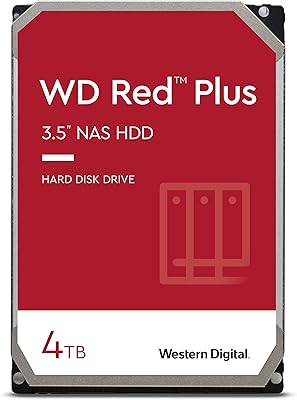
Western Digital 4TB WD Red Plus NAS Internal Hard Drive
89%
91%
Performance
94%
Reliability
88%
Energy Efficiency
85%
Noise Levels
89%
Workload Handling
More
Western Digital 4TB WD Black Gaming Internal Hard Drive HDD
82%
92%
Performance (Speed)
89%
Reliability (Durability)
87%
Value for Money
74%
Ease of Setup
81%
Noise Level
More
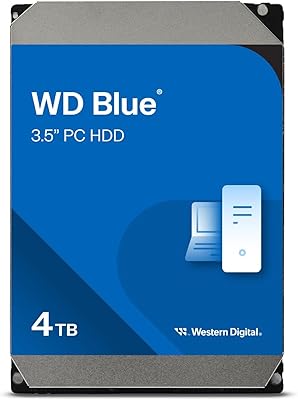
Western Digital WD Blue 4TB Hard Drive
79%
91%
Storage Capacity Value
83%
Noise & Acoustics
67%
Read & Write Performance
92%
Installation Ease
93%
Compatibility
More
WD Red Pro 4TB NAS Hard Drive
81%
93%
Reliability & Longevity
91%
RAID Compatibility
88%
NAS Firmware Optimization
86%
Vibration Management
82%
Sustained Throughput
More
WD Gold 4TB Enterprise Hard Drive
86%
89%
Performance Under Load
93%
Reliability in 24/7 Environments
91%
RAID Compatibility
88%
Endurance and Lifespan
74%
Temperature Management
More
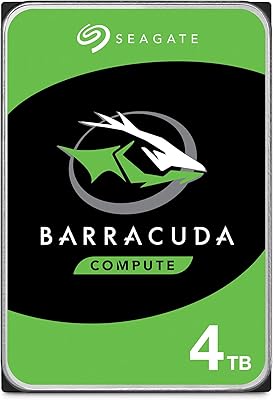
Seagate BarraCuda 4TB Internal Hard Drive
87%
86%
Performance
90%
Reliability
93%
Setup & Installation
95%
Storage Capacity
72%
Data Transfer Speed
More
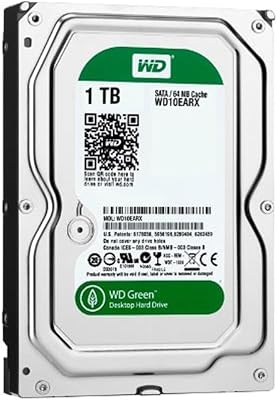
WD Green 1TB Desktop Hard Drive
88%
95%
Energy Efficiency
85%
Performance
90%
Noise Level
88%
Reliability
91%
Value for Money
More
WD Black 4TB Performance Desktop Hard Drive
88%
91%
Performance
88%
Reliability
93%
Speed
85%
Ease of Setup
94%
Storage Capacity
More
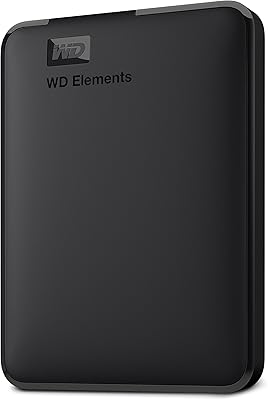
WD 4TB Elements Portable External Hard Drive
87%
89%
Performance
94%
Portability/Size/Weight
95%
Ease of Setup
87%
Transfer Speed
92%
Value for Money
More
WD My Passport 4TB Portable External Hard Drive
80%
93%
Storage Capacity
91%
Portability & Form Factor
61%
Transfer Speed
88%
Security & Encryption
67%
Backup Software
More

FAQ

It is not recommended. The WD Green WD40EZRX 4TB Internal Hard Drive was designed for secondary storage, and the variable IntelliPower spin speed introduces enough latency to make boot times and application launches feel sluggish. You will get a much better experience using a dedicated SSD or a fixed-RPM drive like a WD Blue for your operating system, and letting this drive handle bulk storage alongside it.

It will physically fit any NAS that accepts 3.5-inch SATA drives, and many home users run it in low-demand setups without issue. That said, this 4TB desktop drive is not rated or optimized for 24/7 NAS workloads. For a light home Plex server or personal backup NAS, it is usually fine. For always-on, multi-user, or RAID-critical setups, a drive rated specifically for NAS use — like a WD Red — is the safer long-term choice.

No. The drive ships completely bare, with nothing else in the box. If you do not already have a spare SATA data cable and a SATA power connector available from your power supply, you will need to purchase them separately before you can use the drive.

Quite quiet, honestly. The combination of IntelliPower variable spin speed and IntelliSeek seek optimization keeps acoustic output noticeably low. Most users report it is effectively inaudible during typical workloads like sequential file reads or media playback. You may hear a faint hum under heavier loads, but it is not a noisy drive by any reasonable standard.

IntelliPower is Western Digital's name for a variable spin speed system — instead of running at a fixed RPM like 5400 or 7200, the drive adjusts its speed based on workload conditions. The trade-off is real: sequential read and write speeds fall behind fixed-RPM drives of comparable capacity. For archive storage, backups, and media libraries, that speed difference is rarely noticeable in practice. For anything involving frequent random access or heavy write loads, it becomes a genuine limitation.

No, the WD40EZRX is an older, discontinued model within the WD Green lineup. Stock available today comes from existing inventory through third-party sellers. If long-term firmware support or guaranteed availability matters to you, it is worth considering a current-generation replacement instead.

The WD Blue runs at a fixed 5400 RPM and delivers more consistent sequential performance, while the WD Green's IntelliPower prioritizes lower power draw and quieter operation at the cost of some speed. The WD Blue also typically carries a longer warranty. If raw throughput or warranty coverage matters more to you than power efficiency, the WD Blue is the better pick. If you want the quietest, coolest-running option for light archival use, the WD Green still holds its own.

For storing 4K files and playing them back locally through a media player or Plex, this WD Green drive handles the task without much trouble — sequential read performance is adequate for 4K streaming at typical bitrates. Where it struggles is in workflows involving real-time 4K editing or simultaneous reading and writing of multiple high-bitrate streams. For simple playback from a home media library, it works fine.

A subset of users notice a brief pause — sometimes a second or two — when the drive wakes from its idle spin-down state. This is a byproduct of IntelliPower's power-saving behavior and is normal for this drive. For most people storing media or backups, it is a minor inconvenience. If you need instant, consistent access times, a drive that does not spin down aggressively would suit you better.

Many long-term users report several years of trouble-free service when the drive is used as a secondary storage device rather than a primary, heavily accessed drive. The 2-year warranty is the manufacturer's official coverage window, which is shorter than some competitors. As with any mechanical hard drive, keeping regular backups of important data is strongly advised regardless of brand or model.