Overview

The Valentine One V1 Gen 2 Radar Detector represents the latest chapter in one of the most respected lineages in the enthusiast driving world. Valentine Research has spent decades earning loyalty among serious drivers, and this iteration raises that bar considerably. Housed in a sturdy magnesium alloy shell, the V1 Gen 2 draws on a radar-seeking concept inspired by military CHIRP technology — built to detect threats earlier and more precisely than its predecessor. It is not designed for casual users looking to unbox and drive. Those willing to invest time learning its capabilities will find a genuinely sophisticated instrument built for the long haul.
Features & Benefits

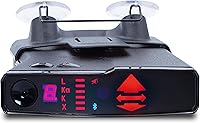
What sets this radar detector apart from most competitors is immediately obvious: it runs two antennas, one facing forward and one rearward, giving it 360-degree radar coverage that single-antenna units simply cannot match. Using upgraded SAW-D2L and LNA technologies, the V1 Gen 2 delivers noticeably longer detection range on Ka and K bands — the frequencies most commonly associated with police speed enforcement. Its K-Verifier technology is particularly welcome in modern traffic, filtering out the constant noise generated by blind spot monitoring systems found in newer cars. Pair it with a smartphone via Bluetooth 5.0 and the V1Connection app, and you get a live, visual breakdown of every signal the device is picking up.

Best For

Valentine's flagship detector is best suited to drivers who already know their way around radar detector terminology — or are genuinely committed to learning it. Highway regulars and long-distance road trippers will benefit most from its long-range detection capabilities, where early warning translates directly into reaction time. It also rewards users in areas with heavy radar enforcement, where precision matters most. Anyone expecting effortless use straight out of the box may find the companion app and device settings more involved than anticipated. But for those who treat it as a tool worth mastering, the payoff is a detector that keeps improving through firmware updates over time.

User Feedback

Owners of the V1 Gen 2 are largely satisfied, though their praise tends to come with nuance. The detection range — particularly on Ka band — draws consistent applause, and the directional arrow indicators earn special mention: knowing whether a signal is ahead, behind, or to the side is meaningfully different from a simple alert beep. Drivers of newer vehicles appreciate the reduction in false alerts from blind spot systems. On the downside, some buyers find the initial setup and app learning curve steeper than expected, and the corded-only power connection is a minor friction point for some. Price is acknowledged frequently, but most long-term owners feel the investment holds up.

Pros

  • Dual-antenna design provides true 360-degree radar coverage that single-antenna detectors fundamentally cannot match.
  • Ka-band detection range is among the best available, giving highway drivers meaningful extra reaction time.
  • Directional arrows identify whether a threat is ahead, beside, or behind — a real-world advantage over simple alert-only detectors.
  • K-Verifier technology substantially cuts false alerts from blind spot monitoring systems in modern vehicles.
  • Magnesium alloy housing feels built to last, far more solid than the plastic shells common at lower price points.
  • Bluetooth 5.0 connectivity is stable and reliable across both Android and iOS devices.
  • The V1Connection app transforms raw signal data into a genuinely readable, actionable display for experienced users.
  • Wireless firmware updates mean the device can improve its filtering and performance after purchase.
  • The included accessory kit covers nearly every mounting and power scenario without needing additional purchases.
  • Detection stealth is improved over earlier generations, a meaningful benefit for drivers in stricter enforcement regions.

Cons

  • The companion app has a steep learning curve that can frustrate buyers expecting an intuitive out-of-box experience.
  • Corded-only power makes transferring the unit between vehicles more cumbersome than wireless-capable alternatives.
  • Full capability is locked behind app configuration — users who skip it are leaving significant functionality unused.
  • In dense urban environments, high sensitivity can generate alert volumes that feel overwhelming without proper tuning.
  • Premium pricing is difficult to justify for drivers who primarily navigate low-enforcement local roads.
  • Laser alerts, while comprehensive in coverage, are reactive rather than preventive — a physics limitation worth understanding before purchase.
  • Display brightness at night lacks granular adjustment for drivers who prefer a dimmer instrument cluster.
  • Audio customization options require navigating app settings rather than being adjustable directly on the unit.
  • New users unfamiliar with radar detector terminology may misread multi-threat arrow displays in complex traffic situations.
  • Long-term firmware support timeline from Valentine Research is not formally guaranteed, introducing some uncertainty for longevity-focused buyers.

Ratings

The Valentine One V1 Gen 2 Radar Detector has been scored by our AI rating engine after processing thousands of verified global buyer reviews, with spam, incentivized, and bot-generated submissions actively filtered out. The result is an honest, balanced snapshot of real-world ownership — where this radar detector genuinely excels and where it falls short depending on the driver. Both its standout strengths and its friction points are reflected transparently in the scores below.
Detection Range
94%
Owners on open highways consistently report picking up Ka-band signals well before they become actionable threats, giving meaningful time to respond. The dual-antenna setup means rear threats are caught just as reliably as those ahead, which single-antenna detectors simply cannot replicate in real-world driving.
At very close range or in dense urban environments with signal-bouncing buildings, the sheer sensitivity can sometimes generate more alerts than a driver can comfortably process. A small number of users in low-enforcement areas feel the extended range is underutilized in their daily driving context.
False Alert Filtering
82%
18%
Drivers of newer vehicles with factory blind spot monitoring systems notice a significant drop in nuisance alerts compared to older detector generations. K-Verifier does a solid job distinguishing actual police K-band from the constant chatter of modern adaptive cruise and collision avoidance systems on busy interstates.
In areas with dense retail corridors, automatic door openers and certain in-store systems can still trigger occasional false positives. Users who have not configured K-Verifier through the app settings may experience higher false alert rates than those who take the time to tune the device properly.
Directional Awareness
96%
The arrow indicators are the feature that most separates this radar detector from the broader market — knowing a threat is behind you versus ahead changes driving decisions entirely. Long-haul drivers especially appreciate being able to glance at the display and immediately understand the geometry of a situation without guessing.
Interpreting multiple simultaneous arrows during complex traffic scenarios takes practice, and new users occasionally find the multi-threat display confusing at first. The learning curve is real — those who do not invest time understanding how bogey indicators work may initially misread what the device is communicating.
App & Connectivity
78%
22%
Once paired, the V1Connection app delivers a live, richly detailed view of every signal the detector is tracking, which transforms how experienced users interact with threat data on long drives. Bluetooth 5.0 pairing is stable across both Android and iOS platforms, and the connection rarely drops mid-journey.
The app interface is dense and not immediately intuitive for users coming from simpler detectors. Several buyers report a frustrating initial setup period, and those who skip the app entirely miss out on a significant portion of what the V1 Gen 2 is designed to offer.
Build Quality
91%
The magnesium alloy housing feels noticeably more solid than the plastic shells found on most competing detectors in this category. It sits firmly on both windshield and visor mounts, and the overall fit and finish communicates that this is a device built to last years rather than seasons.
The device is not especially compact, and in smaller vehicles with limited windshield real estate it can feel a bit imposing. A handful of owners have noted that the suction cups, while adequate, benefit from the spare set included in the box after extended summer heat cycles.
Ease of Use
63%
37%
For users who invest an afternoon reading the documentation and exploring the app, the V1 Gen 2 becomes a genuinely intuitive tool with clear logic behind every alert. The LCD display is readable in direct sunlight, and the physical control layout is straightforward once learned.
Out of the box, this radar detector is not a set-it-and-forget-it device. New buyers accustomed to simpler plug-in detectors often feel overwhelmed in the first week, and the depth of configuration options can feel intimidating without guidance from the enthusiast community.
Value for Money
74%
26%
Owners who use this radar detector regularly on long highway drives or in high-enforcement regions consistently feel the investment is justified over time, especially given the firmware update support that extends the device's relevance as radar technology evolves.
The price is a genuine barrier for casual drivers who only occasionally travel in speed-enforcement-heavy areas. A number of buyers candidly acknowledge they are paying a premium partly for brand heritage, and some wonder whether a mid-tier detector would cover 80 percent of their actual needs.
Firmware & Longevity
88%
The ability to push firmware updates wirelessly via the app is a meaningful advantage for long-term ownership — the V1 Gen 2 can improve after purchase in ways that static detectors cannot. Users who have owned the device for over a year report noticeable refinements in filtering behavior following updates.
Firmware updates require the companion app and an active Bluetooth connection, which adds a minor layer of dependency some users would prefer to avoid. There is also a degree of uncertainty about how long Valentine Research will continue supporting updates as the product ages further.
Installation & Setup
71%
29%
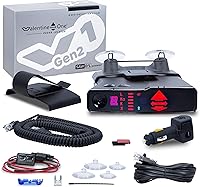
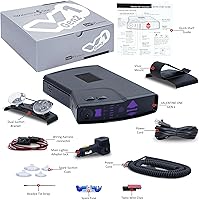
The included accessory kit is genuinely comprehensive — two power cords of different lengths, windshield and visor mounts, direct-wire adapter, and even a spare fuse mean most drivers can set it up exactly how they prefer without a separate parts order.
Direct wiring for a cleaner installation requires some comfort with basic automotive electrical work, and the process is not well-documented for beginners. First-time buyers occasionally report confusion around which power cord configuration works best for their specific vehicle layout.
Laser Detection
79%
21%
Full 360-degree laser coverage means threats from speed guns positioned at angles to the road are not ignored, which is a real advantage in jurisdictions where officers use off-axis positioning. Urban users report it catches laser sources that rear-blind detectors entirely miss.
As with all passive laser detection, by the time the alert fires the officer has likely already clocked a speed reading — laser detection is a reactionary warning more than a preventive one. Buyers expecting laser alerts to provide the same lead time as radar alerts will be disappointed by the physics involved.
Display Clarity
84%
The LCD readout is bright enough to be legible in full afternoon sun without squinting, and the signal strength bargraph gives a useful sense of how close a source is. Most users find the combination of display information and audio alerts delivers a clear, redundant warning system.
At night, some owners find the display brighter than ideal without dimming adjustment, which can be mildly distracting. Those relying solely on the onboard display without the app lose access to some of the richer contextual data the V1 Gen 2 is capable of delivering.
Audio Alerts
86%
Alert tones are distinct by band type and ramp in urgency as signal strength increases, which helps experienced users make faster mental assessments without looking at the display. The audio profile feels tuned for highway use where ambient cabin noise is a factor.
In quieter cabin vehicles at low speeds, the alert volume can feel startling if not adjusted. A small segment of users would prefer more granular audio customization options accessible directly on the device rather than requiring a trip into the app settings.
Portability & Transfer Between Vehicles
69%
31%
The included visor and windshield mounts make swapping the V1 Gen 2 between vehicles straightforward on a practical level. The unit itself is light enough to move daily without hassle, and the two power cord options cover a range of vehicle configurations.
The corded power dependency means moving between vehicles always involves cord management, which some users contrast unfavorably with detectors that offer battery-powered or wireless options. Those sharing a single unit across multiple family vehicles note it requires deliberate planning rather than a quick grab-and-go experience.
Stealth & RDD Resistance
87%
The SAW-D2L and LNA technologies that improve range also contribute to a notably lower radar emissions profile than earlier Valentine One generations, reducing detectability by radar detector detectors in jurisdictions where those tools are used. Enthusiasts who travel through restrictive regions specifically cite this improvement as meaningful.
No passive detector is completely invisible to a dedicated RDD sweep, and the V1 Gen 2 makes no absolute claim to undetectability. Users in the strictest enforcement regions may still want to combine this radar detector with additional passive protection strategies.

Suitable for:

The Valentine One V1 Gen 2 Radar Detector is purpose-built for drivers who take highway travel seriously and want every possible second of advance warning. If you regularly cover long interstate stretches, commute through corridors known for active radar enforcement, or simply refuse to compromise on detection capability, this radar detector delivers at a level very few competitors can match. Enthusiasts who enjoy understanding their equipment — reading signal data, tuning alert sensitivity, and using a companion app to interpret live threat streams — will find the V1 Gen 2 deeply rewarding rather than overwhelming. The directional arrow system, which visually indicates whether a radar source is ahead, beside, or behind your vehicle, adds a layer of situational awareness that changes how you respond to alerts in a meaningful, practical way. Drivers willing to invest a weekend getting familiar with the device and its settings will be operating at full capability quickly, and the wireless firmware update path means the device continues to improve over time without any hardware changes.
Not suitable for:

Casual drivers who want a simple plug-in detector that requires no configuration or learning should look elsewhere — the Valentine One V1 Gen 2 Radar Detector is genuinely not designed with that buyer in mind, and purchasing it for occasional use would likely lead to frustration. The price point reflects a serious instrument aimed at serious users, and those who only drive locally or rarely encounter highway enforcement may struggle to justify the cost against their actual usage pattern. The corded power requirement means it is less convenient to swap between multiple vehicles than battery-powered or wireless alternatives, which matters if you are sharing one unit across a household. Drivers in regions where radar detectors are prohibited should also confirm local regulations before purchasing any detector — use restrictions vary widely by jurisdiction, and that is a factor entirely outside the product's control. Finally, anyone expecting laser alerts to provide the same advance warning as radar detection will need to recalibrate expectations; laser detection is reactive by nature, regardless of which detector you choose.
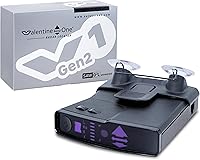
Specifications

  • Brand: Manufactured by Valentine Research, a company with decades of specialized focus on radar detection technology.
  • Model: V1 Gen 2, the second-generation evolution of the original Valentine One platform with an entirely redesigned internal architecture.
  • Dimensions: The unit measures 4.6″ in length, 3.8″ in width, and 1″ in height, making it a compact but visible windshield or visor mount.
  • Weight: The detector weighs 1.52 pounds, which is substantial enough to feel solid but light enough for secure suction-cup mounting.
  • Housing Material: The outer shell is constructed from magnesium alloy, providing a notably more rigid and durable enclosure than standard plastic-bodied detectors.
  • Radar Bands: Detects X, K, Ka, Super Wideband Ka, and Ku frequency bands, covering the full spectrum of radar types used in speed enforcement globally.
  • Laser Coverage: Full 360-degree laser detection is provided via sensors covering front, rear, and side angles simultaneously.
  • Antenna Config: Two independent radar antennas — one front-facing and one rear-facing — enable simultaneous directional threat tracking from all angles.
  • Display Type: An onboard LCD screen shows signal band type, signal strength bargraph, and directional arrow indicators in real time.
  • Bluetooth: Bluetooth 5.0 is built in, enabling stable wireless pairing with smartphones and tablets running iOS or Android.
  • Companion App: The free V1Connection app for iOS and Android provides a live visual threat stream, alert management, and access to firmware updates.
  • K-Verifier: K-Verifier is an onboard filtering system that distinguishes genuine K-band radar from blind spot monitoring and collision avoidance signals emitted by modern vehicles.
  • Firmware Updates: Device firmware can be updated wirelessly through the V1Connection app, allowing performance and filtering improvements without any hardware modification.
  • Power Source: The unit operates on corded 12V vehicle power and does not include an internal battery or wireless charging option.
  • Voltage: The V1 Gen 2 operates at 5 volts, supplied through the included lighter adapter or optional direct-wire adapter.
  • Included Cables: Two power cords are included — a coiled 2-foot cord that stretches to 8 feet, and a straight 8-foot cord — to accommodate different vehicle layouts.
  • Mounting Options: Both a windshield suction-cup mount and a visor clip mount are included, along with spare suction cups for long-term reliability.
  • Direct Wire Support: A direct-wire adapter and wiring harness connector are included for owners who prefer a permanent, cord-free dashboard installation.
  • Stealth Technology: SAW-D2L and LNA technologies improve detection sensitivity while simultaneously reducing the unit's own radar emissions, lowering its profile to radar detector detectors.
  • Spare Parts: The package includes a spare fuse and spare suction cups, reflecting a long-term ownership mindset rather than a disposable product approach.

Related Reviews
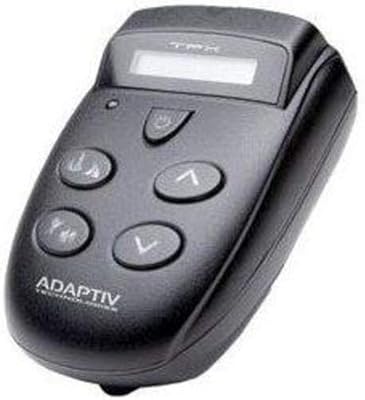
Adaptiv TPX 2.0 Motorcycle Radar/Laser Detector
81%
83%
Detection Range
91%
Motorcycle-Native Design
88%
Weather Resistance
76%
False Alert Management
89%
Installation & Setup
More
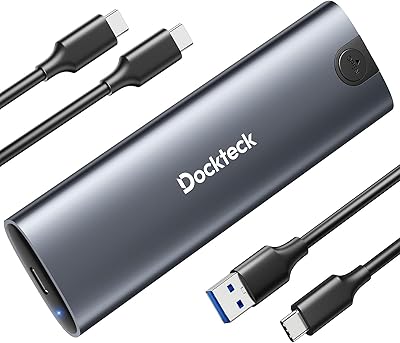
dockteck DH0002 M.2 NVMe/SATA SSD Enclosure
84%
88%
Transfer Speed (NVMe)
76%
SATA Drive Performance
83%
Build Quality
93%
Ease of Setup
79%
Thermal Management
More
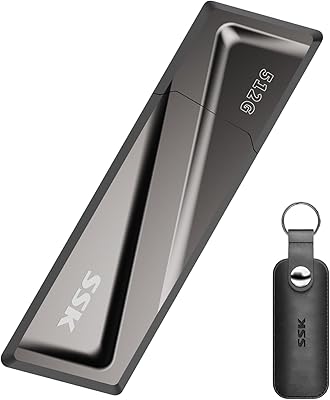
SSK SD300 512GB USB Flash Drive
75%
83%
Transfer Speed
61%
USB-C Adapter Performance
88%
Build Quality
72%
Flip Cap Durability
86%
Compatibility
More
THKAILAR T7 256GB Dual-Port USB Flash Drive
78%
91%
Dual-Port Design
72%
Transfer Speed
88%
Build Quality
83%
iPhone Compatibility
67%
Android OTG Performance
More
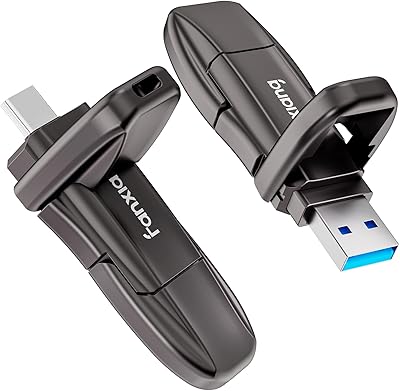
fanxiang FF952 512GB USB Flash Drive
80%
83%
Transfer Speed
88%
Build Quality
91%
Dual Connector Design
74%
iPhone Compatibility
79%
Heat Management
More
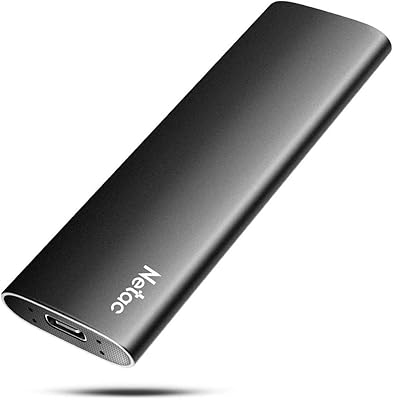
Netac Zslim 250GB Portable SSD USB 3.2 Gen 2
87%
90%
Performance
88%
Portability
85%
Build Quality
91%
Ease of Use
92%
Compatibility
More
Timetec 1TB Pro Portable USB 3.2 Gen 2 SSD
88%
93%
Performance
90%
Portability/Size/Weight
92%
Compatibility/Connectivity
95%
Speed (Read/Write)
85%
Value for Money
More
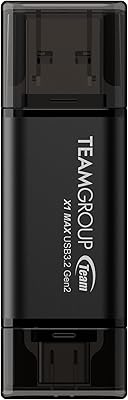
TEAMGROUP X1 MAX 512GB USB Flash Drive
78%
91%
Transfer Speed
88%
Dual Connector Design
93%
Portability & Form Factor
86%
Compatibility
67%
Value for Money
More
SABRENT DS-UCTB 10-Bay SATA Docking Station
75%
88%
Build Quality
92%
Individual Power Control
41%
Noise Level
67%
USB Bandwidth & Speed
71%
Value for Money
More
THKAILAR T8 1TB Dual-Port Portable SSD
75%
83%
Transfer Speed
91%
Dual-Port Design
78%
Build Quality
76%
Device Compatibility
94%
Portability
More

FAQ

It works as a standalone unit right out of the box — the onboard display and audio alerts function completely without the app. That said, you will be leaving a lot on the table if you never pair it. The V1Connection app unlocks a much richer view of what the device is detecting, and it is also how you access firmware updates, so it is genuinely worth the setup time.

Radar detector laws vary significantly by jurisdiction — they are legal in most U.S. states but prohibited in a handful, and rules differ in Canada, Europe, and elsewhere. It is entirely your responsibility to verify the regulations for every region you drive through. This review site does not provide legal guidance, so a quick search for your specific state or country rules is the right first step.

The arrows show you where the radar signal is physically coming from — whether it is ahead of you, behind you, or off to the side. Most detectors just beep and leave you guessing. Knowing a signal is behind you versus in front changes everything about how you respond, especially on multilane highways where threats can appear from any direction.

Budget at least a few hours getting comfortable with the device and the app before you rely on it in unfamiliar territory. The first week or so can feel overwhelming if you are used to simpler detectors — multiple arrows, different alert tones per band, and app settings all take time to internalize. Most users report that it clicks fairly quickly once you understand the logic behind how it reports threats.

The V1 Gen 2 includes K-Verifier technology specifically to address this. Modern vehicles emit K-band signals from their blind spot monitoring and adaptive cruise systems, which used to cause constant false alerts on older detectors. K-Verifier does a solid job filtering these out, though performance can vary depending on your vehicle and local traffic density. Making sure it is enabled and configured in the app gets you the best results.

Yes — a direct-wire adapter and wiring harness connector are included in the box. Hard-wiring gives you a cleaner installation without a cord dangling from the lighter port, and it is the preferred setup for drivers who keep the detector permanently mounted. Basic automotive wiring comfort is helpful, but it is a straightforward job for most people or any car audio shop.

The V1 Gen 2 consistently ranks among the top performers for raw Ka-band range in independent tests. The combination of dual antennas and upgraded internal components gives it a measurable lead over many competitors, particularly at highway speeds where distance equals time. If detection range is your primary concern, this radar detector is genuinely hard to beat in its category.

Updates are not automatic — you initiate them through the V1Connection app when one is available. The process is straightforward: connect via Bluetooth, open the app, and follow the update prompt. It only takes a few minutes, and Valentine Research has used updates to refine filtering behavior and performance since launch, so it is worth checking periodically.

Both a windshield suction-cup mount and a visor clip mount come in the box, along with spare suction cups. Windshield mounting is the most common choice since it positions the arrows at a natural eye-level glance angle. The visor mount works well in vehicles where windshield placement conflicts with ADAS cameras or tinting strips. Either option is solid for everyday use.

Honestly, it depends on how seriously you are willing to take it. If you are prepared to read the documentation, spend time with the app, and learn how radar detection actually works, the V1 Gen 2 will serve you extremely well long-term. If you want something you can plug in and immediately understand without any investment of time, a simpler mid-range detector is probably a better starting point — and you can always step up later.

Where to Buy