Overview

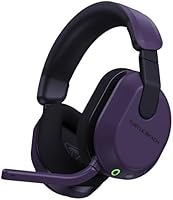
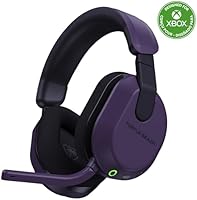
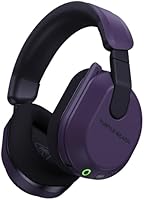
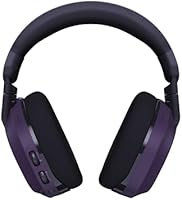
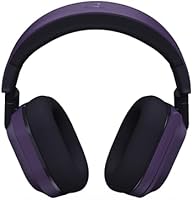
The Turtle Beach Stealth 600 Gen 3 Headset represents a meaningful step forward for Xbox-focused wireless gaming, landing in a competitive mid-to-upper tier where buyers expect more than just decent sound. Turtle Beach has addressed some of the lingering frustrations from earlier generations — most notably around battery endurance and connectivity flexibility — making this feel like a genuinely revised product rather than a cosmetic refresh. The purple colorway is worth noting too; it's not an afterthought but a deliberate style choice aimed at gamers who care about how their setup looks. That said, the market at this price point is crowded, and the Stealth 600 Gen 3 earns its place through practicality rather than outright audio dominance.

Features & Benefits

The headline spec here is the battery. At 80 hours per charge, this wireless gaming headset is in a different league from most competitors, which typically top out at 20 to 40 hours — a real difference for anyone who forgets to plug in between sessions. Dual wireless connectivity covers both gaming and casual use: the 2.4 GHz connection keeps latency low during matches, while Bluetooth 5.2 lets you swap over to a phone or laptop with a single button press. The 50mm drivers deliver broad, spatial sound across the full frequency range, though listeners expecting audiophile precision will find a wired setup still has an edge. The flip-to-mute mic with AI noise reduction works reliably in loud environments, and the Swarm II app gives power users meaningful EQ control.

Best For

This wireless gaming headset suits Xbox Series X/S owners who want reliable, low-hassle wireless without the compromises of a budget option. It's particularly well-matched to gamers who bounce between multiple devices — switching from console to PC to phone throughout the day — since the QuickSwitch feature removes the friction of reconnecting manually. Marathon gaming sessions are where the long battery genuinely shines; RPG and open-world players who lose track of time will appreciate not hitting a dead headset mid-game. Glasses wearers are often an afterthought in headset design, but the memory foam ear pads with their eyeglass relief channel make a real, noticeable comfort difference over extended wear.

User Feedback

Among real-world users, the battery life claim earns genuine praise — most report getting well into the 50-to-70-hour range under normal mixed use, which still beats most of the competition handily. Comfort over long sessions also draws consistent positive notes, especially from glasses wearers. The mic gets a more mixed reception: it handles background noise reasonably well, but some users note it sounds slightly thin compared to standalone desktop mics — fair for this category. A few recurring complaints center on app reliability, with some users reporting EQ settings occasionally failing to save. Build quality impressions are generally solid, though a handful of reviews flag the headband as less robust than expected. The Bluetooth transition speed gets positive marks overall.

Pros

  • Battery life that genuinely outlasts a full weekend of gaming without reaching for the charger.
  • Dual wireless connectivity makes switching between Xbox, PC, and phone fast and practical.
  • The flip-to-mute mic design is intuitive and the AI noise reduction handles background interference well enough for multiplayer lobbies.
  • Memory foam ear pads with an eyeglass relief channel make multi-hour sessions noticeably more comfortable for glasses wearers.
  • The Swarm II app offers real customization depth, including a 10-band EQ and button remapping, not just cosmetic options.
  • QuickSwitch Bluetooth transition gets consistently positive marks from users who regularly jump between devices.
  • Compatible with a wide range of platforms including Xbox, PC, PlayStation, Steam Deck, and mobile.
  • The purple colorway stands out for gamers who want their setup to reflect a personal aesthetic without buying a custom skin.

Cons

  • Some users report the Swarm II app occasionally fails to save EQ settings, requiring repeat configuration.
  • Audio quality, while solid for gaming, does not match what a good wired headset can deliver for the same budget.
  • No 3.5mm jack means there is no fallback if the wireless connection drops or the battery dies mid-session.
  • A subset of users flag the headband as feeling less durable than expected given the price point.
  • Mic audio can sound slightly thin compared to even budget standalone mics, which matters for streamers or content creators.
  • Advertised 80-hour battery life reflects ideal conditions; real-world use with Bluetooth active will land considerably lower.
  • The headset skews heavily toward Xbox, so PlayStation users may encounter connectivity quirks or missing features.
  • At this price, buyers in a crowded market have several strong alternatives worth comparing before committing.

Ratings

The scores below reflect our AI-driven analysis of verified global user reviews for the Turtle Beach Stealth 600 Gen 3 Headset, with spam, bot submissions, and incentivized feedback actively filtered out before scoring. Each category is rated based on aggregated real-world experience reports from buyers across Xbox, PC, and multi-device setups. Both standout strengths and recurring frustrations are represented transparently so you can make a genuinely informed decision.

Battery Life
93%
This is the headline win for this wireless gaming headset, and real-world users largely back it up. Gamers consistently report going multiple days of heavy play without reaching for the charger, which is a meaningful lifestyle upgrade over headsets that need nightly charging. For weekend marathon sessions or travel, the stamina advantage is hard to overstate.
The 80-hour ceiling applies under ideal single-connection conditions, and users running Bluetooth simultaneously report noticeably shorter runtimes, often in the 50-to-60-hour range. A small number of users also noted that battery degradation over six-plus months of daily use brought real-world totals down further than expected.
Wireless Connectivity
88%
The 2.4 GHz connection is rock-solid for gaming, with users reporting no dropout issues during extended online sessions on Xbox and PC. The QuickSwitch Bluetooth feature gets specific praise from multi-device users who toggle between console and phone regularly, calling the transition speed fast enough to feel natural rather than disruptive.
A handful of users report occasional 2.4 GHz interference in environments with many competing wireless devices, which can cause brief audio stutters. The lack of any wired fallback means that if something does go wrong with the wireless connection, there is no backup option available mid-session.
Comfort & Fit
84%
The memory foam ear pads earn consistent praise, especially from glasses-wearing gamers who normally struggle with pressure buildup after an hour or so. Users who game for three or more hours in a single sitting frequently highlight the eyeglass relief channel as one of the most practically useful comfort features they have encountered in this category.
A subset of users with larger heads report that the headband clamps more tightly than they would like, particularly during the first few weeks before the padding softens. Some users also note mild warmth buildup around the ears after extended sessions, which is common for closed-back designs but worth knowing going in.
Audio Quality
76%
24%
For gaming use — tracking footsteps, environmental cues, and dialogue in open-world or story-driven titles — the Stealth 600 Gen 3 delivers clear, spatially coherent sound that holds up well. The 50mm drivers produce a full-range response that most Xbox and PC gamers will find more than satisfying for everyday play.
This is not a headset that will satisfy listeners who also use their gaming headset for critical music listening or high-fidelity media. At this price point, a good wired headset with a dedicated DAC still pulls ahead on tonal accuracy and resolution, and users with audiophile backgrounds tend to note this gap fairly quickly.
Microphone Quality
71%
29%
In active multiplayer lobbies, teammates generally report clear communication with no persistent complaints, and the AI noise reduction does a reasonable job filtering out mechanical keyboard noise and fan hum. The flip-to-mute mechanism is tactile and reliable, which gamers who mute and unmute frequently throughout a session appreciate.
The mic output has a slightly thin character that becomes obvious if you compare recordings side by side with a dedicated desktop microphone. Streamers and content creators who need broadcast-quality voice capture will find this headset underwhelming in that specific regard, and a few users mention it can pick up sibilance harshly in quieter rooms.
Build Quality
68%
32%
The ear cup housing and adjustment sliders feel solid and well-finished, and the overall assembly gives a reasonably premium first impression out of the box. Users who handle their gear carefully report no structural issues after six-plus months of regular use, and the folding mechanism works smoothly without feeling fragile.
The headband is the most frequently cited durability concern, with multiple users describing it as lighter and less confidence-inspiring than the price tier suggests. A smaller but vocal group of reviewers report cracking or stress marks appearing on the headband after sustained daily use, which is worth factoring in for heavy users.
App Experience
63%
37%
When the Swarm II app works as intended, it gives users genuine control over their audio — the 10-band EQ and button remapping options are more flexible than what most competing apps in this category offer. Users who invest the time to dial in a custom profile tend to report noticeably improved audio for their specific game genres.
App reliability is the most consistent software complaint, with EQ settings occasionally failing to sync or save correctly across sessions. Some users also report that the app fails to recognize the headset on certain Android versions, leaving them without customization access until they troubleshoot driver or permissions issues.
Value for Money
74%
26%
For Xbox-primary users who genuinely need long battery life and dual wireless connectivity in a single package, the pricing reflects real, tangible features rather than brand markup alone. Buyers who would otherwise own separate headsets for gaming and casual Bluetooth listening find this consolidation justifies the cost.
The market at this price tier is competitive, and buyers who prioritize audio quality over battery stamina will find alternatives that deliver better sound for a comparable or lower investment. The absence of a carrying case, given the price, is also a minor but recurring frustration among users who expected more in the box.
Device Compatibility
81%
19%
The breadth of supported platforms — Xbox, PC, PlayStation, Steam Deck, and Bluetooth devices — makes this wireless gaming headset a practical choice for households with multiple gaming setups. PC users in particular report clean plug-and-play setup via the USB dongle with no driver installation required on Windows.
PlayStation compatibility exists but is clearly secondary, with some PS5 users noting that certain audio features and EQ modes do not function as expected on Sony hardware. Mobile Bluetooth use works reliably for audio, but gaming latency over Bluetooth on mobile is noticeable enough that competitive mobile players may be frustrated.
Ease of Setup
86%
Out-of-box setup on Xbox is fast and straightforward, with the USB dongle pairing quickly and the headset powering up ready to use within minutes. Users who skip the app entirely report that the onboard controls are intuitive enough to navigate without consulting the manual for basic functions.
Setting up Bluetooth alongside the 2.4 GHz connection simultaneously requires a few steps that are not immediately obvious, and the manual is thin on detail for multi-device configuration. A small number of users report needing to re-pair the dongle after firmware updates, which requires repeating the initial setup process.
Controls & Customization
78%
22%
The assignment wheel and mode button give users direct hardware control over volume, EQ switching, and custom functions without needing to open an app mid-session. Gamers who like tactile, on-ear control rather than smartphone-dependent adjustments will find the layout logical once they spend an evening learning the button mapping.
The button layout has a learning curve, and several users report accidentally triggering the wrong function during gameplay before muscle memory kicks in. The assignment wheel also lacks tactile detents on some units, making fine volume adjustments harder to land precisely in a dark room or during intense moments.
Noise Isolation
72%
28%
The closed-back over-ear design provides decent passive isolation that keeps game audio focused and reduces ambient room noise during sessions. Users in shared living spaces — apartments, dorm rooms, family homes — generally find that the headset keeps their audio private at moderate to high volumes.
Isolation is not exceptional by the standards of premium closed-back headphones, and users in genuinely loud environments like open offices or noisy households report environmental sounds still bleeding through. There is no active noise cancellation, which is an expected trade-off at this price point but worth noting for buyers who assumed otherwise.
Aesthetic Design
82%
18%
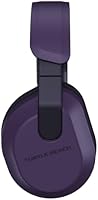
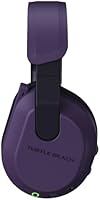
The purple colorway has gathered notably positive feedback from users who wanted a headset that stood out visually on their desk or streaming setup without requiring custom accessories. The flat-fold design is also appreciated for storage, particularly by users who keep their gear in a bag or on a stand when not in use.
Color options beyond purple are limited in the Gen 3 lineup, so buyers with specific aesthetic preferences may feel constrained. A small group of users also noted that the purple finish shows fingerprints and smudges more readily than darker colorways, which is a minor but recurring point in longer-term ownership reviews.

Suitable for:

The Turtle Beach Stealth 600 Gen 3 Headset is a strong match for Xbox Series X/S owners who want a capable, wire-free experience without the complexity of audiophile-grade gear. It's especially well-suited to gamers who use multiple devices throughout the day — switching between console, PC, and phone is quick and friction-free thanks to dual wireless connectivity. Long-session players will find the extended battery life genuinely liberating; not having to think about charging after every few sessions is a meaningful quality-of-life upgrade. Glasses wearers, often underserved by gaming headsets, will appreciate the specifically designed ear pads that reduce the pressure and heat buildup that makes other over-ear designs uncomfortable after an hour or two. Anyone who likes to tune their audio experience through an app rather than accepting factory defaults will also find real value in the Swarm II customization tools.

Not suitable for:

The Turtle Beach Stealth 600 Gen 3 Headset is not the right call for buyers whose top priority is raw audio fidelity. At this price tier, a quality wired headset paired with a dedicated DAC will still outperform it for critical listening or competitive audio cues in demanding titles. Strict PlayStation-first players might also want to look elsewhere, since the headset is built around Xbox and PC use, and the PS compatibility, while listed, is secondary. Anyone who relies heavily on a 3.5mm jack — for travel, for sharing audio, or as a backup connection — will find the wireless-only design frustrating, as there is no analog fallback. If the Swarm II companion app turns out to be unreliable on your particular phone or OS version, you lose a meaningful chunk of the customization value this headset offers. Budget-conscious buyers should also weigh whether the premium over similar-performing options in the category is justified for their specific needs.

Specifications

  • Wireless Connectivity: The headset transmits via 2.4 GHz low-latency wireless for gaming and Bluetooth 5.2 for secondary device connections.
  • Battery Life: Rated for up to 80 hours of use per charge under standard wireless conditions, with fast charging support included.
  • Driver Size: Each ear cup houses a 50mm nano-transparent dynamic driver covering a frequency range of 20 Hz to 20,000 Hz.
  • Microphone: A flip-to-mute boom microphone is built in, with AI-based noise reduction to filter background sound during calls and gaming sessions.
  • Ear Pads: Over-ear memory foam ear pads feature an integrated eyeglass relief channel designed to reduce pressure and heat buildup for glasses wearers.
  • Companion App: The Swarm II app for desktop and mobile offers a 10-band EQ, button remapping, and customizable audio mode assignment.
  • Weight: The headset weighs 320 g (11.3 oz), placing it in the mid-range for full-size over-ear gaming headsets.
  • Dimensions: Physical dimensions are 6.81 x 3.54 x 7.68 inches with a flat, adjustable headband design for storage and fit flexibility.
  • Compatibility: Officially supported devices include Xbox Series X/S, Xbox One, PC, PlayStation consoles, Steam Deck, and Bluetooth-enabled mobile devices.
  • Audio Jack: There is no 3.5mm analog jack; the headset operates exclusively through wireless connections with no wired fallback option.
  • Controls: Physical controls include push buttons and an assignment wheel on the ear cup for volume, mode switching, and customizable function control.
  • Bluetooth Version: Bluetooth 5.2 is used for secondary device pairing, supporting stable connections to phones, tablets, and laptops.
  • Ear Cup Style: The headset uses a closed-back, over-ear form factor designed to provide passive sound isolation during extended gaming sessions.
  • Included Items: The box contains the headset, a charging cable, and a user manual, with no additional accessories or carrying case provided.
  • Power Source: An internal lithium polymer battery powers the headset; no replaceable batteries are required and the battery is not user-removable.
  • Color Option: The purple colorway variant (model TBS-2102-45) is a deliberate aesthetic option alongside standard color offerings in the Gen 3 lineup.
  • Device Switching: The QuickSwitch button allows users to toggle between the 2.4 GHz gaming connection and an active Bluetooth device with a single press.
  • EQ Modes: Integrated onboard EQ modes are available directly on the headset without requiring the app, for users who prefer quick preset adjustments.

Related Reviews
Turtle Beach Stealth 700 Gen 2 Wireless Gaming Headset
88%
92%
Sound Quality
88%
Comfort for Long Sessions
91%
Battery Life
86%
Build Quality
94%
3D Audio Performance
More
Vantec NST-371C31-BK NexStar Gx USB 3.1 Gen 2 Type-C 3.5″ SATA HDD/SSD Enclosure
84%
89%
Performance
94%
Ease of Setup
85%
Build Quality
92%
Compatibility with Systems
88%
Data Transfer Speed
More
Vantec NexStar JX 3.5″ HDD Enclosure
76%
93%
Ease of Setup
78%
Transfer Speed — USB
86%
Transfer Speed — eSATA
74%
Thermal Management
67%
Build Quality
More
Sonos Sub (Gen 3)
Sonos Sub (Gen 3)
85%
91%
Sound Quality
88%
Ease of Setup
93%
Build Quality
95%
Bass Performance
92%
Compatibility with Sonos Systems
More
Jabra Stealth UC Bluetooth Headset
84%
89%
Sound Quality
90%
Comfort & Fit
76%
Battery Life
85%
Noise Cancellation
80%
Voice Control Functionality
More
RØDE Wireless GO Gen 3
83%
91%
Audio Quality
88%
Wireless Range & Stability
93%
On-Board Recording
89%
Ease of Setup
78%
GainAssist Performance
More
NexiGo PJ40 Gen 3 1080P Projector
76%
83%
Image Quality
61%
Brightness Performance
88%
Color Accuracy
77%
Built-in Audio
64%
Fan Noise
More
Lightspeed Zulu 3 Aviation Headset
83%
93%
Active Noise Reduction
89%
Comfort & Fit
91%
Build Quality
78%
Bluetooth Performance
88%
ComPriority System
More
KONNAO Wireless Headset with Microphone V5.3
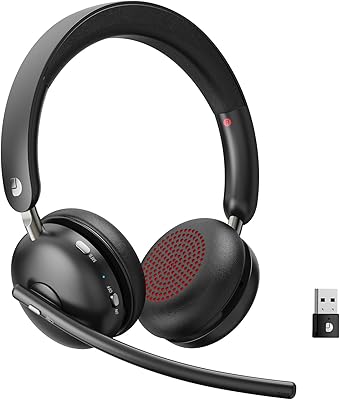
86%
88%
Sound Quality
92%
Comfort for Long Use
85%
Battery Life
90%
Noise Cancellation
75%
Bluetooth Connectivity
More
Dytole DY106
Dytole DY106
77%
83%
Microphone Clarity
88%
Battery Life
71%
Comfort Over Long Sessions
86%
Wireless Connectivity
81%
Value for Money
More

FAQ

The 80-hour figure reflects ideal conditions — typically using only 2.4 GHz wireless at moderate volume without any Bluetooth active. Real-world use with Bluetooth running simultaneously or at higher volume levels tends to land in the 50-to-65-hour range for most users, which is still significantly longer than most competing headsets at this price.

Yes, it does list PlayStation among its compatible devices, but keep in mind this headset is primarily engineered for Xbox and PC. PS5 connectivity works, but some platform-specific features and audio modes may not function as fully as they do on Xbox. If PlayStation is your main console, there are headsets better optimized for that ecosystem.

QuickSwitch lets you press a dedicated button to jump from your 2.4 GHz gaming connection to a paired Bluetooth device, like your phone or laptop. Most users report the transition takes just a second or two, which is fast enough to feel practical rather than annoying. It works best when your Bluetooth device is already paired and nearby.

The memory foam ear pads include a specific relief channel along the upper inner edge designed to reduce the pressure glasses frames create against the side of your head. Compared to standard over-ear headsets, most glasses-wearing users report a meaningful improvement in comfort during sessions lasting two to four hours. That said, ear fatigue varies by head shape and frame width, so it is not a universal fix.

For online gaming, the flip-to-mute mic performs well enough that squadmates generally have no complaints during normal play. The AI noise reduction helps filter out keyboard clicks, fan noise, and ambient room sound reasonably effectively. Where it falls short is streaming or content creation — for those uses, a dedicated external mic will produce noticeably better results.

The headset works perfectly fine straight out of the box, with onboard EQ modes and controls accessible without the app. The Swarm II app is really for users who want to dig into precise audio tuning via the 10-band EQ, remap buttons, or save custom profiles. If you just want to game without fussing over settings, you can ignore the app entirely.

This is a known intermittent issue reported by some users. The most reliable fix is to make sure the headset is connected and powered on before opening the app, then apply and save settings before closing. If the problem persists, try reinstalling Swarm II or checking for a firmware update for the headset through the app itself.

The Gen 3 is a notable step up from Gen 2, primarily in battery life, which roughly doubled, and in the addition of Bluetooth connectivity alongside the 2.4 GHz wireless. Gen 2 users who found themselves charging frequently or wishing they could listen to music from their phone without disconnecting from their console will find the upgrade genuinely worthwhile. If battery life was never a concern for you on Gen 2, the upgrade case is less urgent.

No — this headset is wireless only and does not include a 3.5mm analog jack or USB audio fallback. If the battery dies, you will need to charge it before continuing. This is one of the genuine trade-offs to be aware of, especially for travel or situations where charging is not always convenient.

Build impressions are generally positive for the ear cups and adjustment mechanism, but a portion of user feedback flags the headband as feeling lighter and less robust than the price point might suggest. For casual to regular use it holds up well, but players who tend to toss or roughly handle their gear may want to be more careful with this one than they would with a more heavily built headset.

Where to Buy