Overview

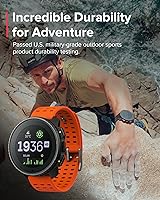
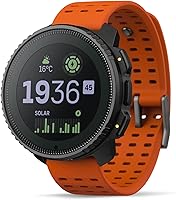
The SUUNTO Vertical Solar GPS Adventure Watch is built for one kind of person: someone who spends serious time outdoors and needs a wrist tool that can genuinely keep up. Suunto has been making instruments for extreme environments since 1936, and that heritage shows in the 49mm stainless steel and sapphire crystal construction — tested to military shock standards, not just described that way in marketing copy. The solar charging is real and meaningful; it can extend a multi-day expedition without hunting for a power outlet. Just don't come expecting a notification hub or a slick lifestyle piece. This is specialist equipment, and it earns that label honestly.
Features & Benefits

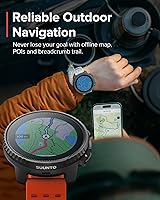
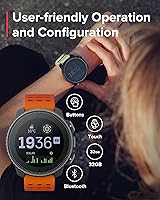
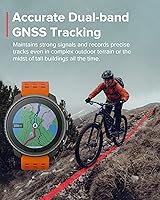
The satellite coverage on the Suunto Vertical Solar is hard to understate. Pulling signals from five systems across both L1 and L5 frequencies means you get a lock quickly and hold it — even in steep-sided gorges or under heavy forest canopy. The offline topographic maps live directly on the watch, so you're navigating confidently without any cell signal. Pair that with a built-in altimeter, barometer, and compass that push live weather alerts to your wrist, and you have a genuinely capable mountain tool. Add 95-plus sport modes, HRV recovery tracking, and connectivity to over 300 third-party platforms, and the feature depth becomes hard to argue with for serious endurance athletes.

Best For

This adventure GPS watch is not trying to be everything to everyone. It's engineered for athletes who spend days, not hours, in the field — ultra runners tackling hundred-mile events, thru-hikers crossing mountain ranges, alpinists who need dependable altitude data when the stakes are real. Multisport competitors will appreciate how cleanly the sport modes switch between disciplines. Cyclists grinding long gravel routes through tree-heavy terrain will notice fewer signal drop-outs than with single-band alternatives. If your wrist life revolves around step counts and calendar alerts, this rugged GPS timepiece will feel like overkill. But for the committed adventurer, the fit is exact.

User Feedback

Buyers consistently highlight two things: battery endurance and map reliability. The solar charging holds up well in real outdoor conditions, with multiple reviewers reporting weeks between charges during summer hiking seasons. GPS accuracy in dense terrain also draws steady praise, with recorded tracks described as unusually clean. That said, the 49mm case is genuinely large — buyers with smaller wrists flag discomfort during extended daily wear. The Suunto App has a learning curve too; menu navigation takes time to internalize for new users. Overall, this rugged GPS timepiece holds a 4.3-star rating, which feels accurate: strong core performance with a few rough edges in everyday usability.

Pros

  • Solar charging genuinely reduces charging anxiety on multi-day expeditions and long outdoor training blocks.
  • Dual-band GNSS locks satellites fast and holds signal accurately in forests, canyons, and complex terrain.
  • Offline topographic maps stored on the watch work reliably with zero cell signal required.
  • Sapphire crystal and military-grade construction handle real trail abuse without cosmetic damage.
  • Storm alerts and barometric trend data give actionable environmental awareness during mountain activities.
  • Over 95 sport modes cover virtually every discipline without forcing awkward activity workarounds.
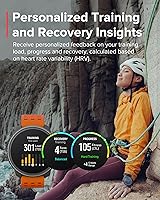
  • HRV recovery tracking integrates cleanly with major training platforms for structured load management.
  • The Suunto Vertical Solar connects to 300-plus third-party services, fitting into most existing fitness ecosystems.
  • Water resistance to 100 meters holds up through open-water swims and heavy rain without hesitation.
  • A 2-year warranty provides reasonable long-term coverage for a premium outdoor instrument.

Cons

  • The 49mm steel case feels oversized and heavy on narrower wrists during extended daily wear.
  • The Suunto App interface is noticeably less polished than Garmin or Apple equivalents, frustrating new users.
  • Solar gains drop significantly in overcast climates or winter conditions, narrowing the battery advantage considerably.
  • Initial setup — maps, sport modes, third-party syncing — requires a patient evening of configuration work.
  • The MIP display looks dated and low-contrast in indoor or low-light environments compared to AMOLED rivals.
  • Menu navigation depth demands a real learning curve before mid-activity use feels intuitive.
  • Weather forecasting relies on local sensor data only, not a full meteorological service, limiting forecast precision.
  • At 87 grams, the steel solar variant is heavier than titanium alternatives at a comparable price point.
  • App sync reliability issues have frustrated a consistent minority of reviewers across firmware versions.
  • The watch skews toward male wrist sizing and aesthetics, limiting everyday wearability for some users.

Ratings

The SUUNTO Vertical Solar GPS Adventure Watch earns its scores from AI-driven analysis of verified global buyer reviews, with spam, bot-generated, and incentivized feedback actively filtered out before scoring. Every category below reflects the honest balance of what real users praised and what genuinely frustrated them — nothing is smoothed over. If there is a weak point in this rugged GPS timepiece, you will find it reflected here alongside the strengths.
Battery Life & Solar Efficiency
93%
This is the category where the Suunto Vertical Solar earns its reputation. Hikers and ultra runners consistently report going weeks without touching a charger during high-sun summer expeditions, and the advertised year-long daily-use figure holds up reasonably well in practice during mixed indoor and outdoor routines.
The solar gains drop noticeably in overcast or winter conditions, and users in northern latitudes or frequently indoor environments see the battery advantage shrink. Heavy GPS usage indoors essentially removes solar from the equation, bringing performance closer to a standard rechargeable watch.
GPS Accuracy & Signal Acquisition
91%
Buyers who tested this adventure GPS watch in dense forest trails and steep mountain valleys consistently praised how quickly it locks onto satellites and how clean the recorded tracks look afterward. The dual-band, five-system GNSS setup genuinely reduces the signal drift that plagues single-band watches in technical terrain.
A handful of users noted occasional minor discrepancies when recording routes through deep urban canyons with heavy building interference. These instances are rare, but they exist, and they are worth noting for city-based athletes who also train outdoors.
Offline Maps & Navigation
88%
The ability to store worldwide topographic maps directly on the watch — and actually use them reliably without a phone — is a genuine differentiator for backcountry navigators. Mountaineers and thru-hikers specifically highlight how intuitive the contour and trail data is during technical route-finding.
Map download management through the Suunto App requires some patience; initial setup and syncing can feel clunky compared to how polished the on-watch experience eventually becomes. A few users also wished for more granular map detail in remote regions outside Europe and North America.
Build Quality & Durability
89%
The sapphire crystal lens and stainless steel case construction hold up convincingly in real abuse conditions — scrapes against rock faces, drops on trail, and long days in rain and dust leave no visible damage for most buyers. The military-grade shock resistance feels authentic rather than just a spec bullet point.
At 87 grams, the steel solar variant is noticeably heavier than competing titanium-cased watches at a similar tier. A few buyers mentioned the weight becomes fatiguing during multi-day fastpacking where every gram matters, and the size is genuinely large on narrower wrists.
Comfort & Wearability
67%
33%
For buyers with larger wrists or those accustomed to sport-tool aesthetics, the 49mm case sits comfortably and the band material holds up well through sweat-heavy training. The strap design allows good breathability during extended outdoor wear in warm conditions.
This is one of the most consistently flagged pain points in user reviews. The 49mm case and the weight of the steel version simply feel oversized on smaller wrists, and several buyers noted they switched back to a lighter watch for casual daily use. It is not a comfortable all-day wearable for everyone.
Sport Mode Breadth
84%
With over 95 sport modes, the Suunto Vertical Solar covers practically every discipline a multisport athlete would need without forcing awkward workarounds. Triathletes and adventure racers appreciate the clean mode transitions and the depth of customizable data fields per activity.
The sheer number of modes can make initial configuration feel overwhelming, and not all modes offer the same depth of metrics. Some niche activity profiles feel underdeveloped compared to the excellent running and hiking modes that clearly received the most refinement.
App & Ecosystem Integration
62%
38%
The Suunto App connects to over 300 third-party platforms, which means athletes already embedded in ecosystems like Strava, TrainingPeaks, or Komoot can pull data across without manual exports. When it works smoothly, the integration breadth is hard to match at this tier.
The app itself is where this rugged GPS timepiece takes its biggest hit in user sentiment. The interface feels less polished than competitors, sync reliability has frustrated a consistent minority of reviewers, and the menu logic takes real time to internalize for new users switching from Garmin or Apple Watch.
Navigation Usability On-Watch
78%
22%
Once you are familiar with the button layout and menu structure, navigating routes and checking terrain data mid-activity is fast and readable. The 1.4-inch MIP display is bright enough to use in direct sunlight without squinting, which matters on exposed alpine ridges.
New users frequently describe a steep learning curve before that fluency arrives. The menu depth can feel unintuitive at first, and accessing specific navigation features mid-activity sometimes requires more button presses than rivals demand.
Weather & Environmental Monitoring
81%
19%
Real-time storm alerts and barometric pressure trend readings have been flagged by alpine climbers as genuinely useful tools for on-the-fly decision-making in the mountains. The integration of temperature, wind speed data, and altitude context into one wrist tool is well executed.
The weather forecast accuracy is inherently limited by the watch's local sensor data and not a full meteorological service, which some buyers discovered after expecting precision comparable to a dedicated weather app. The alerts are useful but should be treated as indicators, not definitive forecasts.
HRV & Recovery Tracking
74%
26%
Athletes who track training load seriously will find the HRV-based recovery scoring a useful daily signal for managing fatigue across hard training blocks. The data syncs cleanly into training analysis platforms for those already using structured plans.
The recovery metrics are not as granular or as historically contextualized as what dedicated platforms like Garmin's Body Battery or Whoop offer. Casual users may find the scores hard to act on without a broader understanding of HRV trends over time.
Water Resistance
86%
Rated to 100 meters and snorkel-ready to 10 meters, this adventure GPS watch handles rain, open-water swimming, and surf exposure without any reported failures among reviewers. Triathletes using it through open-water swim legs have had no issues.
It is worth noting the watch is not rated for scuba diving or high-pressure water sports beyond snorkeling depth. Most buyers will never approach the limit, but it is a relevant spec for those considering it for serious aquatic use cases.
Display Quality
79%
21%
The MIP display at 280dpi holds up well in outdoor lighting conditions where AMOLED screens on rival watches can wash out completely. Glanceability mid-run or mid-climb, without needing to press a button to wake the screen, is a practical advantage in movement-heavy sports.
In low-light or indoor conditions, the MIP technology looks noticeably less vivid than modern AMOLED alternatives. Users coming from Garmin's AMOLED models or Apple Watch often note the display feels dated, even if it serves its purpose during actual outdoor activities.
Value for Money
72%
28%
For ultra-distance and expedition athletes who will actually push its capabilities, the combination of solar endurance, dual-band GNSS, and offline maps in one device justifies the investment. Replacing a GPS watch, a dedicated navigation device, and a recovery tracker starts to make the math work.
At this price tier, the app experience and the weight of the steel variant feel like friction points that should have been resolved. Buyers who test the Suunto Vertical Solar alongside a Garmin Fenix at a comparable price frequently cite Garmin's more polished software as the deciding factor.
Setup & Initial Configuration
58%
42%
The hardware setup — charging, pairing, and basic watch face configuration — is quick and intuitive straight out of the box. Most buyers are tracking their first workout within 30 minutes of unboxing.
Configuring maps, customizing sport mode data screens, and connecting third-party services requires navigating a combination of the watch menu and the app that many reviewers describe as unnecessarily complex. It is a solvable problem, but it costs an evening of patience upfront.
Strap & Band Quality
76%
24%
The silicone band included with the steel solar variant handles sweat, mud, and extended multi-day wear without degrading noticeably. Buyers who have tested it through full ultramarathon events report no chafing issues when properly sized.
The included band is functional but not exceptional — a few buyers upgraded to aftermarket options for better aesthetics in everyday settings. Standard 26mm lug width means third-party options are plentiful, but it is an extra cost some did not expect to factor in.

Suitable for:

The SUUNTO Vertical Solar GPS Adventure Watch was built for athletes who treat multi-day expeditions as routine, not exceptional. If you are running hundred-mile ultras, crossing mountain ranges on foot, or spending weeks in backcountry terrain where a power outlet is a distant memory, the solar charging and offline map capabilities address real logistical problems rather than theoretical ones. Alpinists and mountaineers will find the combination of precise altitude data, storm alerts, and downloadable topographic maps genuinely useful when decision-making in the field depends on reliable environmental information. Triathletes and adventure racers who need a single device to switch fluidly between swimming, cycling, and running without fiddling with settings will appreciate the breadth of sport mode coverage. Serious trail runners and gravel cyclists training in dense forest or canyon terrain will also notice fewer track gaps and signal drop-outs compared to single-band GPS watches. Essentially, if your outdoor activities regularly push you beyond phone signal range and you want a wrist tool that can handle the full complexity of that environment, this is a strong candidate.
Not suitable for:

The SUUNTO Vertical Solar GPS Adventure Watch is genuinely overkill for anyone whose outdoor activity tops out at weekend park runs or occasional day hikes with easy trail access. At 49mm and 87 grams in the steel solar variant, it is a large, heavy presence on the wrist — buyers with smaller wrists or those expecting to wear it comfortably through office hours and social settings will likely find it awkward and conspicuous. If you are primarily drawn to smartwatch features like app notifications, contactless payments, music storage, or polished third-party app ecosystems, this rugged GPS timepiece will disappoint; Suunto has focused its engineering budget on navigation and endurance, not lifestyle convenience. The Suunto App, while capable, has a steeper learning curve and a less refined interface than what Garmin or Apple users are accustomed to, which can be a meaningful friction point for buyers who value plug-and-play simplicity. At this price tier, buyers who spend most of their training time in urban environments with reliable GPS signal may find that a less expensive single-band alternative covers ninety percent of their needs without the extra weight or cost.
Specifications

  • Case Size: The watch housing measures 49mm in diameter, built from stainless steel with an integrated sapphire crystal lens.
  • Weight: The steel solar variant weighs 87 grams, which is heavier than titanium alternatives at the same tier.
  • Display: A 1.4-inch MIP screen running at 480x272 resolution and 280dpi delivers strong outdoor readability without requiring a backlight in daylight.
  • GNSS: Dual-band multi-constellation GNSS connects to five satellite systems — GPS, GLONASS, Galileo, QZSS, and BeiDou — across both L1 and L5 frequencies.
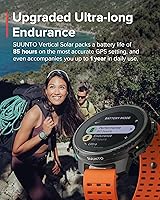
  • Battery (Daily Use): With solar charging active in typical outdoor conditions, the watch can sustain daily use for up to one year without a wired charge.
  • Battery (GPS Mode): In full-sun conditions at 50,000 lux, continuous GPS tracking with solar support runs up to 85 hours on the most accurate setting.
  • Solar Charging: The integrated solar panel supplements battery life continuously in sunlit outdoor conditions, with gains proportional to direct light exposure.
  • Offline Maps: Worldwide topographic maps can be downloaded directly to the watch and used in full offline mode without any phone or data connection.
  • Water Resistance: The watch is water resistant to 100 meters and rated for snorkeling to 10 meters depth.
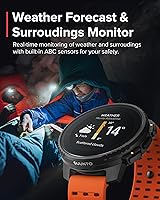
  • ABC Sensors: Built-in altimeter, barometer, and compass sensors provide real-time altitude, atmospheric pressure trends, and magnetic heading data.
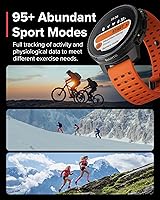
  • Sport Modes: Over 95 sport modes are available, each with customizable data screen layouts for activities ranging from trail running to open-water swimming and alpine climbing.
  • Shock Resistance: The construction meets military-grade shock resistance standards, tested to withstand impacts and environmental stress beyond typical consumer electronics.
  • Connectivity: The watch connects via Bluetooth and Wi-Fi to the Suunto App on mobile, tablet, and desktop platforms.
  • App Ecosystem: The Suunto App integrates with more than 300 third-party fitness and sports platforms including Strava, TrainingPeaks, and Komoot.
  • Recovery Tracking: HRV-based recovery measurement provides daily readiness scoring that syncs to the Suunto App for training load management.
  • Warranty: Suunto provides a 2-year manufacturer warranty covering defects in materials and workmanship from the date of purchase.
  • Model Year: This is a 2024 model release, first made available for purchase in March of that year.
  • In the Box: Each unit ships with the watch itself and a magnetic charging cable; no additional accessories are included in the standard package.

Related Reviews

Suunto Race GPS Sports Watch
80%
93%
Display Quality
91%
GPS Accuracy
74%
Battery Life
89%
Navigation & Maps
67%
Touchscreen Usability
More
COROS VERTIX 2S Adventure GPS Watch
82%
93%
Battery Life
91%
GPS Accuracy
94%
Build Quality
88%
Navigation & Maps
61%
Comfort & Wearability
More
Suunto 9 Baro Multisport GPS Watch
74%
93%
Battery Life
81%
GPS Accuracy
61%
Heart Rate Accuracy
89%
Build Quality
91%
Water Resistance
More
Suunto 9 Peak Pro GPS Sports Watch
86%
94%
GPS Accuracy
92%
Battery Life
89%
Build Quality
87%
Sport Mode Variety
85%
Health Tracking Features
More
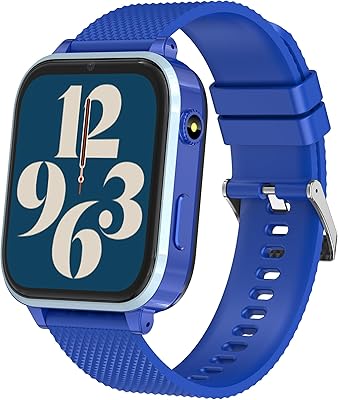
Spodus G50002 Kids Watch with GPS Tracker 4G Smart Watch
84%
88%
GPS & Location Accuracy
81%
Battery Life
78%
Voice & Video Call Quality
90%
Ease of Use
85%
Build Quality
More
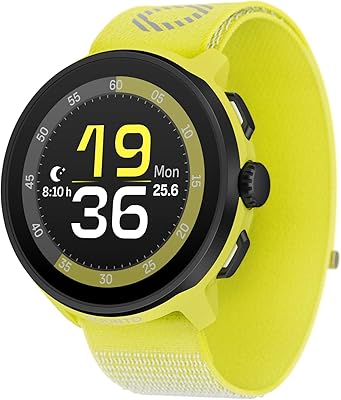
Suunto Run GPS Running Watch
78%
88%
GPS Accuracy
81%
Battery Life
91%
Comfort & Wearability
86%
Display Quality
83%
Offline Music
More
SPACETALK Adventurer 4G Smart Watch
82%
91%
GPS Tracking Accuracy
89%
Build Quality and Durability
85%
Ease of Use for Kids
63%
Battery Life
87%
Value for Money
More
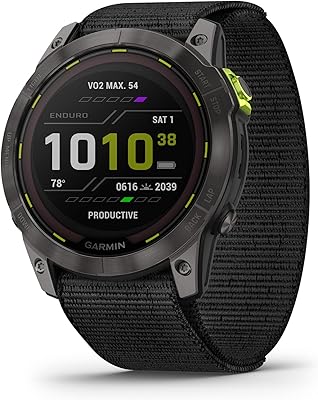
Garmin Enduro 2 GPS Running Watch
81%
93%
Battery Life
91%
GPS Accuracy
89%
Build Quality & Durability
82%
Comfort & Fit
88%
Navigation & Mapping
More
CANMORE TW411 Golf GPS Watch
71%
78%
GPS Accuracy
86%
Course Database
63%
Battery Life
89%
Value for Money
84%
Ease of Use
More
CANMORE TW353 Golf GPS Watch
78%
83%
GPS Accuracy
88%
Course Coverage
91%
Ease of Use
79%
Display Readability
76%
Battery Life
More

FAQ

It makes a genuinely meaningful difference if you spend regular time outdoors in sunny conditions. Hikers and ultra runners in sunny climates report going weeks between charges during summer training. That said, if you work indoors most of the day and only get outside for an hour or two, the solar contribution will be modest and you should base your expectations on the non-solar battery figures instead.

Honestly, this is one of the most common concerns among buyers and worth taking seriously. At 49mm and 87 grams in the steel variant, the Suunto Vertical Solar sits large on the wrist, and several buyers with wrists under roughly 170mm in circumference have described it as uncomfortable or visually oversized for daily wear. If you have a smaller wrist, it is worth trying it on in person before committing.

You can use them completely offline, no phone required. The topographic maps are downloaded directly to the watch's internal storage via the Suunto App while you have a connection, and after that they work fully standalone. This is one of the strongest practical advantages of this adventure GPS watch for remote expeditions.

In real-world testing by buyers who have used both, the SUUNTO Vertical Solar GPS Adventure Watch competes closely with the Fenix on track accuracy, especially in dense forest and mountainous terrain where dual-band GNSS makes a measurable difference. Some users give Garmin a slight edge in software polish, but the raw satellite performance is considered genuinely comparable at this tier.
Using the included magnetic charging cable, the watch charges from empty to full in roughly two to three hours. The fast-charging capability means you can get meaningful battery back quickly even before a long training session, which partially offsets those situations where solar alone is not keeping up.

Not immediately, and it is worth being honest about that. The app is functional and capable once you are familiar with it, but the interface logic is different enough from Garmin Connect or the Apple Health ecosystem that new users typically need some time to find their way around. Give yourself an evening to configure maps, sport modes, and third-party connections before your first major outing.

Yes, it handles open-water swimming without issues. The 100-meter water resistance rating covers everything from lap swimming to triathlon open-water legs comfortably, and multiple triathlete reviewers confirm no problems after prolonged water exposure. It is not rated for scuba diving, but for any surface or shallow-water activity it is fully capable.

Yes, both platforms are supported through the Suunto App's third-party integration ecosystem. After linking your accounts once in the app, activities sync automatically after each workout. The connection generally works reliably, though a small number of users have reported occasional sync hiccups that usually resolve after a firmware update or app refresh.

The sapphire crystal lens is genuinely scratch-resistant in everyday use — buyers who have been using this rugged GPS timepiece through technical scrambles, trail running, and climbing report no lens scratches from normal contact with rock and brush. Sapphire is one of the hardest materials used in watch lenses, so surface scratches from typical outdoor abuse are uncommon, though a direct hard impact could theoretically crack any crystal.

Without any solar input, the battery behaves like a standard rechargeable GPS watch. In continuous full-accuracy GPS mode with no solar contribution, you are looking at approximately 40 to 60 hours of tracking time depending on settings, which is still strong compared to most competitors but obviously well below the solar-assisted 85-hour figure. For multi-day expeditions in overcast conditions, it is worth planning a partial charge opportunity rather than relying entirely on solar.