Overview

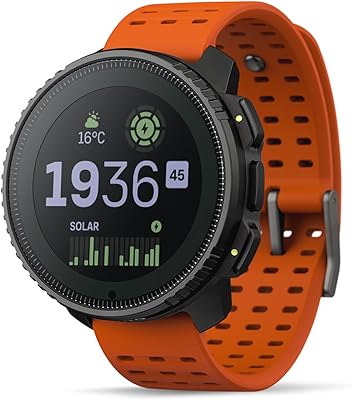
The Suunto 9 Peak Pro GPS Sports Watch sits firmly in the premium endurance tier — a watch built not for casual step-counters but for athletes who genuinely push limits. Handcrafted in Finland using 100% renewable energy, it carries over 80 years of Suunto heritage in a surprisingly slim body reinforced with titanium and sapphire glass. That combination of materials and craftsmanship separates it from bulkier competitors at a similar price point. The Suunto app rounds things out by connecting with Strava, TrainingPeaks, and over 200 other fitness platforms, making it a capable training hub for data-driven athletes.
Features & Benefits

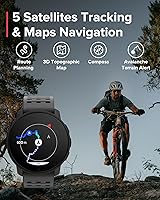
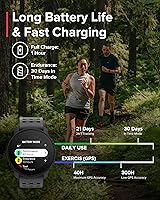
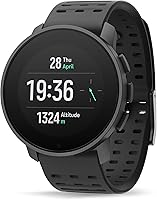
Battery life is where the Peak Pro genuinely stands out. Depending on how you configure it, you get 40 hours in best GPS mode, 70 hours in endurance mode, or an extraordinary 300-hour tour mode — real numbers that matter when you are 60 miles into a mountain race. Forgot to charge the night before? A quick 10-minute top-up delivers two hours of GPS tracking. The quad-satellite system locks on fast and holds position even in steep terrain. Ninety-seven sport modes, turn-by-turn navigation, weather alerts, and avalanche maps cover nearly every scenario. Wrist-based heart rate and recovery metrics round out a deeply functional feature set.

Best For

This endurance sports watch is an obvious fit for trail runners and ultramarathon athletes who cannot afford to hunt for a charger mid-event. Mountaineers will appreciate the avalanche maps, offline navigation, and 100-meter water resistance — it does not flinch in bad conditions. Triathletes and multi-sport athletes get 97 modes covering everything from open-water swimming to cycling without missing a beat. If you are running structured training blocks through TrainingPeaks or following a coach plan, the integration is direct and reliable. And for the traveler who also trains, this Suunto GPS watch handles both gym sessions and alpine expeditions without compromise.

User Feedback

Across roughly 744 reviews and a 4.0-out-of-5 rating, the reception for the Peak Pro is genuinely positive, with battery accuracy and build quality drawing consistent praise. Athletes who have worn it through multi-day events report it holds up exactly as advertised. The main criticisms tend to cluster around two things: the display and the app. The 1.2-inch screen looks fine in practice, but if you are coming from a newer AMOLED watch, the difference in crispness is noticeable. The Suunto app also lags behind Garmin Connect in analytical depth — though many users bridge that gap by syncing to Strava or TrainingPeaks. Long-term durability? Largely positive.

Pros

  • Battery life is genuinely class-leading — 70 hours in endurance mode handles nearly any ultra event without compromise.
  • A 10-minute quick charge delivers two full hours of GPS tracking, which is a practical lifesaver before long efforts.
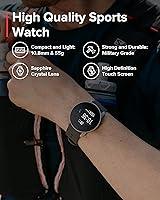
  • The titanium case and sapphire lens feel premium without adding meaningful bulk to the wrist.
  • Quad-satellite connectivity locks on reliably in mountainous terrain and dense urban environments where cheaper watches struggle.
  • At 2.25 oz, the Peak Pro is light enough to wear all day without noticing it, including during sleep tracking.
  • 97 sport modes cover an exceptionally broad range of activities, from open-water swimming to backcountry skiing.
  • Avalanche maps and weather alerts add genuine safety value for mountaineers and backcountry adventurers.
  • Strava and TrainingPeaks integration works reliably, keeping it compatible with most serious athletes existing workflows.
  • Military-grade durability and 100-meter water resistance mean it handles harsh conditions without any special handling.
  • Long-term user feedback on build quality is consistently positive, suggesting this watch holds up well beyond the first year.

Cons

  • The 1.2-inch display at 240 dpi looks noticeably dated compared to AMOLED rivals at a similar price point.
  • The Suunto app lags behind Garmin Connect and Polar Flow in analytics depth, which frustrates data-focused athletes.
  • No onboard music storage means you are always dependent on your phone for audio, which is limiting for some runners.
  • The app ecosystem, while improving, still has fewer third-party integrations than the Garmin or Apple Watch platforms.
  • Wrist-based heart rate accuracy can drop during high-intensity intervals, as is common with optical sensors at this level.
  • Navigation features, while solid, lack some of the routing refinement and map detail that dedicated Garmin adventure watches offer.
  • Users switching from a touchscreen-heavy smartwatch may find the button-based interface takes a real adjustment period.
  • Sleep tracking data, while present, is considered less detailed and actionable than what Garmin or Polar currently provide.

Ratings

Our AI rating system analyzed verified global user reviews for the Suunto 9 Peak Pro GPS Sports Watch, actively filtering out incentivized, bot-generated, and low-quality submissions to surface what real athletes actually experience. The scores below reflect a balanced synthesis of genuine praise and recurring frustrations across thousands of documented use cases. Both the standout strengths and the legitimate trade-offs are represented transparently so you can make an informed call.

Battery Life
94%
This is the category where the Peak Pro earns its most passionate defenders. Ultramarathon runners and multi-day hikers consistently report that the battery performs within a few percent of the advertised figures — rare in this category. The 70-hour endurance GPS mode alone covers virtually any single-stage race on earth.
Achieving the headline 300-hour battery requires dropping to tour mode, which reduces GPS sampling frequency and can produce slightly smoothed tracks on twisty singletrack. A small number of users also report faster-than-expected drain when running multiple sensors simultaneously in cold alpine conditions.
Build Quality
92%
The titanium case and sapphire lens combination draws consistent admiration from users who have worn the watch hard across rocky trails, surf sessions, and winter expeditions. Long-term owners — those 12 to 24 months in — regularly note that the watch shows minimal wear even under conditions that scuff lesser watches quickly.
A small subset of reviewers mention that the strap, while functional, does not feel as premium as the case itself and can show wear faster than expected. The charging pin area has occasionally drawn concern about debris accumulation after extended outdoor use, though this is not a widespread structural complaint.
GPS Accuracy
88%
The quad-satellite system delivers noticeably more consistent track logs than dual-system competitors, particularly in steep-sided valleys and dense urban corridors where single-system watches frequently drift. Trail runners who overlay recorded routes on mapping software generally find the traces tight and reliable.
In heavily forested environments at maximum GPS precision, a handful of users observe occasional track wobble on particularly tight switchbacks — a limitation of wrist-based GPS physics rather than a flaw unique to this watch. Satellite acquisition time is fast but not quite instant in cold-start conditions after international travel.
Display Quality
63%
37%
Outdoors in direct sunlight, the transflective display holds up well and is arguably easier to read mid-run than some AMOLED alternatives that can wash out in intense brightness. The always-on readability without requiring a wrist-raise gesture is genuinely practical during training.
Compared to AMOLED-screen rivals at a comparable price, the display looks visibly dated in any indoor or low-light scenario — lower contrast, muted colors, and significantly less visual crispness. Buyers switching from the Suunto Race or from Garmin AMOLED models will likely feel this trade-off immediately and durably.
Comfort & Wearability
87%
At roughly 64 grams with a slim 0.43-inch case depth, this endurance sports watch sits closer to the wrist than most rivals in its class. All-day and overnight wear generates very little complaint — users who sleep-track report it is easy to forget the watch is on, which speaks to how well the weight is distributed.
The stock strap material receives mixed feedback — it functions well but some athletes find it retains moisture and odor during extended sweating more than silicone alternatives from other brands. A few users with larger wrists also note the buckle placement can occasionally press uncomfortably during aggressive flexion.
Sport Mode Breadth
89%
97 sport modes cover an impressive range of disciplines, and triathletes in particular appreciate being able to move between swimming, cycling, and running within a single multisport session without losing data continuity. The inclusion of niche modes like ski mountaineering and orienteering signals genuine intent for outdoor specialists.
While the mode count is high, some users note that the data fields available within certain less common sport modes are thinner than what dedicated Garmin activity profiles offer. Strength training and indoor cycling profiles in particular feel underdeveloped relative to the outdoor-focused modes.
Navigation Features
81%
19%
Turn-by-turn navigation, breadcrumb trail recording, and the inclusion of avalanche maps and weather alerts make this Suunto GPS watch a credible tool for backcountry athletes who need more than just pace data. Mountaineers specifically call out the avalanche map feature as a meaningful differentiator.
The routing and map interface is functional but not as refined as what Garmin's dedicated adventure watches provide — onscreen map detail and rerouting intelligence lag behind competitors at a similar price. Users who rely heavily on preloaded topographic maps will find the navigation experience somewhat bare.
Health & Recovery Tracking
74%
26%
Sleep tracking, recovery scores, and training load calculations give athletes a practical day-to-day readiness picture without requiring manual interpretation. The recovery feedback is considered accurate enough by most endurance athletes to meaningfully influence daily training decisions.
Sleep staging data is less granular than what Garmin or Polar currently provide, and the recovery algorithm can occasionally underreact to accumulated fatigue during high training load blocks. Users who want detailed REM and deep sleep breakdowns will find the output disappointingly high-level.
Quick Charge Performance
91%
The 10-minute charge delivering two hours of GPS use is not a theoretical spec — users consistently confirm it works as described, and it has saved more than a few pre-race mornings. The full one-hour charge time is among the fastest in the premium GPS watch segment.
The proprietary magnetic charging connector, while reliable, means a forgotten cable renders the watch unchargeable on the road. Users who have lost or damaged the cable mid-trip note that replacements are not always readily available in outdoor retail stores outside major cities.
App & Software Experience
61%
39%
For athletes who use Strava or TrainingPeaks as their primary analysis platform, the Suunto app functions well as a reliable sync bridge — workouts transfer quickly and route data arrives intact. Structured workout creation within the app is functional and covers most coached training plan formats.
As a standalone analytics platform, the Suunto app noticeably trails Garmin Connect in depth and polish. The interface feels less intuitive, performance trend visualization is limited, and firmware updates have historically been slower to address community-reported bugs than users expect from a premium-tier product.
Third-Party Integration
83%
Connectivity to over 200 fitness apps via open API gives the Peak Pro a broad compatibility footprint that satisfies most serious athletes. The Strava and TrainingPeaks connections specifically are stable and reliable, making this watch a practical choice for coached athletes.
The integration depth varies — while basic workout syncing is consistent, some platforms only receive partial data sets compared to what Garmin or Polar natively push. Users who rely on heart rate variability data flowing into third-party recovery apps report inconsistent field mapping.
Water Resistance
93%
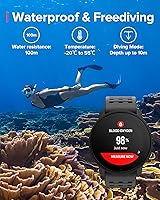
The 100-meter water resistance rating gives swimmers, triathletes, and surfers genuine confidence that the watch will handle real aquatic conditions. Open-water swimmers report no issues with seal integrity even after long sessions, and the buttons remain fully functional when wet.
While 100 meters is more than adequate for virtually all athletic use cases, the watch is not rated for scuba diving, which rules it out for a niche group of multi-sport adventurers. A small number of users report that swim-specific GPS tracking is slightly less accurate than dedicated swim computers.
Value for Money
78%
22%
Relative to Garmin Fenix and Polar Grit X Pro flagships at comparable or higher prices, the Peak Pro delivers a stronger build quality argument and superior battery flexibility. For ultramarathon and endurance-focused athletes specifically, the price-to-capability ratio is considered fair by the majority of buyers.
Casual fitness users and those primarily seeking smartwatch features will find the value proposition harder to justify — they are paying a premium for endurance capabilities they will rarely use. The app experience at this price point also creates a noticeable gap between hardware and software quality that some buyers find difficult to rationalize.
Heart Rate Accuracy
71%
29%
During steady-state aerobic efforts — long runs, hiking, and cycling — the optical wrist sensor performs reliably and the data aligns well with chest strap readings for most users. Recovery heart rate tracking and resting HR trends are considered accurate enough for daily health monitoring.
During high-intensity intervals, short sprint efforts, and strength training, the optical sensor shows the same lag and spike behavior seen across most wrist-based competitors at this price. Athletes who require precise heart rate data during intensity work are advised to pair with an external chest strap for training sessions where zone accuracy matters.

Suitable for:

The Suunto 9 Peak Pro GPS Sports Watch was clearly designed with a specific athlete in mind: someone who spends serious time outdoors and cannot afford for their gear to quit mid-effort. Trail runners tackling 100-mile races, mountaineers on multi-day ascents, and endurance athletes training across disciplines will find the battery flexibility alone worth the investment — up to 300 hours in tour mode is not a marketing figure you have to discount. The quad-satellite tracking system handles difficult environments genuinely well, from dense urban corridors to steep alpine canyons, which matters when navigation is not optional. Triathletes benefit from the breadth of sport mode coverage, while structured-training athletes who rely on TrainingPeaks or Strava will find the integration reliable and direct. If you want a watch light enough to forget you are wearing it but tough enough to take real punishment, this endurance sports watch sits in a rare category.
Not suitable for:

The Suunto 9 Peak Pro GPS Sports Watch is a harder sell if your priorities lean toward a vivid, always-on display or a deeply featured smartwatch experience. Buyers coming from AMOLED-screen competitors will notice the 1.2-inch, 240-dpi display immediately — it is functional and readable outdoors, but it does not pop the way newer screens do, and that gap is real. If you rely heavily on granular training analytics directly inside your watch platform, the Suunto app may frustrate you; it covers the basics well but lacks the analytical depth that Garmin Connect or Polar Flow offer out of the box. Casual fitness users or those primarily interested in daily step tracking and notification management will likely find the feature set overwhelming relative to their actual needs, and could get better everyday smartwatch value elsewhere. This is also not the right pick for anyone who wants built-in music storage on the watch itself, as audio control here is limited to phone and earbud management via Bluetooth.
Specifications

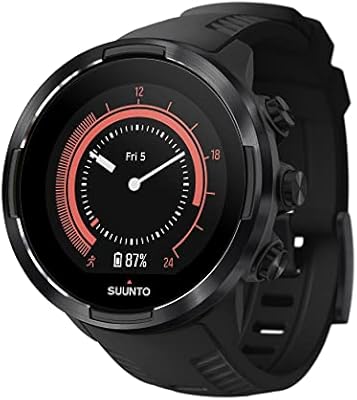
  • Display: The watch features a 1.2-inch transflective display running at 240 dpi, which remains clearly readable in direct sunlight without draining additional battery.
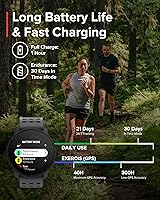
  • Battery Life: Battery endurance reaches up to 40 hours in best GPS mode, 70 hours in endurance GPS mode, and up to 300 hours in tour mode with reduced GPS frequency.
  • Quick Charge: A 10-minute charge via the magnetic connector delivers approximately 2 hours of active GPS tracking, with a full charge completing in roughly one hour.
  • Battery Capacity: The internal lithium polymer cell holds 600 mAh and is not user-replaceable.
  • Satellite Systems: The watch uses four satellite systems concurrently — GPS, GLONASS, GALILEO, and QZSS — for faster acquisition and more accurate positioning across varied terrain.
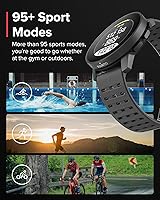
  • Sport Modes: 97 sport modes are built in, covering disciplines from trail running and open-water swimming to skiing, cycling, and strength training.
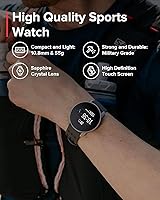
  • Case Materials: The case is constructed from titanium and stainless steel, giving it a high strength-to-weight ratio while maintaining a low-profile wrist presence.
  • Lens: The watch crystal is scratch-resistant sapphire glass, which is significantly harder than mineral glass and resists surface scratches under normal and demanding use.
  • Water Resistance: Rated to 100 meters of water resistance, making it suitable for swimming, surfing, and snorkeling, though not intended for deep-water diving.
  • Weight: The watch weighs approximately 2.25 oz (around 64g), placing it among the lighter options in the premium endurance GPS watch category.
  • Dimensions: The case measures 1.69 x 1.69 x 0.43 inches, giving it a slim profile that wears comfortably under a jacket sleeve or wetsuit.
  • Heart Rate: Continuous wrist-based heart rate monitoring is handled by an optical sensor on the underside of the case, with data feeding into training load and recovery calculations.
  • Connectivity: Bluetooth is the primary wireless protocol, used for syncing with the Suunto app, connecting to earbuds, and controlling phone-based music playback.
  • Navigation: The watch supports turn-by-turn navigation, breadcrumb trail tracking, weather alerts, and avalanche maps for backcountry and mountain use cases.
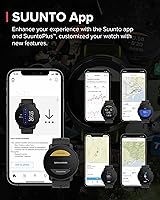
  • App Compatibility: The Suunto app connects natively to Strava, TrainingPeaks, and over 200 additional fitness platforms via open API integrations.
  • Durability Standard: The watch meets military-grade durability specifications, covering resistance to shock, extreme temperatures, and other environmental stressors beyond typical consumer testing.
  • Manufacturing: Each unit is handcrafted in Finland using 100% renewable energy, maintaining a production standard consistent with Suunto's heritage since 1936.
  • Operating System: The companion Suunto app is compatible with Android and iOS devices, enabling structured workout creation, goal tracking, and performance analysis.
  • Health Tracking: Beyond heart rate, the watch continuously monitors sleep quality, recovery status, and training load to inform daily readiness assessments.
  • Music Control: Onboard music controls allow the wearer to manage playback on a paired smartphone and connected Bluetooth earbuds directly from the watch face.

Related Reviews
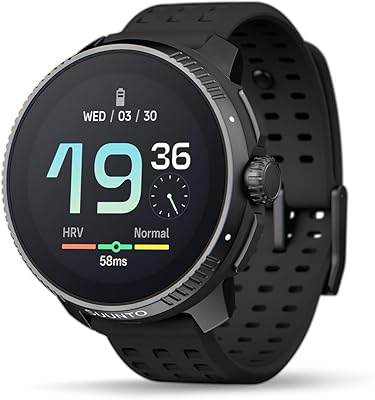
Suunto Race GPS Sports Watch
80%
93%
Display Quality
91%
GPS Accuracy
74%
Battery Life
89%
Navigation & Maps
67%
Touchscreen Usability
More
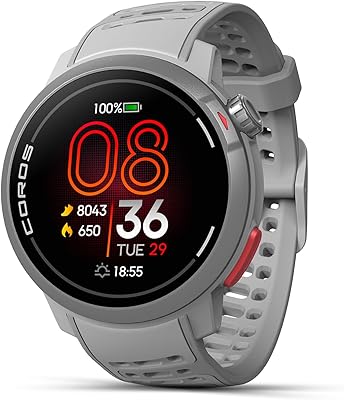
COROS PACE Pro GPS Sport Watch
84%
93%
GPS Accuracy
88%
Battery Life
91%
Display Quality
84%
GPS Tracking Software
89%
Training Metrics
More
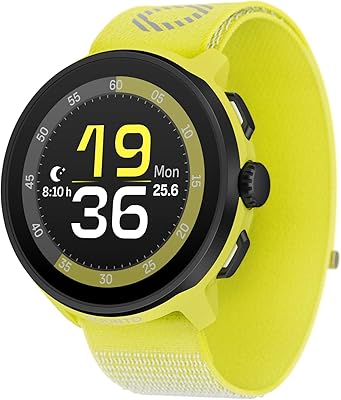
Suunto 9 Baro Multisport GPS Watch
74%
93%
Battery Life
81%
GPS Accuracy
61%
Heart Rate Accuracy
89%
Build Quality
91%
Water Resistance
More
Suunto Run GPS Running Watch
78%
88%
GPS Accuracy
81%
Battery Life
91%
Comfort & Wearability
86%
Display Quality
83%
Offline Music
More
COROS PACE 3 GPS Sport Watch
79%
91%
GPS Accuracy
94%
Battery Life
93%
Comfort & Wearability
83%
Build Quality
88%
Training Features
More
SUUNTO Vertical Solar GPS Adventure Watch
79%
93%
Battery Life & Solar Efficiency
91%
GPS Accuracy & Signal Acquisition
88%
Offline Maps & Navigation
89%
Build Quality & Durability
67%
Comfort & Wearability
More
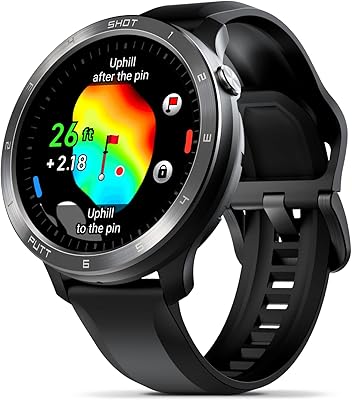
Voice Caddie T11 Pro GPS Golf Watch
82%
93%
Display Quality
78%
GPS Accuracy
88%
Green Undulation & Slope
91%
Course Library
86%
Value for Money
More
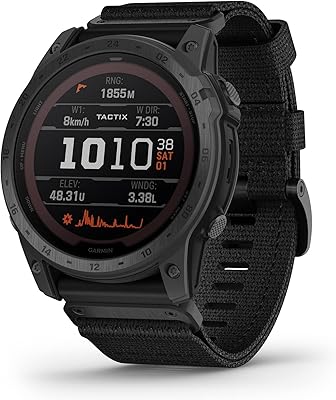
Garmin tactix 7 Pro Ballistics GPS Watch
78%
94%
Build Quality
91%
GPS Accuracy
82%
Battery Life & Solar Performance
89%
Tactical Feature Set
86%
Applied Ballistics Calculator
More
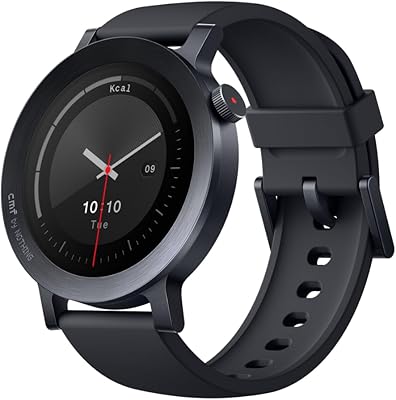
CMF by Nothing Watch 3 Pro Smartwatch
79%
88%
Display Quality
76%
GPS Accuracy
71%
Battery Life
82%
Health Tracking
84%
Build Quality
More
Spodus G50002 Kids GPS Tracker Smart Watch
69%
78%
GPS Accuracy
54%
Battery Life
82%
SOS Reliability
61%
App Experience
76%
Value for Money
More

FAQ

The Peak Pro uses four satellite systems simultaneously — GPS, GLONASS, GALILEO, and QZSS — which gives it a meaningful edge in challenging environments. In practice, users report solid track accuracy in heavily forested trails and steep canyon terrain, though no wrist-based GPS is perfectly immune to deep canopy interference. It performs noticeably better than watches relying on GPS alone.

The honest answer is that the numbers are real but mode-dependent. The 300-hour figure applies to tour mode, where GPS pings are less frequent — suitable for long hikes where constant second-by-second tracking is not critical. For trail racing with full GPS precision, you are looking at 40 hours, which still covers almost any endurance event. Most users report the estimates are accurate within a reasonable margin.

Yes. The 100-meter water resistance rating means it handles pool swimming, open-water swims, and triathlon events without issue. There is a dedicated open-water swimming sport mode included, and the optical heart rate sensor continues to function during aquatic activities, though accuracy underwater is limited by physics rather than the watch itself.

This is probably the most honest trade-off to flag. The Suunto app handles the fundamentals well — workout history, sleep tracking, recovery scores, and route logging are all there. But if you want deep training load analysis, VO2 max trending, or granular performance condition metrics the way Garmin Connect delivers them, the Suunto app currently falls short. The workaround most athletes use is auto-syncing to Strava or TrainingPeaks, which covers the analytical gap effectively.

No, it does not. The watch can control music playback on your paired phone and manage Bluetooth earbuds, but there is no internal storage for music files. If you want to run without your phone and still have audio, this particular watch is not the right fit — you would need to look at watches with onboard streaming or storage, like certain Garmin models.

The transflective display actually handles direct sunlight quite well — it uses ambient light to its advantage rather than fighting it, so outdoor readability is genuinely good. Where it noticeably trails AMOLED screens is in low-light and indoor conditions, where the contrast and color richness are significantly more muted. If you primarily train outdoors, this is a minor issue; if you compare it side-by-side with a Suunto Race or a Garmin AMOLED model indoors, the difference is visible.

Yes, through the Suunto app you can build structured workouts with specific intervals, targets, and rest periods, then push them to the watch for real-time guidance during your session. It also connects with TrainingPeaks, so if your coach writes your plan there, it can flow directly to the watch without manual entry. It is not as feature-rich as Garmin's training tools, but it covers what most athletes actually need.

At roughly 64 grams with a slim case profile, the Peak Pro is among the more wearable options in its class. Most users who track sleep report forgetting they have it on. The titanium case and strap sit close to the wrist without the bulk you find on some rival endurance watches. That said, comfort is personal — if you are sensitive to any wrist weight during sleep, it is worth trying before committing.

It is genuinely useful, not just a spec-sheet talking point. Plugging in for 10 minutes before a long run and gaining two hours of GPS time is practical if you have a habit of forgetting to charge overnight. The magnetic connector is straightforward to attach. A full charge takes about an hour, which is reasonable for a watch at this battery capacity.

Yes, the Suunto app is available on both Android and iOS, and the Bluetooth pairing process is consistent across platforms. The core features — workout sync, route transfer, recovery tracking, and app integrations — function the same regardless of which phone ecosystem you use. There are no meaningful platform-specific limitations to be aware of.

Where to Buy