Overview

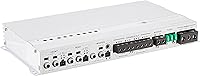
The Soundstream MR5.2000D 5-Channel Marine Amplifier is a compact, capable unit aimed squarely at boaters who want to run a complete audio system without stacking multiple amps. That 5-channel layout is the real selling point — four channels for your speakers, one dedicated sub channel, all from a single footprint that measures roughly 16.5 inches long and weighs just 6 pounds. Class D operation keeps heat generation in check, which matters a lot when mounting in a confined compartment under the summer sun. This is a mid-range marine amp, not a boutique audiophile piece, so calibrate expectations accordingly. For recreational boaters, though, it punches well above its weight class.
Features & Benefits

When it comes to raw power, the 2000W figure on the box is a peak rating — real-world RMS output is more modest, as with any amp in this class. That said, Class D efficiency means the Rubicon Nano runs noticeably cooler than older Class A/B designs, an important consideration if your install spot gets baked in afternoon heat. The hybrid aluminum alloy heatsink handles thermal dissipation quietly and effectively. A 12dB bass boost compensates for the wind and engine noise that swallows low-end frequencies on the water, and flexible 2-ohm stereo and 4-ohm bridged operation lets you adapt to a range of speaker loads. The MOSFET power supply adds signal stability that translates to cleaner audio at higher volumes.

Best For

This 5-channel amplifier is an ideal fit for the boater who wants to simplify their audio build — one amp, one wiring run, full coverage from bow speakers to a stern subwoofer. It shines in space-limited installs where you simply cannot fit two or three separate units. Freshwater lake boaters will likely get years of reliable use with minimal fuss. For those running in coastal saltwater, it is worth keeping an eye on connectors and terminals over time, since prolonged salt exposure is where marine-rated builds get genuinely tested. Budget-conscious upgraders stepping up from stock radio output will notice a meaningful jump in volume and clarity without needing to spend at a pro-audio price point.

User Feedback

Across roughly 99 ratings, the Rubicon Nano holds a solid 4.2-star average, and the tone of feedback skews genuinely positive. Compact installation and the convenience of consolidating all channels into one unit are the most consistent points of praise. Where buyers push back, it tends to center on two things: the wiring documentation can be unclear for first-timers, and a handful of buyers felt real-world output fell short of the peak figures advertised. Experienced installers generally report a smoother setup process. Long-term reliability feedback is thinner — most reviews reflect early impressions rather than full seasons of use — so how it holds up under prolonged saltwater exposure remains an open question worth tracking.

Pros

  • Runs all five channels from a single amp, dramatically simplifying boat audio wiring.
  • Class D design generates less heat than older amp types, a real advantage in tight or sun-exposed installs.
  • At roughly 6 pounds and under 17 inches long, the Rubicon Nano fits where larger amps simply cannot.
  • The 12dB bass boost meaningfully compensates for wind and engine noise that kills low-end outdoors.
  • Flexible impedance options let you match a wider range of speaker configurations without extra hardware.
  • Buyers consistently report a clear, audible improvement over factory head unit output after install.
  • Mid-range pricing makes it accessible for boaters who want a real upgrade without a premium spend.
  • The MOSFET power supply contributes to cleaner signal delivery at higher volumes.
  • Marine-rated construction handles the humidity and splash exposure typical of recreational boating.

Cons

  • Peak wattage marketing overstates real-world continuous output, which can mislead buyers during comparison shopping.
  • Included wiring documentation has frustrated multiple buyers, especially those installing for the first time.
  • No wireless remote included, so adjusting settings requires physical access to the amp after install.
  • Long-term saltwater durability is not yet well-established given the limited volume of seasoned user reviews.
  • The rating pool of roughly 99 reviews is relatively small, making reliability trends harder to assess confidently.
  • Does not suit buyers who need fine-grained tuning controls or advanced signal processing features.
  • Some users report that real-world power output falls noticeably short of the advertised peak figures.
  • Coastal and offshore boaters may need to inspect terminals and connectors more frequently than expected.

Ratings

The scores below reflect AI-driven analysis of verified buyer reviews for the Soundstream MR5.2000D 5-Channel Marine Amplifier, with spam, bot-generated, and incentivized feedback actively filtered out before scoring. Each category is evaluated on real-world performance patterns reported by actual users across freshwater and coastal boating contexts. Both standout strengths and genuine frustrations are weighted transparently so you get an honest picture before committing to a purchase.

Value for Money
78%
22%
Most buyers feel the Rubicon Nano delivers solid bang for the buck at its mid-range price point, especially when compared to running two separate amps to achieve the same channel count. For recreational boaters upgrading from a factory system, the perceived value jump in audio quality is real and meaningful.
A subset of buyers feels the value proposition weakens once they factor in the gap between peak-rated and actual continuous output. If you do the math on a per-watt RMS basis, the pricing looks less competitive against some rivals that are more transparent about their true power figures.
Power Output
67%
33%
For casual boating at moderate volume levels, the amp delivers noticeably more drive than a head unit alone, and most users report satisfying loudness across all five channels simultaneously. The Class D design means it achieves that output without drawing excessive current from the vessel's electrical system.
The 2000W figure is a peak marketing number, and several buyers have called this out explicitly after expecting more headroom at high volumes. Real-world continuous output falls well short of that ceiling, which is a recurring disappointment for buyers who built speaker systems around the advertised spec.
Build Quality
74%
26%
The hybrid aluminum alloy chassis feels solid and purposeful, and the overall fit and finish is well above what you typically find at lower price points in the marine amp category. The white finish holds up well to UV exposure based on early feedback from buyers using it in open-cockpit boats.
There is limited long-term user data on how the unit holds up after two or more full boating seasons, particularly in saltwater environments. A few buyers have flagged that terminal connections showed early signs of oxidation without proactive corrosion treatment, suggesting the marine protection has its limits.
Thermal Management
82%
18%
Class D efficiency gives this 5-channel amplifier a clear edge over older amp designs when it comes to heat, and most users report the unit running comfortably warm rather than hot even during extended listening sessions. The aluminum heatsink does its job quietly and effectively in well-ventilated installs.
In fully enclosed, unventilated compartments on hot summer days, some users report the amp cycling into thermal protection mode. This is not unusual behavior for any amp in a sealed space, but it is worth factoring into your mounting location decision before install.
Ease of Installation
63%
37%
Experienced installers consistently report a clean, uncomplicated wiring experience — the terminal layout is logical, and the physical size makes positioning straightforward even in tight bilge spaces. The single-amp approach itself reduces overall install complexity compared to multi-amp setups.
The included wiring diagram has drawn consistent criticism from buyers without prior install experience, with several describing it as confusing or incomplete. First-timers have needed to seek outside resources or technical support to complete the job confidently, which adds friction to what should be a more guided process.
Audio Clarity
71%
29%
At moderate listening levels, the Rubicon Nano produces clean, well-defined audio across all channels, and the MOSFET power supply contributes to a noticeably stable signal floor with minimal background hiss. Buyers upgrading from budget amps or head unit output report a clear improvement in overall sound quality.
At higher volumes, some buyers detect a softening in detail and a slight loss of separation between channels, which is common at this price tier but still notable. Dedicated audiophiles or buyers expecting studio-grade clarity will find the upper end of the volume range less refined than they might hope.
Bass Performance
79%
21%
The onboard 12dB bass boost is genuinely useful in open-water settings where wind and engine noise suppress low frequencies, and most users find it adds welcome body to the sub output without sounding artificial at moderate boost levels. Having it built in saves the need for a separate equalizer in most recreational setups.
Pushed to its upper range, the bass boost can drive lower-rated subwoofers into distortion, and a handful of buyers have noted the circuit lacks the fine-grained control of a separate processor. It is a useful tool, but it rewards careful calibration rather than a set-and-forget approach.
Compact Footprint
88%
At just 6 pounds and under 17 inches in length, this marine amp fits mounting locations that would reject nearly any competing 5-channel unit, and buyers frequently praise it for making installs possible that they thought would require a larger vessel. The slim profile also makes it easier to achieve clean cable management.
The compact design does mean some of the terminal blocks and adjustment points are positioned closely together, which can make fine adjustments with larger hands slightly awkward. A few buyers note they wished for a bit more spacing between gain controls when dialing in multiple channels post-install.
Marine Durability
68%
32%
The marine-rated designation gives the amp a meaningful edge over car audio equivalents installed in boats, and freshwater users in particular report solid performance with no visible degradation after a full season of use. The white finish also appears to resist discoloration from UV exposure better than darker alternatives.
Saltwater durability is the open question here — the review pool does not yet contain enough long-term coastal users to draw firm conclusions. Buyers in higher-salinity environments should treat this as a capable but unproven performer, and apply corrosion protection to connectors proactively rather than reactively.
Channel Versatility
83%
The ability to run 2-ohm stereo or 4-ohm bridged across channels gives installers meaningful flexibility to adapt the amp to a variety of speaker combinations without additional hardware. This makes it easier to build a system around speakers you already own rather than specifying new components to match a fixed impedance requirement.
Five channels is ideal for the most common boat audio layout, but it leaves no spare capacity if you want to expand the system later — adding a second subwoofer or a dedicated amplifier zone for a tower speaker setup would require an additional amp entirely.
Spec Transparency
54%
46%
The unit does disclose its key electrical characteristics — impedance options, bass boost range, and amplifier class — which is more than some competitors provide, and experienced buyers can work with those figures to plan a system build with reasonable accuracy.
The absence of clearly published RMS per-channel figures is a real weakness, and it is the single most common source of buyer frustration in the review pool. Leaning on a 2000W peak figure without a corresponding RMS disclosure creates expectations that the real-world listening experience does not always meet.
Remote Control
41%
59%
The amplifier performs its core functions reliably without requiring any remote accessory, and for fixed installs where the amp is accessible from the helm or seating area, the lack of a remote is not a dealbreaker for many buyers.
The complete absence of a remote bass knob or level control is a meaningful inconvenience for any install where the amp is mounted out of easy reach, which is common on larger vessels. Competitors at similar price points often include a wired remote as standard, making this omission feel like a cost-cutting move that affects everyday usability.
Long-Term Reliability
66%
34%
The product has been on the market since early 2016, and the absence of widespread failure reports across nearly a decade of availability is a reasonable indicator of baseline durability. Buyers who report multi-season use in freshwater environments are generally satisfied with how the unit has held up.
The review pool of roughly 99 ratings is modest for a product with this much time on the market, making statistical confidence in reliability conclusions limited. Without a larger sample of buyers reporting on years-long ownership, durability patterns — particularly in demanding saltwater use — remain difficult to assess definitively.

Suitable for:

The Soundstream MR5.2000D 5-Channel Marine Amplifier is a strong match for recreational boaters who want to power a complete audio system — four speakers plus a subwoofer — without dealing with multiple amps, tangled wiring runs, or cramped installs. If you are upgrading from a stock head unit or a single underpowered amp and want a noticeable improvement in volume and clarity on the water, this unit delivers that jump without requiring a professional-grade budget. It works particularly well in space-constrained mounting locations, like under a seat or in a shallow compartment, where its compact 6-pound footprint is a genuine advantage. Freshwater boaters on lakes and rivers will get the most reliable long-term experience here, though coastal boaters in moderate saltwater conditions should find it serviceable with reasonable maintenance attention. Buyers who prioritize simplicity of installation and a single-box solution over absolute audio perfection will feel right at home with this marine amp.

Not suitable for:

The Soundstream MR5.2000D 5-Channel Marine Amplifier is not the right call for serious audiophiles or boaters who demand measurably accurate, high-fidelity sound reproduction at elevated listening levels. The 2000W figure on the spec sheet is a peak rating, and buyers who expect that number to reflect continuous RMS output will likely be disappointed when they benchmark it against the actual listening experience. Those planning complex, multi-amp setups with precise signal routing and tuning capabilities will outgrow what this unit offers fairly quickly. If you run your vessel in harsh offshore saltwater conditions year-round, the long-term corrosion resistance of this 5-channel amplifier is not well-documented enough to inspire full confidence without regular inspection. First-time DIY installers who rely heavily on included documentation should also be aware that the wiring instructions have frustrated some buyers, and may need to supplement with third-party resources or professional help.

Specifications

  • Model Number: The unit is identified by model number MR5.2000D within Soundstream's Rubicon Nano marine lineup.
  • Total Power: Rated at 2000W peak total output across all five channels combined.
  • Amplifier Class: Class D topology is used throughout, prioritizing power efficiency and reduced heat output compared to Class A/B designs.
  • Channels: Five independent channels allow simultaneous power delivery to four full-range speakers and one subwoofer.
  • Impedance: Supports 2-ohm stereo operation and 4-ohm bridged operation, offering flexibility across different speaker load configurations.
  • Bass Boost: An onboard 12dB bass boost circuit enhances low-frequency output to compensate for open-air and high-noise listening environments.
  • Power Supply: Uses a MOSFET-based power supply incorporating audiophile-grade IRTM transistors for stable, clean signal delivery under load.
  • Heatsink: The chassis features a hybrid aluminum alloy heatsink designed to actively dissipate heat in confined or sun-exposed mounting locations.
  • Dimensions: Physical dimensions measure 16.5 x 9.75 x 3.75 inches, making it one of the more compact options in the 5-channel marine amp category.
  • Weight: The unit weighs 6 pounds, light enough for single-person installation in most mounting positions.
  • Marine Rating: Built with marine-grade construction to withstand humidity, splash exposure, and the general corrosive conditions found in boating environments.
  • Color: Available in white, a finish commonly preferred for marine electronics to reflect heat and blend with typical boat interior aesthetics.
  • Wireless Remote: No wireless remote control is included; all gain and boost adjustments must be made directly at the amplifier unit.
  • Customer Rating: Holds an average rating of 4.2 out of 5 stars based on 99 ratings on Amazon at the time of this review.
  • Availability: The product has not been discontinued by the manufacturer and remains an active part of the Soundstream marine amplifier lineup.
  • First Available: This model was first made available for purchase in January 2016, giving it a multi-year track record in the market.

Related Reviews
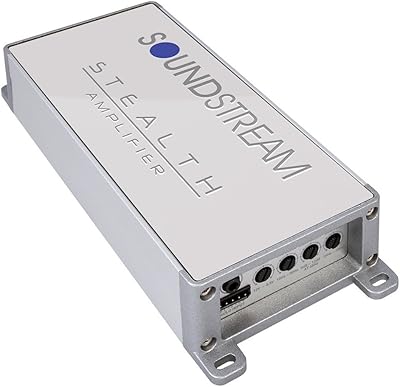
Soundstream T5.2500DL 5-Channel Amplifier
82%
91%
Power Output
88%
Speaker Compatibility
85%
Build Quality
62%
Thermal Performance
90%
Audio Clarity
More
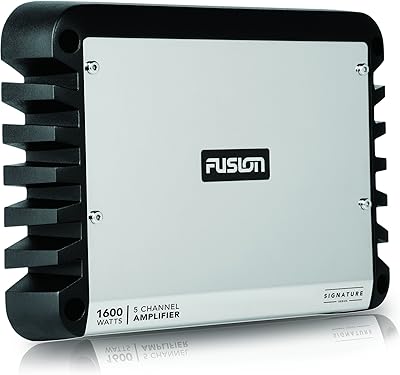
Soundstream SM4.1000D 4-Channel Marine Amplifier
87%
93%
Power Output
88%
Sound Quality
90%
Build Quality
91%
Weather Resistance
87%
Ease of Installation
More
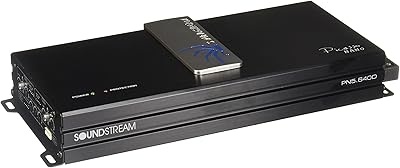
Fusion Signature Series 5-Channel Marine Amplifier
82%
93%
Power Output
88%
Build Quality
67%
Thermal Management
91%
Ecosystem Compatibility
62%
Installation Experience
More
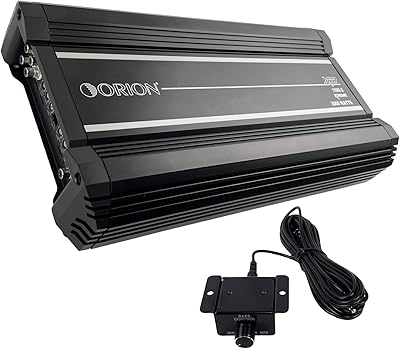
Soundstream PN5.640D 5-Channel Car Amplifier
75%
88%
Ease of Installation
91%
Compact Form Factor
61%
Thermal Management
67%
Power Output Accuracy
74%
Sound Quality
More
Orion XTR1500.5 5-Channel Car Amplifier
80%
88%
Sound Quality
91%
Bass Performance
86%
Build Quality
84%
Thermal Management
79%
Power Output Accuracy
More
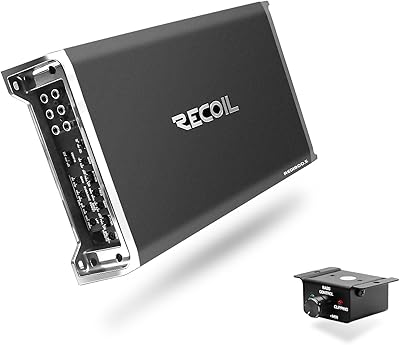
Recoil RED1800.5 5-Channel Car Amplifier
77%
91%
Value for Money
88%
Mono Channel Power
86%
Installation Experience
63%
Gain Calibration Ease
74%
Full-Range Channel Performance
More
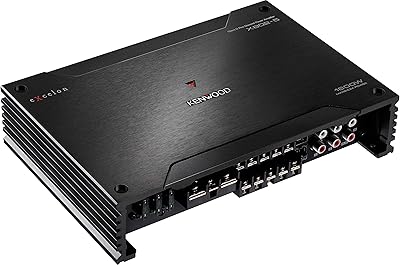
Kenwood X802-5 eXcelon 5 Channel Car Audio Amplifier
88%
92%
Sound Quality
85%
Installation Ease
88%
Build Quality
90%
Performance at High Volume
87%
Bass Enhancement
More
Stinger MT-1000.5 5-Channel Car Amplifier
75%
81%
Value for Money
84%
Ease of Installation
58%
Real-World Power Output
63%
Thermal Management
88%
Built-in Crossover Filters
More
Pyle PLMRMP4A 4-Channel Marine Amplifier
64%
61%
Value for Money
53%
Build Quality
67%
Waterproofing
58%
Power Output
79%
Ease of Installation
More
Rockville DBM65 6-Channel Marine Amplifier
73%
88%
Value for Money
83%
Power Output
71%
Waterproofing & Weather Resistance
91%
Channel Flexibility
67%
Build Quality
More

FAQ

Yes, that is exactly what the 5-channel layout is designed for. Four channels handle your full-range speakers, and the fifth channel is dedicated to driving a subwoofer. It is a practical, all-in-one approach that keeps wiring simple and saves space compared to running two separate amps.

This is an important distinction. The 2000W figure is a peak rating, which represents a momentary maximum rather than sustained output. The actual RMS power — what you hear continuously at normal listening levels — will be significantly lower. For a realistic estimate, check Soundstream's official spec sheet for per-channel RMS figures, and compare those against your speaker's power handling ratings before buying.

For someone who has installed a car or marine amp before, the process is fairly straightforward. The main frustration reported by some buyers is that the included wiring diagram is not the clearest, so first-timers may need to supplement with online resources or a Soundstream support call. If you are completely new to amp installs, budgeting for a few hours and having a multimeter handy is a good idea.

It carries a marine-rated build, so it can handle the humidity and occasional splash that comes with everyday boating. That said, prolonged offshore saltwater exposure is tougher to predict without long-term user data. If you boat in saltwater regularly, inspect the terminals and connectors at the start and end of each season, and apply a corrosion inhibitor to connection points as a precaution.

Less so than you might expect. Class D amplifiers are notably more efficient than older Class A/B designs, meaning less energy is wasted as heat. The hybrid aluminum alloy heatsink helps manage what heat is generated. That said, if you mount it in a sealed, unventilated compartment, any amp will struggle — try to ensure at least some airflow around the unit.

Soundstream's documentation should specify exact fuse and wire requirements for this model, and following those figures is important for both safety and performance. As a general guideline for a 2000W peak amp, a 4-gauge power wire and an appropriately rated inline fuse near the battery are typical starting points, but always verify against the manufacturer specs for this specific unit before wiring.

Yes, the 5-channel amplifier supports 4-ohm bridged operation, which allows you to combine channels for increased output to a single speaker or subwoofer. Just make sure your subwoofer's impedance matches the bridged configuration requirements to avoid overloading the amp or damaging your speaker.

It genuinely does. Open-air listening on a boat is acoustically challenging — wind, engine noise, and water all eat into low-frequency response. The 12dB bass boost circuit helps restore that low-end punch that gets lost outdoors. Use it gradually though; cranking it all the way up with underpowered speakers can push them into distortion.

No wireless or wired remote control is included in the box. If remote bass adjustment is important to you while operating the boat, you would need to check whether a compatible optional remote is available separately from Soundstream, or factor in that you will need to reach the amp directly to make changes.

The Rubicon Nano sits in a comfortable mid-range position — you are getting notably better build quality and feature depth than the lowest-priced marine amps, without paying a premium for brands that cater primarily to competition-grade installs. The Class D efficiency and 5-channel versatility are the two areas where it most clearly earns its price step up over budget alternatives.