Overview

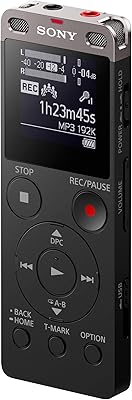
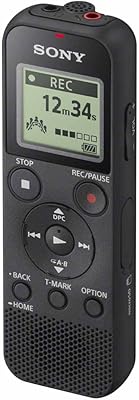
The Sony ICD-PX240 4GB has been around since 2014, and it still holds its own as a no-fuss voice recorder for anyone who needs dependable audio capture without overthinking it. Sony built this around everyday practicality — 4GB of storage is baked right in, so there's no scrambling for a memory card before a lecture or interview. At under 2.5 ounces, it slips into a shirt pocket without a second thought. Plug it into a PC via USB when you're done, and your files transfer directly. Battery included, ready out of the box. For a trusted brand at a mid-range price, that's a solid starting position.

Features & Benefits

The built-in microphone does exactly what most people need — capture voices clearly in a quiet room or a moderately busy meeting space. Recordings save as MP3, so you can drop files straight into transcription software or any standard media player without conversion headaches. The 2.4-inch LCD screen keeps navigation simple; even first-time users won't be hunting through confusing menus. Playback through the 3.5mm headphone jack is clean and immediate, which is handy when you need to review a specific moment quickly. The rechargeable lithium polymer battery holds up well across long sessions, removing the ongoing cost of disposable batteries.

Best For

This Sony recorder is a natural fit for students who want something dedicated to capturing lectures — no dead phone battery mid-class, no accidental notifications interrupting audio. Journalists and interviewers will appreciate how discreet and lightweight it is; it doesn't draw attention the way a bulkier device might. Office professionals who dictate notes or document meetings will find the straightforward controls a genuine time-saver. It's also a sensible step up for anyone relying on a smartphone but wanting cleaner, more reliable recordings without worrying about storage space or call interruptions. Simple to operate, easy to carry.

User Feedback

Buyers consistently point to audio clarity and ease of use as the strongest selling points — most people are recording within minutes of unboxing. The USB file transfer draws praise for its simplicity. Where criticism appears, it centers on the absence of advanced features: no Wi-Fi, no automatic transcription, and file management on the device itself is fairly basic. Some users find the built-in speaker underwhelming in noisy environments. On balance, most reviewers feel the value is fair for what it offers — a straightforward, reliable recorder that doesn't pretend to be more than it is.

Pros

  • Pocket-sized and light enough to carry all day without noticing it
  • 4GB of built-in storage removes the need to buy or manage memory cards
  • Records clean, intelligible voice audio in typical indoor environments
  • MP3 format works with virtually every transcription tool and media player
  • Rechargeable battery is included and lasts through full-day use
  • USB connection is plug-and-play on most Windows PCs — no drivers needed
  • Physical controls are intuitive enough that most users are recording within minutes
  • The 2.4-inch LCD makes navigation clear even for first-time recorder owners
  • Discreet design does not draw attention during interviews or formal meetings

Cons

  • Background noise bleeds in noticeably in busy or open-plan environments
  • On-device file organization is too basic for anyone managing large recording archives
  • No option to record in higher-quality formats beyond MP3
  • The built-in speaker is too quiet and thin for group playback situations
  • Mac compatibility issues have caused connection problems for a portion of users
  • No battery percentage readout — the basic indicator can leave you caught off guard
  • File renaming and sorting must be done on a PC, adding friction to the workflow
  • Handling noise and desk vibrations are picked up by the mic when the recorder is set on a surface
  • No Wi-Fi, cloud sync, or app connectivity of any kind

Ratings

The Sony ICD-PX240 4GB earned its reputation as a reliable entry point into dedicated voice recording, and our AI-driven scoring reflects what thousands of verified global buyers actually experienced — with spam, bot-generated, and incentivized reviews actively filtered out before analysis. Scores cover everything from audio performance and portability to software compatibility and long-term durability, giving you a transparent picture of where this Sony recorder genuinely excels and where it falls short.

Audio Clarity
83%
For voice-focused recording — lectures, one-on-one interviews, meeting minutes — users consistently report clean, intelligible playback. The built-in microphone handles typical indoor environments well, and most reviewers found transcription from recordings straightforward without needing to replay sections repeatedly.
In noisier environments like cafeterias or open-plan offices, background noise bleeds in noticeably. The single built-in mic lacks directional control, so positioning the recorder matters more than users initially expect.
Ease of Use
91%
Setup takes minutes. Users praise the physical button layout for being intuitive enough that they rarely need the manual — press record, press stop, done. The 2.4-inch LCD keeps key info visible without squinting, even for first-time recorder owners.
The menu system, while functional, feels dated compared to app-driven alternatives. A handful of users noted that accessing less common settings like recording quality modes requires more button presses than it should.
Portability & Form Factor
94%
At under 2.5 ounces and roughly the size of a chunky pen, this voice recorder disappears into a coat pocket or bag with ease. Students and journalists repeatedly highlight how unobtrusive it is during lectures and interviews — it just sits there and does its job.
The slim profile, while great for carrying, can make it slightly fiddly to hold steady one-handed during longer recording sessions. A clip or lanyard attachment point would have made it even more practical in the field.
Battery Performance
78%
22%
The included rechargeable lithium polymer battery lasts through several hours of active recording on a single charge, which covers most full-day lecture schedules or a day of back-to-back interviews without reaching for a cable.
Heavy users — those recording four or more hours daily — report needing to charge every evening. There is no battery percentage indicator, just a basic level icon, which catches some users off guard when it drains faster than expected.
Storage & File Management
67%
33%
Four gigabytes of built-in storage is genuinely generous for voice recordings, accommodating hundreds of hours of audio without worrying about running out mid-session. No memory card required is a practical convenience most buyers appreciate immediately.
On-device file organization is minimal — folders are limited and renaming files requires a PC. Users who record frequently find the basic folder structure frustrating when trying to locate a specific recording from weeks prior.
USB Transfer & PC Compatibility
81%
19%
Connecting to a PC via USB is plug-and-play on Windows without driver installation in most cases. Files appear as a standard storage device, making drag-and-drop transfers quick and familiar for most users.
Mac compatibility has caused friction for a subset of users, with some reporting formatting issues or unrecognized connections depending on OS version. There is no dedicated desktop software included, which limits batch organization options.
Build Quality & Durability
76%
24%
The hard plastic shell feels solid for its weight class, and the button resistance is firm enough that accidental recordings are rare. Users who have carried it daily for a year or more generally report no significant wear beyond minor scuffing.
It does not feel premium — the plastic finish picks up fingerprints and light scratches quickly. A few long-term users mention the USB port cover becoming loose over time with frequent cable connections.
Microphone Sensitivity
71%
29%
The built-in mic is sensitive enough to capture a speaker from across a standard classroom or conference table, which suits most everyday recording needs without any accessories required.
Sensitivity cuts both ways — in quiet rooms it picks up handling noise and desk vibrations noticeably. Users placing the recorder directly on a table during meetings sometimes end up with distracting low-frequency rumble in their recordings.
Playback Experience
74%
26%
The 3.5mm headphone jack delivers clean audio for review sessions, and the variable playback speed feature — available on the device — is something transcriptionists and students genuinely use to slow down fast speakers.
The built-in speaker is small and tinny, making it impractical for sharing playback in a group setting. Volume at maximum is adequate for personal listening in a quiet room but falls short in any ambient noise situation.
Value for Money
79%
21%
For buyers who want a dedicated recorder from a recognizable brand without paying for features they will never use, the ICD-PX240 hits a reasonable balance. The battery-included, storage-included, ready-to-go package removes any hidden first-use costs.
At its current price point, some buyers feel newer competing models offer similar or better specs. The lack of meaningful software updates or ecosystem features makes it harder to justify over a slightly pricier model with Wi-Fi or auto-upload capability.
Recording Format Compatibility
86%
MP3 output is universally supported — every transcription service, media player, and editing app handles it without conversion. This removes a real friction point that proprietary formats on older recorders used to create.
There is no option to record in higher-quality formats like WAV or FLAC for users who need broadcast-grade audio. For voice use this rarely matters, but musicians or podcasters testing it for rough demos will find MP3-only limiting.
Setup & Out-of-Box Experience
89%
Everything needed is in the box — recorder, charged battery, and a USB cable. Users report being up and recording within five minutes of opening the package, which earns consistent praise in reviews from less tech-savvy buyers.
The included quick-start guide is thin, and users who want to explore advanced settings like scene modes or mic sensitivity adjustments are left searching online. A more complete printed guide would reduce early frustration.
Discreetness During Use
88%
The compact grey-black design does not draw attention in professional settings. Journalists and legal professionals note that it sits naturally on a table without looking conspicuous, which matters in sensitive interview contexts.
The recording indicator light, while subtle, is visible in dim settings and can make subjects aware that recording is active. Users in formal interview contexts occasionally mention having to explain or reposition the device as a result.

Suitable for:

The Sony ICD-PX240 4GB is a strong match for anyone who needs a dedicated, no-frills audio capture device they can trust in everyday professional or academic settings. Students who sit through long lectures will appreciate having a separate recorder that won't run out of battery because they were also streaming music or checking messages. Journalists and reporters who conduct interviews in relatively controlled environments — offices, cafes, press briefings — will find the built-in mic more than adequate, and the slim profile means it sits on a table without looking intrusive. Office workers who need to document meetings or dictate notes between tasks will get real mileage out of the simple controls and instant USB file transfer. It's also a sensible first step for anyone who has been relying on a smartphone and wants cleaner, more reliable recordings without the distractions or storage conflicts a phone brings.

Not suitable for:

Buyers expecting broadcast-quality audio or advanced recording features should look elsewhere — the Sony ICD-PX240 4GB is a voice recorder in the most literal sense, and it makes no apologies for that. Content creators, podcasters, or field recordists who need WAV or lossless formats will hit a hard wall with MP3-only output. Anyone who records in loud or acoustically challenging environments will struggle with background noise bleed, since there is no directional mic control or noise-isolation mode to compensate. Power users who generate large volumes of recordings and need robust on-device file organization will find the folder system frustratingly basic — sorting and renaming really has to happen on a PC. If seamless wireless sync or cloud upload is part of your workflow, this recorder simply does not offer it, and no firmware update will change that.

Specifications

  • Brand & Model: Manufactured by Sony under the model designation ICD-PX240.
  • Storage: 4GB of built-in flash memory is included with no memory card slot required.
  • Recording Format: Audio is recorded and stored in MP3 format for broad compatibility with media players and transcription software.
  • Microphone: A built-in omnidirectional microphone is integrated directly into the body of the device.
  • Output Power: The built-in speaker delivers up to 300 mW of audio output for personal playback.
  • Headphone Jack: A standard 3.5mm headphone jack supports wired earphones or headphones for private listening.
  • Display: A 2.4-inch LCD screen shows recording status, file information, and menu navigation.
  • Connectivity: USB interface enables direct connection to a PC for file transfer without additional cables or drivers on most Windows systems.
  • Battery: One lithium polymer rechargeable battery is included and charges via the USB connection.
  • Weight: The device weighs 2.5 ounces, making it light enough to carry in a shirt pocket without discomfort.
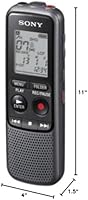
  • Dimensions: Physical dimensions measure 4.53 x 0.84 x 1.52 inches, giving it a slim, pen-like profile.
  • Color: Available in a Black and Grey finish that keeps the device unobtrusive in professional settings.
  • PC Compatibility: Designed for use with personal computers, primarily supporting Windows operating systems for file management.
  • Date Available: The ICD-PX240 was first made available for purchase in March 2014 and remains in active production.
  • Number of Items: Each purchase includes one recorder unit with battery and USB connection capability included in the box.

Related Reviews
Sony ICD-PX440 Digital Voice Recorder 4GB
87%
89%
Sound Quality
91%
Portability
87%
Battery Life
94%
Ease of Use
85%
Recording Time
More
Sony ICD-BX140 4GB Digital Voice Recorder
80%
93%
Ease of Use
86%
Audio Clarity for Speech
67%
Microphone Quality
91%
Battery Life
62%
Build Quality & Durability
More
Sony ICD-UX560
Sony ICD-UX560
76%
88%
Audio Clarity
84%
Recording Modes
81%
Voice Activation
86%
Ease of Use
74%
Build Quality
More
Sony ICD-UX570
Sony ICD-UX570
79%
83%
Audio Clarity
76%
Noise Cancellation
91%
Built-In USB Convenience
88%
Battery Life
92%
Portability & Form Factor
More
Sony ICD-PX370 4GB
Sony ICD-PX370 4GB
83%
97%
Battery Longevity
89%
Portability & Form Factor
94%
File Transfer Convenience
78%
Recording Quality
91%
User Interface & Ease of Use
More
Sony ICD-PX312 Voice Recorder
73%
91%
Ease of Use
88%
Battery Life
79%
Audio Clarity — Quiet Environments
48%
Audio Clarity — Noisy Environments
63%
Build Quality
More
Sony ICD-UX512 2GB Digital Voice Recorder
83%
89%
Ease of Use
91%
Battery Life
78%
Audio Quality
95%
Portability
84%
Build Quality
More
Sony WH-CH720NB
Sony WH-CH720NB
88%
94%
Noise Cancellation Effectiveness
91%
Sound Clarity
88%
Bass Performance
95%
Battery Life
90%
Comfort During Extended Use
More
Sony VRDMC3 DVDirect
81%
88%
Recording Quality
91%
Ease of Use
85%
Setup & Installation
78%
Connectivity Options
84%
Disc Compatibility
More
Sony MDRE9LP Earbuds
79%
83%
Sound Quality
78%
Comfort & Fit
80%
Build Quality
75%
Microphone Performance
88%
Portability
More

FAQ

It will connect to a Mac, but compatibility can be inconsistent depending on your macOS version. Most users find it mounts as a standard USB storage device on older macOS versions, but some newer Mac users have reported connection issues. If you are primarily a Mac user, it is worth checking Sony's support page for your specific OS version before buying.

Quite a lot. At standard voice recording quality, 4GB can hold well over 1,000 hours of audio, so running out of space mid-semester or mid-project is genuinely unlikely for most users. Even at higher quality settings, you are looking at hundreds of hours before you need to offload files.

Everything you need is in the box. The lithium polymer battery comes pre-installed, and the recorder charges through its USB connection, so there are no disposable batteries to buy or replace down the line.

Not directly. The Sony ICD-PX240 4GB is designed to capture audio through its built-in microphone, not as a line-in recording device. There is no line-in port, so recording phone calls or system audio from a computer is not a supported use case.

Under typical voice recording conditions, the battery holds up for several hours of continuous use — enough to cover a full day of lectures or a series of back-to-back interviews. Heavy users recording four or more hours daily will likely need to charge overnight, and there is no precise battery percentage readout, just a basic icon.

Honestly, it is marginal in those environments. The mic performs well in quieter indoor settings like classrooms or meeting rooms, but background noise bleeds in noticeably in louder spaces. If most of your recording happens in noisy environments, you may want to consider a recorder with directional mic options.

To a limited extent. The recorder supports a basic folder structure, but meaningful organization — renaming files, sorting by topic, creating detailed archives — really needs to happen on your PC after transferring. If you generate a high volume of recordings, plan to spend a few minutes sorting files on your computer after each session.

No. MP3 is the only recording format available. For the vast majority of voice recording use cases this is perfectly fine, but if you need lossless or high-resolution audio formats like WAV or FLAC, this recorder is not the right tool.

In a quiet room, yes — the built-in speaker is adequate for personal review at close range. In any environment with background noise, the speaker volume and quality fall short. For reliable playback, using the 3.5mm headphone jack is the better option.

For straightforward voice recording tasks, yes. The core use case — capturing clear spoken audio, storing it reliably, and transferring it to a PC — has not changed, and this voice recorder still handles all of that competently. Where it feels dated is in the lack of wireless connectivity, app integration, or advanced file management features that newer models offer. If those things matter to you, it is worth shopping around; if you just need a dependable, simple recorder, it holds up well.