Overview

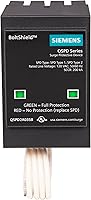
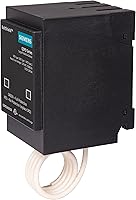
The Siemens QSPD2A035B 35kA Surge Protective Device is a small, panel-mounted unit designed to slot directly into Siemens load centers without any rewiring. Instead of attaching to a circuit breaker slot and running wires, this Siemens SPD clips onto the panel's bus bar, which keeps installation quick for anyone already comfortable working inside a breaker box. It is rated to handle 35kA of surge current per phase, giving it a meaningful buffer against the kind of voltage spikes that can damage appliances, HVAC systems, or sensitive electronics. One detail worth noting upfront: the status indicator is mechanical rather than LED, flipping between green and red instead of glowing. That distinction matters if you are used to checking power strips with illuminated indicators.
Features & Benefits

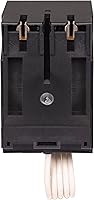
Once you get past the unusual indicator, this panel surge protector earns its keep through fairly straightforward engineering. The 35kA rating per phase gives it enough headroom to absorb the surges most homes actually encounter, whether from a nearby lightning strike or a grid fluctuation after an outage. Because the indicator is mechanical, it stays readable even if the unit has tripped and lost power, which is more useful than it sounds during a troubleshooting call. Installation is genuinely fast: the plug-in bus mounting means no extra wiring, no junction box, and no fishing cable through a crowded panel. At roughly 2 x 2.6 x 3 inches, this Siemens SPD tucks into typical Siemens layouts without crowding neighboring breakers, and the standard breaker-style footprint slots into existing panel space without any modification.

Best For

This panel surge protector makes the most sense for homeowners who already have a Siemens load center and want protection at the source rather than relying only on plug-in power strips. It is a natural fit for anyone in a storm-prone region or an area with an unstable grid, where voltage spikes are common enough to worry about. Electricians and contractors handling a panel upgrade or new build will appreciate how cleanly it fits into existing Siemens hardware without custom wiring. If your main goal is covering the whole panel rather than protecting one outlet at a time, this Siemens SPD is built for exactly that. It is less suited to households with a different panel brand, since compatibility here is strictly limited to Siemens equipment.

User Feedback

Feedback on this panel surge protector tends to focus on how unfussy it is to live with. Installers frequently mention that the plug-in mounting takes only minutes compared to wired surge devices, and homeowners like being able to glance at the indicator without worrying about standby power. That said, not everyone loves the mechanical design at first; a few buyers say they expected an LED and had to look up what the colors meant. The biggest recurring complaint is compatibility, since it only works with Siemens panels, which catches some shoppers off guard after purchase. Several reviewers also compare it against higher-capacity whole-home units, weighing the lower 35kA rating against the convenience of a simple plug-in install.

Pros

  • Plug-in bus mounting makes installation noticeably faster than wired surge protective devices.
  • Rated for 35kA of surge current per phase, offering solid protection against typical home power spikes.
  • Mechanical green/red indicator stays readable even without standby power, unlike LED-based alternatives.
  • Compact size fits neatly into most Siemens panel layouts without crowding neighboring breakers.
  • Standard breaker-style footprint slots into existing panel space without any modification needed.
  • Installers consistently praise how simple the setup is compared to hard-wired alternatives.
  • Gives whole-panel coverage instead of relying solely on individual outlet strips.
  • Lightweight at just 6.38 ounces, so it adds virtually no bulk inside the panel.

Cons

  • Only compatible with Siemens-brand load centers, so it cannot be used in other panel systems.
  • The mechanical indicator may feel old-fashioned to buyers expecting a modern LED display.
  • Some reviewers wanted clearer documentation on what specifically triggers the red warning indicator.
  • Its 35kA rating is lower than many higher-capacity whole-home surge protection systems on the market.
  • Installation still requires opening a live panel, which most buyers should leave to a licensed electrician.
  • Limited brand compatibility can catch buyers off guard if they assumed universal panel fit.
  • Does not provide outlet-level protection, so individual plugged-in devices still need their own surge strips.
  • No documented joule rating is provided, making direct comparisons to other SPDs harder.

Ratings

These ratings for the Siemens QSPD2A035B 35kA Surge Protective Device are generated by AI after analyzing verified buyer reviews from around the world, filtering out spam, bot activity, and incentivized feedback along the way. Each scorecard below reflects both what real homeowners and electricians love about this panel surge protector and where it falls short, so you get an honest, balanced picture before you buy.
Surge Protection Performance
84%
Users consistently feel reassured knowing the panel has a 35kA buffer against typical grid spikes, brownouts, and storm-related surges. For households that have lost a microwave or HVAC board to a bad surge before, that layer of protection at the source feels like real peace of mind.
A few buyers compare it against whole-home units rated well above 35kA and wonder if they should have gone bigger for extra-sensitive equipment like home theaters or server racks. It handles everyday spikes well, but it is not marketed as protection against a direct lightning strike.
Installation Ease
91%
Electricians and DIY-comfortable homeowners alike praise how the plug-in bus mounting skips the wiring and junction boxes that wired SPDs usually require. Several installers mention finishing the swap in minutes during a routine panel upgrade, which keeps labor costs down for the customer.
It still requires removing a panel cover and working near live components, so anyone without electrical experience should not attempt it solo. A small number of reviewers wished the included instructions walked through the bus connection step more visually.
Indicator Reliability & Visibility
78%
22%
Buyers like being able to glance at the green or red indicator without worrying about whether the panel has power, since it works mechanically rather than through an LED. That makes a quick monthly check easy to build into a normal home maintenance routine.
Some first-time users expected a glowing LED and were briefly confused by the simpler mechanical flag the first time they checked it. A handful of reviewers also said the exact trigger threshold for the red indicator is not explained clearly enough.
Panel Compatibility
61%
39%
For households that already run a Siemens load center, this fits the existing bus and breaker spacing without any awkward adapters or workarounds. Contractors specifically appreciate that it matches Siemens panel specs precisely instead of requiring a generic universal SPD.
Buyers with a different panel brand discover too late that it simply will not work for them, since compatibility is strictly limited to Siemens equipment. This narrow fit is the single most common frustration mentioned across feedback.
Build Quality & Construction
86%
The compact housing and breaker-style form factor feel consistent with Siemens' other panel hardware, giving buyers confidence it was engineered to the same standards as the breakers around it. Reviewers do not report rattling, loose fitment, or flimsy materials.
Because it is a small, sealed unit, there is no way to inspect or service the internals if something seems off, leaving buyers reliant on the indicator alone. A few people wished for a slightly more substantial-feeling housing given its role.
Size & Fit
88%
At about 2 by 2.6 by 3 inches and well under half a pound, it slots into a Siemens panel without crowding neighboring breakers or eating up usable space. That compact footprint is especially appreciated in smaller subpanels with limited room.
In panels that are already packed tight with breakers, finding the right open bus position can still take a little maneuvering. It is not a concern with the device itself, but tight installs do require some patience.
Value for Money
73%
27%
Compared to hiring an electrician to wire in a traditional surge device, the plug-in design saves on labor time, which buyers feel offsets the upfront cost. Many see it as a reasonable one-time expense against the cost of replacing a fried appliance or HVAC board.
Buyers who compare kA ratings closely sometimes feel the price is a touch high relative to higher-capacity whole-home alternatives. Shoppers on a tight budget may hesitate once they start cross-shopping against other panel-level SPDs.
Documentation & Clarity
64%
36%
Most buyers find enough information to understand the basic green/red status system without needing to call support. The plug-in mechanism itself is intuitive enough that experienced installers rarely need to consult the manual at all.
A handful of reviewers specifically wanted more detail on what conditions actually flip the indicator to red, since the included paperwork is fairly brief. That gap leaves some homeowners guessing whether a red flag means immediate replacement or just monitoring.
Durability & Longevity
82%
18%
Since it has no LED bulb to burn out and no battery to replace, the mechanical design tends to hold up well over years of normal use. Buyers in older homes with frequent minor surges report it staying functional through repeated small events.
Like any SPD, a single large surge can use up its protective capacity and require replacement, and there is no way to know how many smaller events it has already absorbed. Long-term lifespan data beyond a few years is still limited from user reports.
Safety
89%
Knowing the panel has dedicated surge protection gives many homeowners real peace of mind for HVAC systems, refrigerators, and other expensive equipment connected to the panel. The mechanical indicator's power-independent design also means it can still signal status during an outage.
Because installation involves working inside a live panel, anyone without electrical training faces real risk if they try to install it themselves rather than hiring a licensed electrician. The device itself is not the issue, but the installation environment demands caution.
Brand Trust
93%
Siemens' long history in residential electrical equipment gives buyers extra confidence that this panel surge protector was engineered to work cleanly with their existing breakers. That brand familiarity comes up repeatedly as a reason people chose it over lesser-known alternatives.
That trust does not eliminate the brand lock-in, since the same reputation that reassures Siemens-panel owners is irrelevant to anyone with a different brand of equipment. A few buyers wish Siemens offered a comparable cross-compatible option.
Capacity vs Whole-Home Units
67%
33%
For typical residential needs, most buyers feel the 35kA rating strikes a sensible balance between cost and protection without over-engineering for a problem they rarely have. It covers the common scenarios most homes actually face.
Shoppers with server equipment, home labs, or premium electronics sometimes feel undersized after researching whole-home units with significantly higher kA ratings. That comparison shopping process leaves some buyers second-guessing whether they should have gone with a higher-capacity option instead.

Suitable for:

The Siemens QSPD2A035B 35kA Surge Protective Device is the right call for anyone who already owns a Siemens load center and wants protection built into the panel itself rather than tacked onto individual outlets. It works well for homeowners in regions with frequent thunderstorms or an unreliable grid, where voltage spikes are common enough to threaten appliances, HVAC equipment, and home electronics. Electricians and contractors doing a panel upgrade or new installation will appreciate how it fits into existing Siemens hardware without custom wiring or extra junction boxes. It also suits buyers who like a simple, power-independent way to check protection status, since the mechanical indicator works whether or not the unit is actively drawing power. Anyone trying to move beyond plug-in power strips and toward whole-panel coverage should find this a reasonable fit.
Not suitable for:

Buyers without a Siemens panel should look elsewhere, since the Siemens QSPD2A035B 35kA Surge Protective Device is only compatible with Siemens-brand load centers and cannot be retrofitted into other manufacturers' equipment. People expecting an LED status light may find the mechanical green/red indicator a little dated or less obvious to read, especially if they are used to glowing indicators on other smart-home devices. It is also not a substitute for a full whole-home surge protection system if you need a significantly higher joule or kA rating for industrial-grade equipment. Anyone uncomfortable opening a breaker panel themselves should plan on hiring a licensed electrician, since installation involves direct contact with the panel's bus bar. Finally, buyers hoping for cross-platform flexibility or future-proofing across panel brands will find the compatibility limitations frustrating.

Specifications

  • Brand: This surge protective device is manufactured by Siemens.
  • Model Number: The product is identified by the model number QSPD2A035B.
  • Current Rating: It carries a current rating of 35 Amps.
  • Surge Rating: It is rated to handle 35kA of surge current per phase.
  • Mounting Type: It uses a plug-in mounting style that connects directly to the panel bus.
  • Breaker Type: It is built as a standard circuit breaker type for compatibility with existing panel slots.
  • Indicator Type: It features a mechanical green and red indicator instead of an LED display.
  • Dimensions: The unit measures approximately 2 x 2.6 x 3 inches.
  • Weight: It weighs about 6.38 ounces.
  • Panel Compatibility: It is designed exclusively for use with Siemens load centers.
  • Installation Method: It installs by plugging directly into the load center bus bar without external wiring.
  • Release Date: The product was first made available on March 8, 2023.
  • Power Source: It requires no external power or battery since its indicator operates mechanically.

Related Reviews
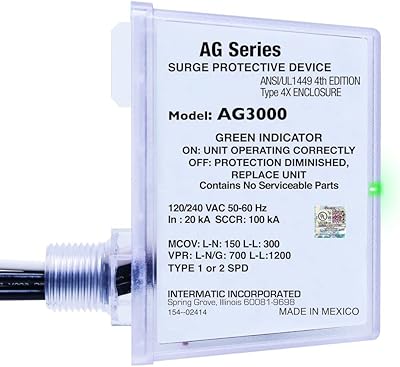
Intermatic AG3000 HVAC Surge Protective Device
82%
88%
Surge Protection Effectiveness
91%
TPMOV Technology Reliability
84%
Build Quality & Enclosure
86%
Ease of Installation
73%
LED Status Indicator
More
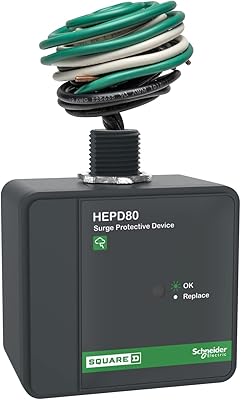
Square D HEPD80 Whole House Surge Protector 80kA
84%
93%
Surge Protection Performance
78%
Installation Experience
86%
Build Quality & Durability
91%
Universal Compatibility
82%
LED Status Indicator
More
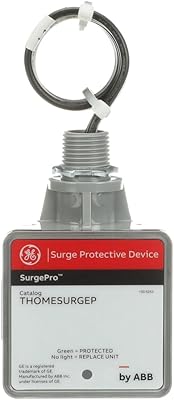
ABB THOMESURGEP Type 1 Surge Protective Device
83%
88%
Surge Protection Performance
91%
Build Quality
86%
Installation Experience
94%
NEC 2023 Compliance
77%
Value for Money
More
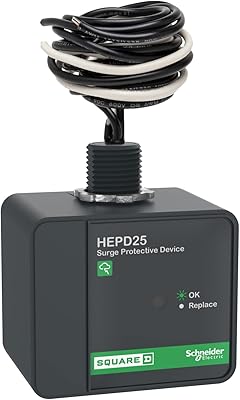
Square D HEPD25 Whole House Surge Protector
84%
83%
Protection Effectiveness
78%
Ease of Installation
86%
Build Quality
88%
Status Indicator Usefulness
91%
Panel Compatibility
More
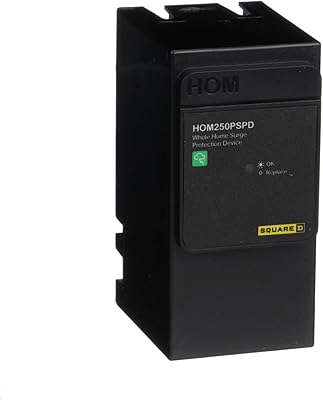
Square D HOM250PSPD Whole Home Surge Protector
80%
91%
Ease of Installation
57%
Panel Compatibility
88%
Surge Protection Capacity
83%
Value for Money
76%
Build Quality
More
Leviton LSPD2-T Surge Protective Device
84%
84%
Installation Experience
89%
Surge Protection Effectiveness
91%
Line-Side Power Reliability
86%
LED Status Indicators
83%
Build Quality
More
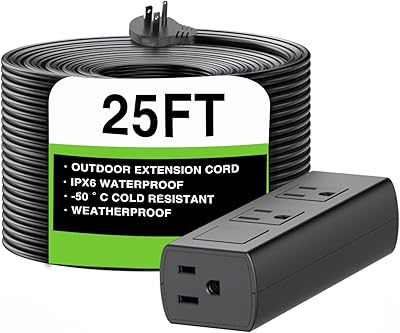
Zhenjiang 25FT Outdoor Extension Cord with Surge Protection
87%
92%
Weather Resistance
89%
Durability
85%
Ease of Use
90%
Surge Protection Effectiveness
88%
Length Flexibility
More
Plug'n 8-Outlet 8FT Surge Protector Power Strip
81%
88%
Build Quality
83%
Surge Protection
91%
Outlet Spacing
86%
Cord Length & Quality
79%
Mountability
More
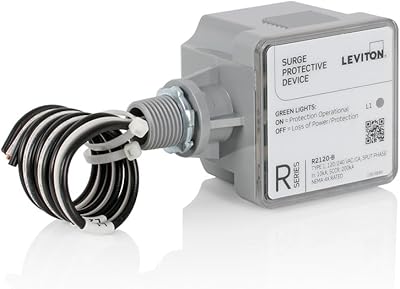
Leviton R2120-B Type 1 Surge Protection Panel
74%
88%
Surge Protection Performance
79%
Ease of Installation
93%
NEC Code Compliance
82%
Build Quality & Enclosure
41%
Monitoring & Alerts
More
Richtmall 10-Outlet 2-Prong Surge Protector Power Strip
77%
91%
Outlet Compatibility
88%
Outlet Count & Layout
74%
Surge Protection
67%
USB Charging Performance
71%
Build Quality
More

FAQ

No, this panel surge protector is built specifically for Siemens load centers and is not designed to fit other manufacturers' bus bars or breaker spaces. If you have a different brand panel, you would need an SPD rated for that specific equipment.

It plugs directly into the panel bus, but you are still working inside a live electrical panel, so it is best handled by a licensed electrician for safety. The plug-in design does make their job quicker compared to wiring a traditional hard-wired surge device.

It uses a mechanical green and red indicator rather than an LED, so a quick glance tells you its status. Green generally means it is actively protecting the panel, while red signals it has absorbed a surge and likely needs replacing.

The 35kA figure refers to how much surge current the device can absorb per phase before it is overwhelmed, which is a reasonable rating for residential panel-level protection. It will not stop a direct lightning strike entirely, but it meaningfully reduces risk from typical grid spikes and switching surges.

Yes, many homeowners do exactly that for layered protection. The Siemens QSPD2A035B 35kA Surge Protective Device covers the whole panel, while plug-in strips add an extra layer for sensitive gear like computers or home theater equipment.

It is fairly small, measuring about 2 by 2.6 by 3 inches and weighing roughly 6.38 ounces, so it tucks into a standard slot without crowding neighboring breakers in most Siemens panel layouts.

No, the mechanical indicator does not rely on standby power or batteries, which is actually an advantage over LED-based units that can go dark if power is interrupted.

Once the red indicator shows it has absorbed a significant surge, the unit should be swapped out, since it cannot reset itself the way a tripped breaker does. Replacement is straightforward since it plugs into the same bus slot it came from.

It is a panel-level device that functions similarly to many whole-house options, though some dedicated whole-home units offer higher kA ratings for larger properties or more demanding equipment. For typical residential needs, this Siemens SPD provides solid baseline protection.

No surge protective device can guarantee complete protection against every event, especially a direct lightning strike, but it does meaningfully lower your risk from the more common surges caused by grid switching, storms, or appliance cycling. Pairing it with outlet-level protection for your most sensitive electronics is a smart extra step.