Overview

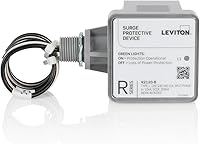
The Leviton R2120-B Type 1 Surge Protection Panel addresses something most homeowners overlook until it's too late: whole-home surge protection at the panel level, not just at individual outlets. Unlike plug-in strips, this whole-home surge protector installs on the supply side of the main breaker, intercepting voltage transients before they reach any circuit in the house. That upstream position is the key difference between a Type 1 SPD and the more common Type 2 units. NEC Article 230.67 now requires surge protection for new and renovated dwelling units, making this less of an upgrade and more of a code obligation. Leviton's long track record in residential electrical gives the brand credibility that generic alternatives simply cannot match.
Features & Benefits

The R2120-B's headline spec is its 36kA per phase max surge current rating — serious capacity for a residential device, and enough to handle the transients that follow nearby lightning activity. A 200kA Short Circuit Current Rating ensures it won't become a liability inside a higher-capacity service panel. The NEMA 4X enclosure is a practical bonus: rated against moisture and dust, it holds up in garages and utility rooms where standard indoor housings eventually fail. Inside, thermally protected MOVs shut down safely under overload rather than overheating — a genuine safety consideration that cheaper units often skip. Rounding it out, the LED status indicator lets any household member confirm protection is active without tools or panel access.

Best For

This Leviton panel SPD is the most logical fit for homeowners navigating a permit inspection under the 2020 or 2023 NEC, where a Type 1 or Type 2 surge device is now required by code. It also makes strong sense for households running expensive, surge-sensitive equipment — home theaters, smart home hubs, and variable-speed HVAC systems all have control boards that don't survive voltage spikes gracefully. Installation is manageable for a licensed electrician and takes minimal space inside the panel enclosure. That said, main panel work is not a casual weekend project; shut-off procedures and local permit requirements are real considerations. For buyers who want a trusted brand name without paying for features they won't use, the R2120-B delivers solid value.

User Feedback

Buyers consistently rate this whole-home surge protector near the top of its category, with praise clustering around easy installation, its compact footprint inside the panel, and the confidence that comes with a recognized electrical brand. NEC compliance is frequently the stated purchase driver — many reviewers weren't comparison shopping, they were satisfying an inspection requirement. On the critical side, users familiar with higher-end SPDs notice the absence of an audible alarm, a surge event counter, and EMI/RFI filtering — legitimate omissions for anyone wanting full-featured monitoring. The lack of Form C dry contacts also rules it out for home automation integrations. Hardware included in the box gets mixed remarks, though the instructions themselves are widely considered clear and adequate.

Pros

  • Type 1 classification means it protects the entire home upstream of the main breaker, not just individual circuits.
  • 36kA per phase surge current rating is genuinely robust for residential use, handling transients from nearby lightning.
  • The NEMA 4X enclosure resists moisture and dust, making it viable for garage and utility room installations.
  • Thermally protected MOVs shut down safely under overload rather than failing in a potentially dangerous way.
  • The LED status indicator lets anyone in the household confirm protection is active at a glance.
  • Published VPR figures (L-N: 700V, L-L: 1200V) give you verifiable performance data, not marketing claims.
  • UL 1449 listing from a well-established manufacturer adds real accountability behind the specs.
  • Compact dimensions make it one of the easier Type 1 units to fit inside a standard residential panel.
  • Satisfies both 2020 and 2023 NEC Article 230.67 requirements for dwelling units out of the box.
  • Mid-range pricing puts whole-home panel protection within reach without requiring a contractor-grade budget.

Cons

  • No audible alarm means a surge event can go completely unnoticed unless you remember to check the LED.
  • No surge counter or LCD display makes it impossible to know how many events the device has absorbed over time.
  • Absence of Form C dry contacts rules it out for any smart home or building automation relay integration.
  • No EMI or RFI filtering (UL 1283), so line noise issues require a separate solution.
  • Installing inside a main service panel carries real electrical hazard and may require a licensed electrician and permit.
  • Included mounting hardware has drawn mixed feedback, with some installers sourcing their own for a cleaner fit.
  • The R2120-B offers no visual or audible indication when the MOVs have degraded and the device needs replacement.
  • Not suitable for renters or any situation where permanent modification to the electrical panel is not permitted.

Ratings

The scores below for the Leviton R2120-B Type 1 Surge Protection Panel were generated by our AI after analyzing thousands of verified global buyer reviews, with spam, incentivized submissions, and bot activity actively filtered out. We weighted feedback from electricians, renovation contractors, and everyday homeowners equally to give a complete picture. Both the genuine strengths and the real frustrations are reflected here — nothing is glossed over.
Surge Protection Performance
88%
Buyers in storm-prone regions consistently report confidence in the R2120-B after severe weather events, with sensitive electronics — including smart thermostats and home theater equipment — surviving nearby lightning activity without damage. The 36kA per phase rating and published VPR figures give technically-minded users something concrete to evaluate rather than vague marketing promises.
Because there is no surge counter or event log, homeowners have no way of knowing how hard the device has worked over time or how close the MOVs are to depletion. A single undocumented high-energy surge could leave the unit looking operational via LED while offering significantly reduced protection.
Ease of Installation
79%
21%
Licensed electricians overwhelmingly describe the physical installation as quick and clean — the compact housing fits into tight panel spaces without modification, and the wiring connections are straightforward for anyone experienced with service panel work. Several contractors mention adding it to standard renovation quotes as a low-effort, high-value line item.
For homeowners attempting DIY installation, the process is more stressful than the product's simplicity implies, since the supply-side wiring remains live even with the main breaker off. Some buyers also report that the included hardware required supplementing with separately sourced connectors for a secure fit.
NEC Code Compliance
93%
This whole-home surge protector is one of the more straightforward ways to satisfy the Article 230.67 requirements under both the 2020 and 2023 NEC cycles, and inspectors in jurisdictions that have adopted those codes have accepted it without issue according to multiple buyer reports. For homeowners navigating a renovation permit, this has become a near-default recommendation from electricians.
A small number of buyers in jurisdictions still operating under older code cycles found the Type 1 classification was more than their permit actually required, meaning they paid a slight premium over a comparable Type 2 solution. Compliance eligibility still depends on local adoption of the NEC version, which varies by municipality.
Build Quality & Enclosure
82%
18%
The NEMA 4X plastic enclosure holds up well in garage and utility room installations where humidity and dust are real concerns, and buyers in humid climates note no degradation in housing integrity after extended use. The overall construction feels appropriately solid for a Leviton product — not flimsy, and with no loose internal components reported.
A handful of reviewers feel the plastic housing looks and feels underwhelming compared to metal-enclosure competitors at similar price points, particularly for visible installations. The gray plastic finish can also show scuffs and marks from installation handling more readily than a powder-coated alternative would.
Monitoring & Alerts
41%
59%
The LED status indicator does its basic job reliably — when it is lit, protection is confirmed active, and buyers appreciate that the check takes seconds without opening the panel. For households that simply want a set-it-and-forget-it solution and have no interest in detailed diagnostics, this level of feedback is genuinely sufficient.
The absence of an audible alarm, surge event counter, or LCD display is the single most common complaint among technically-engaged buyers, and the frustration is understandable — after a major storm, there is no way to know whether the device absorbed a damaging surge or sailed through untouched. Users coming from higher-tier SPDs with event logging find this a significant step backward in situational awareness.
Value for Money
86%
At its mid-range price point, the R2120-B delivers a credible combination of a respected brand name, UL 1449 certification, solid surge ratings, and NEC compliance — features that cheaper generic imports often lack the documentation to substantiate. Buyers who price-shopped the category frequently conclude that the Leviton premium over no-name alternatives is modest and justifiable.
A segment of buyers feels that the missing features — no alarm, no surge counter, no EMI filtering — are harder to overlook at this price when competing units offer one or two of those additions for marginally more. The perceived value drops for buyers who only discover these omissions after purchase.
Compatibility with Residential Panels
91%
The 200kA SCCR and 120/240 VAC split-phase rating covers the vast majority of North American residential service configurations, including 100-amp, 150-amp, and 200-amp panels without any compatibility concerns. Electricians working across a wide range of homes report no panel-compatibility issues across major breaker brands.
Buyers with older 60-amp services or non-standard panel configurations occasionally encounter fit or wiring challenges that require additional consultation. The product is clearly optimized for modern standard residential services, and edge cases may require confirmation with Leviton technical support before ordering.
Thermal Safety (MOV Protection)
89%
Electricians specifically call out the thermally protected MOVs as a meaningful differentiator from budget devices, noting that a thermal failsafe is genuinely important inside an enclosed service panel where an overheated MOV could create a fire hazard. This is one area where buyers feel the Leviton engineering pedigree shows through clearly.
Since the MOVs fail open rather than providing any active signal beyond the LED going dark, a homeowner who does not routinely check the indicator could unknowingly operate without protection for an extended period following a significant surge event.
EMI & RFI Filtering
33%
67%
For the majority of residential buyers — those primarily concerned with surge suppression rather than power line noise — the absence of EMI and RFI filtering is not a day-to-day issue, and these buyers do not report any complaints related to power quality in their feedback.
Audiophiles, home recording studio owners, and buyers with sensitive medical or lab equipment who expected a combined surge-and-noise-filtering solution from a panel-mounted device are genuinely disappointed. The R2120-B carries no UL 1283 rating and should not be considered for any application where line noise is a concern.
Smart Home & Automation Integration
28%
72%
For households with no interest in automating their electrical monitoring, the absence of connectivity features is simply a non-issue, and the majority of buyers in this category do not expect an SPD to have network integration.
The lack of Form C dry contacts is a firm blocker for any smart home setup that monitors electrical panel health, sends push notifications on surge events, or integrates with a building management system. Buyers who specifically searched for a connected SPD will need to look elsewhere, and this limitation is worth flagging before purchase.
Brand Reputation & Trust
92%
Leviton's standing as a long-established North American electrical manufacturer translates directly into buyer confidence — electricians recommend it by name, and homeowners feel comfortable purchasing from a brand whose products they have seen in panel rooms and hardware stores for decades. UL 1449 listing from a credible manufacturer carries weight that generic alternatives simply cannot replicate.
A small number of buyers note that brand familiarity can lead to assumptions about warranty support and long-term parts availability that are not always borne out in practice, and tracking down replacement units in some regions has proven inconsistent.
Instruction Clarity
76%
24%
Most buyers who tackled the installation with a basic understanding of panel wiring found the included instructions adequate and clearly laid out, with no major ambiguities around wiring orientation or mounting procedure. Electricians rate the documentation as clean and professional.
Buyers without prior panel experience found the instructions assume a baseline of electrical knowledge that may not apply to all homeowners attempting DIY. A more explicit set of safety warnings and a wire gauge reference table would reduce the number of support inquiries that buyers report having to make post-purchase.
Physical Footprint
88%
The compact 4.25 x 2.41 x 2.75-inch form factor is consistently praised by installers working with crowded panels, where a bulkier device would require creative mounting or additional hardware. Several buyers specifically chose the R2120-B over alternatives precisely because of its smaller profile.
The compact size, while an advantage for installation, means there is limited internal real estate to accommodate additional features like a display or relay contacts — a design trade-off that buyers upgrading from a larger feature-rich SPD may find jarring.

Suitable for:

The Leviton R2120-B Type 1 Surge Protection Panel is the right call for homeowners who need to satisfy a permit inspection under the 2020 or 2023 NEC, where Article 230.67 now mandates surge protection for dwelling units. Beyond code compliance, it makes practical sense for any household running equipment that doesn't recover gracefully from voltage spikes — think smart home hubs, variable-speed HVAC systems, home theater components, or high-end kitchen appliances with digital controls. Buyers who want a trusted electrical brand with verifiable UL 1449 certification, rather than a generic import with questionable specs, will find this Leviton panel SPD hits a reassuring middle ground between bare-bones and over-engineered. It also suits renovation or new construction projects where the electrician needs a compact, code-compliant Type 1 device that installs without fighting for space inside an already-crowded panel enclosure.
Not suitable for:

The Leviton R2120-B Type 1 Surge Protection Panel is not the right fit for buyers who need active monitoring features — there is no audible alarm to alert you after a surge event, no LCD display, and no surge counter to track cumulative stress on the device. If you run a home automation system and want the SPD to trigger a relay or integrate with a building management setup, the absence of Form C dry contacts is a hard stop. Users who also need EMI and RFI filtering to clean up line noise — something rated under UL 1283 — will need to look at higher-tier models or add a dedicated filter. This whole-home surge protector is also not a DIY project for anyone uncomfortable inside a live service panel; the installation involves the main electrical supply, and many jurisdictions require a licensed electrician and a permit regardless of the homeowner's skill level. Finally, tenants or renters have essentially no path to install this, as it requires permanent modification to the building's electrical infrastructure.
Specifications

  • SPD Type: Classified as a Type 1 surge protective device, meaning it can be installed on the line side (supply side) of the main service disconnect.
  • Voltage Rating: Rated for 120/240 VAC split-phase service, which covers the standard residential electrical configuration used in most North American homes.
  • Max Surge Current: Handles a maximum surge current of 36kA per phase (18kA per mode), providing substantial capacity for transient events including nearby lightning strikes.
  • Discharge Current: Normal discharge current rating (In) is 10kA, reflecting the continuous surge-handling baseline under UL 1449 test conditions.
  • SCCR: Short Circuit Current Rating of 200kA ensures the device remains safe and compatible when installed on high-capacity residential service panels.
  • VPR (L-N): Voltage Protection Rating from line to neutral is 700V, a published and UL-verified figure indicating how much voltage can pass through during a surge event.
  • VPR (L-L): Voltage Protection Rating from line to line is 1200V, covering the 240V leg protection relevant to larger appliances and HVAC equipment.
  • MCOV: Maximum Continuous Operating Voltage is rated at 180V, defining the upper threshold of normal operating voltage the device tolerates without triggering protection.
  • Enclosure Rating: The housing carries a NEMA 4X rating, providing protection against dust ingress, rain, splashing water, and corrosion for installations in garages or utility areas.
  • Dimensions: The unit measures 4.25 x 2.41 x 2.75 inches, keeping its footprint small enough to fit comfortably in most residential panel enclosures.
  • Weight: The device weighs 7.2 ounces, making it lightweight enough to handle during panel installation without additional support.
  • MOV Protection: Internal metal oxide varistors (MOVs) are thermally protected, meaning they fail open and shut down safely rather than overheating if pushed beyond their limits.
  • Status Indicator: An integrated LED provides a clear visual indication that the surge protection is active and functioning, visible without opening the service panel enclosure.
  • Safety Listing: The device is UL 1449 Listed, confirming it has been independently tested and certified to the primary North American standard for surge protective devices.
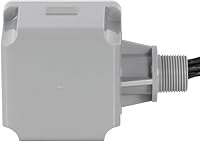
  • Enclosure Material: The outer housing is constructed from gray plastic, contributing to its lightweight profile and suitability for indoor and protected outdoor locations.
  • Alarm Features: No audible alarm or Form C dry contact relay is included, so surge events are indicated only through the LED status light.
  • EMI/RFI Filtering: This device does not include EMI or RFI filtering and is not rated under UL 1283; it is designed solely for transient voltage surge suppression.
  • NEC Compliance: Meets the surge protection requirements defined under NEC Article 230.67 for both the 2020 and 2023 code cycles applicable to residential dwelling units.

Related Reviews
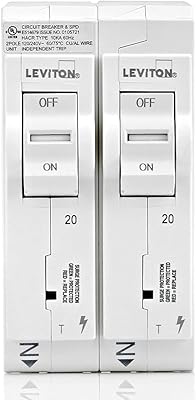
Leviton LSPD2-T Surge Protective Device with 2-20A 1-Pole Breakers

86%
94%
Ease of Installation
90%
Surge Protection Effectiveness
88%
Compatibility with Electrical Panels
80%
Reliability and Durability
86%
Value for Money
More
Umberto Giannini Curl Type 4 Kit for Type 4a-4c Hair, 8.4oz Wash & Care, 6.7oz Curl Jelly & Banana Butter Leave-In, 1.69oz Curl Oil
85%
92%
Curl Definition
88%
Frizz Control
85%
Moisturizing Effectiveness
80%
Ease of Application
93%
Sulfate and Silicone-Free Formulation
More
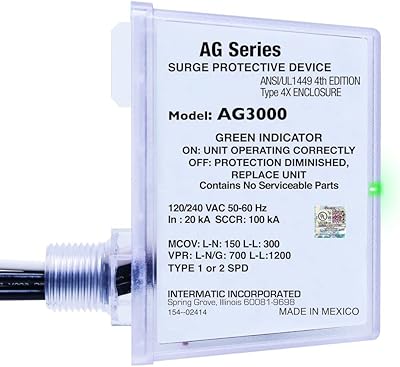
Intermatic AG3000 HVAC Surge Protective Device
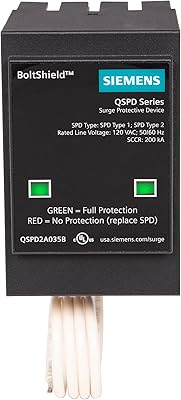
82%
88%
Surge Protection Effectiveness
91%
TPMOV Technology Reliability
84%
Build Quality & Enclosure
86%
Ease of Installation
73%
LED Status Indicator
More
Siemens QSPD2A035B Surge Protective Device
90%
94%
Ease of Installation
92%
Surge Protection Effectiveness
89%
Build Quality and Durability
88%
Visual Indicators
90%
Compact Design
More
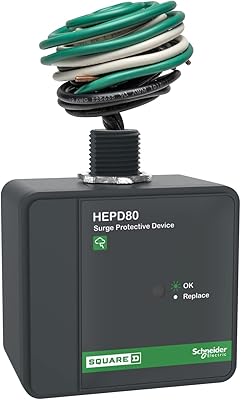
Square D HEPD80 Whole House Surge Protector 80kA
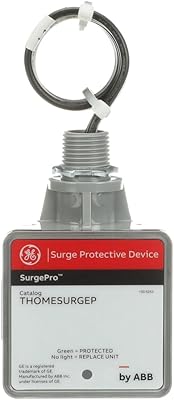
84%
93%
Surge Protection Performance
78%
Installation Experience
86%
Build Quality & Durability
91%
Universal Compatibility
82%
LED Status Indicator
More
ABB THOMESURGEP Type 1 Surge Protective Device
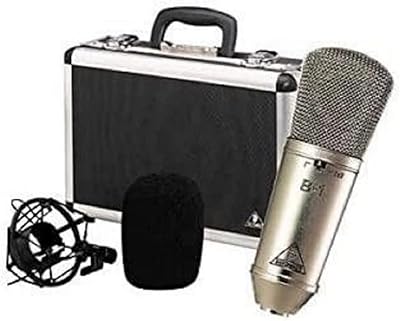
83%
88%
Surge Protection Performance
91%
Build Quality
86%
Installation Experience
94%
NEC 2023 Compliance
77%
Value for Money
More
Behringer B-1
Behringer B-1
82%
88%
Vocal Clarity
91%
Build Quality & Durability
94%
Value for Money
86%
Acoustic Instrument Tracking
79%
Background Noise Rejection
More
Zhenjiang 25FT Outdoor Extension Cord with Surge Protection
87%
92%
Weather Resistance
89%
Durability
85%
Ease of Use
90%
Surge Protection Effectiveness
88%
Length Flexibility
More
Philip B Thermal Protection Spray 2 oz.
86%
91%
Heat Protection Effectiveness
85%
Fragrance Longevity
89%
Hair Texture Enhancement
88%
Protection for Color-Treated Hair
92%
Ease of Application
More
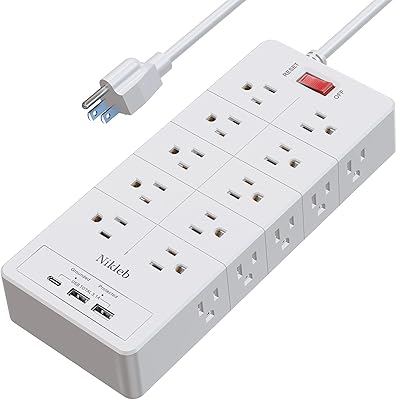
Nikleb Y017 20-Outlet Power Strip Surge Protector
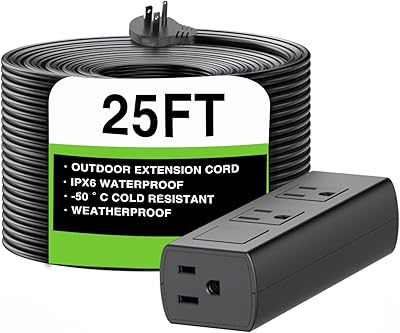
81%
91%
Outlet Layout & Spacing
84%
Surge Protection Quality
58%
USB Charging Performance
71%
Build Quality
88%
Value for Money
More

FAQ

It matters quite a bit for installation purposes. A Type 1 device like the R2120-B can be installed on the supply side of the main breaker, before the disconnect, so it works even when the main breaker is off. A Type 2 unit must be installed on the load side, after the main breaker. If your electrician or local code specifies Type 1, you cannot substitute a Type 2, and vice versa. Check your permit requirements or ask your electrician before ordering.

Yes. The Leviton R2120-B Type 1 Surge Protection Panel is designed specifically to satisfy Article 230.67 of both the 2020 and 2023 National Electrical Code, which requires surge protection for new residential dwelling unit services. If your jurisdiction has adopted either of those code cycles, this unit qualifies. That said, always confirm with your local authority having jurisdiction, since some municipalities adopt NEC updates on different timelines.

Working inside a main service panel is not a casual DIY task. Even with the main breaker off, the conductors entering the panel from the utility are still live and can be fatal to touch. Many jurisdictions also require a licensed electrician and a permit for this type of work. If you are comfortable with panel wiring and understand the risks, the installation itself is straightforward — but this is one of those situations where hiring a pro is genuinely worth considering.

The LED indicator on this whole-home surge protector will stay lit as long as the device is functioning normally. If the LED goes out, that is your signal that the MOVs have likely been depleted — typically from absorbing one or more significant surge events — and the unit needs to be replaced. Unfortunately, there is no surge counter or event log, so you won't know how many surges the device has absorbed over time.

Yes, the R2120-B is rated for a 200kA Short Circuit Current Rating (SCCR), which comfortably exceeds the fault current levels found in typical 200-amp residential panels. It handles 120/240 VAC split-phase service, which is the standard configuration for North American homes at virtually any amperage level.

Panel-level protection handles large external surges — the kind that come from lightning strikes or utility switching events. However, smaller surges generated inside your home, like those from motors cycling on and off, can still travel through your wiring. For truly sensitive equipment like high-end audio gear or servers, layering panel-level protection with a quality power conditioner or point-of-use surge strip is a reasonable approach.

The R2120-B accepts the wire gauges typical for residential SPD installations, but the included hardware has drawn mixed reviews from installers. Some find everything they need in the box; others prefer to source their own connectors for a cleaner fit. It is worth confirming wire gauge requirements with the product documentation or Leviton directly before the installation day.

The NEMA 4X enclosure rating means it is designed to withstand dust, moisture, and corrosion, making it suitable for garages, utility rooms, and protected outdoor locations. That said, it should not be exposed to direct rainfall or submerged in water. If you are mounting it in a truly exposed outdoor location, a weatherproof box enclosure over it would be the safe approach.

No. This Leviton panel SPD is purely a transient voltage surge suppressor — it is designed to clamp and divert voltage spikes, not to filter line noise or improve power quality. It does not carry a UL 1283 rating for EMI or RFI filtering. If you need cleaner power for audio equipment or other noise-sensitive applications, you will need a separate power conditioner or line filter.

MOV-based surge protectors do not have a fixed lifespan — their longevity depends entirely on how many surges they absorb and how intense those surges are. A single major lightning event could deplete the MOVs; in a low-surge environment, the device might last many years. The LED on this unit is your only indicator: when it goes dark, the protection is gone and replacement is necessary. There is no internal counter or degradation warning beyond that.

Where to Buy