Overview
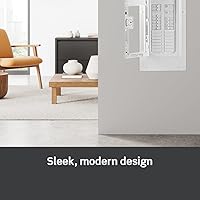
The Leviton LSPD2-T Surge Protective Device is built to live inside your breaker panel rather than sit on a countertop or hide behind a TV stand. Instead of plugging into a wall outlet, this panel-mounted surge protector snaps into a breaker slot, working as a guardian for your entire electrical system rather than just one room. Leviton has been making wiring devices for decades, so the engineering pedigree here is not in question. What sets it apart from a typical power strip is the scope of protection: it covers everything wired through the panel, which matters a lot more to homeowners who care about whole house resilience than those just trying to protect a gaming setup.
Features & Benefits
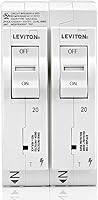
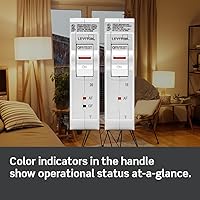
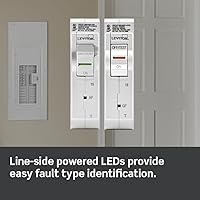
Inside this panel-mounted surge protector are two 20A single-pole thermal magnetic breakers, so it doubles as functional breaker space rather than taking up a slot for nothing. The standout engineering choice is the line-side power connection, which keeps protection running even if a breaker trips or gets switched off, something a lot of competing units cannot claim. A small but genuinely useful touch is the set of LED indicators, letting you glance at the panel and know things are working without pulling out a multimeter. It is also rated for 120/240 VAC, matching what most residential panels actually run, and the compact size means it slots in without forcing major rewiring or panel modifications.
Best For
This Leviton breaker-style unit makes the most sense for homeowners who are already in the middle of a panel upgrade and want to add real protection while everything is open anyway. It is also a smart pick for anyone living somewhere prone to lightning storms or unstable grid voltage, where surges happen often enough that panel-level coverage pays for itself. If your priority is protecting the whole house, not just a desktop computer or a refrigerator, this is built for that broader job. That said, it is not a casual purchase: getting it installed safely really calls for an electrician or DIYer who already feels comfortable working inside a live panel.
User Feedback
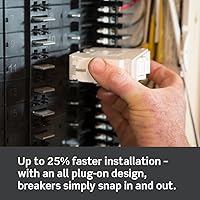
Feedback from people who have actually installed this surge protective device tends to focus on how familiar the process feels, since it mounts and clicks into place just like any other breaker rather than requiring special tools or brackets. Several buyers specifically call out the LED status lights as reassuring, since they offer a quick way to confirm the unit is still doing its job months after installation. On the downside, a recurring complaint is the price point, which sits well above what a basic plug-in surge strip costs, and some buyers question whether the jump is worth it for a smaller home. Those whose panels accepted the form factor without issue generally describe a clean, no-fuss fit.
Pros
- Installs like a normal breaker, so the mounting process feels familiar to anyone who has worked in a panel before
- Protects the entire home rather than just whatever happens to be plugged into one outlet strip
- Line-side connection means protection keeps working even if a breaker trips or gets switched off
- Built-in 20A breakers mean it does double duty instead of just taking up panel space
- LED indicators offer a fast, no-tools way to confirm the unit is still functioning
- Compact size slots into standard panel layouts without forcing major rewiring
- Comes from Leviton, a brand with a long track record in electrical components
- Rated for 120/240 VAC, matching what most residential setups actually run on
Cons
- Costs noticeably more than a basic plug-in surge strip, which can be a tough sell for smaller homes
- Requires panel access, so renters or anyone without panel ownership simply cannot use it
- Installation is not a casual task and generally calls for an electrician or experienced DIYer
- Offers no portable protection for devices used outside the home, like laptops on the road
- Some buyers question whether the price premium is worth it if their home rarely sees power surges
- Provides no surge protection for individual outlets beyond what flows through the main panel
- Not a quick fix if you just need to protect one or two electronics immediately
Ratings
These scores for the Leviton LSPD2-T Surge Protective Device come from an AI-driven analysis of verified buyer reviews from around the world, with spam, bots, and incentivized feedback actively filtered out before any scoring happens. What is left is a fairly honest picture, one that reflects both the genuine strengths people rely on and the real pain points that show up once the unit is actually living inside a panel.
Installation Experience
Surge Protection Effectiveness
Line-Side Power Reliability
LED Status Indicators
Build Quality
Fit and Compatibility
Value for Money
Compact Footprint
Breaker Functionality
Brand Trust
Suitable for:
The Leviton LSPD2-T Surge Protective Device fits best with homeowners who are already opening up their electrical panel for an upgrade and want to add real protection while everything is accessible. It also makes sense for anyone in a region with frequent thunderstorms or a grid known for voltage swings, since panel-level coverage catches surges before they spread to anything wired in the house. People who want to protect an entire home rather than just a few sensitive devices on a power strip will get the most value here, especially if they have appliances, HVAC systems, or smart home equipment they would rather not replace after a storm. It is also a reasonable pick for electricians or confident DIYers who do their own panel work and want a component that mounts the same way a normal breaker does.
Not suitable for:
Anyone hoping for a plug-and-play solution should look elsewhere, since this is not something you plug into an outlet like a typical power strip. Renters, apartment dwellers, or anyone without access to their own breaker panel will not be able to use it at all. People uncomfortable working inside a live electrical panel, or unwilling to hire an electrician, may find the installation process more involved than they expected. Budget-focused buyers who only need to protect a TV, computer, or small appliance cluster will likely get better value from a simple plug-in surge strip instead of the Leviton LSPD2-T Surge Protective Device. It is also not the right pick for someone wanting a quick weekend project, since panel work generally calls for some electrical know-how or professional help.
Specifications
- Brand: This unit is manufactured by Leviton, a long-established maker of electrical and wiring devices.
- Model Number: The model number for this device is LSPD2-T.
- Product Type: This is a Type-1 surge protective device designed for installation at the main electrical panel.
- Breaker Configuration: It includes two built-in 20A single-pole plug-on breakers.
- Breaker Type: The included breakers use thermal magnetic technology rather than purely electronic tripping.
- Voltage Rating: It is rated for 120/240 VAC systems, which covers most standard residential panels.
- Mounting Style: The unit uses a plug-in mount, attaching to the panel bus the same way a standard breaker does.
- Power Connection: It uses a line-side power connection, which keeps surge protection active even if a breaker trips or is switched off.
- Status Indicators: Built-in LED indicators show the protection status at a glance.
- Dimensions: The unit measures 3.92 inches deep by 2.04 inches wide by 3.32 inches tall.
- Weight: The listed weight of the unit is 0.01 ounces.
- Color: The device has a white housing.
- Installation Location: It is designed to be installed directly inside a residential breaker panel, not plugged into a wall outlet.
- Panel Compatibility: It is built to slot into standard panel spaces without requiring major rewiring.
- Protection Scope: It provides whole-home surge protection rather than protecting only a single outlet or device.
Related Reviews
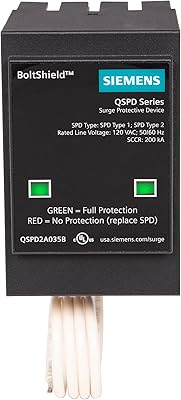
Siemens QSPD2A035B 35kA Surge Protective Device
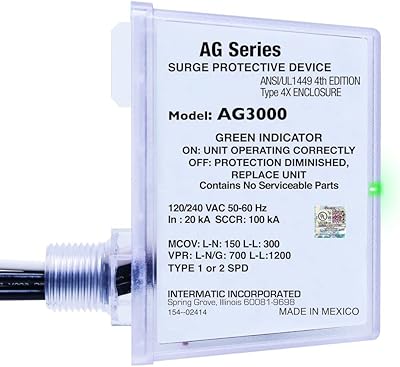
Intermatic AG3000 HVAC Surge Protective Device
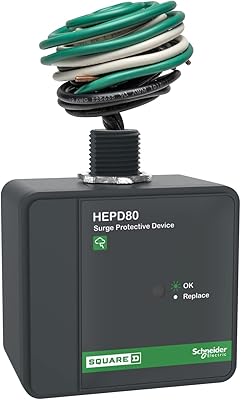
Square D HEPD80 Whole House Surge Protector 80kA
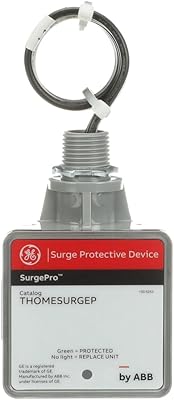
ABB THOMESURGEP Type 1 Surge Protective Device
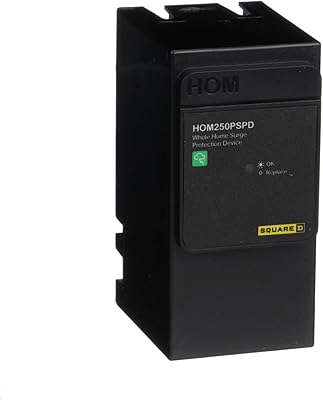
Square D HOM250PSPD Whole Home Surge Protector
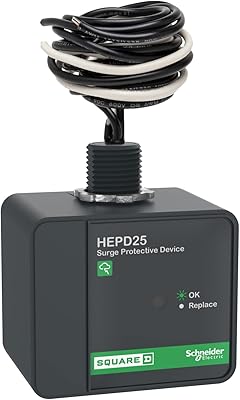
Square D HEPD25 Whole House Surge Protector
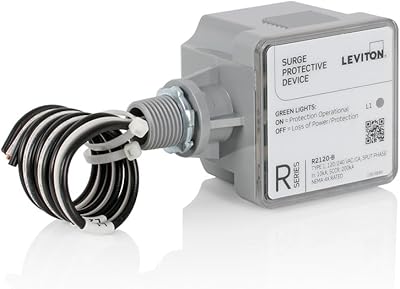
Leviton R2120-B Type 1 Surge Protection Panel
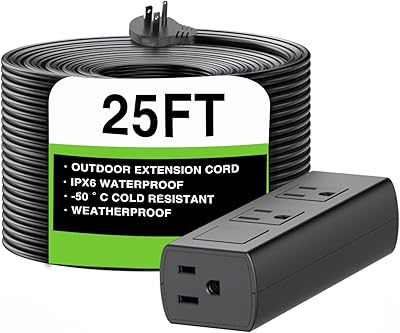
Zhenjiang 25FT Outdoor Extension Cord with Surge Protection
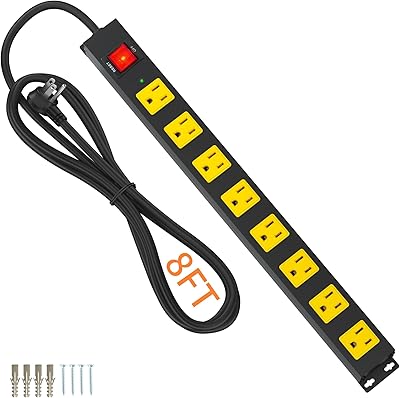
Plug'n 8-Outlet 8FT Surge Protector Power Strip