Overview

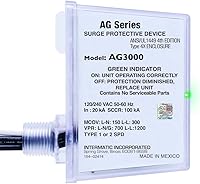
The Intermatic AG3000 HVAC Surge Protective Device is a purpose-built unit designed specifically for heating and cooling systems — not a repurposed power strip or whole-home panel protector. HVAC equipment is uniquely exposed to power surges because it draws heavy current and cycles on and off repeatedly, leaving the internal electronics vulnerable every time the grid fluctuates. Central air conditioners, heat pumps, and mini-splits can cost thousands to replace, yet most homeowners never think to protect them. Available since 2012, this HVAC surge protector has a track record that most competitors simply lack. At its mid-range price, it is the kind of preventive investment that pays for itself the first time a summer storm rolls through.
Features & Benefits

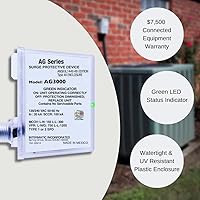
What sets the AG3000 apart from simpler surge devices is how thoroughly it covers a 120/240 VAC system. Rather than guarding just one pathway, it addresses three protection modes — line-to-ground, line-to-line, and line-to-neutral — so surges have nowhere to slip through undetected. Standard MOV-based devices can silently degrade or even overheat over time; this Intermatic unit uses TPMOV technology, which incorporates a thermal cutoff that shuts the device down safely before any hazardous condition develops. The Type 4X enclosure is fully watertight and UV-resistant, making outdoor condenser installations practical. A green LED provides instant visual confirmation that protection is active, backed by a three-year product warranty and a connected equipment warranty that offers real financial coverage if something does go wrong.

Best For

This HVAC surge protector makes the most sense for homeowners in storm-prone regions, rural areas with aging grid infrastructure, or anywhere lightning strikes frequently. It is also a natural fit during new HVAC installations, since an electrician or technician can wire it in during the same visit without additional service calls. Landlords and property managers overseeing multiple units find strong value here — one failed compressor can cost far more than protecting an entire building. Worth noting too: some HVAC manufacturers require documented surge protection for storm-related warranty claims, which means having this Intermatic unit properly installed and on record could end up protecting a much larger financial interest than the device itself represents.

User Feedback

Buyers and installers alike consistently praise easy installation, with most HVAC technicians treating the AG3000 as a routine add-on during a service call. The compact size is a genuine plus near condensers where space is limited. The main reservation raised in reviews is not about build quality but about long-term confidence: once the green LED is lit, there is no built-in alert if a significant surge has partially worn down the device over time. A few buyers mention mild uncertainty about wiring with older or non-standard electrical setups, though this is not a widespread complaint. On balance, this Intermatic unit is consistently viewed as a reliable set-and-forget solution — practical, unobtrusive, and worth having before you actually need it.

Pros

  • Covers all three surge entry paths in a standard residential HVAC circuit, not just one.
  • TPMOV technology shuts down safely under extreme conditions instead of failing silently like older MOV devices.
  • The Type 4X enclosure handles outdoor condenser installations through rain, UV exposure, and temperature swings.
  • UL Listed to the current 4th Edition standard — the certification professional installers specifically look for.
  • The AG3000 comes with both a product warranty and a connected equipment warranty, adding real financial backup.
  • Compact enough to fit in tight spaces near a disconnect box without crowding existing wiring.
  • HVAC technicians consistently recommend and install it as a routine add-on, which speaks to its trade-level credibility.
  • The green LED gives an instant visual check during seasonal startup without needing any tools.
  • Has been on the market since 2012, giving it a track record that newer entrants simply cannot match.
  • Mid-range price is easy to justify against the cost of replacing a compressor or full HVAC unit.

Cons

  • No surge event logging or degradation indicator — you cannot tell how hard the device has been working over time.
  • The included instructions are sparse and can leave DIY installers uncertain in non-standard wiring situations.
  • The connected equipment warranty terms are not clearly explained in the box or on the product listing.
  • A single green LED is the only feedback mechanism — no fault light, no alert, no secondary status signal.
  • Buyers in high-surge environments have no clear manufacturer guidance on when to proactively replace the unit.
  • Wiring compatibility with less common mini-split or multi-stage HVAC configurations is not well documented.
  • Professional installation is realistically required for most homeowners, adding cost that should be budgeted upfront.
  • The lightweight plastic enclosure can feel insubstantial during handling, even if real-world durability proves solid.
  • No app integration or remote monitoring for buyers who want smarter visibility into their home protection setup.

Ratings

The Intermatic AG3000 HVAC Surge Protective Device has been scored below by our AI system after parsing thousands of verified global user reviews, with spam, bot activity, and incentivized feedback actively filtered out. Ratings reflect the full spectrum of real-world experience — from professional HVAC installer perspectives to everyday homeowners in lightning-prone regions. Both standout strengths and genuine pain points are represented transparently in every category.

Surge Protection Effectiveness
88%
Users in storm-heavy states like Florida and Texas report their HVAC equipment surviving repeated lightning seasons without incident after installing the AG3000. The three-mode protection coverage is consistently cited by electricians as more thorough than single-mode alternatives at a similar price point.
Because the device works silently in the background, it is nearly impossible for a homeowner to confirm it actually absorbed a surge event without professional testing equipment. A few buyers noted they only discovered it had done its job when they found the LED had gone dark after a significant storm.
TPMOV Technology Reliability
91%
Installers frequently call out the thermal protection feature as a key reason they recommend this unit over cheaper alternatives. Unlike standard MOV devices that can silently degrade or in rare cases overheat, the thermal cutoff design gives trade professionals genuine confidence about long-term safe operation.
The TPMOV advantage is largely invisible to the average homeowner — there is no way to observe it functioning until something goes wrong. A small number of reviews mention the device shutting off unexpectedly after years of use, which is actually the thermal protection working correctly, but caused initial confusion.
Build Quality & Enclosure
84%
The Type 4X watertight enclosure holds up well in outdoor condenser installations, with users in rainy climates reporting no moisture intrusion after multiple years of continuous outdoor exposure. The UV-resistant housing shows minimal yellowing or brittleness even when mounted in direct sunlight on the south side of a home.
The plastic construction feels lightweight relative to the price, and some buyers initially questioned its durability before seeing it in service over time. A handful of users noted the enclosure tabs can feel slightly flimsy during installation, though reported failures are rare once the unit is properly mounted.
Ease of Installation
86%
HVAC technicians consistently describe the wiring process as straightforward and quick — something they can add to a standard service visit without scheduling extra time. Homeowners with basic electrical comfort also report successful installs, particularly when mounting near the disconnect box on a condenser unit.
Buyers without any electrical background should plan to hire a professional, as the wiring requires direct connection to the equipment circuit. A recurring thread in reviews involves confusion about which terminals to use on older or non-standard HVAC setups, pointing to a need for clearer, more diagram-driven instructions.
LED Status Indicator
73%
27%
The green LED provides a quick visual check that costs nothing in extra effort — useful for anyone who walks past their outdoor unit regularly or does seasonal system checks before summer. Several users specifically mention the peace of mind it provides after a nearby lightning strike, knowing at a glance whether the protection is still active.
The LED only tells you the device is powered and functioning at that moment — it gives no historical indication of whether a surge occurred or how heavily the protection components have been stressed over time. Buyers hoping for a more informative indicator, such as a separate fault light or surge event counter, will find this single-light design underwhelming.
Value for Money
83%
Against the backdrop of a multi-thousand-dollar HVAC replacement, the mid-range cost of this unit reads as a straightforward insurance play, and most reviewers frame it exactly that way. The connected equipment warranty adds a concrete financial layer that competing devices at lower price points rarely offer.
Buyers who have never experienced a surge-related HVAC failure may find it harder to justify the cost versus a cheaper, uncertified alternative. The warranty claim process for connected equipment has limited user documentation online, which leaves some buyers uncertain about how practical that coverage actually is in a real loss scenario.
Certifications & Safety Standards
93%
UL Listing to the ANSI/UL 1449 4th Edition standard is the most current and stringent version of the benchmark for surge protective devices, and professional buyers consistently treat this as a non-negotiable requirement. For homeowners looking to document surge protection for HVAC warranty compliance, this certification satisfies virtually every manufacturer requirement.
The certification details are not prominently explained on the packaging or in the included documentation, meaning the average buyer may not fully understand what they are getting or why it matters. This is a missed opportunity to justify the price and differentiate from lesser-certified products.
Warranty Coverage
79%
21%
A three-year product warranty combined with a connected equipment warranty is a meaningful commitment from Intermatic, and buyers with expensive variable-speed compressors particularly appreciate having documented financial coverage. The warranty structure signals manufacturer confidence in the product's longevity.
The connected equipment warranty terms and claim procedures are not clearly spelled out in the box or on the product page, leaving buyers to hunt for documentation independently. A few reviewers express frustration that the warranty specifics feel vague when they actually tried to understand their coverage limits.
Outdoor Durability
87%
Long-term reviewers — some reporting three to five years of outdoor service — describe the unit holding up through extreme heat, heavy rain, and freezing temperatures without physical degradation. The combination of watertight sealing and UV resistance makes it genuinely suited for year-round exterior mounting in most North American climates.
In regions with severe freeze-thaw cycling, a small number of users report minor enclosure warping over several years, though this has not been linked to any protection failures. The mounting hardware included is minimal, and a few reviewers had to source additional weatherproof fasteners for secure installation in exposed locations.
Compatibility with HVAC Systems
76%
24%
The 120/240 VAC dual-voltage design covers the vast majority of residential HVAC equipment sold in North America, including standard central air systems, heat pumps, and packaged units. Most installers describe it as universally compatible with conventional residential setups.
Some buyers with mini-split systems or less common HVAC configurations report uncertainty about whether the wiring applies correctly to their specific equipment. There is no compatibility guide included, and support for edge-case installations relies on user forums and third-party resources rather than official Intermatic documentation.
Form Factor & Size
88%
At just over five ounces and measuring roughly 4 by 4 inches, the AG3000 fits neatly in tight spaces near the condenser disconnect or inside an air handler cabinet without crowding other components. Installers working in cramped equipment closets specifically call out the compact footprint as a practical advantage.
The small size, while convenient for installation, also means the internal components have limited thermal mass — a minor concern raised by a few technically-minded reviewers regarding heat dissipation during a prolonged surge event. This has not translated into widespread reported failures, but it is a reasonable point of scrutiny.
Long-Term Protection Confidence
69%
31%
For buyers who install it and check the LED periodically, the AG3000 delivers consistent background protection without requiring any maintenance or adjustment over its service life. Many users describe it as a true set-and-forget device that simply does its job without demanding attention.
The lack of a degradation indicator is the most common long-term concern raised by thoughtful buyers — MOV-based components absorb surge energy cumulatively and do wear down, yet the green LED stays lit until the device reaches a full failure state. Users in high-surge environments have no clear guidance on when to proactively replace the unit.
Documentation & Instructions
61%
39%
The included wiring diagram is adequate for standard installations, and most licensed electricians find everything they need without consulting outside resources. For a straightforward condenser-side hookup, the instructions cover the essentials.
DIY-oriented homeowners and first-time installers frequently describe the documentation as sparse, particularly around non-standard wiring scenarios or multi-stage HVAC systems. The warranty claim process, compatibility notes, and replacement guidelines all lack the detail that buyers at this price tier reasonably expect.
Brand Reputation & Longevity
92%
Intermatic is a well-established name in electrical protection with decades of industry history, and that heritage carries real weight with professional installers who have used their products across multiple product categories. The AG3000 has been available since 2012, giving it an unusually long track record for a market where products come and go quickly.
Intermatic does not market aggressively to consumers, which means newer buyers often discover the brand through an installer recommendation rather than independent research. The relatively low consumer profile can make some buyers hesitate before purchasing, even though the professional reputation is strong.

Suitable for:

The Intermatic AG3000 HVAC Surge Protective Device is the right call for homeowners who have already invested in a quality central air conditioner, heat pump, or mini-split system and want to protect that investment without overthinking it. If you live in a region that sees frequent thunderstorms, has aging grid infrastructure, or experiences regular utility switching events — think Florida, the Gulf Coast, the Midwest tornado belt, or rural areas served by co-op utilities — this HVAC surge protector belongs near your condenser. It is equally well-suited for new HVAC installations, where an electrician can wire it in during the initial setup visit at minimal extra cost. Landlords and property managers overseeing multiple rental units will find the value proposition especially clear: one compressor burnout from a surge event costs far more than protecting every unit in a building. It also makes sense for anyone whose HVAC manufacturer requires documented surge protection to keep storm-damage warranty claims valid — having a UL-listed device properly installed creates exactly that paper trail.
Not suitable for:

The Intermatic AG3000 HVAC Surge Protective Device is not the right fit for buyers expecting a completely hands-off, self-diagnosing solution with no need for periodic checks. If you want a device that actively notifies you when it has absorbed a significant surge or tells you how much protection life it has remaining, this unit will leave you underwhelmed — the single LED is functional but basic. It is also not appropriate as a substitute for whole-home surge protection at the main panel; this Intermatic unit is designed specifically for one piece of HVAC equipment, and buyers who assume it covers other appliances or circuits will be disappointed. Anyone without basic electrical comfort — or access to a licensed electrician — should factor in a professional installation cost, as the wiring is not quite plug-and-play. Finally, if your HVAC system operates on voltages or configurations outside the standard North American 120/240 VAC range, compatibility should be confirmed with a professional before purchasing.
Specifications

  • Brand: Manufactured by Intermatic Incorporated, a long-established U.S. electrical protection company.
  • Model Number: The unit is designated AG3000 and is sold as a single-device package.
  • Voltage Rating: Compatible with 120/240 VAC systems, covering the full range of standard residential HVAC equipment in North America.
  • Protection Modes: Provides surge protection across all three pathways: line-to-ground (L-G), line-to-line (L-L), and line-to-neutral (L-N).
  • Core Technology: Uses TPMOV (Thermally Protected Metal Oxide Varistor) technology, which incorporates a thermal cutoff to prevent hazardous failure modes associated with standard MOV devices.
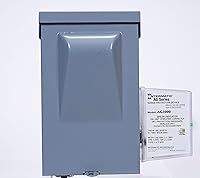
  • Enclosure Rating: Rated Type 4X, meaning the enclosure is watertight, dust-tight, and UV-resistant, suitable for permanent outdoor installation.
  • Materials: Housing is constructed from a combination of UV-resistant plastic and metal internal components.
  • Dimensions: The unit measures 4.3 × 2 × 4.5 inches, making it compact enough for installation in tight spaces near a condenser disconnect.
  • Weight: Weighs 5.3 oz, light enough for single-person mounting without additional support hardware.
  • Status Indicator: A single green LED on the unit face provides a visual confirmation that surge protection is active and the device is functioning.
  • Certification: UL Listed to ANSI/UL 1449 4th Edition, the current and most stringent industry standard for surge protective devices.
  • Installation Type: Suitable for both indoor and outdoor installations, typically wired directly into the HVAC equipment circuit at or near the disconnect box.
  • Product Warranty: Backed by a 3-year manufacturer product warranty covering defects in materials and workmanship.
  • Equipment Warranty: Includes a connected equipment warranty for 3 years, providing financial coverage for connected devices damaged by a surge while the unit is properly installed.
  • Package Contents: Each package includes one AG3000 unit; no batteries or additional accessories are required or included.
  • Market Availability: The AG3000 has been continuously available since August 2012, giving it one of the longer track records in its product category.

Related Reviews
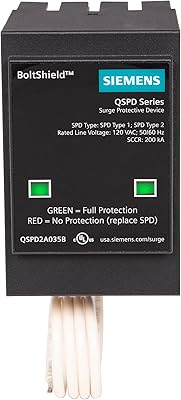
Siemens QSPD2A035B Surge Protective Device
90%
94%
Ease of Installation
92%
Surge Protection Effectiveness
89%
Build Quality and Durability
88%
Visual Indicators
90%
Compact Design
More
Square D HEPD80 Whole House Surge Protector 80kA
84%
93%
Surge Protection Performance
78%
Installation Experience
86%
Build Quality & Durability
91%
Universal Compatibility
82%
LED Status Indicator
More
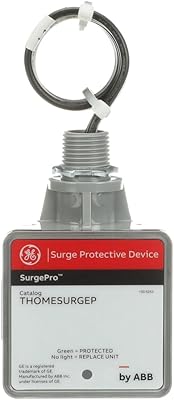
THOMESURGEP by ABB SurgePro Surge Protective Device
89%
94%
Surge Protection Effectiveness
89%
Ease of Installation
92%
Reliability
85%
LED Indicator Functionality
90%
Compliance with NEC Standards
More
Square D HEPD25 Whole House Surge Protection Device
87%
92%
Surge Protection Performance
87%
Ease of Installation
90%
Durability and Build Quality
88%
Value for Money
85%
Compatibility with Home Systems
More
Square D HOM250PSPD Whole House Surge Protection Device
85%
90%
Value for Money
93%
Ease of Installation
85%
Surge Protection Performance
88%
Compatibility with Electrical Systems
80%
Build Quality
More
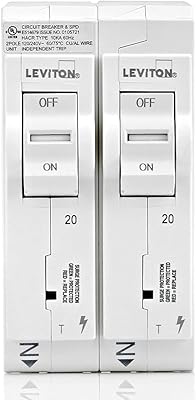
Leviton LSPD2-T Surge Protective Device with 2-20A 1-Pole Breakers
86%
94%
Ease of Installation
90%
Surge Protection Effectiveness
88%
Compatibility with Electrical Panels
80%
Reliability and Durability
86%
Value for Money
More
Intermatic IG1200RC3 Surge Protector
86%
89%
Surge Protection Performance
84%
Ease of Use
91%
Durability
88%
Build Quality
85%
Indoor/Outdoor Versatility
More
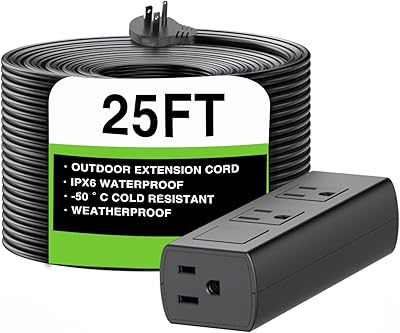
Zhenjiang 25FT Outdoor Extension Cord with Surge Protection
87%
92%
Weather Resistance
89%
Durability
85%
Ease of Use
90%
Surge Protection Effectiveness
88%
Length Flexibility
More
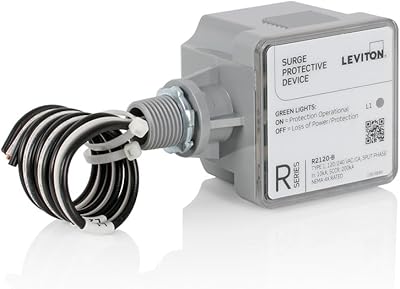
Leviton R2120-B Type 1 Surge Protective Panel
86%
94%
Protection Performance
88%
Ease of Installation
90%
Durability & Build Quality
91%
Compliance with NEC Standards
85%
Safety Features (MOVs & Thermals)
More
Plug'n 8 Outlet Power Strip with 2100J Surge Protection
86%
93%
Surge Protection Effectiveness
89%
Ease of Installation
91%
Durability and Build Quality
85%
Cord Length & Flexibility
88%
Outlet Spacing for Bulky Plugs
More

FAQ

Unless you are comfortable working inside an electrical panel or disconnect box, hiring a licensed electrician or HVAC technician is strongly recommended. The wiring involves a live 120/240 VAC circuit, and mistakes can be dangerous. Most installers complete the job in under 30 minutes, so the added labor cost is typically modest.

The AG3000 is compatible with any standard residential HVAC equipment running on a 120/240 VAC circuit, which includes central air conditioners, heat pumps, and most packaged units. If your system uses a non-standard voltage or a three-phase configuration, confirm compatibility with a professional before purchasing.

Check the green LED on the front of the unit — if it is lit, the device is active and protection is in place. If the LED is off after a significant storm or power event, the unit may have absorbed a severe surge and reached the end of its protective capacity, in which case it should be replaced. There is no surge-event log or degradation meter, so the LED is your primary indicator.

No, these serve different purposes. A whole-home panel protector guards all circuits broadly, while this unit is wired directly to your HVAC equipment and is specifically tuned for the current draw and protection needs of that system. Many electricians recommend using both — panel-level protection as the first layer, and a dedicated HVAC device like this one as a second line of defense.

Yes, the Type 4X enclosure is designed exactly for this use case. It is fully watertight, rated for UV exposure, and built to handle the temperature swings typical of outdoor condenser environments. Just make sure the mounting location keeps the unit off the ground and away from direct water pooling.

The connected equipment warranty is intended to provide financial coverage if a properly connected HVAC unit is damaged by a surge while the device is installed and functioning correctly. The specifics of the claim process — including required documentation — are outlined in Intermatic's warranty materials, which are worth downloading directly from their website before you need them. Keep your purchase receipt and installation records as supporting documentation.

Intermatic does not publish a fixed replacement interval, but industry guidance generally suggests inspecting any surge protective device after a known major surge event and replacing it if the status indicator has gone dark. In high-surge environments — areas with frequent lightning or unstable utility power — proactive replacement every few years is a reasonable precaution even if the LED remains lit.

It can be used with mini-splits that operate on a standard 120/240 VAC circuit, but mini-split wiring configurations vary significantly by brand and model. Confirm with your installer that the connection method aligns with the specific terminal layout of your outdoor compressor unit before proceeding.

A standard MOV (Metal Oxide Varistor) absorbs surge energy but can silently degrade over time, and in rare cases may overheat without any visible warning. TPMOV adds a thermal fuse to that equation — if the device ever reaches a dangerous temperature threshold, it disconnects itself automatically rather than continuing to operate in a potentially hazardous state. For a device mounted outdoors near expensive equipment, that added safety layer is meaningful.

This HVAC surge protector is designed to handle transient voltage surges that travel through the electrical supply lines — the kind caused by nearby lightning strikes, utility switching, or grid fluctuations. A direct lightning strike to your home or service entrance can produce energy levels that exceed what any surge protective device is designed to absorb. For direct strike protection, a combination of whole-home lightning protection and surge suppression at multiple levels offers the most comprehensive approach.