

Overview

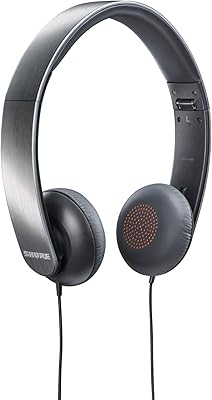
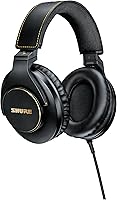
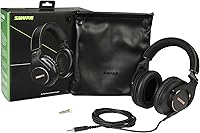
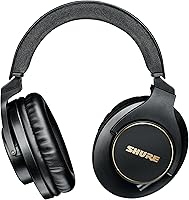
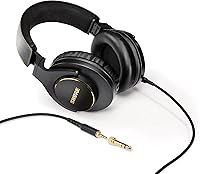
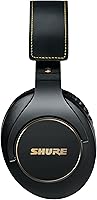
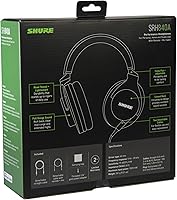
The Shure SRH840A arrives as a much-needed, modern update to a classic studio workhorse that engineers have relied on for years. Built primarily for critical listening and tracking, these closed-back studio headphones offer a functional, no-nonsense design. You will immediately notice the lightweight plastic build, which keeps neck fatigue at bay during marathon editing sessions, while the wide padded headband rests comfortably across the crown. Rather than feeling cheap, the materials prioritize utility and long-term wearability. In the box, you also get a generous three-meter straight cable that easily detaches, alongside a basic carrying bag for storage. It is a straightforward package that gets right to the point, focusing on reliable performance over flashy aesthetics.

Features & Benefits

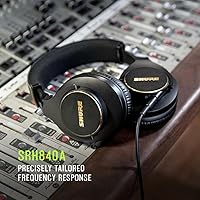
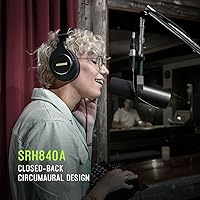
Under the hood, this monitoring headset utilizes 40-millimeter dynamic drivers tuned for a tailored frequency response spanning an impressive 5 to 25,000 Hertz. This provides an incredibly accurate representation of your mix, avoiding the artificial bass boosts common in consumer audio. The closed-back circumaural design provides excellent passive noise isolation—crucial for preventing mic bleed during vocal takes. Do not confuse this with active noise cancellation; it relies purely on the physical seal around your ears. When it is time to pack up, the collapsible frame folds down efficiently for easy transport between different recording locations. Furthermore, the 40 Ohm impedance means you can easily drive them straight from a laptop or standard audio interface without requiring a dedicated headphone amplifier.

Best For

If you spend your days tracking vocals or meticulously editing podcast tracks, these Shure over-ears are an exceptional tool. Studio professionals will appreciate the clinical accuracy required for serious mixing and mastering, where every frequency must be scrutinized. They are also highly recommended for voiceover artists and broadcasters who absolutely need zero microphone bleed while recording live takes. Beyond the professional sphere, budget-conscious audiophiles looking for budget studio monitor headphones will find a lot to love here. Anyone chasing a neutral, highly analytical sound signature for under 150 dollars will be hard-pressed to find a more capable option. They expose flaws in bad recordings while making well-produced tracks shine perfectly.

User Feedback

Looking at broader community consensus, audio engineers frequently praise the detailed, uncolored sound profile and deep, controlled bass response that never muddies the lower midrange. Buyers consistently highlight how the plush earcups and padded band maintain long-session comfort even after several hours of critical work. On the flip side, some users express disappointment that the heavily plastic construction feels noticeably less premium compared to heavier metal alternatives in similar price brackets. Despite this subjective material preference, the build holds up well to daily abuse. Another universally praised detail is the secure locking mechanism on the detachable cable, which prevents accidental unplugging if you step on the wire or roll your studio chair over it.

Pros

  • The uncolored, flat frequency response ensures you hear exactly what is in your mix.
  • Closed-back circumaural earcups provide exceptional passive isolation to prevent mic bleed during tracking.
  • A lightweight plastic chassis significantly reduces neck fatigue during long studio editing sessions.
  • The Shure SRH840A features a secure locking mechanism that prevents the cable from accidentally unplugging.
  • At 40 Ohms, they are incredibly easy to drive from a standard laptop or interface.
  • The collapsible frame folds down efficiently, making transport between commercial studios a breeze.
  • The wide, generously padded headband comfortably distributes weight across the crown of your head.

Cons

  • The clinical sound signature exposes harsh recording flaws and lacks an artificial bass boost.
  • Mostly plastic construction feels less premium than heavier metal competitors in the same price tier.
  • The synthetic leather ear pads can trap heat during extended sessions in warm environments.
  • The included carrying bag is extremely thin and offers zero structural protection against crushing.
  • A proprietary twist-lock connector makes finding cheap third-party replacement cables quite difficult.
  • The three-meter straight cable can easily become a tangled nuisance for simple desktop use.
  • Those with larger ears may find the internal earcup dimensions slightly cramped after several hours.

Ratings

We have aggregated thousands of verified global buyer experiences—actively filtering out bot spam and incentivized fluff—to generate this comprehensive performance breakdown of the Shure SRH840A. This AI-driven analysis transparently reflects both the standout acoustic strengths and the physical pain points you can expect during real-world studio tracking and mixing.

Sound Accuracy & Neutrality
94%
Audio professionals love the incredibly flat, uncolored frequency response these deliver for critical listening. You hear exactly what was recorded, making it much easier to balance complex vocal and instrumental tracks without second-guessing your final mix.
Casual listeners expecting a massive bass boost for electronic music or hip-hop will likely find the analytical sound profile too sterile. They are explicitly tuned to expose flaws in a raw recording, not to artificially sweeten your favorite playlists.
Passive Noise Isolation
88%
The closed-back circumaural earcups create an excellent physical seal around the ear, effectively blocking out ambient room noise. Voiceover artists and podcasters constantly praise them for preventing track-ruining microphone bleed during sensitive, close-mic vocal takes.
Because they rely entirely on a tight physical seal rather than active cancellation technology, they cannot completely silence low-frequency droning like a loud AC unit. If you wear thick glasses, the physical seal and resulting isolation can be noticeably compromised.
Ease of Drive (Impedance)
89%
With a very forgiving 40-Ohm impedance rating, you do not need to invest in a costly, dedicated headphone amplifier to get professional sound. They get sufficiently loud and maintain their dynamic range even when plugged directly into a standard laptop jack.
While easy to drive, hooking them up to a poorly shielded motherboard audio jack will readily expose the electrical hiss and noise floor of your computer. They are sensitive enough that you really need a clean audio source to avoid static.
Long-Session Comfort
83%
The generously padded, wide headband distributes the modest weight evenly across the crown of your head. Buyers frequently report wearing them through multi-hour podcast editing marathons without experiencing the dreaded clamping headache common with rigid studio gear.
The synthetic leather ear pads can trap heat and moisture during longer tracking sessions in warmer, unventilated environments. Some users with larger ears note that the interior dimensions of the cups feel slightly cramped after a few hours of continuous wear.
Value for Money
92%
At a sub-150 dollar price point, these over-ears deliver professional-grade sonic accuracy that easily rivals models costing twice as much. Budget-conscious musicians and beginner audiophiles consistently rate them as one of the smartest investments for upgrading a home recording setup.
The lack of premium accessories, like an alternative coiled cable or a hard travel case, detracts slightly from the overall unboxing experience. You are paying strictly for the internal audio engineering rather than luxurious extras or aesthetic flourishes.
Build Quality & Materials
71%
29%
The heavily plastic construction keeps the overall weight down, which is a major factor in reducing neck fatigue over time. Despite the lightweight feel, the chassis proves surprisingly resilient against the typical bumps and daily drops of a busy studio life.
Many reviewers express disappointment that the predominantly plastic frame lacks the premium, reassuring heft of metal alternatives found at similar price points. The hinges and adjustment sliders can feel slightly rigid or hollow when handling them off the head.
Cable Design & Utility
86%
The included three-meter straight cable offers plenty of slack for moving around a vocal booth or reaching an audio interface mounted in a rack. Users absolutely love the secure locking mechanism that prevents the cord from accidentally ripping out mid-take.
The proprietary twist-lock connector at the earcup makes it incredibly difficult to find cheap third-party replacement cables if the original breaks. Additionally, the sheer length of the straight cable can become a tangled nuisance if you are just sitting at a desk.
Portability & Storage
77%
23%
The collapsible frame design allows the massive earcups to fold inward, significantly reducing their footprint when you need to toss them into a backpack. This makes them a highly practical choice for traveling producers moving between different commercial studios.
The included carrying bag is just a thin, basic pouch that offers zero structural protection against crushing forces in a crowded bag. For professional travel, most users feel compelled to purchase a dedicated hard-shell case separately to prevent hinge damage.
Bass Response
82%
18%
Rather than artificially inflating the low end, these deliver tight, highly controlled bass that extends deep without muddying the lower midrange. Bassists and kick drum engineers appreciate the precise articulation that allows them to sculpt low frequencies accurately.
Electronic music producers who rely on feeling heavy sub-bass frequencies might find the low-end impact slightly underwhelming. The clinical approach to bass means you will not get that club-like thump many modern casual listeners are accustomed to hearing.
Midrange Clarity
94%
The midrange performance is exceptionally clear and upfront, making it incredibly easy to pinpoint subtle vocal nuances and dialogue details. This transparent presentation is why dialogue editors and audiobook producers consider them a highly reliable tool for their daily workflow.
Because the upper midrange is so revealing and forward, poorly mixed tracks or harsh sibilance in a vocal recording can sound physically fatiguing. They do not smooth over or hide harsh frequencies, which can make casual listening occasionally abrasive.

Suitable for:

The Shure SRH840A is custom-built for audio professionals, podcasters, and voiceover artists who require absolute precision in their workflow. Because of the excellent passive noise isolation provided by the closed-back design, these are ideal for tracking vocals in the same room as a sensitive microphone without worrying about backing track bleed. They are also a phenomenal choice for budget-conscious audiophiles seeking an analytical, neutral sound signature rather than a heavily colored one. If you spend your days scrutinizing mixes, editing podcast dialogue, or mastering tracks, this headset delivers the uncolored acoustic truth you need to make accurate decisions. Furthermore, the low 40-Ohm impedance means home studio owners can easily run them off standard laptops or entry-level audio interfaces without investing in a dedicated amplifier.

Not suitable for:

If you are looking for a fun, bass-heavy headset to make your hip-hop or electronic playlists sound massive, the Shure SRH840A will likely leave you disappointed. They are entirely devoid of active noise cancellation, meaning frequent travelers or commuters trying to block out deep engine rumble should look toward dedicated consumer travel options instead. The clinical, flat frequency response is designed to expose flaws in a recording, which can make poorly mixed music or harsh treble sound genuinely fatiguing during casual listening sessions. Additionally, buyers who prioritize premium metal construction and luxury aesthetics might find the predominantly plastic build unappealing for the price. Ultimately, these are highly specialized acoustic tools, not everyday lifestyle accessories for the average commuter.

Specifications

  • Brand: Manufactured and engineered by Shure.
  • Design Type: Features a closed-back, circumaural over-ear design for optimal sound isolation.
  • Audio Driver: Equipped with 40mm dynamic neodymium magnet drivers.
  • Impedance: Operates at a highly efficient nominal impedance of 40 Ohms.
  • Frequency Response: Delivers a tailored and accurate frequency range from 5 to 25,000 Hz.
  • Sensitivity: Rated at a sensitivity of 97 dB/mW at 1 kHz.
  • Weight: Weighs exactly 9.18 ounces without the detachable cable attached.
  • Cable Type: Includes a 9.84-foot straight cable that can be easily detached.
  • Connector Interface: Terminates in a 3.5mm jack and includes a threaded 1/4-inch gold-plated adapter.
  • Special Feature: Built with a collapsible frame mechanism for space-saving storage.
  • Earcup Material: Utilizes plush synthetic leather over memory foam for the replaceable ear pads.
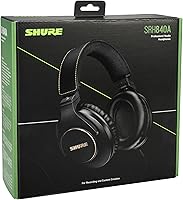
  • Included Accessories: Comes packaged with a soft carrying bag and the threaded adapter.

Related Reviews
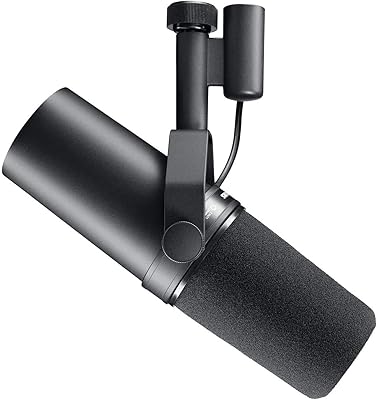
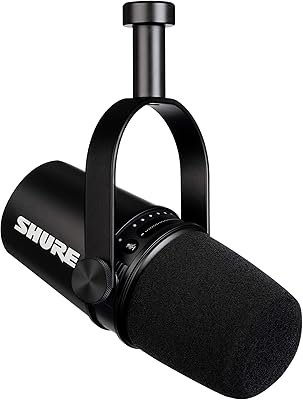
Shure MV7-K
Shure MV7-K
89%
95%
Sound Clarity
92%
Background Noise Rejection
94%
Build Quality
88%
Ease of Setup
90%
USB/XLR Versatility
More
Shure SM7B
Shure SM7B
83%
98%
Vocal Sound Quality
96%
Background Noise Rejection
94%
Build Quality & Durability
41%
Ease of Setup
88%
Plosive & Sibilance Control
More
Shure VP89L Microphone
86%
92%
Sound Quality
89%
Modularity
90%
Build Quality
85%
Ease of Use
91%
Directional Accuracy
More
Shure SRH145 Headphones
83%
79%
Sound Quality
93%
Portability
85%
Comfort
87%
Build Quality
70%
Noise Isolation
More
Shure Beta 57A
Shure Beta 57A
90%
97%
Build Quality
93%
Feedback Rejection
91%
Midrange Clarity
89%
Off-Axis Bleed Control
88%
Handling Noise Suppression
More
Shure PGA48-XLR
Shure PGA48-XLR
83%
93%
Build Quality
86%
Vocal Clarity
91%
Value for Money
82%
Feedback Rejection
74%
Handling Noise
More
Shure MVL Lavalier Microphone
80%
83%
Audio Clarity
88%
Build Quality
91%
Plug-and-Play Simplicity
79%
RF & Interference Rejection
71%
Omnidirectional Performance
More
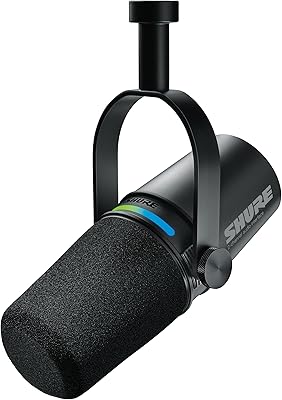
Shure MV7i
Shure MV7i
78%
91%
Audio Clarity
94%
Ease of Setup
88%
Auto Level Mode
89%
Built-in Audio Interface
76%
Noise Reduction & DSP
More
Shure WL185 Lavalier Microphone
87%
92%
Sound Quality
90%
Background Noise Rejection
88%
Durability and Build Quality
85%
Portability and Size
83%
Ease of Use/Setup
More
Shure PGA58
Shure PGA58
86%
93%
Build Quality
86%
Vocal Clarity
89%
Feedback Rejection
96%
Value for Money
84%
Switch Design
More

FAQ

No, they do not feature electronic active noise cancellation. Instead, they rely entirely on their closed-back, circumaural design to provide excellent passive noise isolation by physically sealing around your ears to block out ambient room noise.

Thanks to their closed-back design, these over-ears do a phenomenal job of keeping your backing tracks contained. This makes them highly recommended if you are tracking vocals with sensitive condenser microphones, as you will not have to worry about frustrating audio bleed ruining your takes.

Not at all. With a relatively low impedance rating of 40 Ohms, they are incredibly easy to drive. You can plug them directly into your laptop, smartphone, or a basic audio interface and still get plenty of volume and clarity without needing high-end amplification.

Yes, the synthetic leather ear pads can be easily removed and replaced. Since studio gear goes through a lot of daily wear and tear, swapping out old pads is a cost-effective way to refresh your monitoring headset without having to buy a completely new pair.

The headset comes with a generous 9.84-foot (or 3-meter) straight cable. This provides plenty of length for moving around a vocal booth or stretching to a rack-mounted interface, though it might feel a bit excessively long if you are just sitting stationary at a desk.

It is a bit tricky, as the connection point on the earcup features a proprietary twist-lock mechanism to keep it secure during active sessions. Because of this design, you will generally need to purchase official replacement cables or specifically designed third-party options that accommodate that exact locking feature.

It really depends on your sonic preferences. They offer a highly analytical, flat frequency response designed specifically to expose flaws in a studio mix, meaning they completely lack the artificial bass boost found in many consumer models. If you prefer a booming low-end for electronic music or hip-hop, these might sound a bit too clinical and sterile for your taste.

The collapsible frame allows the large earcups to fold inward toward the headband, making them surprisingly compact for throwing into a backpack. However, it is worth noting that the included carrying bag is just a soft pouch, so you may want to invest in a hard-shell case for serious travel protection against crushing.

The chassis is primarily constructed from lightweight, durable plastic to minimize neck fatigue during marathon editing sessions. While it might lack the premium, heavy feel of metal alternatives, the materials are deliberately chosen for long-term wearing comfort and practicality in a working studio environment.

Many users who wear glasses find them perfectly comfortable due to the wide, padded headband and the plush softness of the earcups. Just keep in mind that particularly thick frames might slightly break the physical seal around your ear, which can marginally reduce the effectiveness of the passive noise isolation.