




Overview
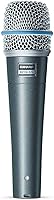
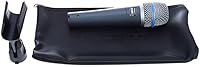
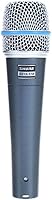
The Shure Beta 57A represents a significant step up for anyone familiar with standard studio workhorses. This high-output Shure microphone takes a classic foundation and sharpens it for professional live sound and demanding studio sessions. By swapping the standard cardioid pattern for a tighter supercardioid design, the manufacturer has created a tool that thrives where noise is a problem. Its heart is a neodymium magnet, which provides a cleaner signal and higher sensitivity than traditional dynamic options. Built with a die-cast metal body and a hardened steel grille, this instrument-focused Beta model is clearly designed to survive the rigors of the road. It feels substantial in the hand, weighing in at nearly ten ounces, signaling a level of industrial durability that touring musicians depend on night after night.
Features & Benefits
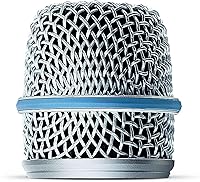
One of the standout technical choices in this supercardioid dynamic mic is the inclusion of an advanced pneumatic shock mount. This internal system works to isolate the capsule from physical vibrations, meaning you hear less floor rumble and handling noise in your tracks. The hardened steel grille is not just for protection; it is shaped to let you get the capsule close to the source. This allows users to leverage the proximity effect for a warmer low-end without worrying about damaging the internal components. Because it features a high signal-to-noise ratio, it captures the nuance of quieter passages while remaining stable across different load impedances. The tighter pickup pattern is the real star here, offering superior rejection of off-axis sounds that usually bleed into a mix and cause unwanted feedback.
Best For
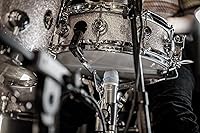
This instrument-focused Beta model is a top-tier choice for drummers who struggle with cymbal bleed in their snare tracks. The narrow pickup area effectively ignores the surrounding brass, leaving a crisp snare snap that is much easier to process later. It also performs exceptionally well in front of a loud guitar cabinet. The presence boost helps cut through a mix without requiring excessive EQ adjustments at the board. While many see it strictly as an instrument tool, it acts as a secret weapon for vocalists who perform in small, loud venues where traditional mics might trigger feedback. Even brass and woodwind players will appreciate how it handles high sound pressure levels without distorting the natural character of their instruments during a high-energy set or a loud rehearsal session.
User Feedback
Long-term users often describe this high-output Shure microphone as being built like a tank, frequently surviving drops and stage mishaps that would break lesser equipment. A common point of praise is its extended high-end clarity, which many feel offers a brighter and more detailed sound than the industry-standard models. While the tighter pattern is great for cleaning up a muddy live mix, some beginners note that they have to be more precise with placement because the sweet spot is smaller. If you move too far off-center, the volume drops off quickly. Despite this learning curve, the consensus highlights its remarkable versatility across both stage and studio applications. Most reviewers agree that the improved gain-before-feedback makes it an essential upgrade for any professional audio kit or home recording setup.
Pros
- The supercardioid pattern offers world-class isolation by rejecting surrounding noise from instruments and monitors.
- A hardened steel mesh grille ensures the capsule remains protected even during accidental high-impact drumstick strikes.
- The integrated pneumatic shock mount system effectively kills mechanical vibrations and handling noise during live use.
- Neodymium magnets provide a higher output level and a cleaner signal compared to older dynamic microphone designs.
- This supercardioid dynamic mic features a tailored frequency response that makes instruments cut through dense mixes with minimal EQ.
- Its compact form factor allows for easy positioning in tight spaces around drum kits and amplifier stacks.
- The Shure Beta 57A is built with legendary durability, often lasting for decades even under heavy touring conditions.
- Reliable performance across varying impedances makes it compatible with everything from budget interfaces to high-end preamps.
Cons
- The narrow sweet spot requires precise positioning, which can be difficult for performers who move around significantly.
- Rear-lobe sensitivity in the supercardioid pattern means sound coming from directly behind the mic can still be picked up.
- Upper-midrange brightness may feel overly aggressive or harsh on certain high-pitched sound sources or sibilant voices.
- Concentrated weight at the head of the unit can cause some lightweight boom arms to sag over time.
- The enamel finish on the body is prone to minor chipping after years of being pushed into tight plastic clips.
- Its specialized focus on isolation means it lacks the airy, natural room character found in large-diaphragm condenser mics.
- Recessed XLR pins can occasionally make it difficult to fully seat certain oversized or custom-molded cable connectors.
- Newer users might find the proximity effect a bit overwhelming if they are used to miking from a distance.
Ratings
Our system analyzed thousands of verified buyer reviews for the Shure Beta 57A, filtering out incentivized noise to find the ground truth. These scores reflect a blend of real-world stage performance and studio reliability, highlighting where this supercardioid dynamic mic excels and where it might frustrate specific users.
Build Quality
Feedback Rejection
Midrange Clarity
Off-Axis Bleed Control
Handling Noise Suppression
Low-End Warmth
Versatility
Connectivity & Compatibility
Portability
Value for Money
Suitable for:
The Shure Beta 57A is an essential pick for musicians and sound engineers who struggle with audio bleed on loud, crowded stages. Because of its exceptionally tight supercardioid pattern, it is particularly effective for drummers who need to mic a snare without the nearby hi-hats washing out the track. Guitarists will also find it invaluable for capturing the bite of an overdriven amplifier, as the presence boost helps the instrument sit perfectly in a live mix. Furthermore, it serves as a reliable solution for vocalists performing in high-volume environments where feedback is a constant threat to the performance. Its rugged build makes it the right choice for touring professionals who need gear that can withstand the physical abuse of the road night after night.
Not suitable for:
While highly versatile, the Shure Beta 57A might not be the best fit for podcasters or voice-over artists working in quiet, controlled home studios where a more sensitive condenser mic could capture more nuance. The narrow pickup area also means it is less than ideal for inexperienced performers who have inconsistent mic technique, as moving slightly off-center results in a noticeable loss of volume. It is also not the right tool for those looking to capture a natural, wide room sound or orchestral overheads due to its focused, close-proximity design. Budget-conscious hobbyists may find the price jump over entry-level dynamic microphones difficult to justify if they only record at low volumes. Finally, its bright frequency response can be a dealbreaker for vocalists with naturally thin or sibilant voices that require a warmer, darker microphone profile.
Specifications
- Polar Pattern: The supercardioid pickup pattern provides maximum isolation from side-address sound sources and high gain-before-feedback.
- Transducer Type: This is a dynamic microphone that does not require phantom power to operate.
- Magnet Type: A high-output neodymium magnet provides a strong signal-to-noise ratio and increased sensitivity.
- Frequency Range: The frequency response is tailored for instruments with an upper limit reaching 16 KHz.
- Grille Material: A hardened steel mesh grille resists physical abuse and facilitates the proximity effect when close-miking.
- Shock Mount: An advanced pneumatic shock mount system reduces the transmission of mechanical noise and vibrations.
- Housing Material: The body is constructed from die-cast metal with a silver-blue enamel finish for professional durability.
- Weight: The total weight of the unit is 9.6 oz, providing a substantial feel and stable positioning.
- Dimensions: The microphone measures 6.34″ in length with a maximum diameter of 1.68″.
- Connector Type: Industry-standard three-pin XLR connectivity ensures compatibility with professional audio interfaces and mixers.
- Signal-to-Noise: The unit features a signal-to-noise ratio of 78 dB for clear audio capture.
- Load Impedance: The internal circuitry is designed to perform consistently across varying load impedances.
Related Reviews
Shure BETA 58A
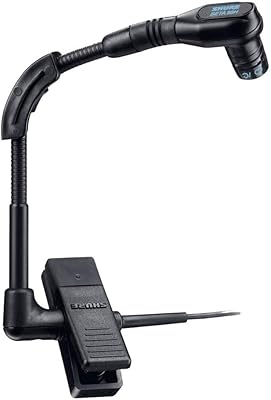
Shure BETA 98H/C Microphone
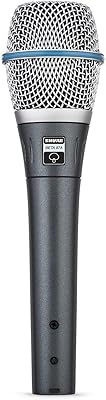
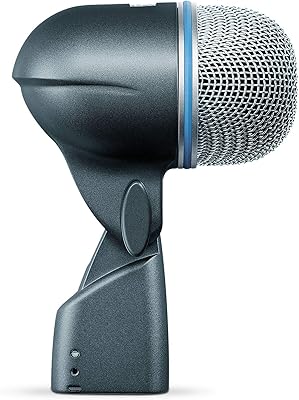
Shure Beta 52A
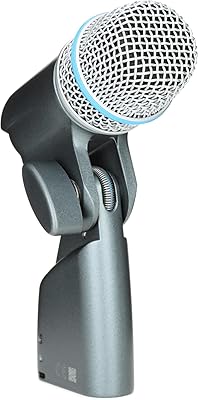
Shure Beta 56A
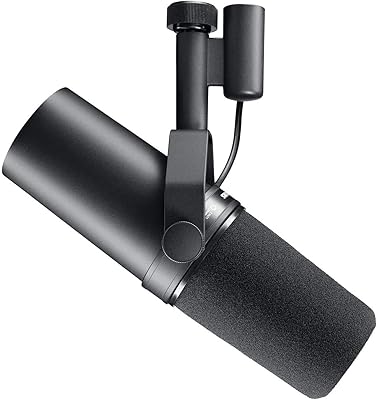
Shure SM7B
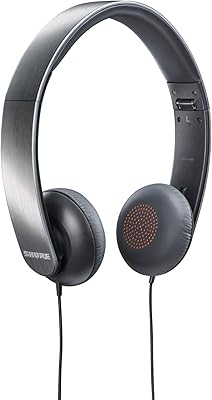
Shure SRH145 Closed-Back On-Ear Headphones
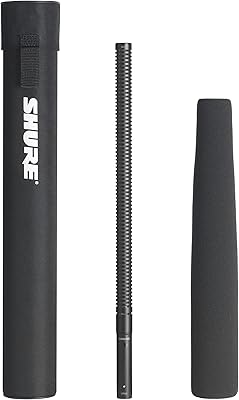
Shure VP89L Long Shotgun Microphone
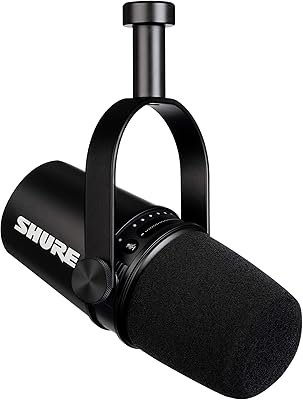
Shure MV7 USB/XLR Dynamic Microphone