

Overview

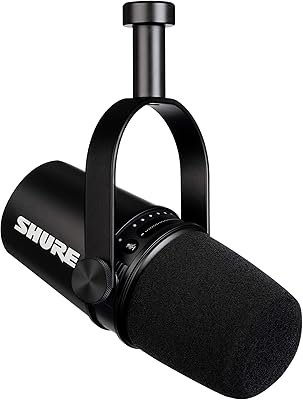
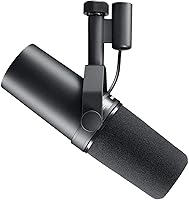
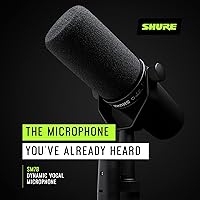
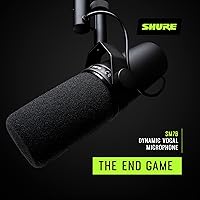
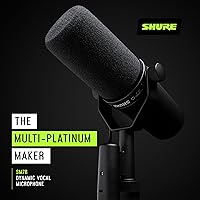
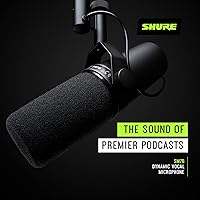
The Shure SM7B has earned its reputation as an industry standard for voice work, delivering that distinctly smooth, warm vocal capture you hear on countless top-tier shows. It is a serious piece of hardware crafted with heavy-duty metal construction built for true longevity in the studio. However, anyone reading a review for podcasting needs to understand the power requirements before buying. This is definitely not a budget or beginner option; it demands an audio interface capable of providing at least 60dB of clean gain to function properly. If you just plug it into a basic, entry-level mixer, you will likely end up with a frustratingly quiet signal. When properly powered, though, the rich tonal quality it provides is genuinely hard to match.

Features & Benefits

What makes this dynamic microphone so incredibly popular is how forgiving it is in less-than-perfect acoustic spaces. The tight cardioid polar pattern actively rejects background noise, meaning you do not need a perfectly treated vocal booth to get great results. Under the hood, it utilizes air suspension shock isolation to drastically reduce mechanical transmission from desk bumps or mic arm adjustments. It also features a highly effective built-in pop filter that knocks out harsh plosives and breathiness without needing an external shield. Additionally, the internal advanced electromagnetic shielding actively defeats that annoying low-level hum you sometimes get from computer monitors and other nearby studio equipment. Getting your gain requirements explained is the only real learning curve to unlocking these impressive features.

Best For

If you are wondering if investing in high-end audio is worth it for streaming, the answer depends entirely on your recording environment. Professional podcasters and radio broadcasters rely on the Shure studio mic precisely because it delivers a classic, authoritative broadcast tone reliably. It is arguably the best dynamic microphone available for creators who have to record in untreated acoustic environments like typical home offices or bedrooms. Beyond spoken word content, it is also highly sought after for studio vocal recording and professional music production, particularly for aggressive rock vocals where you need high SPL handling. Voiceover artists seeking that rich, upfront radio sound will find this gear absolutely essential for their daily workflow.

User Feedback

Looking through buyer experiences, owners consistently praise the iconic broadcast sound quality that this broadcast workhorse instantly provides right out of the box. Users are particularly impressed by its ability to ignore room echo, making it a lifesaver for those with noisy neighbors or loud air conditioning. On the downside, a very frequent point of frustration for new buyers is the hidden cost; you will almost certainly need to purchase an expensive inline preamp like a Cloudlifter to get adequate volume levels. Despite that extra investment, the rugged professional-grade build earns incredibly high marks, with many reviewers noting the hardware feels practically indestructible even after years of daily handling. Ultimately, the consensus is that the audio quality justifies the steep setup costs.

Pros

  • Delivers the iconic, rich broadcast vocal tone favored by top-tier podcasters and radio professionals.
  • Exceptional background noise rejection makes it ideal for recording in untreated or highly echoing rooms.
  • The heavy-duty metal chassis is incredibly rugged and built to withstand years of daily studio abuse.
  • Includes built-in pop filters that effectively tame harsh plosives and breathiness without needing an external shield.
  • Advanced internal electromagnetic shielding completely blocks out annoying low-level hum from computer monitors and studio gear.
  • Features internal air suspension shock isolation to drastically reduce the transmission of mechanical desk bumps.
  • Capable of handling incredibly loud sound sources without distorting, adding excellent versatility for music production.

Cons

  • The incredibly steep gain requirement makes the initial setup complex and frustrating for audio beginners.
  • You will almost certainly need to purchase an expensive inline preamp to achieve usable volume levels.
  • Its heavy 2.7-pound weight causes budget boom arms and cheap desktop stands to sag continuously.
  • The rear-facing XLR input design can make cable management awkward when adjusting certain mounting brackets.
  • The thickest included foam filter can severely muffle higher frequencies, causing some producers to remove it.
  • It performs poorly when trying to record very quiet, delicate sound sources like acoustic guitar or ASMR.

Ratings

To provide a definitive look at the Shure SM7B, our AI analyzed thousands of verified global buyer reviews, actively filtering out spam and incentivized feedback to ensure absolute accuracy. We have synthesized these real-world experiences to highlight both the undisputed strengths and the critical pain points you need to consider. The resulting scores reflect how this dynamic microphone actually performs in daily recording environments.

Vocal Sound Quality
98%
Creators consistently praise the legendary broadcast tone this dynamic microphone delivers right out of the box. It provides a rich, warm low-end and smooth highs that instantly make podcasts and voiceovers sound professional. It captures the natural timbre of spoken word beautifully without sounding artificial.
Some users note that without proper EQ, the heavy low-end can sound slightly muddy on naturally deep voices. It lacks the ultra-crisp, airy high frequencies you might get from a high-end condenser, which some singers actually prefer for modern pop vocal production.
Background Noise Rejection
96%
This broadcast workhorse is highly rated for its ability to completely ignore untreated room acoustics and ambient noise. Reviewers frequently mention recording in lively bedrooms or near busy streets without picking up the distracting echo or traffic sounds that ruin takes.
The tight cardioid pattern requires disciplined mic technique, meaning you must stay directly on-axis. If a streamer turns their head slightly to look at a second monitor, the volume and tone drop off dramatically, which frustrates highly animated hosts.
Build Quality & Durability
94%
The heavy-duty metal chassis is frequently described as built like a tank, surviving daily abuse in busy studios. Owners report dropping the unit or aggressively adjusting boom arms for years without any noticeable degradation in hardware integrity or audio performance.
The sheer weight of the 2.7-pound chassis means it is too heavy for cheap, entry-level desktop stands or budget boom arms. Users often find their stands sagging mid-stream, forcing them to spend extra money upgrading their mounting hardware to support the heft.
Ease of Setup
41%
59%
Once everything is properly connected and routed, the physical mounting process is straightforward thanks to the integrated locking yoke mount. Users appreciate that it attaches securely to standard boom arms without needing a separate, bulky shock cage to get started.
The notoriously steep gain requirements make the initial setup a nightmare for beginners. Buyers constantly complain about needing an expensive inline preamp, like a Cloudlifter, just to get a usable volume level, turning a simple plug-and-play dream into a complex routing project.
Plosive & Sibilance Control
88%
The included close-talk foam windscreens do a remarkable job of taming harsh plosives and breathiness during intimate vocal takes. Broadcasters love that they can get right up on the grille for that boomy radio voice without constantly ruining takes with popping P-sounds.
While the thickest included foam filter stops plosives perfectly, some producers feel it severely muffles the higher frequencies. Users often end up removing the larger cover to retain vocal clarity, which then forces them to buy a traditional mesh pop filter anyway.
Electromagnetic Shielding
91%
The advanced internal shielding brilliantly defeats the notorious electronic hum generated by modern computer monitors and studio gear. Creators working in tight, equipment-dense spaces celebrate being able to position the mic directly in front of glowing screens without introducing nasty electrical buzz.
The shielding adds significant bulk and weight to the overall design, making the chassis quite unwieldy. A few reviewers also noted that extremely powerful older CRT monitors or unshielded power bricks placed immediately adjacent can still introduce very faint interference under maximum gain.
Aesthetic & Form Factor
89%
The sleek, charcoal gray cylindrical design looks incredibly professional on camera, elevating the visual production value of any video podcast or Twitch stream. Its unobtrusive profile does not block the host's face, which is a massive bonus for visual content creators.
The rear-facing XLR input and mounting bracket design can make cable management awkward on certain boom arms. Reviewers point out that depending on how you angle the chassis, the thick XLR cable can stick out awkwardly and restrict smooth positioning adjustments.
Shock Isolation
83%
The internal air suspension system effectively absorbs the low-frequency thumps caused by typing on a keyboard or accidentally bumping the desk. Gamers and live streamers report that this internal isolation keeps their audio feed surprisingly clean during intense, physically active gaming sessions.
Despite the clever internal suspension, it is not completely immune to aggressive desk vibrations or severe impacts. Users who pound their desks in frustration or type on extremely heavy mechanical keyboards still report low-end rumble bleeding into their vocal tracks occasionally.
Versatility
78%
22%
While famous for podcasting, studio engineers frequently deploy this unit for recording aggressive rock vocals, loud snare drums, and high-gain guitar cabs. The impressive SPL handling means it can take punishingly loud sound sources without distorting, making it a great studio all-rounder.
It struggles significantly with quiet sound sources like delicate fingerstyle acoustic guitar or whispered ASMR vocals. Because it requires so much gain to pick up nuanced, quiet sounds, users report that turning the preamp up high enough introduces unacceptable levels of system hiss.
Value for Money
67%
33%
Professionals view this purchase as a lifetime investment, noting that the legendary sound quality rivals gear costing three times as much. For serious voiceover artists and studio engineers, the long-term reliability and undeniable prestige make the premium price tag feel completely justified.
Hobbyists and new streamers frequently express buyer remorse once they realize the true total cost of ownership. After purchasing the microphone itself, a high-quality interface, and the necessary inline gain booster, the final bill completely shatters standard home studio budgets.

Suitable for:

The Shure SM7B is the ultimate tool for professional podcasters, radio broadcasters, and serious content creators who demand uncompromising vocal clarity. It is particularly invaluable for streamers and voiceover artists working in untreated acoustic environments, such as typical home offices or lively bedrooms. Thanks to its tight cardioid polar pattern, it excels at rejecting background noise, ensuring your audience hears you rather than your room echo or keyboard clatter. Furthermore, studio engineers will find it highly capable for recording aggressive rock vocals and loud instruments that require a microphone with excellent SPL handling. If you are looking to invest in a lifelong piece of audio equipment that delivers a classic, warm broadcast tone reliably, this broadcast workhorse is an outstanding choice.

Not suitable for:

Hobbyists, beginners, or those on a strict budget should steer clear of the Shure SM7B due to its steep total cost of ownership. It is notoriously power-hungry, requiring an audio interface or dedicated preamp capable of providing at least 60dB of clean gain to function correctly. If you intend to simply plug a microphone directly into your laptop or use a basic, entry-level mixer, you will be left with a frustratingly quiet and unusable audio signal. Additionally, this dynamic microphone is a heavy piece of hardware weighing nearly three pounds, making it incompatible with cheap desktop stands or flimsy boom arms that will sag under its weight. Finally, creators looking to record highly nuanced, quiet sound sources like delicate acoustic guitar or whispered ASMR will find it struggles to capture those subtleties without introducing system hiss.

Specifications

  • Transducer Type: This hardware utilizes a dynamic cartridge design for smooth and natural vocal capture.
  • Polar Pattern: It features a classic cardioid pattern to effectively reject off-axis background noise.
  • Frequency Response: The unit captures a wide audio frequency range spanning from 50 Hz to 20 kHz.
  • Impedance: The internal electrical impedance for this model is rated at 150 Ohms.
  • Connectivity: It connects to audio interfaces and mixers using a standard professional 3-pin XLR cable.
  • Color: The sleek exterior features a professional dark charcoal gray finish.
  • Material: The chassis is constructed from heavy-duty metal to ensure long-term studio durability.
  • Weight: The entire assembly weighs a substantial 2.7 pounds.
  • Dimensions: The physical dimensions measure 13.5 by 7 by 4.5 inches.
  • Gain Requirement: Your audio interface or preamp must provide a minimum of 60dB of clean gain to operate effectively.
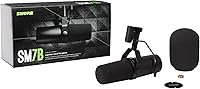
  • Included Windscreens: The package includes both a standard foam windscreen and a thicker close-talk windscreen.
  • Mounting Hardware: It comes with an integrated locking yoke mount for secure attachment to standard boom arms.
  • Shielding: Advanced electromagnetic shielding is built directly into the housing to defeat electronic hum.
  • Shock Isolation: Internal air suspension actively reduces the transmission of mechanical noise and desk bumps.

Related Reviews
Shure MV7-K
Shure MV7-K
89%
95%
Sound Clarity
92%
Background Noise Rejection
94%
Build Quality
88%
Ease of Setup
90%
USB/XLR Versatility
More
Shure VP89L Microphone
86%
92%
Sound Quality
89%
Modularity
90%
Build Quality
85%
Ease of Use
91%
Directional Accuracy
More
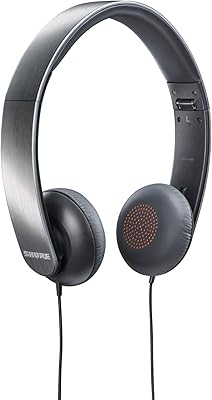
Shure SRH145 Headphones
83%
79%
Sound Quality
93%
Portability
85%
Comfort
87%
Build Quality
70%
Noise Isolation
More
Shure Beta 57A
Shure Beta 57A
90%
97%
Build Quality
93%
Feedback Rejection
91%
Midrange Clarity
89%
Off-Axis Bleed Control
88%
Handling Noise Suppression
More
Shure PGA48-XLR
Shure PGA48-XLR
83%
93%
Build Quality
86%
Vocal Clarity
91%
Value for Money
82%
Feedback Rejection
74%
Handling Noise
More
Shure WL185 Lavalier Microphone
87%
92%
Sound Quality
90%
Background Noise Rejection
88%
Durability and Build Quality
85%
Portability and Size
83%
Ease of Use/Setup
More
Shure SM11 Lavalier Microphone
84%
87%
Audio Quality
91%
Build Quality & Durability
93%
Portability & Design
85%
Ease of Use & Setup
82%
Accessory Bundle
More
Shure PGA58
Shure PGA58
86%
93%
Build Quality
86%
Vocal Clarity
89%
Feedback Rejection
96%
Value for Money
84%
Switch Design
More
Shure MVL Lavalier Microphone
80%
83%
Audio Clarity
88%
Build Quality
91%
Plug-and-Play Simplicity
79%
RF & Interference Rejection
71%
Omnidirectional Performance
More
Shure MV7i
Shure MV7i
78%
91%
Audio Clarity
94%
Ease of Setup
88%
Auto Level Mode
89%
Built-in Audio Interface
76%
Noise Reduction & DSP
More

FAQ

No, it does not have a USB connection. It requires a traditional XLR cable plugged into a dedicated audio interface. You cannot plug it directly into your laptop or desktop without that external hardware intermediary.

This dynamic microphone is notoriously power-hungry and needs significant amplification. Your audio interface must be capable of providing at least 60dB of clean gain. If your interface cannot push that much power, you will need to purchase an inline preamp, like a Cloudlifter, to boost the signal to a usable level.

You generally do not need an external shield because it comes with excellent built-in foam windscreens. The package includes both a standard foam cover and a thicker close-talk windscreen. These attachments do a fantastic job of eliminating harsh plosives and breathiness entirely on their own.

Its cardioid polar pattern is specifically designed to reject off-axis background noise, which helps tremendously. As long as you position the capsule so the back is facing your keyboard, it will ignore most of those distracting clicking sounds. It also features internal air suspension to reduce the thumps of you pressing the keys.

We strongly advise against using budget mounting hardware. Weighing in at 2.7 pounds, the heavy-duty metal construction will cause most cheap desktop stands and flimsy boom arms to sag uncontrollably. You will absolutely need a premium, heavy-duty arm to support the weight safely.

No, phantom power is not required for the unit itself. However, if you add an inline preamp to boost your signal due to the high gain requirements, that specific accessory will require phantom power to operate. The hardware will not be damaged if phantom power is accidentally left on from your mixer.

It excels in less-than-perfect acoustic environments compared to sensitive condenser alternatives. Because it utilizes a tight pickup pattern, it actively ignores most room reflections and ambient noise. This makes it ideal for recording in typical home offices or lively bedrooms without professional acoustic wall treatment.

For that classic, warm radio tone, you want to be quite close, usually around one to three inches away from the foam. Getting close takes advantage of the proximity effect, which naturally boosts the low-end bass frequencies in your voice. Just make sure to speak directly into the front end, not the side.

No, it handles electronic interference exceptionally well. It features advanced internal electromagnetic shielding specifically designed to defeat the low-level hum generated by computer monitors and other nearby studio equipment. You can confidently place it right next to your gaming setup without introducing an annoying buzz.

While it is an incredible tool for vocals and loud instruments like drum snares or electric guitar amps, it is not ideal for very quiet sound sources. Capturing delicate fingerpicking on an acoustic guitar or whispered ASMR vocals requires turning the gain up extremely high. Pushing your preamp that hard will usually introduce a noticeable, unacceptable hiss into your final recording.