
Overview

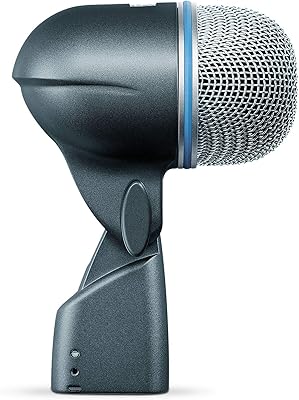
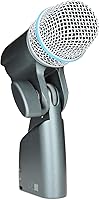
Setting up a drum kit in a tight studio or a packed stage usually means fighting for every inch of clearance. The Shure Beta 56A was designed specifically to solve that problem without sacrificing audio quality. This drum mic features a unique, low-profile design that tucks neatly under cymbals and between stands where traditional long-bodied microphones simply will not fit. Its alloy steel construction feels incredibly substantial in the hand, weighing about 16.7 ounces, which provides a level of rugged stability you just do not get with plastic alternatives. By integrating the swivel-mount adapter directly into the base, Shure has removed the need for separate clips that often slip or break during a heavy session. It is a workhorse built for the punishing environment of professional touring.

Features & Benefits

Inside this instrument dynamic, a neodymium magnet provides a hot output that maintains a clean signal even when the drummer is really digging in. The supercardioid polar pattern is a major advantage here because it aggressively rejects off-axis sound, meaning you hear the snare and not the wash from the nearby crash cymbals. To handle the inevitable vibrations of a shaking drum riser, an internal pneumatic shock mount effectively isolates the capsule. This drum mic also sports a hardened steel grille that can withstand a direct hit from a wayward drumstick without denting. The frequency response is specifically voiced to emphasize the initial attack of a hit, giving your mix the presence and punch it needs to cut through a dense wall of guitars.

Best For

Engineers looking for a reliable way to capture percussion will find the snare microphone indispensable for its ability to squeeze into crowded setups. It excels in high-volume live environments because the tight pickup pattern allows for significant gain before feedback becomes an issue. Beyond the drum kit, this instrument dynamic is a fantastic choice for brass and saxophones, where its ability to handle high sound pressure levels allows it to capture the full energy of the performance. It also works surprisingly well on guitar cabinets when you want a sound that is a bit more focused and refined than a standard utility mic. Since it is a passive dynamic unit, you can plug it into any interface or mixer without worrying about engaging phantom power.

User Feedback

The general consensus among touring professionals is that the snare microphone is a tank that survives years of road abuse. Many users highlight the secure locking mechanism on the mount, noting that once you angle it, it stays exactly where you put it despite constant vibrations. While some find the unit surprisingly heavy for its size, that weight is generally viewed as a sign of high-end build quality. A common point of praise is how much cleaner the drum tracks sound compared to standard cardioid alternatives, thanks to the superior isolation provided by the capsule. Occasionally, people mention that the connector can be slightly awkward in extremely cramped spaces, but most agree the compact housing and crisp audio performance more than make up for any minor inconvenience.

Pros

  • The supercardioid pattern provides exceptional isolation, keeping unwanted cymbal bleed out of your snare and tom tracks.
  • Its integrated swivel-mount adapter makes setup incredibly fast and eliminates the need for separate, easily lost mic clips.
  • The hardened steel mesh grille is tough enough to withstand accidental strikes from heavy-hitting drummers without denting.
  • A high-output neodymium magnet ensures this drum mic delivers a strong signal with very low self-noise.
  • The compact, low-profile body fits easily into the tightest gaps between cymbals and drum hardware.
  • Shure Beta 56A offers legendary durability, making it a reliable choice for the rigors of professional touring.
  • The internal pneumatic shock mount effectively reduces mechanical noise and stand vibrations during loud performances.
  • Its tailored frequency response adds a professional level of punch and clarity to percussive hits.

Cons

  • At over a pound, the snare microphone is surprisingly heavy and can cause lightweight boom arms to sag over time.
  • The fixed mount design means you cannot use standard third-party clips or universal shock mounts with this housing.
  • Its narrow pickup field requires very precise positioning, which can be frustrating for inexperienced users during setup.
  • The integrated XLR jack can be difficult to access with certain oversized or right-angled cable connectors in tight spaces.
  • This instrument dynamic can sound overly aggressive or harsh on certain brass instruments without careful EQ adjustment.
  • The high price tag makes it a significant investment for hobbyists looking to mic an entire drum kit.
  • A locking screw on the mount can become difficult to tighten or loosen if it gets clogged with dust.

Ratings

To help you navigate the crowded market for percussion gear, our AI analyzed thousands of verified owner reviews for the Shure Beta 56A, filtering out bot-generated noise and incentivized feedback. These ratings offer a transparent look at how this drum mic performs in real-world scenarios, highlighting both its technical triumphs and occasional practical drawbacks.

Build Quality
96%
Users frequently rave about the robust alloy steel body, noting it comfortably survives years of heavy touring and the inevitable accidental stick hits without a single dent. This level of hardware durability is exactly what professional road crews look for when selecting gear for long stints on the highway.
The substantial weight of nearly seventeen ounces can catch you off guard, occasionally causing lighter or cheaper boom stands to droop if the clutch isn't tightened with extra force. This makes it less than ideal for lightweight travel kits where every ounce of weight on the stand matters.
Mounting & Hardware
92%
The integrated swivel-mount is a standout feature for stage technicians, as it completely removes the headache of managing separate clips that often crack or get lost. Having the mount built directly into the housing ensures the snare microphone stays perfectly aligned throughout an entire energetic performance without shifting.
Because the mount is fixed to the microphone body, you lose the ability to swap it out for specialized third-party rim clips or flexible arms. This lack of modularity can be frustrating in rare studio setups where an extremely specific or unusual mic angle is required for recording.
Off-Axis Rejection
89%
The tight supercardioid pickup pattern does an exceptional job of focusing on the intended source while ignoring the loud cymbal wash from nearby. This results in much cleaner drum tracks that require far less gating or aggressive equalization during the post-production and mixing phase of a project.
This extreme focus means that placement becomes critical, as even moving this drum mic an inch in the wrong direction can drastically change the tonal balance. Users who are not experienced with precise mic positioning might find the initial setup a bit more demanding than using broader cardioid mics.
Physical Footprint
94%
Its compact dimensions make it the perfect tool for working around modern drum kits where space between the hi-hat and snare is usually extremely tight. The ability to tuck the snare microphone into small gaps allows for better ergonomics and less chance of the drummer accidentally hitting the gear.
While the body is small, the integrated XLR connector can create a bit of bulk when combined with standard heavy-duty cable boots. In some specific, ultra-tight configurations, the cable itself might stick out more than expected, requiring careful routing to keep the kit area clean and safe.
Snare Drum Capture
91%
Most users find the tailored frequency response provides an immediate snap and clarity to snare drums, allowing them to cut through a dense mix effortlessly. It captures the initial crack of the drum with a level of detail that brings out the nuance of a drummer's playing style.
For more subtle genres like jazz or acoustic folk, this instrument dynamic might sound a bit too bright or aggressive out of the box. Engineers looking for a warm, vintage tone might find themselves reaching for their EQ knobs to roll off some of that high-end presence.
Tom Drum Resonance
87%
Drum enthusiasts appreciate how this instrument dynamic captures the punch and resonance of rack toms without taking up much visual space. It provides a solid, professional sound that translates well across various sound systems, making it a reliable choice for both local club gigs and larger theater venues.
Some engineers have noted that the low-end response can feel a bit thin on larger floor toms compared to specialized large-diaphragm microphones. You might need to add a bit of sub-frequency boost in the mix if you are looking for that earth-shaking, deep low-end thump.
Brass & Woodwind Clarity
78%
22%
When used on trumpets or saxophones, the snare microphone delivers a crisp attack and enough presence to ensure the horn section doesn't get buried. Its ability to handle incredibly high sound pressure levels means you never have to worry about the capsule distorting during even the loudest solos.
The frequency curve that works so well on drums can sometimes make brass instruments sound slightly shrill or overly piercing in the upper-midrange. This characteristic requires careful gain staging and perhaps a bit of high-cut filtering to keep the horns sounding smooth and natural rather than harsh.
Vibration Isolation
83%
The internal pneumatic shock mount is highly effective at isolating the capsule from mechanical vibrations that travel through the drum stand. This results in a cleaner recording with fewer distracting low-frequency bumps, which is especially important when capturing a heavy-handed drummer in a live concert setting.
On particularly unstable stages or when using very light stands, some mechanical rumble can still be detected in the signal path. While it is much better than basic mics, it isn't completely immune to heavy stage stomping, which might necessitate using an external high-pass filter for total clarity.
Signal Strength
86%
With its high-quality neodymium magnet, this instrument dynamic offers a strong output level that works perfectly with almost any audio interface or mixer preamp. You won't have to crank your gain to the maximum, which helps keep the noise floor low and ensures a clean, professional recording.
The hot output can occasionally overwhelm very sensitive inputs on entry-level gear or older vintage preamps that lack an input pad. If you are recording an extremely aggressive percussionist, you may need to check your meters carefully to ensure you aren't clipping the signal at the preamp stage.
Guitar Cabinet Performance
81%
19%
Using this drum mic on a guitar cabinet results in a focused and mid-forward tone that helps electric guitars find their place in a mix. It provides a distinct alternative to the usual industry-standard options, offering a bit more bite and definition that works particularly well for modern rock.
Some guitarists might miss the warm, compressed low-mid character that they are used to hearing from more traditional dynamic microphones. If you are aiming for a classic vintage blues or jazz guitar sound, this mic might feel a bit too clinical or modern for your specific sonic goals.
Setup Convenience
88%
Setting up for a show is significantly faster with this snare microphone because you don't have to hunt for the right mic clip or stand adapter. The integrated swivel allows for quick adjustments between sets, making it a favorite for stage managers who need to keep the schedule moving.
The manual locking screw on the swivel can be a bit stiff or difficult to reach when the mic is tucked deep inside a drum kit. While it provides a very secure hold once tightened, making tiny adjustments during a soundcheck can sometimes feel a bit more fiddly than using a clip.
Value for Money
76%
24%
Although the initial cost is higher than entry-level gear, the exceptional build quality ensures that this drum mic will remain a part of your kit for decades. It is a professional investment that pays for itself over time through consistent performance and the lack of needed replacements or repairs.
The price point can be a significant barrier for home studio hobbyists who need to purchase multiple microphones for a full kit. Buying a set for all four or five toms adds up quickly, making it a more difficult purchase to justify for those just starting their recording journey.

Suitable for:

The Shure Beta 56A is an ideal investment for touring drummers and stage engineers who regularly contend with cramped kit setups and the need for maximum isolation. Its supercardioid pattern makes it perfect for live sound environments where you need to minimize bleed from nearby cymbals or loud stage monitors. Studio professionals will also appreciate how the snare microphone provides a focused, punchy response that reduces the need for heavy post-processing. Because this instrument dynamic handles high sound pressure levels with ease, it is equally effective for close-miking brass sections or aggressive guitar cabinets. The built-in swivel mount is a major plus for anyone tired of fumbling with broken or missing mic clips during a quick set change.

Not suitable for:

While it is a powerhouse for percussion, the Shure Beta 56A is not the right choice for vocalists or podcasting due to its specialized frequency response and physical mounting design. Buyers looking for a versatile, general-purpose studio microphone might find this drum mic too restrictive, as its integrated mount cannot be easily removed for use on standard shock mounts. If you are recording instruments that require a broad, natural room sound or a wide pickup area, the tight supercardioid pattern will likely feel too clinical and narrow. Additionally, budget-conscious beginners might find the price difficult to justify when compared to more affordable entry-level dynamic options that offer more flexibility across different instruments. It also lacks the extreme low-end extension required for capturing the deep thud of a large kick drum.

Specifications

  • Transducer Type: This instrument dynamic uses a moving coil transducer designed for high sound pressure levels.
  • Polar Pattern: A supercardioid pickup pattern provides maximum isolation and rejection of off-axis noise.
  • Frequency Range: The frequency response is tailored between 50Hz and 16,000Hz for percussion and brass.
  • Materials: The body is constructed from die-cast alloy steel with a hardened steel mesh grille.
  • Weight: The microphone itself weighs approximately 16.7 oz.
  • Mounting: An integrated swivel-mount adapter with a dynamic locking system is built into the base.
  • Connector: The output is a standard three-pin professional audio (XLR) male connector.
  • Magnet Type: This model utilizes a neodymium magnet to provide a high signal-to-noise ratio.
  • Shock Mount: An internal pneumatic shock mount system reduces the transmission of mechanical vibrations.
  • Impedance: Rated impedance is 150 ohms for connection to low-impedance microphone inputs.
  • Power Requirements: This dynamic microphone operates entirely without batteries or external phantom power.
  • Form Factor: The compact housing is designed specifically for low-profile placement in crowded drum kits.

Related Reviews
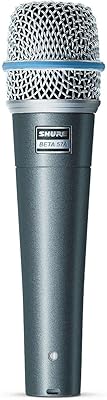
Shure Beta 57A
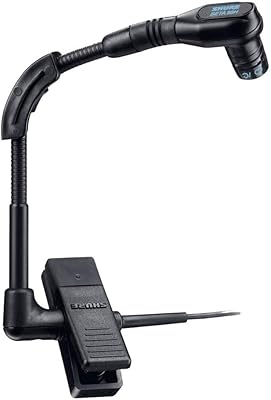
Shure Beta 57A
90%
97%
Build Quality
93%
Feedback Rejection
91%
Midrange Clarity
89%
Off-Axis Bleed Control
88%
Handling Noise Suppression
More
Shure BETA 98H/C Microphone
87%
93%
Sound Quality
88%
Ease of Use
91%
Build Quality
85%
Noise Isolation
89%
Value for Money
More
Shure BETA 58A
Shure BETA 58A
88%
98%
Build Quality
94%
Feedback Rejection
91%
Vocal Presence
87%
Handling Noise
92%
Sensitivity & Output
More
Shure Beta 87A
Shure Beta 87A
86%
94%
Vocal Clarity
91%
Feedback Rejection
93%
Build Quality
88%
Handling Noise
82%
Pop Filtering
More
Shure Beta 52A
Shure Beta 52A
89%
96%
Low-End Punch
98%
Build Durability
92%
Feedback Rejection
84%
Mounting & Setup
97%
High SPL Handling
More
Shure MV7-K
Shure MV7-K
89%
95%
Sound Clarity
92%
Background Noise Rejection
94%
Build Quality
88%
Ease of Setup
90%
USB/XLR Versatility
More
Shure SM7B
Shure SM7B
83%
98%
Vocal Sound Quality
96%
Background Noise Rejection
94%
Build Quality & Durability
41%
Ease of Setup
88%
Plosive & Sibilance Control
More
Shure VP89L Microphone
86%
92%
Sound Quality
89%
Modularity
90%
Build Quality
85%
Ease of Use
91%
Directional Accuracy
More
Shure SRH145 Headphones
83%
79%
Sound Quality
93%
Portability
85%
Comfort
87%
Build Quality
70%
Noise Isolation
More
Shure PGA48-XLR
Shure PGA48-XLR
83%
93%
Build Quality
86%
Vocal Clarity
91%
Value for Money
82%
Feedback Rejection
74%
Handling Noise
More

FAQ

No, this instrument dynamic is a passive unit and does not require 48V phantom power or batteries to work.

Absolutely, it handles high sound pressure levels well and provides a punchy sound that works great for close-miking cabinets.

No, the swivel mount is integrated into the body of the snare microphone to keep it compact and sturdy.

The Shure Beta 56A has a tighter supercardioid pattern for better isolation and a brighter, more tailored high-end response than the 57.

Yes, it uses a standard thread that fits most stands, and the swivel allows you to angle it easily in tight spots.

While you should try to avoid it, this drum mic is built with a hardened steel grille designed to survive accidental hits.

No, you will need to provide your own standard XLR cable to connect the snare microphone to your mixer or interface.

It isn't ideal for vocals because of its shape and frequency tuning, but it can be used for backing vocals if you have a sturdy stand.

You can unscrew the grille carefully and clean it with warm water and a soft toothbrush, just make sure it is completely dry before reattaching.

Because it weighs over a pound, it is usually better to use a sturdy stand rather than a clip-on rim mount to ensure it stays in place.