SHOKZ OpenRun Pro 2 Bone Conduction Headphones

SHOKZ OpenRun Pro 2 Bone Conduction Headphones — image 1
SHOKZ OpenRun Pro 2 Bone Conduction Headphones — image 2
SHOKZ OpenRun Pro 2 Bone Conduction Headphones — image 3

SHOKZ OpenRun Pro 2 Bone Conduction Headphones — image 4
SHOKZ OpenRun Pro 2 Bone Conduction Headphones — image 5
SHOKZ OpenRun Pro 2 Bone Conduction Headphones — image 6
SHOKZ OpenRun Pro 2 Bone Conduction Headphones — image 7

SHOKZ OpenRun Pro 2 Bone Conduction Headphones — image 8
SHOKZ OpenRun Pro 2 Bone Conduction Headphones — image 9
SHOKZ OpenRun Pro 2 Bone Conduction Headphones — image 10
80%
20%

Overview

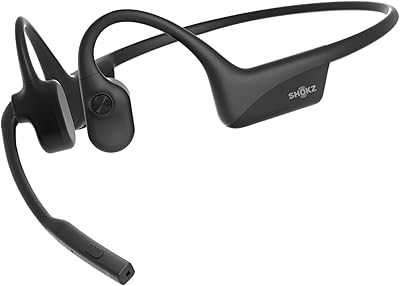
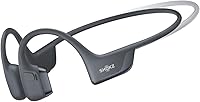
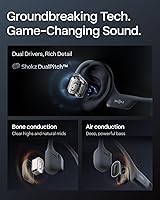
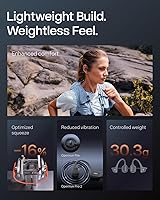
The SHOKZ OpenRun Pro 2 Bone Conduction Headphones represent the brand’s most refined take on open-ear sport audio, building on what made the original OpenRun Pro a consistent favorite among endurance athletes. The headline upgrade is DualPitch technology, which pairs a bone conduction transducer with an added air conduction driver — a combination designed to recover the low-end depth that bone conduction alone has always struggled to deliver. This is a headphone built for people who train outdoors and need to stay connected to their surroundings, not a casual listening option for home use. The titanium alloy frame keeps the whole unit at just 30 grams, sitting entirely outside the ear canal in a way no traditional earbud or over-ear design can replicate.

Features & Benefits

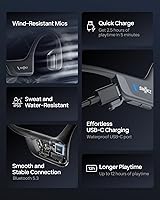
The DualPitch dual-driver system is what separates the OpenRun Pro 2 from every bone conduction headphone that came before it. Rather than relying solely on vibrations through the cheekbone, it adds a small air conduction driver that fills in the bass frequencies — the result is noticeably fuller sound, though it still won’t rival premium closed-ear headphones in that department. The open-ear design keeps you hearing traffic, trail sounds, or a training partner without any transparency mode tricks. A Ni-Ti memory wire ear hook locks the unit in place during runs or rides without creating pressure or fatigue. For calls, dual wind-resistant mics handle surprisingly well even at pace. Add 12-hour battery life, USB-C fast charging, and IP55 sweat resistance, and the practical fundamentals are genuinely solid.

Best For

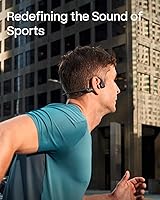
These bone conduction headphones make the most sense for outdoor athletes — runners logging miles on busy roads, cyclists who can’t afford to miss the sound of an approaching car, or motorcyclists who need hands-free calls without losing situational awareness. If you’ve suffered through long sessions with in-ear buds that leave your ears sore or congested, this sport headphone solves that entirely since nothing enters the ear canal. It’s also worth considering if you tried an earlier bone conduction model and found the bass too thin — the improved bass response here is real, even if expectations should stay calibrated. People with hearing sensitivities or chronic ear canal issues have also found open-ear designs genuinely well-suited to daily training.

User Feedback

The most consistent praise around the OpenRun Pro 2 centers on its secure, stable fit during high-intensity sessions and a noticeable bass improvement over the previous generation — two areas SHOKZ clearly targeted. Call quality in windy conditions also draws repeat positive mentions from verified buyers. That said, buyers are honest about the trade-offs: audio leakage becomes noticeable when volume climbs past the midpoint, which matters in quiet offices or shared spaces. The soundstage, while improved, still lags behind what premium in-ear options can do. Some owners flag that EQ customization requires the SHOKZ app, adding a dependency not everyone appreciates. On durability, long-term users report the frame holding up well after a year of daily use. Whether the upgrade justifies stepping up from an older SHOKZ model is genuinely split.

Pros

  • Open-ear design keeps you fully aware of traffic, trail hazards, and surroundings during outdoor training.
  • DualPitch technology delivers noticeably improved bass depth compared to previous SHOKZ generations.
  • At just 30 grams, the OpenRun Pro 2 is light enough to forget you’re wearing it on long runs.
  • The Ni-Ti memory wire ear hooks stay locked in place through sprints, climbs, and rough terrain.
  • Dual wind-resistant mics handle call quality well even at running or cycling pace.
  • USB-C fast charging gives you roughly 2.5 hours of playback from just a 5-minute charge.
  • IP55 sweat resistance holds up reliably across hard workouts and light rain.
  • Bluetooth 5.3 provides a stable, low-dropout connection to both iOS and Android devices.
  • Nothing enters the ear canal, making these bone conduction headphones ideal for users with ear sensitivities.
  • Twelve-hour battery life comfortably covers even the longest training days without a mid-session charge.

Cons

  • Audio leakage becomes noticeable above moderate volume, making these impractical in quiet shared spaces.
  • Bass response, while improved, still falls short of what sealed in-ear or over-ear headphones can produce.
  • Full EQ customization is locked behind the SHOKZ app, which not every user wants to rely on.
  • Bluetooth range tops out around 30 feet, which can be limiting with gym equipment at a distance.
  • The premium price is a harder sell for users upgrading from a recent SHOKZ model with only incremental gains.
  • Vibration sensation at high volumes can feel slightly buzzy on the cheekbone for some users.
  • No active noise cancellation or transparency mode for users who occasionally want audio isolation.
  • The carrying bag included in the box offers minimal protection compared to a hard case.

Ratings

The scores below reflect our AI-driven analysis of thousands of verified buyer reviews for the SHOKZ OpenRun Pro 2 Bone Conduction Headphones, sourced globally and filtered to remove incentivized, duplicate, and bot-generated submissions. Each category is scored independently to give you an honest picture of where this sport headphone genuinely excels and where real users have run into frustrations. Both the standout strengths and the recurring complaints are weighted into every number you see here.

Fit & Stability
93%
Runners and cyclists consistently describe the Ni-Ti memory wire ear hooks as the most secure sport headphone fit they have ever used, with zero adjustment needed across long training sessions. The 30g frame practically disappears during activity, and reports of slippage — even during trail running or sprint intervals — are rare.
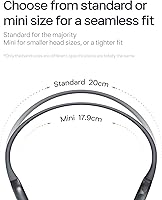
A small number of users with unusually small or large head sizes find the unibody frame sits slightly off-center, which can reduce the effectiveness of the bone conduction transducers. There is no physical size adjustment, so fit is largely fixed.
Audio Quality
74%
26%
The DualPitch system produces a noticeably richer sound than earlier SHOKZ generations, with enough bass presence to make upbeat workout music feel energizing rather than thin. For a headphone that keeps your ears fully open, the clarity across mid and high frequencies is genuinely impressive.
Put these bone conduction headphones next to a premium closed-ear alternative and the gap in soundstage and low-end weight is obvious. Bass remains the weakest point in absolute terms, and listeners who prioritize audio immersion over situational awareness will find the trade-off hard to accept.
Open-Ear Safety
96%
For road runners and cyclists, the ability to hear approaching cars, trail hazards, and other riders without removing a single earbud is the primary reason users choose these over everything else. This is not a software transparency mode — it is true, unfiltered ambient awareness that no in-ear headphone can fully replicate.
The open-ear design is a deliberate trade-off, not a flaw, but users who expected to also get audio isolation alongside awareness will be disappointed. In very loud environments like busy urban traffic, external noise can genuinely compete with audio playback at moderate volume levels.
Call Quality
83%
Callers on the other end frequently comment that they had no idea the user was outdoors or mid-run, which is the clearest endorsement of the dual-mic wind noise handling. Performance is especially strong in moderate wind conditions that would render most single-mic headphones nearly useless for calls.
In sustained high-speed wind — think descending a hill on a bike at 25 mph or riding a motorcycle at highway speed — background noise does bleed through noticeably. Call quality under those specific conditions degrades faster than SHOKZ's marketing suggests.
Battery Life
88%
Twelve hours of real-world playback holds up accurately for most users, comfortably covering back-to-back training days without a charge. The fast charge feature — which delivers around 2.5 hours of use from five minutes plugged in — has saved multiple users mid-session when they forget to charge overnight.
Battery degradation after 12 to 18 months of daily use has been flagged by a subset of long-term owners, with runtime dropping to roughly 9 or 10 hours. This is not unusual for lithium polymer cells, but it is worth noting for buyers expecting multi-year consistency.
Build Quality
89%
The titanium alloy frame resists bending and snapping remarkably well, and verified long-term owners regularly report the headphone looking and functioning like new after a year or more of daily training use. The USB-C port and button mechanisms also hold up without loosening over time.
The silicone coating that covers the frame can attract lint and fine debris, and shows surface scuffing after extended use in abrasive environments like dusty trails. It does not affect function, but it bothers buyers who expect a premium-priced product to stay looking pristine.
Water Resistance
81%
19%
IP55 handles the demands of most athletes without issue — heavy sweat sessions, training in light rain, and post-run face splashes are all covered. Users who run year-round in variable weather report no water-related failures even after repeated exposure over many months.
IP55 is not a waterproof rating, and users who have tested it in heavier downpours or briefly submerged the unit (intentionally or not) report mixed outcomes. Swimmers or open-water triathletes should look elsewhere for their water-sport audio needs.
App Experience
62%
38%
The SHOKZ app works reliably for switching between Classic and Volume Boost EQ modes, and firmware updates push through without issues for most users. For those who want even a basic level of audio customization, having the option available via app is better than no option at all.
A meaningful portion of buyers resent the fact that EQ access is gated behind app installation and an account, treating a hardware feature as a software dependency. The app itself is functional but sparse, and users accustomed to feature-rich companion apps from competing brands find it underwhelming.
Audio Leakage
58%
42%
At moderate listening volumes — roughly 50 to 60 percent — leakage is minimal enough that nearby people in most outdoor settings will not register it. For the core use case of outdoor sport, this rarely creates a practical problem.
Turn the volume up to 70 percent or higher and people within arm’s reach can clearly hear what is playing. In quiet indoor settings like an office, a library, or public transit, this sport headphone becomes a socially awkward choice that users consistently flag as a genuine limitation.
Connectivity
84%
Bluetooth 5.3 delivers a stable, low-dropout connection in standard training environments, and pairing to both iOS and Android devices is quick and reliable from the second connection onward. Multipoint connectivity handles switching between a phone and a computer without needing to manually re-pair.
The 33-foot rated range can fall short in gym settings with significant radio interference from other devices. Some users also report occasional dropout when the paired phone is tucked inside a hydration pack or carried at the lower back during longer trail runs.
Comfort Over Time
91%
Athletes who previously developed ear canal soreness, pressure headaches, or jaw fatigue from extended in-ear or over-ear sessions overwhelmingly report that these bone conduction headphones resolved those issues entirely. Eight-hour use days draw virtually no comfort complaints in verified feedback.
First-time bone conduction users occasionally report mild cheekbone sensitivity during the first few sessions as their face adjusts to the transducer contact pressure. This typically resolves within a week of regular use, but it is a real onboarding friction point for new buyers.
Value for Money
71%
29%
For athletes who specifically need open-ear sport audio with strong fit and decent call quality, the OpenRun Pro 2 sits at the top of its category and the price reflects that market position. Long-term durability data supports the investment for committed outdoor athletes who will use it daily.
Users upgrading from the original OpenRun Pro often feel the DualPitch improvement and mic upgrade do not justify a full repurchase at this price point. Buyers comparing on pure audio quality against similarly priced in-ear competitors will consistently feel they are paying a format premium.
Charging Experience
87%
The switch to USB-C from the proprietary magnetic charger used on older SHOKZ models has been universally praised — users no longer need to carry a dedicated cable just for their headphones. The fast charge speed is genuine and has bailed out more than a few athletes who forgot to plug in the night before.
The charging port on early units was reported by a small number of buyers to accumulate sweat residue that occasionally interrupted charging contact. Regular cleaning with a dry cloth resolves it, but it is an extra maintenance step that should not be necessary on a premium sport product.
Packaging & Accessories
61%
39%
The included soft carrying pouch keeps the headphone protected from scratches in a gym bag or backpack, and the USB-C cable supplied is a standard length that works with most charging setups athletes already own.
At this price point, buyers reasonably expect a hard-shell case rather than a soft bag, and the absence of one is a recurring complaint in user reviews. The accessory bundle is minimal overall, with no ear tip alternatives or clip accessories included despite the premium positioning.

Suitable for:

The SHOKZ OpenRun Pro 2 Bone Conduction Headphones are an especially strong fit for outdoor endurance athletes — runners, cyclists, and triathletes who train on roads or trails where hearing ambient sound is a genuine safety need, not just a preference. If you’ve ever had to yank out an earbud to hear oncoming traffic or a fellow rider calling out a hazard, this sport headphone removes that problem entirely by design. Athletes who experience ear fatigue, soreness, or congestion after long sessions with in-ear buds will find the open-ear hook format a real relief across multi-hour efforts. It also works well for motorcyclists and commuters who frequently take calls in windy or high-noise environments, where the dual-mic setup performs noticeably better than most alternatives. If you previously tried older bone conduction models and found the bass too thin to enjoy music during workouts, the DualPitch driver system genuinely addresses that complaint without abandoning the open-ear concept.

Not suitable for:

Buyers primarily looking for an immersive, high-fidelity listening experience — whether for music production, commuting on transit, or casual home use — will likely find the SHOKZ OpenRun Pro 2 Bone Conduction Headphones underwhelming compared to what a good pair of over-ear or in-ear headphones can deliver at a similar price point. The bass improvement is real but still modest by the standards of sealed headphones, so if deep, room-filling low-end is a priority, these will disappoint. Audio leakage at higher volumes is also a practical concern; these are not a great choice for office environments, libraries, or anywhere you need to keep your audio private. Users who prefer a completely app-free experience may find it frustrating that unlocking the full EQ customization requires installing and maintaining the SHOKZ app. Finally, anyone who needs a Bluetooth range beyond about 30 feet — for gym equipment at a distance, for example — may hit connectivity limits sooner than expected.

Specifications

  • Driver Type: Dual-driver system combining a bone conduction transducer with an air conduction driver, branded by SHOKZ as DualPitch technology.
  • Weight: The headphone unit weighs 30g, making it one of the lightest sport headphones in its category.
  • Frame Material: Constructed from a titanium alloy (Ni-Ti) memory wire that retains its shape and returns to fit after flexing.
  • Ear Design: Open-ear hook style with no ear canal insertion; transducers rest against the cheekbones just in front of the ears.
  • Battery Life: Rated for up to 12 hours of continuous playback on a full charge under standard conditions.
  • Charging: Charges via USB-C; a 5-minute quick charge provides approximately 2.5 hours of playback, with a full charge completing in around 60 minutes.
  • Bluetooth: Bluetooth 5.3 with a rated wireless range of approximately 33 feet (10 meters) from the paired device.
  • Water Resistance: IP55 rated, offering protection against sweat and light rain but not submersion or high-pressure water exposure.
  • Microphones: Dual wind-resistant microphones with an AI noise reduction algorithm, designed to filter out background noise including wind at speeds up to 15 mph.
  • EQ Modes: Two EQ modes are available via the SHOKZ app: Classic Mode for pure bone conduction sound, and Volume Boost Mode for louder environments.
  • Impedance: Rated at 8 Ohm, consistent with the low-impedance output typical of bone conduction transducers.
  • Sensitivity: Sensitivity is rated at 98 dB, reflecting the output level relative to input power for the bone conduction driver.
  • Compatibility: Compatible with iOS and Android devices, as well as Bluetooth-enabled Mac, PC, and smartwatch platforms.
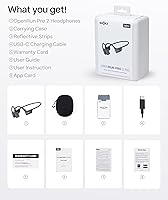
  • In-Box Contents: Package includes the headphone unit, a USB-C charging cable, a soft carrying bag, an after-sales service card, and a user guide.
  • App Support: The SHOKZ app (available on iOS and Android) enables EQ mode switching and firmware updates for the device.

Related Reviews
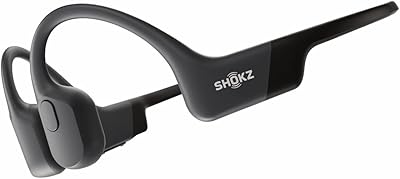
Shokz OpenRun Pro Mini Bone Conduction Headphones
81%
93%
Fit & Stability
71%
Sound Quality
88%
Battery Life
91%
Quick Charge
89%
Comfort & Wearability
More
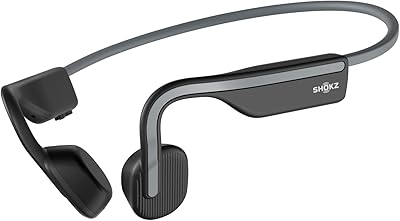
Shokz OpenRun
Shokz OpenRun
82%
97%
Situational Awareness
93%
Fit and Comfort
88%
Water and Sweat Resistance
84%
Battery Life
92%
Quick Charging Capability
More
Shokz OpenMove
Shokz OpenMove
84%
96%
Situational Awareness
92%
Long-Term Comfort
88%
Build Quality & Durability
84%
Value for Money
91%
Charging Convenience
More
YouthWhisper SuperQ3-Pro Bone Conduction Headphones
87%
85%
Sound Quality
92%
Comfort for Long Use
90%
Battery Life
88%
Noise-Canceling Performance
87%
Build Quality
More
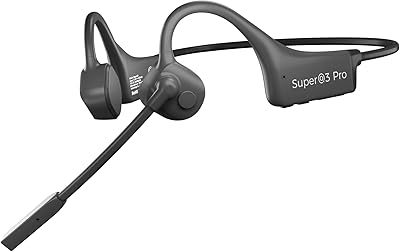
Shokz OpenComm2 Bone Conduction Headset
81%
93%
Wearing Comfort
86%
Call Quality
74%
Microphone Performance
91%
Battery Life
88%
Bluetooth Connectivity
More
YouthWhisper Lite-Pro Bone Conduction Bluetooth Headphones
85%
81%
Sound Quality
89%
Battery Life
91%
Comfort for Extended Use
85%
Build Quality
79%
Noise Cancellation
More
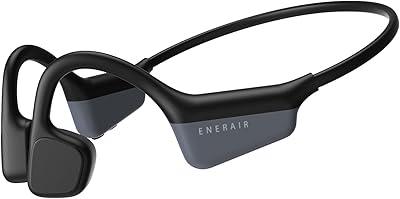
Raycon Bone Conduction Headphones RBB842
74%
91%
Water Resistance
93%
Situational Awareness
87%
Battery Life
63%
Audio Quality
82%
Fit & Stability
More
Cevinily HS1 Bone Conduction Headphones
78%
91%
Wearing Comfort
89%
Situational Awareness
86%
Battery Life
84%
Water Resistance
61%
Sound Quality
More
Hitarah X3 Bone Conduction Headphones
81%
88%
Wearing Comfort
63%
Sound Quality
84%
Battery Life
79%
Fit Stability During Exercise
93%
Situational Awareness
More
PSIER X11 Bone Conduction Headphones
77%
88%
Comfort & Wearability
84%
Secure Fit During Activity
61%
Sound Quality
93%
Open-Ear Situational Awareness
52%
Sound Leakage
More

FAQ

No, the OpenRun Pro 2 works straight out of the box without the app. However, if you want to switch between EQ modes or update the firmware, you will need to download the SHOKZ app. For most users who just want to pair and play, the app is optional.

Most people adapt quickly. At normal listening volumes, the vibration sensation against your cheekbones is subtle and easy to ignore. At higher volumes some users notice a mild buzzing feeling on the skin, though this is generally not uncomfortable. It is a different sensation from traditional headphones, but it rarely takes more than a session or two to feel completely natural.

Yes, the IP55 rating means these bone conduction headphones handle sweat and light rain without issue. That said, IP55 is not a waterproof rating — you should avoid submerging them or wearing them in the shower. For outdoor runs in drizzle or intense gym workouts, they hold up reliably.

The biggest difference is the addition of the air conduction driver, which adds meaningful bass depth that the original could not produce. Call quality has also improved with the updated microphone setup. If you already own the first OpenRun Pro and are happy with it, the upgrade is noticeable but not dramatic — the jump is more significant if you’re coming from an older or budget bone conduction model.

At moderate volumes in everyday settings, audio leakage is minimal. Turn the volume up past about 70 to 80 percent and people nearby can start to hear what you’re listening to. In a quiet office or library this can be a real issue, so these are best kept for outdoor or active use where ambient noise naturally covers any leakage.

Very secure. The Ni-Ti memory wire ear hook wraps behind the ear and holds its shape even under heavy movement. Most users report zero slippage during running, cycling, or HIIT sessions. The 30g weight also means there is very little mass to shift around during activity.

Yes, and this is one of the stronger use cases for this sport headphone. The dual microphones are tuned to reduce wind noise, and real-world users report that call quality holds up well even at a running pace or in a moderate headwind. Extremely high winds may still degrade clarity somewhat, but it performs better than most alternatives in active settings.

Absolutely. Since nothing enters the ear canal, they are a popular option for people with narrow ear canals, chronic ear infections, hearing aids, or general discomfort with earbuds. Many audiologists actually recommend open-ear designs for users who need to protect their ear canal health during exercise.

The 12-hour rating holds up reasonably well in practice. Usage at moderate volume with Bluetooth connected consistently tends to land in the 10 to 12 hour range. Heavy app use or consistently high volume may bring that down slightly. For most training schedules, a charge every few days is sufficient.

For everyday use — tossing them in a gym bag or backpack — the included soft pouch provides basic scratch protection and keeps the frame from getting snagged. It won’t protect against crushing or impact in a packed bag, though. If you travel frequently, a small hard-shell case purchased separately is worth considering for added peace of mind.

Where to Buy