Overview

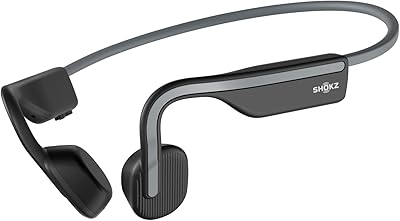
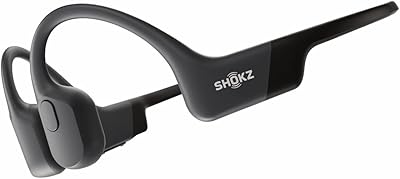
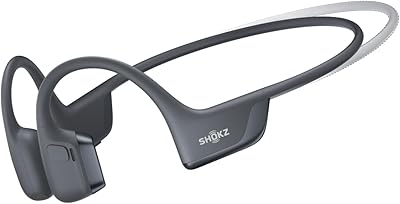
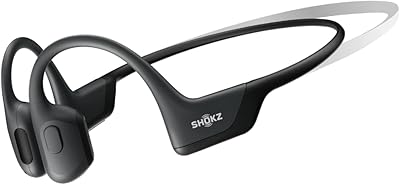
The Shokz OpenComm2 Bone Conduction Headset is a work-first open-ear headset built for professionals who need to stay aware of their surroundings while staying locked into calls. Unlike traditional in-ear or over-ear options, the bone conduction design transmits audio through cheekbone vibrations, leaving your ear canals completely open. That is not a gimmick — it is genuinely useful when you are in a shared office, walking a busy street, or need to hear a colleague nearby. At just 35 grams, it barely registers on your head after hours of wear. The 7th-generation technology brings noticeably cleaner call audio compared to earlier iterations, which matters when you are on back-to-back video calls all day.
Features & Benefits

The bone conduction approach means both ears stay unobstructed, which sounds trivial until you are in a busy environment and realize you can actually hear what is happening around you. On video calls, the noise-canceling microphone — backed by DSP processing — handles moderate background noise reasonably well; a coffee shop buzz or a humming HVAC system will not usually derail your call. Genuinely loud environments are a different story, so temper expectations there. The multipoint Bluetooth pairing lets you stay connected to your laptop and phone simultaneously, cutting the friction of switching devices mid-call. Battery life is a real strength at 16 hours of talk time, and the quick-charge feature delivers two hours from just five minutes plugged in.

Best For

This open-ear work headset makes most sense for remote and hybrid workers who routinely spend three, four, or more hours daily on calls and need to stay tuned into their physical surroundings. Open-plan office workers are a natural fit — you can hear a colleague approach or catch a question from across the room without pulling anything off your head. Commuters, cyclists, and runners who want audio without blocking out traffic or ambient sound will find it equally practical. If in-ear buds have ever caused discomfort or ear fatigue after a long session, the lack of any in-canal component is a genuine relief. It also suits anyone constantly toggling between a personal phone and a work laptop throughout the day.

User Feedback

With over 3,200 ratings at 4.4 stars, the OpenComm2 earns its marks mostly from people who appreciate how it handles long, call-heavy workdays without physically wearing them down. All-day comfort is the theme reviewers return to most — not just the first hour, but hour six and beyond. Call clarity draws consistent praise too, especially from those upgrading from earlier Shokz models. Criticism tends to cluster around two points: sound leakage at higher volumes becomes noticeable in quiet rooms, and the audio profile leans thin and treble-forward for casual music listening. A handful of reviewers also flag fit variability — the frame works well for most head sizes but can feel marginally loose or snug at the extremes.

Pros

  • Weighing just 35 grams, the OpenComm2 is barely noticeable after hours of continuous wear.
  • Open-ear design keeps both ear canals completely free, maintaining full awareness of your surroundings.
  • 16-hour talk time is genuinely enough to get through even the most call-heavy workdays on a single charge.
  • A 5-minute quick charge adding 2 hours of talk time is a lifesaver when you forget to plug in overnight.
  • Multipoint pairing lets you stay connected to your phone and laptop simultaneously without constant manual switching.
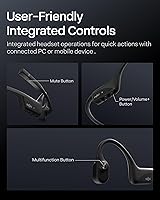
  • Physical mute and volume buttons are easy to find and press during live calls without looking.
  • The nickel-titanium frame holds its shape reliably and resists the daily flex of being taken on and off.
  • IP55 water resistance means sweat, rain, and the occasional unexpected splash are not a concern.
  • Call quality is a clear step up from previous Shokz generations, with noticeably cleaner voice transmission.
  • The included hard shell carrying case keeps the headset protected during commutes without adding much bulk.

Cons

  • Sound leakage at higher volumes is noticeable in quiet rooms, which can disturb people nearby.
  • Music listening is a weak spot — bass response is minimal and the audio profile sounds thin compared to standard headphones.
  • The DSP microphone handles moderate background noise well but struggles in genuinely loud environments.
  • Fit can feel slightly loose or snug for users at the smaller or larger ends of the head-size range.
  • The premium price point is hard to justify if calls are only an occasional part of your day.
  • No active noise cancellation for the listener means concentration in noisy spaces depends entirely on your own focus.
  • Bone conduction vibrations can occasionally feel mildly distracting at higher volumes, particularly for new users.
  • The Shokz App adds useful functionality but is an extra dependency that not all users will bother to configure.

Ratings

The scores below for the Shokz OpenComm2 Bone Conduction Headset were generated by our AI system after analyzing thousands of verified global buyer reviews, with spam, bot-driven, and incentivized submissions actively filtered out. Each category reflects the honest distribution of real user sentiment — strengths are credited where earned, and recurring frustrations are weighted transparently into every score.

Wearing Comfort
93%
All-day wearability is the single most praised quality across the entire review base. At just 35 grams with a flexible nickel-titanium frame and soft silicone finish, users regularly describe forgetting they have it on during six- and eight-hour workdays. People who previously suffered ear fatigue from in-ear buds find this a genuine relief.
A recurring minority of reviewers with smaller or larger head sizes report the fit sitting slightly off-center or feeling marginally loose at the nape of the neck. The one-size frame design means there is limited adjustment beyond the natural flex of the band.
Call Quality
86%
The 7th-generation bone conduction technology delivers noticeably cleaner audio on calls compared to earlier Shokz models, and users on the receiving end of calls frequently comment on voice clarity. For standard video meetings over Zoom, Teams, or Google Meet in home or office settings, incoming audio is crisp and well-defined.
At higher volumes in quiet rooms, a faint vibration buzz can bleed into perceived audio quality, which some users find mildly distracting on long calls. The open-ear design also means any ambient noise in your own space is fully audible to you during calls, which can break concentration.
Microphone Performance
74%
26%
In typical home office, quiet office, or low-noise environments, the DSP noise-canceling microphone performs reliably and callers rarely flag audio issues. The physical mute button is responsive and tactile, which users on frequent video calls appreciate for its accuracy during live meetings.
In louder real-world conditions — busy cafes, co-working spaces with significant chatter, or outdoor environments — the microphone noticeably struggles to isolate the speaker's voice. Several reviewers note that colleagues flagged audio problems specifically in noisier settings, suggesting the DSP has a clear ceiling.
Battery Life
91%
Sixteen hours of talk time is more than enough for even the most call-intensive professional workday, and users consistently confirm the rated figure holds up in practice rather than falling short. The 5-minute quick charge yielding 2 hours of talk time is a genuine daily convenience for those who forget to plug in overnight.
Music listening time drops to 8 hours, which is noticeably shorter than the talk time figure and may catch users off guard if they use the headset for audio throughout the day beyond calls. There is no wireless charging option, and the proprietary magnetic charging from older Shokz models is gone — USB-C only.
Bluetooth Connectivity
88%
Bluetooth 5.1 delivers a stable, low-dropout connection across the rated 98-foot range, and the multipoint pairing between two devices works reliably in day-to-day use. Users who keep a laptop and smartphone connected simultaneously report smooth transitions when calls come in on either device.
Initial pairing on some Android devices required an extra reset step for a subset of reviewers, and occasional audio stuttering during the first few seconds of a call was noted when switching between paired devices. Neither issue is widespread, but it does appear with enough frequency to register.
Microphone Noise Isolation
67%
33%
For steady-state background noise like air conditioning, fans, or light keyboard sounds, the DSP processing does a reasonable job of keeping the speaker's voice prominent. Most remote workers in standard home setups report no complaints from call participants in normal conditions.
Dynamic or unpredictable noise — a child entering the room, traffic outside an open window, or a loud shared office — tends to bleed through more than users expect from a headset at this price point. The microphone is adequate but not best-in-class for noise rejection, and buyers coming from dedicated boom-mic headsets may be underwhelmed.
Build & Durability
89%
The nickel-titanium frame holds its shape reliably through the daily routine of being slipped on, removed, bent slightly, and carried in a bag — qualities that users with months of use confirm hold up over time. The silicone coating resists surface wear and stays comfortable against skin even in warm conditions.
A small number of longer-term users report the silicone sleeve near the transducers showing minor surface wear after six or more months of heavy daily use. The plastic components on the control module feel slightly less premium than the rest of the frame when handling it up close.
Water & Sweat Resistance
84%
The IP55 rating translates well into practical use for runners, cyclists, and commuters caught in rain, with users confirming the headset survives workouts and wet-weather use without functional issues. Sweat resistance specifically receives consistent positive mentions from those who wear it for morning runs before office hours.
IP55 is not a submersion rating, and a handful of reviewers misunderstood the protection level and reported issues after exposure to heavier water contact than the rating covers. It is dependable for active use but not for water sports or heavy rain without additional protection.
Music Audio Quality
51%
49%
For spoken audio — podcasts, audiobooks, and voice-based content — the OpenComm2 performs adequately and the open-ear listening experience feels natural and unstrained. Users who treat it strictly as a communication tool and occasionally play background music at low to moderate volumes find it perfectly acceptable.
As a music listening device, the bone conduction format has a fundamental limitation: bass is thin, soundstage is narrow, and the overall profile sounds flat compared to any in-ear or over-ear alternative at a similar price. Reviewers who expected audio quality on par with premium wireless earbuds are consistently disappointed.
Controls & Usability
82%
18%
Physical buttons for volume, mute, and playback are tactile and easy to locate by feel during live calls without having to look at the headset. The dedicated mute button in particular receives specific praise from users who need to toggle quickly and accurately in back-to-back meetings.
The button layout requires a short learning curve, and some users accidentally trigger the wrong function in the first week of use. A few reviewers noted the volume range feels slightly limited at the upper end for noisier environments where a boost would be welcome.
Device Compatibility
87%
Out-of-the-box compatibility across Android, iPhone, Mac, and Windows PC is broad and works without driver installation or complex setup. Users who work across mixed ecosystems — an iPhone for personal use and a Windows laptop for work, for example — find the multipoint pairing particularly practical.
A small number of reviewers on older Android versions experienced inconsistent reconnection behavior after the headset had been idle for a period. Compatibility with Bluetooth audio profiles on some enterprise-managed laptops also produced connectivity friction for a few corporate users.
Value for Money
73%
27%
For professionals who spend four or more hours daily on calls, the combination of all-day comfort, reliable connectivity, and strong battery life represents a defensible purchase at this price tier. Users who have owned previous generations consistently view the upgrade as worthwhile given the audio and microphone improvements.
For buyers who need a general-purpose headset for both calls and music, the price is harder to justify given the audio quality ceiling of bone conduction. Casual users or those on fewer than two hours of calls daily may struggle to feel they are extracting enough utility to match what they spent.
Portability & Packaging
81%
19%
The included hard shell carrying case protects the headset well during commutes and travel without adding significant bag weight, and users who carry it daily appreciate having a dedicated case rather than tossing it loose into a bag. The compact profile of the headset itself makes it easy to slip into a jacket pocket.
The case is sturdy but slightly bulkier than truly compact headset cases, and a few reviewers note it takes up more pouch space than expected. There is no integrated cable management inside the case beyond the headset and charging cable sitting together.
Setup & Onboarding
85%
Initial Bluetooth pairing is straightforward and requires no app installation — most users are connected and on a call within two or three minutes of opening the box. The physical controls are intuitive enough that most buyers report not needing to consult the user guide.
The Shokz App, while optional, is needed for firmware updates and EQ adjustments, and a subset of reviewers found the app experience underwhelming or encountered sync issues on first launch. Users who prefer a purely hardware-based setup may find the app-dependent features more friction than they are worth.

Suitable for:

The Shokz OpenComm2 Bone Conduction Headset was clearly built with a specific type of professional in mind: someone who spends a significant chunk of their workday on calls but cannot afford to be cut off from their physical environment. Remote workers in shared households, open-plan office employees who need to stay responsive to colleagues, and hybrid workers constantly toggling between a desk phone and a laptop will find it fits naturally into their daily routine. The open-ear design is also a practical solution for people who have developed real discomfort from years of in-ear buds — there is nothing pressing into your ear canal, which makes a noticeable difference across a long call day. Cyclists and commuters who want to stay connected during transit without tuning out traffic or ambient surroundings are another strong match. If your primary use case is call communication rather than immersive audio, this open-ear work headset is purpose-built for you.

Not suitable for:

The Shokz OpenComm2 Bone Conduction Headset has a real Achilles heel that prospective buyers should not overlook: it is simply not a good choice for anyone whose priority is audio quality in the traditional sense. Bone conduction produces a noticeably thin sound profile — there is very little low-end response, and music lacks the depth and warmth most listeners expect. If you work in a loud environment and need passive noise isolation to focus, this headset will not deliver that; your surroundings stay audible by design, which is a feature for some and a dealbreaker for others. People who frequently take calls in genuinely noisy spaces — construction sites, busy kitchens, loud open markets — may find the DSP microphone struggles to clean up the audio adequately. Audiophiles, dedicated podcast listeners, or anyone planning to use this primarily for music should look elsewhere.
Specifications

  • Weight: The headset weighs 35 grams, making it one of the lightest work-focused wireless headsets in its category.
  • Driver Type: Audio is delivered via bone conduction drivers that transmit sound through cheekbone vibrations rather than through the ear canal.
  • Bluetooth Version: Bluetooth 5.1 provides a stable wireless connection with a rated range of up to 98 feet from the paired device.
  • Multipoint Pairing: The headset supports simultaneous pairing with two devices, allowing quick toggling between a smartphone and a computer.
  • Talk Time: A full charge delivers up to 16 hours of continuous talk time under standard usage conditions.
  • Listening Time: Music or audio playback runs for up to 8 hours per full charge.
  • Quick Charge: Five minutes of USB-C charging provides approximately 2 hours of talk time for situations where you need a fast top-up.
  • Charging: A full charge via the included USB-C cable takes approximately 1 hour.
  • Water Resistance: The headset carries an IP55 rating, meaning it is protected against low-pressure water jets and dust ingress from all directions.
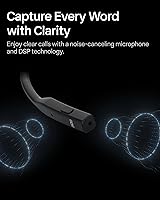
  • Microphone: A built-in noise-canceling microphone uses DSP technology to reduce ambient background noise during calls.
  • Frame Material: The frame is constructed from a nickel-titanium alloy wrapped in a soft silicone finish for flexibility and skin comfort.
  • Controls: Physical buttons on the headset handle volume adjustment, mute and unmute, and play or pause functions without requiring a phone.
  • Impedance: The bone conduction transducers operate at 8.5 ohms, which is standard for this driver type and paired Bluetooth source devices.
  • Sensitivity: Audio sensitivity is rated at 96 dB, which provides adequate loudness for spoken-word content and calls in typical environments.
  • Compatibility: The headset connects via Bluetooth to Android devices, iPhones, Mac computers, and Windows PCs without requiring additional drivers.
  • App Support: The Shokz App is available for iOS and Android and allows device management, firmware updates, and pairing configuration.
  • In the Box: The package includes the headset, a USB-C charging cable, a hard shell carrying case, and a printed user guide.
  • Ear Placement: The open-ear design positions the transducers in front of the ear canal, leaving both ears fully unoccluded during use.
  • Generation: This model uses Shokz 7th-generation bone conduction technology alongside PremiumPitch 2.0 audio tuning.
  • Dimensions: The packaged unit measures approximately 4.87 x 4.03 x 1.74 inches, and the headset itself weighs 1.23 ounces.

Related Reviews

Shokz OpenMove
Shokz OpenMove
84%
96%
Situational Awareness
92%
Long-Term Comfort
88%
Build Quality & Durability
84%
Value for Money
91%
Charging Convenience
More
Shokz OpenRun
Shokz OpenRun
82%
97%
Situational Awareness
93%
Fit and Comfort
88%
Water and Sweat Resistance
84%
Battery Life
92%
Quick Charging Capability
More
Shokz OpenRun Pro Mini Bone Conduction Headphones
81%
93%
Fit & Stability
71%
Sound Quality
88%
Battery Life
91%
Quick Charge
89%
Comfort & Wearability
More
SHOKZ OpenRun Pro 2 Bone Conduction Headphones
80%
93%
Fit & Stability
74%
Audio Quality
96%
Open-Ear Safety
83%
Call Quality
88%
Battery Life
More
Raycon Bone Conduction Headphones RBB842
74%
91%
Water Resistance
93%
Situational Awareness
87%
Battery Life
63%
Audio Quality
82%
Fit & Stability
More
QZTELECTRONIC Bone Conduction Glasses
80%
78%
Audio Quality
84%
Comfort for Extended Wear
72%
Battery Life
90%
Waterproof Durability
82%
Ease of Use
More
Nanajorwa X7 Bone Conduction Headphones
78%
83%
Comfort & Fit
61%
Sound Quality
72%
Battery Life
91%
Ambient Awareness
69%
Build Quality
More
Cevinily HS1 Bone Conduction Headphones
78%
91%
Wearing Comfort
89%
Situational Awareness
86%
Battery Life
84%
Water Resistance
61%
Sound Quality
More
Hesond Bone Conduction Sleep Speaker
84%
88%
Comfort
84%
Sound Quality
91%
Battery Life
87%
Ease of Use
83%
Build Quality
More
Yistao B8 Bone Conduction Open-Ear Headphones
77%
91%
Comfort & Fit
88%
Battery Life
86%
Waterproofing
63%
Audio Quality
51%
Sound Leakage
More

FAQ

The OpenComm2 supports multipoint Bluetooth pairing, so you can connect it to two devices simultaneously. To set it up, pair with your first device normally, then put the headset back into pairing mode and connect your second device. Once both are paired and in range, the headset manages the connection automatically and lets you switch between them.

In typical home office or moderate office environments, the DSP noise-canceling microphone does a solid job filtering out steady background sounds like HVAC hum, keyboard clicks, or light ambient noise. In genuinely loud settings — a busy cafe, a construction area, or a crowded public space — the microphone will struggle more noticeably. It is not a substitute for a dedicated studio-quality mic, but for everyday professional calls it performs well.

For most new users, the vibration is mildly noticeable at first, especially at higher volume levels, but the majority of people adapt within a day or two of regular use. At moderate listening volumes, which is where most call audio sits, the sensation is minimal. If you crank it up for music, the vibration becomes more apparent.

Yes, the IP55 rating means the headset handles sweat, light rain, and splashes without issue. It is not designed for submersion, so swimming is out, but for outdoor workouts or a commute in drizzly weather it holds up reliably.

Comfort over extended wear is one of the most consistently praised aspects of the Shokz OpenComm2 Bone Conduction Headset across user reviews. The combination of the flexible nickel-titanium frame, soft silicone finish, and 35-gram weight means there is very little pressure or fatigue, even after a full workday. People who previously struggled with in-ear buds causing soreness tend to find it a significant improvement.

At moderate volumes, audio leakage is minimal and unlikely to disturb anyone more than a few feet away. However, if you turn the volume up significantly — particularly for music — the sound becomes audible to people sitting close to you in a quiet room. For calls and spoken content at normal levels, it is generally not an issue in shared spaces.

A full charge takes about one hour via USB-C. If you forget to charge overnight, the quick-charge feature is genuinely useful — five minutes plugged in gives you around two hours of talk time, which is often enough to get through a morning of calls while you charge it the rest of the way at your desk.

The frame is designed to fit a wide range of adult head sizes, and the nickel-titanium construction allows some flex to accommodate different shapes. That said, a small number of reviewers at the extremes of the size range report the fit feeling either slightly loose or a touch snug. It is worth noting that the fit adjusts at the back of the neck rather than at the top of the head, which is a different feel from traditional headphones.

You can use this open-ear work headset for music, and some people do, but it is worth being realistic about expectations. Bone conduction audio has limited bass response and a thinner sound profile compared to over-ear or in-ear headphones. It is fine for podcasts, audiobooks, or background music while working, but if you are serious about listening quality, this is not the right tool for that purpose.

The headset works perfectly fine straight out of the box without downloading the app. The Shokz App adds extras like firmware update management, adjustable equalizer settings, and some pairing configuration options, but none of those are required for basic use. Most buyers never bother with it and have no issues.

Where to Buy