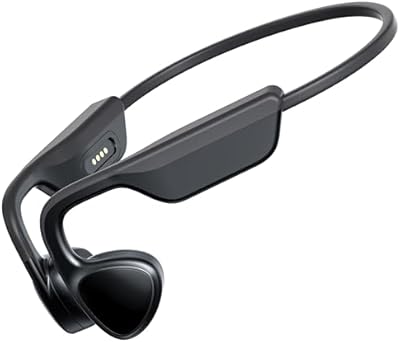
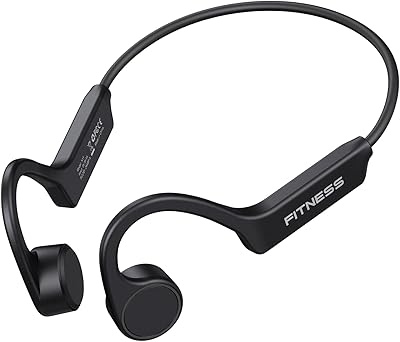
Overview

The Shokz OpenRun Pro Mini Bone Conduction Headphones are Shokz's direct response to a real gap in their lineup: athletes with smaller heads who found the standard OpenRun Pro sliding around mid-run. Bone conduction works by transmitting sound through your cheekbones rather than your ear canal, leaving your ears fully open to ambient noise. That openness is both the appeal and the compromise — you stay aware of traffic and trail hazards, but you won't get the isolation of a traditional in-ear design. The included hair band is a telling detail; Shokz clearly knows their core buyer. It isn't someone chasing audiophile sound — it's someone who wants safe, comfortable training audio that simply stays put.
Features & Benefits

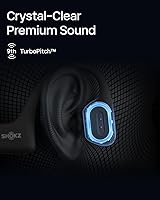
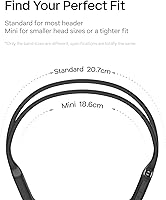
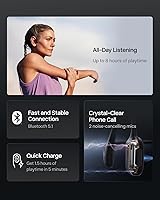
The 9th-generation TurboPitch drivers deliver a noticeable step up in low-end response compared to older Shokz models — don't expect thumping bass, but podcasts and music feel fuller and less tinny. The headband being 21mm shorter than the standard version means the device sits flush against your skull instead of hovering or rocking; on a long run, that difference is felt. At 29 grams, the OpenRun Pro Mini is closer to wearing glasses than carrying electronics. IP55 water resistance handles rain and heavy sweat confidently, though swimming is off the table. The quick-charge feature — five minutes for 1.5 hours of playback — is genuinely useful on rushed training mornings, and multipoint Bluetooth 5.1 pairing covers those who toggle regularly between devices.

Best For

These bone conduction headphones are well matched for runners and cyclists who need to hear what's happening around them — traffic, trail calls, fellow riders — without sacrificing audio entirely. If you wear prescription glasses or use a bike helmet, the open-ear design removes the friction that makes traditional headphones frustrating. The Mini size specifically serves people who found open-ear headphones uncomfortably loose before; if that was your experience with the standard model, this variant is worth revisiting. This open-ear sport headset also suits remote workers who need to stay reachable on calls without tuning out their environment. It's not the right choice for gym sessions where deep audio immersion matters, or for swimming laps. Know your use case, and it delivers within those boundaries.

User Feedback

Among verified buyers, fit stability for smaller heads earns consistent praise — many users who returned the standard version came back specifically for the Mini. Call quality also ranks high, with reviewers noting the microphone performs better than expected outdoors. The quick-charge convenience draws genuine appreciation from early-morning athletes. On the critical side, sound leakage at higher volumes is a recurring complaint, though it's a structural characteristic of all open-ear bone conduction designs rather than a defect. A number of reviewers note the bass still falls short of in-ear alternatives — fair feedback for anyone with strong audio expectations. The hair band gets mixed reactions: some find it practical during yoga or intense training sessions, while others consider it an unnecessary addition.

Pros

  • The shorter headband delivers a genuinely stable, wobble-free fit for smaller heads that the standard model could not provide.
  • At 29 grams, these bone conduction headphones feel almost weightless during long runs or all-day wear.
  • Five minutes of charging adds 1.5 hours of playback — a real lifesaver on rushed training mornings.
  • Open-ear design keeps you fully aware of traffic, trail conditions, and ambient surroundings during outdoor exercise.
  • Bluetooth 5.1 multipoint pairing lets you stay connected to both your phone and laptop without manual switching.
  • Built-in microphone performs reliably outdoors, making calls clearer than many competing sport headsets.
  • IP55 resistance handles heavy sweat sessions and light rain without any special care required.
  • The nickel-titanium alloy frame flexes under pressure and returns to shape, making it durable for daily athletic use.
  • Glasses wearers and bike helmet users can wear the OpenRun Pro Mini without fit conflicts or discomfort.
  • The included hard-shell case provides real protection, not just a soft pouch — useful for travel and kit bags.

Cons

  • Bass response is noticeably limited compared to any decent in-ear headphone — this is a bone conduction ceiling, not a brand issue.
  • Sound leaks audibly to people nearby at higher volume levels, making these unsuitable for quiet shared spaces.
  • Not rated for swimming or submersion — IP55 stops well short of what water sport athletes need.
  • The magnetic charging cable is proprietary, so a lost or forgotten cable means no backup options from standard accessories.
  • Touch controls can be finicky with sweaty fingers mid-workout, occasionally triggering unintended actions.
  • The hair band accessory, while thoughtful in concept, feels flimsy in practice and earns mixed reactions from users.
  • At this price point, buyers expecting audiophile-level sound quality will be disappointed by the open-ear format's inherent limitations.
  • The 10-meter Bluetooth range is modest — moving your phone to another room during indoor workouts can cause dropouts.

Ratings

The scores below reflect an AI-driven analysis of verified global buyer reviews for the Shokz OpenRun Pro Mini Bone Conduction Headphones, with spam, bot-generated, and incentivized feedback actively filtered out before scoring. Each category is evaluated across thousands of real-world usage reports from runners, cyclists, remote workers, and everyday listeners. Both the standout strengths and the genuine frustrations are weighted transparently — nothing is glossed over.

Fit & Stability
93%
Buyers with smaller heads consistently describe this as the first headset that actually stays put during intense runs or cycling sessions. The 21mm reduction in headband length translates to a device that hugs the skull rather than bouncing — a difference runners notice within the first half-mile.
A small portion of users with average or larger head sizes found the Mini slightly too snug for long-wear comfort, reporting mild pressure after 60-plus minutes. The fit sweet spot is narrow by design, so it rewards the right buyer and penalizes the wrong one.
Sound Quality
71%
29%
For a bone conduction headset, the 9th-generation drivers deliver a noticeably more balanced sound than older Shokz models — mids and highs are crisp, and the TurboPitch improvement makes bass-heavy tracks feel less hollow than reviewers expected going in.
Bass response still falls short of what any decent in-ear headphone achieves, and that gap is real enough that music-first listeners regularly flag disappointment. Podcasts and calls fare much better than music, which says something honest about where bone conduction technology currently stands.
Battery Life
88%
Ten hours of continuous playback covers half-marathon training blocks, full workdays with background audio, and long cycling rides without a mid-session scramble for power. Most users report the battery holding close to its rated figure even after several months of regular use.
The proprietary magnetic cable means that a forgotten or lost charger leaves you completely stuck — there is no USB-C fallback. A handful of reviewers also noted that battery life degrades more noticeably after the first year of daily use than they anticipated.
Quick Charge
91%
The five-minute charge for 1.5 hours of playback earns genuine praise from athletes who frequently forget to plug in overnight. For a pre-run dash out the door, it functions as a practical safety net rather than a gimmick, and users who rely on it describe it as one of the most useful daily features.
Quick charge performance can feel inconsistent at the margins — some users report getting closer to 60 minutes than 90 from a five-minute top-up depending on battery age and temperature. It is a strong feature, but not a substitute for maintaining a regular charging habit.
Comfort & Wearability
89%
At 29 grams, these bone conduction headphones disappear on the head within minutes of putting them on — multiple reviewers compare the sensation to forgetting they are wearing anything at all during long runs. The nickel-titanium alloy frame flexes naturally without digging in at pressure points.
Some users notice mild vibration at the transducer contact points when playing bass-heavy audio at high volumes, which a few describe as distracting over extended sessions. It is not painful, but it is a sensory quirk that first-time bone conduction users should know to expect.
Microphone Quality
83%
Call quality draws consistent praise relative to expectations for a sport headset — voices come through clearly to recipients, and the mic picks up speech well during outdoor walks and light activity. Remote workers who take calls while moving around a home or office find it more than adequate.
In high-wind conditions or loud outdoor environments, the microphone picks up significant background noise, and call recipients notice. It is not a problem for controlled settings, but cyclists or runners taking calls at speed in open spaces will find the mic reaches its limits quickly.
Water & Sweat Resistance
78%
22%
The IP55 rating handles everyday athletic reality well — heavy sweat sessions, light rain, and humid conditions pose no threat to the device, and reviewers report no corrosion or connectivity issues after months of regular outdoor training in variable weather.
The IP55 ceiling is a firm one, and buyers who assumed water resistance implied swim-proofing have returned the device disappointed. The rating is appropriate for its intended use but is marketed somewhat broadly, which creates expectations it cannot meet for water sport athletes.
Build Quality & Durability
84%
The nickel-titanium frame handles real-world abuse better than its lightweight feel suggests — being tossed in a bag, accidentally sat on, or dropped does not typically result in damage, and the frame springs back to shape reliably. The hard-shell carrying case adds meaningful protection for travel.
Some long-term users report that the silicone ear pad covers show wear after six to twelve months of daily use, and the touch-sensitive surface can develop responsiveness issues over time. These are durability observations for heavy daily users rather than dealbreakers for moderate use.
Bluetooth Connectivity
86%
Bluetooth 5.1 pairing is fast, stable, and largely drop-free in typical conditions — most users report a reliable connection throughout home, office, and outdoor settings without the dropouts that plagued older Shokz models. Multipoint pairing between a phone and laptop works as advertised for most buyers.
The 10-meter rated range is modest, and real-world performance in environments with signal interference — crowded gyms, urban areas with dense WiFi networks — sometimes falls short of even that. Moving a paired phone two rooms away in a concrete building can introduce stuttering.
Sound Leakage
54%
46%
At low to moderate volumes, leakage is limited enough that nearby people in motion — on a trail run, in an office hallway — will not typically notice. Outdoor users rarely flag leakage as a practical issue in their day-to-day use context.
At higher volume levels in quiet environments — offices, libraries, public transit during off-peak hours — leakage is audible to people seated nearby, and this comes up repeatedly in reviews from commuters and desk workers. It is an inherent physics constraint of the open-ear format, not a fixable flaw, but it materially limits where the device can be used comfortably.
Controls & Usability
73%
27%
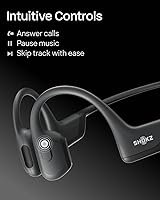
The touch controls are intuitive once learned, and volume adjustments during a run can be made without breaking stride after a short familiarization period. Pairing setup is straightforward enough that most users are up and running within a few minutes of unboxing.
Touch controls are unreliable with wet or sweaty fingers, and mid-workout accidental presses triggering skips or calls are a recurring complaint. Several reviewers express a preference for physical buttons, particularly for gloved use during cold-weather training.
Value for Money
77%
23%
For buyers who specifically need open-ear bone conduction with a smaller fit, the OpenRun Pro Mini sits at the technical top of that category and justifies its premium positioning. The build quality, battery performance, and brand reliability give it a strong longevity argument over cheaper alternatives.
At its price tier, audio quality comparisons with similarly priced traditional in-ear headphones will always favor the in-ear option on pure sound terms. Buyers who do not specifically need the safety benefits of open-ear listening may struggle to justify the cost difference against conventional alternatives.
Glasses & Helmet Compatibility
92%
The open-ear format is genuinely transformative for glasses wearers — eliminating the frame-pressure conflict that makes over-ear headphones uncomfortable and the hygiene concern that puts some users off in-ear options. Cyclists with helmets report the wrap-around design fits cleanly without clashing with straps.
Users with very thick or rigid glasses frames occasionally note that the transducer placement shifts slightly when the temples press against the headband, affecting contact quality. It is uncommon, but worth testing before committing if you wear chunky frames.
Accessories & Packaging
74%
26%
The hard-shell carrying case is a genuine quality inclusion — substantially more protective than the soft pouches that competitors bundle at the same price point, and practical for travel or gym bag storage. The overall unboxing experience feels appropriate for a premium product tier.
The sport hair band draws polarized reactions: some yoga practitioners and indoor athletes find it useful, but the majority of buyers view it as an afterthought they never use. The proprietary magnetic charging cable, while functional, remains a single point of failure with no universal backup.

Suitable for:

The Shokz OpenRun Pro Mini Bone Conduction Headphones are purpose-built for outdoor athletes who need to stay aware of their environment while still enjoying audio — think road runners navigating traffic, cyclists riding in groups, or trail hikers who can't afford to tune out the world. The Mini sizing is the key differentiator: if you have a smaller head and the standard OpenRun Pro ever slid, bounced, or felt loose mid-stride, this variant solves that problem in a tangible way. Glasses wearers and helmet users will particularly appreciate the open-ear format, which eliminates the pressure and incompatibility that plague over-ear and in-ear designs. The ten-hour battery and quick-charge capability also make this open-ear sport headset a practical choice for long training days or back-to-back workouts where charging time is limited. Remote workers who want to stay present on calls without losing awareness of a shared workspace or home environment will also find genuine value here.

Not suitable for:

If your priority is deep, immersive sound quality, the Shokz OpenRun Pro Mini Bone Conduction Headphones are not the right tool — bone conduction technology transmits sound through your cheekbones rather than your ear canal, and no amount of driver improvement fully closes the gap with good in-ear audio. Gym-goers who train indoors and have no safety reason to keep their ears open will likely find the trade-off unrewarding, especially given the price tier. The IP55 rating handles sweat and rain well, but swimmers and water sport athletes need a fully waterproof device and should look elsewhere. Anyone who listens at high volumes in quiet environments should also be aware that sound leakage is noticeable to people nearby — this is a physics limitation of the open-ear format, not a manufacturing flaw, but it matters in offices, libraries, or shared transit. Finally, buyers with average or larger head sizes who fit comfortably into the standard OpenRun Pro will find little reason to pay for the Mini variant specifically.

Specifications

  • Driver Type: 9th-generation bone conduction drivers with Shokz TurboPitch technology for improved low-frequency response.
  • Weight: The headset weighs 29g, making it comparable in feel to a lightweight pair of glasses during extended wear.
  • Frame Material: The headband is constructed from a nickel-titanium alloy with silicone and plastic accents for flexibility and durability.
  • Headband Size: The headband is 21mm shorter than the standard OpenRun Pro, designed specifically for smaller head sizes.
  • Battery Life: Provides up to 10 hours of continuous playback on a full charge under normal usage conditions.
  • Quick Charge: A 5-minute charge via magnetic induction cable delivers approximately 1.5 hours of additional playback time.
  • Charging Time: A full charge from empty takes approximately 1 hour using the included proprietary magnetic induction cable.
  • Water Resistance: Rated IP55, meaning the device is protected against sweat, splashes, and rain but is not suitable for swimming or submersion.
  • Bluetooth: Bluetooth 5.1 with a rated wireless range of 10 meters and support for multipoint pairing across two devices simultaneously.
  • Ear Placement: Open-ear design with no in-ear insert; transducers rest on the cheekbones just in front of the ears.
  • Microphone: Built-in microphone supports voice calls and is positioned to perform adequately in outdoor and moderately noisy environments.
  • Controls: Touch-based controls on the device body handle volume adjustment and playback; no physical buttons or inline remote.
  • Impedance: Driver impedance is rated at 8.5 Ohm, which is standard for bone conduction transducer designs.
  • Connectivity: Pairs via Bluetooth to any compatible device; no 3.5mm headphone jack is present on the unit.
  • Included Items: Package includes the headset, a magnetic induction charging cable, a hard-shell carrying case, a sport hair band, and a user manual.
  • Dimensions: Product dimensions are approximately 4.94 x 3.98 x 2.01 inches when measured in storage position.
  • Earpiece Shape: The transducer pads are oval-shaped and rest against the skin without entering or sealing the ear canal.
  • Battery Type: Powered by a built-in rechargeable lithium polymer battery, which is included and not user-replaceable.

Related Reviews

SHOKZ OpenRun Pro 2 Bone Conduction Headphones
80%
93%
Fit & Stability
74%
Audio Quality
96%
Open-Ear Safety
83%
Call Quality
88%
Battery Life
More
Shokz OpenRun
Shokz OpenRun
82%
97%
Situational Awareness
93%
Fit and Comfort
88%
Water and Sweat Resistance
84%
Battery Life
92%
Quick Charging Capability
More
Shokz OpenMove
Shokz OpenMove
84%
96%
Situational Awareness
92%
Long-Term Comfort
88%
Build Quality & Durability
84%
Value for Money
91%
Charging Convenience
More
YouthWhisper SuperQ3-Pro Bone Conduction Headphones
87%
85%
Sound Quality
92%
Comfort for Long Use
90%
Battery Life
88%
Noise-Canceling Performance
87%
Build Quality
More
Shokz OpenComm2 Bone Conduction Headset
81%
93%
Wearing Comfort
86%
Call Quality
74%
Microphone Performance
91%
Battery Life
88%
Bluetooth Connectivity
More
YouthWhisper Lite-Pro Bone Conduction Bluetooth Headphones
85%
81%
Sound Quality
89%
Battery Life
91%
Comfort for Extended Use
85%
Build Quality
79%
Noise Cancellation
More
Raycon Bone Conduction Headphones RBB842
74%
91%
Water Resistance
93%
Situational Awareness
87%
Battery Life
63%
Audio Quality
82%
Fit & Stability
More
Yistao B8 Bone Conduction Open-Ear Headphones
77%
91%
Comfort & Fit
88%
Battery Life
86%
Waterproofing
63%
Audio Quality
51%
Sound Leakage
More
Nanajorwa X7 Bone Conduction Headphones
78%
83%
Comfort & Fit
61%
Sound Quality
72%
Battery Life
91%
Ambient Awareness
69%
Build Quality
More
Hitarah X3 Bone Conduction Headphones
81%
88%
Wearing Comfort
63%
Sound Quality
84%
Battery Life
79%
Fit Stability During Exercise
93%
Situational Awareness
More

FAQ

The core technology is the same, but the headband on the Mini is 21mm shorter than the standard model. That might not sound like much on paper, but in practice it means the device sits flush and stable on a smaller head rather than sitting loose and rocking during a run. If you have a smaller head and found the standard version uncomfortable or unstable, the Mini is the one to consider.

No — the IP55 rating covers heavy sweat and rain exposure, but it does not make these headphones waterproof for swimming or submersion. If you need headphones for pool use, you will need a device with a higher IP rating, such as IP68. These are built for land-based sports and outdoor training.

At moderate volumes, sound leakage is minimal and generally not an issue outdoors. At higher volumes, yes — people sitting close to you will likely hear something. This is a physical characteristic of all open-ear bone conduction designs, not a defect specific to this headset. In quiet offices, libraries, or on transit, keep the volume lower or be aware that sound may carry.

Yes, and this is actually one of the strongest use cases for the OpenRun Pro Mini. Because the device wraps around the back of the head and rests in front of the ears rather than over or in them, it does not conflict with glasses frames. Many glasses-wearing athletes specifically switch to bone conduction headphones for exactly this reason.

The magnetic charging cable snaps onto the charging port on the device, and five minutes connected to power adds roughly 1.5 hours of playback. It is a practical feature for rushed mornings when you forget to charge the night before. Keep in mind this is not wireless Qi charging — it still requires the specific magnetic cable that comes in the box.

Honest answer: it sounds different, not equivalent. Audio is generally clear and detailed in the mid and high frequencies, but bass is noticeably limited compared to any decent in-ear headphone. The Shokz OpenRun Pro Mini Bone Conduction Headphones represent the current upper end of what bone conduction technology can deliver, and the improvement over older models is real — but if strong bass or audio immersion is important to you, this format will not fully satisfy that expectation.

Yes, the multipoint pairing feature on Bluetooth 5.1 allows the headset to stay connected to two devices simultaneously. You can take a call from your phone and then switch back to audio playing on your laptop without manually disconnecting and re-pairing. The transition is not always perfectly instant, but it works reliably for most users.

The sport hair band is included as an optional accessory for activities like yoga or high-intensity workouts where you want extra stability or to keep hair away from the headset. Whether you find it useful depends on your workout style — most runners and cyclists do not use it, but some users doing floor exercises appreciate having it. It is a thoughtful inclusion, though not a core part of the headset experience.

The nickel-titanium alloy frame is designed to flex under pressure and return to its original shape, which gives it good resilience against the kind of incidental stress that comes from being tossed in a bag or sat on. It is not indestructible, but the material choice is intentional for durability. The hard-shell carrying case included in the box helps protect it during travel or storage.

The built-in microphone performs better than many people expect for a sport headset. For calls during a walk, commute, or outdoor workout, it handles voice pickup well. In very windy conditions or loud environments, there will be some background noise pickup, as there is no active noise cancellation on the mic side. For desk-based remote work in a normal home environment, most users find call quality perfectly acceptable.

Where to Buy