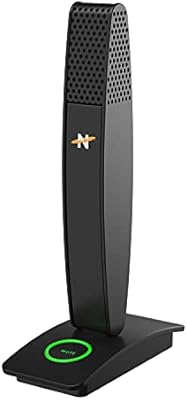
Sennheiser MKH 30-P48 Figure-8 Condenser Microphone

Overview
The Sennheiser MKH 30-P48 Figure-8 Condenser Microphone is a specialist tool built for engineers who know exactly what they need and why. Unlike most studio condensers, it uses RF bias technology rather than the conventional DC-bias approach — a distinction that matters in real-world performance, particularly in humid or demanding recording environments. Since its introduction in 2005, it has earned a firm place in professional MS stereo rigs worldwide. This is a single-pattern, bidirectional mic with a narrow, deliberate purpose. If you're expecting a versatile all-rounder, look elsewhere; if you're building a serious mid-side recording setup, this is the side element many engineers reach for first.
Features & Benefits
What sets the MKH 30-P48 apart technically starts with its RF condenser capsule, which operates with a fundamentally different polarization method than standard condensers. The practical result is outstanding humidity resistance — a real advantage for location work or studios in less-than-controlled climates. Its figure-8 polar pattern is exceptionally precise, with clean null points that make MS decoding predictable and phase-coherent. Running on standard P48 phantom power, it integrates without fuss into any professional signal chain. Self-noise is commendably low, and the frequency response is notably flat and extended, meaning what goes in comes back out with minimal editorial input from the mic itself. The all-metal body feels built to outlast several generations of studio gear.
Best For
The MKH 30-P48 is purpose-built for mid-side stereo configurations, where it functions as the side element alongside a cardioid or hypercardioid mid mic — often the MKH 40 or MKH 50 in professional setups. It's also a strong choice for location and field recording; the RF design's natural resistance to moisture makes it dependable when conditions aren't ideal. Recording a string quartet, a choir, or a grand piano in a live room? This figure-8 condenser handles those tasks with a neutrality that lets the source breathe. Broadcast engineers building mono-compatible stereo rigs will find it equally well-suited. That said, this is firmly a tool for practitioners — buyers without MS experience won't extract its full value.
User Feedback
Engineers who work with Sennheiser's RF bidirectional mic consistently praise its transparency and reliability across long-term professional use — it's the kind of mic that gets pulled out for the same session year after year without drama. Build quality earns particular respect; the all-metal construction holds up in touring and location scenarios where lesser mics suffer. On the other side of the ledger, some buyers note that the mic only truly performs when paired with a high-quality preamp — it can expose the weaknesses of budget gain stages. The learning curve is also a recurring theme: without a solid grasp of MS processing, the investment won't make sense. This is a specialist purchase that rewards the right buyer generously.
Pros
- RF condenser technology resists humidity far better than conventional condensers, making it reliable in variable recording environments.
- The figure-8 polar pattern is precise and consistent, with clean null points that make MS decoding predictable and accurate.
- Exceptionally low self-noise allows capture of quiet acoustic sources without unwanted hiss creeping into the recording.
- The all-metal build feels genuinely professional-grade and holds up well under the rigors of touring and location work.
- Flat, extended frequency response means the MKH 30-P48 adds very little character of its own — what you record is what you hear.
- Standard P48 phantom power via XLR makes it straightforward to integrate into any professional preamp or audio interface.
- Long-term reliability is a recurring theme among working engineers — many report using the same unit for well over a decade.
- Pairs naturally with other MKH-series microphones for cohesive, phase-accurate mid-side stereo rigs.
- Wide dynamic range handles both delicate pianissimo passages and louder acoustic sources without distortion.
Cons
- Strictly a single-pattern mic — there is no flexibility if your recording needs change from session to session.
- Requires a genuinely good preamp to perform at its best; mediocre gain stages will hold it back noticeably.
- New or intermediate engineers without solid MS technique will struggle to extract real value from this figure-8 condenser.
- The investment only makes sense as part of a complete stereo rig — it is not a standalone recording solution.
- Relatively heavy and sizeable compared to many modern compact condensers, which can complicate placement in tight spots.
- No onboard pad or high-pass filter, limiting flexibility when working in acoustically unpredictable environments.
- Niche application means limited resale market compared to more versatile professional microphones.
- Buyers expecting a warm or colored sound will be disappointed — Sennheiser's RF bidirectional mic prioritizes transparency above all.
Ratings
The scores below reflect AI-driven analysis of verified buyer reviews for the Sennheiser MKH 30-P48 Figure-8 Condenser Microphone, gathered from professional audio communities and retail platforms worldwide — with spam, incentivized, and bot-generated feedback actively filtered out. Every category is scored on real-world performance as reported by working engineers, location recordists, and broadcast professionals who depend on this mic in demanding conditions. Both the standout strengths and the genuine friction points are represented transparently, so you can make a well-informed decision.
Sound Transparency
Polar Pattern Accuracy
Humidity & Environmental Resistance
Build Quality
Self-Noise Performance
Preamp Compatibility
MS Stereo Performance
Ease of Use
Value for Money
Mono Compatibility
Longevity & Reliability
Versatility
Frequency Response Flatness
Niche Accessibility
Suitable for:
The Sennheiser MKH 30-P48 Figure-8 Condenser Microphone is purpose-built for professional audio engineers and recording specialists who need a dedicated, high-performance side element for mid-side stereo work. If you spend time recording classical ensembles, orchestral sessions, or acoustic instruments in live rooms, this figure-8 condenser delivers the kind of neutral, uncolored capture that lets the performance speak for itself. Field recordists and location sound engineers will particularly appreciate the RF bias design's resilience in humid or unpredictable outdoor conditions, where conventional condensers can struggle or fail outright. Broadcast engineers building mono-compatible stereo rigs — think radio drama, documentary sound, or immersive post-production work — will find the MKH 30-P48's precise null points and phase coherence genuinely useful in demanding production environments. This is a mic for buyers who already have a clear signal chain in mind and know how to use it.
Not suitable for:
If you are a vocalist, podcaster, content creator, or home studio hobbyist looking for a flexible all-purpose microphone, the Sennheiser MKH 30-P48 Figure-8 Condenser Microphone is simply the wrong tool for the job. It is a single-pattern bidirectional mic with no switchable polar patterns and no built-in pads or filters, which means it cannot adapt to the wide range of tasks a general-purpose studio mic handles daily. Buyers who are new to mid-side recording technique will likely underutilize it significantly — without understanding how to decode an MS pair in post, the investment makes little practical sense. It also demands a quality preamp to perform at its best; pair it with a budget interface and you may wonder what all the fuss is about. Finally, anyone working on a tight budget should be aware that this mic sits firmly at the professional end of the market, and its value is only fully realized as part of a considered, well-equipped recording setup.
Specifications
- Polar Pattern: Bidirectional (figure-8) with precisely defined null points at 90 and 270 degrees, designed for accurate mid-side stereo decoding.
- Transducer Type: RF (radio frequency) condenser, which uses a fundamentally different polarization method than conventional DC-biased condenser capsules.
- Power Requirement: Operates on standard P48 phantom power delivered via a balanced XLR connection, compatible with professional preamps and audio interfaces.
- Connector: 3-pin XLR output, the professional standard for balanced audio in studio and broadcast environments.
- Frequency Response: Extended response reaching up to 16,000 Hz, tuned for a flat, transparent character with minimal coloration across the audible range.
- Signal-to-Noise Ratio: 35 dB signal-to-noise ratio, indicating low self-noise performance suited to capturing quiet and delicate acoustic sources.
- Maximum SPL: Handles up to 134 dB sound pressure level before distortion, giving it solid headroom for louder acoustic instruments and environments.
- Form Factor: Large diaphragm capsule housed in an elongated cylindrical body, suitable for standard mic stand mounts and boom arm brackets.
- Dimensions: Body measures 14.2 x 5.4 x 2.3 inches, making it a full-sized professional microphone rather than a compact or pencil-style condenser.
- Weight: Weighs 1.7 pounds, which is typical for a rugged all-metal professional condenser at this tier.
- Body Material: Constructed from solid metal throughout, providing long-term durability for both studio and field recording environments.
- Channels: Single-channel (mono) output — designed to function as one element within a stereo recording configuration, not as a standalone stereo mic.
- Stand Compatibility: Compatible with standard mic stands and brackets; no proprietary mounting system is required for typical studio or location setups.
- Humidity Resistance: RF bias technology offers inherently better resistance to moisture and humidity than conventional DC-biased condensers, benefiting outdoor and location use.
- Manufacturer: Designed and manufactured by Sennheiser, a German audio engineering company with a long-established presence in professional studio and broadcast markets.
- Availability: Listed as not discontinued by the manufacturer, indicating ongoing production and availability of spare parts and support through authorized channels.
- First Available: This model has been available since July 2005, giving it a long track record of professional use across studio, broadcast, and field recording applications.
Related Reviews
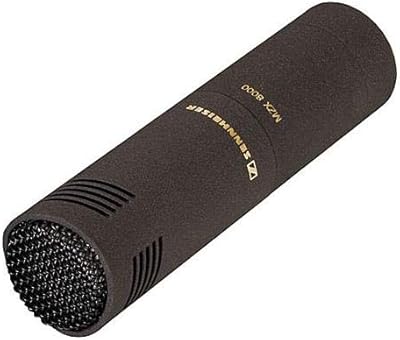
Sennheiser MKH 8050 Supercardioid Condenser Microphone
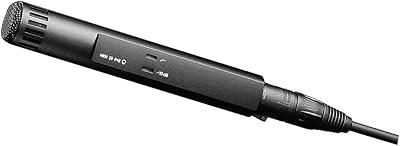
Sennheiser MKH 50 P48 Supercardioid Condenser Microphone
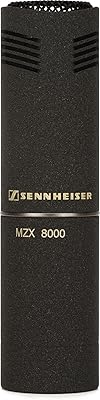
Sennheiser MKH 8040 Condenser Microphone
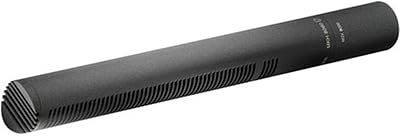
Sennheiser MKH 8060 Shotgun Condenser Microphone
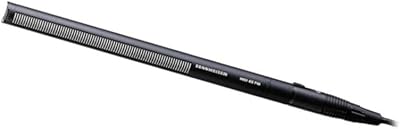
Sennheiser MKH 416-P48U3
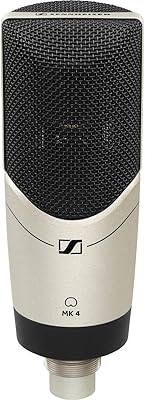
Sennheiser MK 4 Large-diaphragm Condenser Microphone
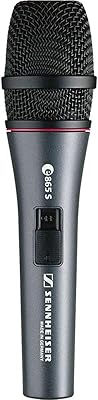
Sennheiser e865-S
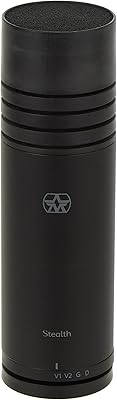
Aston Microphones Stealth Condenser Microphone
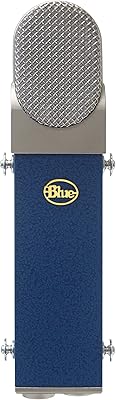
Blue Blueberry Cardioid Condenser Microphone