Overview

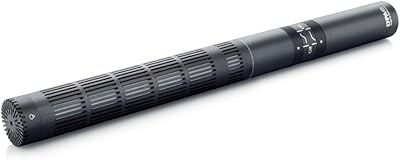
The Sennheiser MKH 8060 Shotgun Condenser Microphone sits firmly in the upper tier of professional audio tools, built for broadcast, documentary, and film production where capturing clean dialogue is non-negotiable. Unlike typical camera microphones, this Sennheiser shotgun mic uses an RF condenser circuit and a supercardioid polar pattern — a combination that sets it apart technically and practically. Its compact all-metal housing makes it equally at home mounted on a camera hot shoe or hanging from a boom pole. This is not a microphone for casual hobbyists; it is a serious tool designed for people who understand why audio quality matters as much as the image.

Features & Benefits

What makes the MKH 8060 genuinely useful in the field is how its engineering translates to real-world performance. The supercardioid polar pattern keeps unwanted ambient sound from creeping in from the sides — critical when shooting in noisy environments. The RF condenser design makes this professional boom mic far more tolerant of humidity and temperature swings than standard condenser mics, a real advantage for outdoor work. High output sensitivity captures a strong, clean signal without straining your preamp, and the low self-noise keeps recordings transparent even in quiet scenes. The included foam windshield, mic clip, and protective transport tube mean you can take it straight to a shoot without hunting for accessories.

Best For

This Sennheiser shotgun mic is best suited for professionals who operate in demanding, real-world conditions. Documentary crews and electronic news gathering teams will appreciate how reliably it performs outdoors, rain or shine. Narrative filmmakers and indie productions benefit from its ability to capture natural, uncolored dialogue with broadcast-level fidelity. Location sound recordists working in unpredictable environments — cold mornings, humid sets — will find its weather resistance genuinely reassuring rather than a marketing claim. On-camera operators get a compact, capable top-mount option that adds no unnecessary bulk to a rig. Voice-over artists and podcasters who want a serious directional mic will find it compelling, provided their gear matches its caliber.

User Feedback

Owners consistently praise the MKH 8060 for its natural midrange character and tight off-axis rejection, particularly in outdoor and run-and-gun shooting scenarios. Durability earns repeated mentions — people report years of reliable use across varying climates without any drop in performance. That said, a recurring concern is worth flagging honestly: this professional boom mic does not flatter weak preamps. Feed it a mediocre audio interface and you may not hear what it is truly capable of. Budget-conscious buyers sometimes weigh it against competitors like the Rode NTG5 or Schoeps CMIT. Seasoned pros, though, tend to view it as a long-term investment — bought once, relied upon across countless productions.

Pros

  • RF condenser circuit handles humidity and temperature extremes that would compromise most standard condenser mics.
  • Supercardioid polar pattern keeps side and rear noise rejection tight, even on busy outdoor locations.
  • High output sensitivity captures strong, clean signal without pushing preamp gain into noisy territory.
  • All-metal housing feels genuinely durable and has earned praise from owners using it across years of production work.
  • Compact form factor adds minimal weight and bulk whether mounted on a camera or hanging from a boom pole.
  • Comes ready for the field with a foam windshield, mic clip, and protective transport tube included in the box.
  • Low self-noise produces transparent recordings that hold up well in quiet dialogue scenes and controlled environments.
  • The MKH 8060 is consistently praised by professionals for its natural midrange and uncolored voice reproduction.
  • Reliable performance across seasons and climates makes it a trusted long-term tool rather than a one-project purchase.
  • Mono XLR output integrates cleanly with professional audio recorders, mixers, and camera-mounted preamps.

Cons

  • A weak or noisy preamp will noticeably limit what this mic can deliver — signal chain quality is non-negotiable.
  • The investment required puts it out of reach for hobbyists or part-time creators who cannot justify the spend.
  • Narrow supercardioid pickup offers no pattern flexibility for users who need versatility across different recording scenarios.
  • No built-in high-pass filter or pad controls mean you rely entirely on downstream gear for signal shaping.
  • Buyers coming from looser hypercardioid mics may need time to adjust to precise mic placement requirements.
  • The foam windshield handles light breeze but serious outdoor wind work will still require a dedicated blimp system.
  • Heavier than some competing lightweight shotgun options, which can matter on long handheld or single-operator shoots.
  • Resale market competition from newer MKH series models can complicate value assessment for first-time buyers.

Ratings

The Sennheiser MKH 8060 Shotgun Condenser Microphone has been evaluated through AI-assisted analysis of verified buyer reviews sourced globally, with spam, incentivized, and bot-generated feedback actively filtered out to protect score integrity. The ratings below reflect genuine ownership experiences across documentary crews, broadcast engineers, indie filmmakers, and location sound professionals — capturing both what this professional boom mic gets right and where real buyers have run into friction.

Audio Clarity
94%
Owners consistently describe the sound character as transparent and natural, particularly praising its clean midrange reproduction during dialogue capture. Location mixers working on documentary shoots report that voices sound true-to-life without the coloration or harshness that cheaper shotgun mics introduce, even in acoustically imperfect environments.
A small number of reviewers note that in reverberant interior spaces, the tight polar pattern can make room reflections slightly more noticeable if mic placement is not carefully managed. This is not a flaw in the mic itself, but it does demand more precise technique than forgiving large-diaphragm alternatives.
Off-Axis Rejection
91%
The supercardioid pattern earns strong praise from ENG operators and boom operators working in noisy outdoor conditions, where keeping unwanted ambient sound out of the recording is non-negotiable. Professionals report it handles crowd noise, traffic, and wind-adjacent ambient bleed noticeably better than many competing shotgun designs at a similar tier.
The tight rejection pattern requires consistent, accurate aiming — operators without a dedicated boom person occasionally report picking up more off-axis noise than expected when subjects move unpredictably. Solo shooters who cannot monitor audio in real time are more exposed to this limitation than those working with a dedicated sound team.
Weather Resistance
89%
The RF condenser circuit is a genuine differentiator in the field, and buyers who have used the MKH 8060 in humid tropical climates, cold winter exteriors, and rainy documentary conditions consistently report no performance degradation or reliability issues. This is a category where the design choice pays off in ways that are immediately tangible on difficult shoots.
While the mic itself handles environmental stress well, the included foam windshield is not sufficient for sustained windy exteriors, and buyers who work regularly in exposed outdoor locations report needing to invest in a dedicated blimp system separately. The weather resistance of the mic does not extend to full wind noise elimination without additional accessories.
Build Quality
93%
The all-metal housing feels solid and purposeful in hand, and long-term owners frequently note that the physical condition of the mic holds up after years of regular production use, including transport in professional bags and daily rigging on location. Multiple buyers describe it as one of the most physically robust microphones they have owned at this tier.
At 15.1 oz the mic has meaningful weight, and a small number of camera operators note that extended handheld shooting with it top-mounted adds noticeable fatigue over a full shooting day. There are no reported structural failures, but the weight is a real ergonomic consideration for operators working without a rig or shoulder mount.
Preamp Compatibility
67%
33%
When paired with a quality field recorder or low-noise preamp, the MKH 8060 rewards the operator with exceptionally clean, low-noise recordings that hold up well in post-production workflows, even when gain is applied during editing. Professional users with properly matched signal chains report no complaints about noise floor or gain requirements.
This is one of the most consistently raised concerns among buyers: the mic underperforms noticeably when paired with budget camera preamps or entry-level audio interfaces, and first-time professional mic buyers are often caught off guard by how much the output quality depends on the rest of the signal chain. Buyers who do not already own a capable preamp need to factor that additional cost into their decision.
Value for Money
71%
29%
Seasoned broadcast professionals and experienced location sound recordists widely regard the MKH 8060 as a sound long-term investment, pointing to its durability, sonic performance, and continued relevance across many years of professional use as justification for the price point. Buyers who use it daily on paid productions generally feel the cost is well-earned over time.
Buyers coming from a hobbyist or semi-professional background more frequently question whether the performance gap over more affordable alternatives like the Rode NTG5 is large enough to justify the significant price difference. For buyers who do not work in high-stakes professional audio environments, the return on investment is harder to realize.
Compact Form Factor
86%
The relatively compact body is frequently praised by on-camera operators who need a capable top-mount solution that does not dramatically extend the camera profile or upset rig balance. Documentary shooters working fast and light particularly appreciate being able to run this mic on-camera without sacrificing audio quality.
While compact by professional shotgun standards, it is still noticeably larger than ultra-compact on-camera mics designed for consumer cameras, and buyers with smaller mirrorless rigs occasionally report that the physical presence of the mic is more intrusive than they anticipated from the spec sheet dimensions alone.
Ease of Setup
83%
The plug-and-play XLR connection and included accessories mean most professionals can have the mic operational within minutes of unboxing, with no complex configuration or software required. Buyers familiar with professional audio workflows describe the setup process as entirely straightforward and intuitive.
For buyers new to professional condenser microphones, the phantom power requirement and the sensitivity to preamp quality add a layer of setup complexity that is not immediately obvious from the product listing. A small number of first-time buyers report initial frustration before understanding that their existing gear was the limiting factor rather than the mic.
Low Self-Noise
92%
The low noise floor is a consistently praised attribute, particularly by voice-over artists and dialogue editors who work with recordings in quiet environments where any mic self-noise becomes audible during post-production. Buyers who need clean recordings that can handle gain in editing without introducing noise artifacts find this mic particularly well-suited to their work.
The self-noise advantage is most meaningful when the rest of the signal chain is equally clean, and buyers whose preamps introduce their own noise floor sometimes cannot perceive the benefit in practice. This is not a deficiency in the mic, but it is a limitation in how the spec translates to real-world results for operators with average-quality gear.
Included Accessories
74%
26%
The foam windshield, mic clip, and threaded transport tube are all practically useful items that buyers appreciate finding in the box, particularly the transport tube which provides genuine protection during travel and storage between productions. Reviewers note the accessories feel like considered additions rather than token inclusions.
For professional outdoor use, the foam windshield alone is not sufficient, and experienced location sound operators note that a full blimp and furry windshield are necessary for real exterior work — accessories that must be purchased separately at meaningful additional cost. Buyers expecting a complete outdoor audio kit may feel the included accessories cover only part of their real-world needs.
Durability Over Time
91%
Long-term owners across broadcast, documentary, and narrative film production describe the MKH 8060 as a mic that holds its performance characteristics over years of active use, with no reported degradation in sound quality or mechanical reliability in the majority of user feedback. Several owners describe it as one of the few pieces of audio gear they have never needed to repair or replace.
No widespread durability failures are documented in user feedback, though a small number of buyers note that the mic clip included in the box shows wear faster than the mic itself under heavy daily use and may need replacement after extended field work. The mic body itself attracts no meaningful criticism for longevity.
On-Camera Handling Noise
78%
22%
When mounted correctly with a shock mount or the included clip on a stable rig, owners report low handling noise that does not intrude into recordings during camera movements. This makes the MKH 8060 a practical option for operators who need both camera mobility and clean audio without constant boom support.
Used without a dedicated shock mount — relying solely on the included clip — a noticeable number of buyers report picking up handling vibrations during active camera work, particularly when shooting handheld or on a shoulder rig over extended periods. A quality shock mount is effectively a required additional purchase for operators prioritizing handling noise isolation.
Compatibility
88%
The standard XLR connector and universal phantom power requirement make the MKH 8060 compatible with virtually every professional audio recorder, field mixer, and phantom-power-capable camera on the market, giving buyers long-term flexibility as their gear setup evolves. Professionals who have upgraded recorders or cameras multiple times describe the mic as one of the constants that carries across every new rig.
The lack of a digital output or any wireless integration means this mic is tied to a physical cable run in every application, which can be a workflow constraint for solo operators or situations where cable management is difficult. Buyers looking for a mic that can also serve wireless or USB workflows will need additional hardware to make that work.

Suitable for:

The Sennheiser MKH 8060 Shotgun Condenser Microphone is purpose-built for professionals who cannot afford to compromise on audio quality when shooting in unpredictable, real-world conditions. Documentary filmmakers and electronic news gathering crews will find it particularly well-matched to their needs, since its RF condenser design holds up in heat, cold, and humidity where standard condensers can fail or color the sound. Narrative film productions and indie crews chasing broadcast-level dialogue will appreciate how transparently it captures voice without adding its own character. Location sound recordists who spend time outdoors on varied sets — from windy exteriors to climate-controlled studios — get genuine versatility from a single mic that travels well and mounts cleanly on a boom or camera rig. Even voice-over artists and serious podcasters who prioritize directional isolation and low noise will get strong results, as long as their signal chain is up to the task.

Not suitable for:

The Sennheiser MKH 8060 Shotgun Condenser Microphone is not the right choice for buyers who are just starting out or working with entry-level audio gear. This professional boom mic depends heavily on a clean, capable preamp and quality phantom power to perform at its best — pair it with a budget audio interface and you are likely to feel underwhelmed and underserved by your investment. Hobbyist YouTubers or casual content creators recording in treated indoor spaces will find more cost-effective options that do the same job without requiring a professional-grade signal chain to justify the spend. Buyers primarily recording instruments in a studio context, or those who need multi-pattern versatility, should also look elsewhere, as the supercardioid pattern is deliberately narrow and purpose-specific. If your shoots are exclusively indoors in controlled acoustic environments, the weather resistance and rugged build — which contribute meaningfully to the cost — become features you are paying for but never using.

Specifications

  • Polar Pattern: Supercardioid/lobe pattern provides tight front-focused pickup with strong rejection of sound arriving from the sides and rear.
  • Microphone Type: RF condenser (radio frequency) design offers superior resistance to humidity and temperature fluctuations compared to conventional DC-biased condensers.
  • Audio Sensitivity: Output sensitivity is rated at 24 dB, delivering a strong, clean signal level well-suited to professional preamps and field recorders.
  • Signal-to-Noise Ratio: Signal-to-noise ratio of 11 dB ensures extremely low self-noise, keeping recordings transparent and artifact-free even in quiet acoustic environments.
  • Connector: Equipped with a standard XLR connector for compatibility with professional cameras, mixers, audio recorders, and preamps.
  • Power Source: Requires 48V phantom power delivered via XLR cable; no internal battery option is available.
  • Form Factor: Shotgun form factor with a compact body that mounts directly to standard camera hot shoes or fits industry-standard boom pole mounts.
  • Housing Material: Full metal construction provides a rugged, road-worthy build designed to withstand the physical demands of location and broadcast work.
  • Weather Resistance: High weather resistance is achieved through the RF condenser circuit, making the mic reliable in humid, cold, or otherwise variable outdoor conditions.
  • Channels: Mono output through a single XLR channel, standard for dialogue capture, ENG, and boom operation workflows.
  • Item Weight: Weighs 15.1 oz, which is manageable for camera-top use and appropriate for professional boom pole operation over extended shoots.
  • Dimensions: Measures 9.65 x 6.69 x 3.23 inches, keeping the overall footprint compact enough to avoid interfering with most camera rig setups.
  • Compatible Mounts: Compatible with standard camera hot shoes and industry-standard boom pole mounts, offering flexible deployment across different production setups.
  • Included Accessories: Ships with a foam windshield, microphone clip, threaded transport tube, and user manual, covering the essentials for immediate field use.
  • Color: Available in black, consistent with professional broadcast and film production aesthetic standards.
  • Manufacturer: Designed and manufactured by Sennheiser, a German audio company with decades of experience supplying professional broadcast and studio equipment.
  • Model Number: Official model designation is MKH 8060, part of Sennheiser's MKH (Mikrofon Kondensator Hochfrequenz) professional microphone series.
  • Availability: Not discontinued by the manufacturer, indicating active production support and ongoing availability of accessories and service.

Related Reviews
Sennheiser MKH 8040 Condenser Microphone
83%
97%
Sound Accuracy
94%
Self-Noise Performance
91%
Polar Pattern Consistency
89%
Build Quality
63%
Value for Money
More
Sennheiser MKH 8050 Supercardioid Condenser Microphone
84%
94%
Audio Clarity
92%
Noise Floor
91%
Directional Accuracy
88%
Build Quality
93%
Frequency Response
More
Sennheiser MKH 416-P48U3
90%
98%
Build Durability
97%
Humidity Resistance
92%
Off-Axis Rejection
94%
Voice Articulation
89%
Value for Money
More
Sennheiser MKH 30-P48 Figure-8 Condenser Microphone
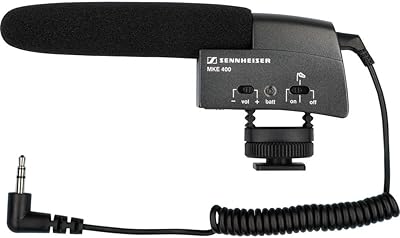
81%
96%
Sound Transparency
94%
Polar Pattern Accuracy
91%
Humidity & Environmental Resistance
93%
Build Quality
88%
Self-Noise Performance
More
Sennheiser ME66 Short Shotgun Microphone Capsule
79%
88%
Directional Performance
84%
Noise Floor
61%
Value for Money
53%
Module Dependency
71%
Reach & Coverage
More
Sennheiser MKE 400 Shotgun Microphone
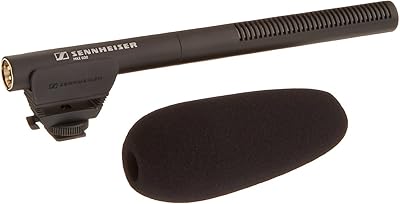
78%
78%
Audio Quality
91%
Build Quality
52%
Wind Noise Rejection
94%
Battery Life
67%
Value for Money
More
DPA 4017B Shotgun Condenser Microphone
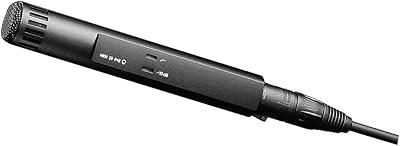
83%
93%
Sound Quality
91%
Off-Axis Rejection
88%
Build Quality
63%
Value for Money
89%
Transient Response
More
Sennheiser MKH 50 P48 Supercardioid Condenser Microphone

84%
96%
Audio Transparency
94%
Self-Noise Performance
91%
Off-Axis Rejection
93%
Build Quality
47%
Placement Forgiveness
More
Sennheiser MKE 600
Sennheiser MKE 600
89%
93%
Vocal Clarity
88%
Off-Axis Rejection
96%
Powering Versatility
91%
Build Durability
84%
Environmental Resilience
More
RØDE NTG4+ Supercardioid Condenser Shotgun Microphone
87%
91%
Sound Quality
96%
Battery Life
88%
Build Quality
84%
Ease of Use
90%
Noise Isolation
More

FAQ

It requires 48V phantom power delivered through the XLR connection — there is no battery option. Most professional cameras, field recorders, and audio interfaces provide 48V phantom power, but it is worth confirming your gear supports it before purchasing.

It will work, but the Sennheiser MKH 8060 Shotgun Condenser Microphone is genuinely sensitive to preamp quality. A noisy or low-gain preamp will hold back what this mic can do, and you may find the results underwhelming compared to what owners with cleaner signal chains experience. For best results, pair it with a dedicated field recorder or a preamp with low noise and sufficient headroom.

The included foam windshield manages light breeze reasonably well for on-camera use. However, for sustained outdoor shooting in open or windy environments, most professionals add a dedicated blimp-style windshield and furry cover on top of the foam. The RF condenser design helps with environmental reliability, but wind noise management still depends on physical acoustic shielding.

Both, actually. The compact form factor and included mic clip are suited to camera hot shoe mounting for run-and-gun or solo shooting. It also works very well on a boom pole for narrative film and documentary work. Many operators use it in both configurations depending on the production day.

The Rode NTG5 is lighter and comes in at a lower price point, making it a practical alternative for operators prioritizing weight or budget. The Schoeps CMIT 5U is a close competitor at a similar professional tier, with a slightly different sonic character that some mixers prefer for certain voice types. The MKH 8060 is often praised for its natural, uncolored midrange and its weather resistance, which edges out both competitors in demanding outdoor conditions.

It does require more precise aiming than a looser hypercardioid or cardioid mic. For solo operators without a dedicated boom person, keeping the subject consistently on-axis takes practice. That said, many solo documentary and ENG shooters use it successfully on-camera — the key is knowing your subject will stay reasonably centered in frame.

Owners frequently describe it as a long-term workhorse. The all-metal housing resists physical wear, and the RF condenser design avoids the humidity-related failures that can affect standard condensers in outdoor or tropical shooting conditions. Multiple buyers have reported consistent performance across years of professional use without degradation in sound quality.

For most professional setups, yes. The box includes a foam windshield, microphone clip, threaded transport tube, and user manual. You will need your own XLR cable and a phantom power source, which are standard requirements for any professional condenser mic and not specific to this model.

It can work very well in a voice-over or podcast context if you have a clean preamp and a treated recording space, since the tight pickup pattern is actually useful for rejecting room reflections. That said, the investment level makes more sense when you are also using it on video productions. If podcasting or voice-over is your only use case, there are more cost-efficient directional mics worth considering first.

The included threaded transport tube provides solid protection for transit and storage, and it is genuinely useful rather than a throwaway accessory. For additional protection during travel, many professionals store the tube inside a padded case alongside their other audio gear. Keeping it away from extreme moisture when not in use is good practice, even though the RF design makes it more tolerant than most condensers.

Where to Buy