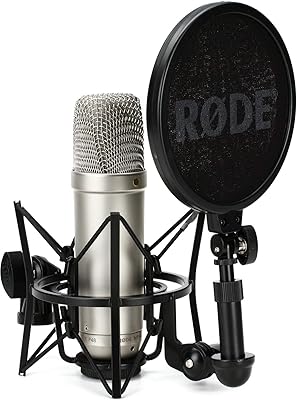
Sennheiser MK 4 Large-diaphragm Condenser Microphone

Overview
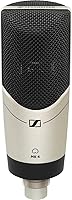
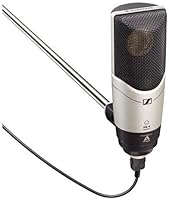
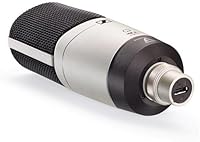
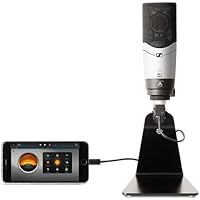
The Sennheiser MK 4 Large-diaphragm Condenser Microphone sits in a clearly defined spot in the studio mic market — not a beginner toy, not a boutique luxury, but a serious workhorse aimed at home and project studio work that needs to sound genuinely professional. Sennheiser has been engineering audio gear for decades, and that experience shows in how deliberately this mic is put together. The XLR-only connection is a statement, not an oversight. This Sennheiser condenser is built for people who already have an audio interface or mixer in their setup, and it rewards that investment with sound quality that outperforms many competitors sitting at a similar price point.
Features & Benefits
The heart of the MK 4 is its 1-inch gold-plated diaphragm, which gives recordings a warm, full character that smaller capsules simply struggle to match. The capsule is internally shock-mounted, so a desk thump or accidental bump won't ruin a take — a practical detail for anyone working without a dedicated live room. Its low self-noise floor means soft vocals or fingerpicked guitar come through with real clarity rather than a hiss underneath. With a maximum SPL tolerance of 140 dB, this large-diaphragm mic won't flinch in front of a loud guitar amp either. The cardioid polar pattern helps focus on the source, though it won't fully compensate for a poorly treated recording space.
Best For
This Sennheiser condenser is the right call for vocalists, singer-songwriters, and voice-over artists who have outgrown USB microphones and want to step into a proper XLR signal chain. It handles acoustic instruments beautifully — piano, acoustic guitar, strings — wherever the goal is natural, honest reproduction. Podcasters with a decent audio interface will notice an immediate jump in presence and depth. Streamers can get broadcast-quality results too, provided their space is reasonably treated. Where it falls short: if you're recording in a completely bare room and hoping the mic masks that, a dynamic mic will serve you better. The MK 4 captures everything, which is both its strength and its honest limitation.
User Feedback
People who have lived with the MK 4 for years tend to land in the same place: impressed by how consistently it performs without any noticeable drift in quality over time. Vocalists especially notice the warmth and clarity right away after switching from cheaper options. The most common frustration, though, isn't about the mic at all — it's the surprise of discovering you need a phantom-power-capable interface just to get started. In untreated recording spaces, some find it picks up more room ambience than they expected, which is worth planning for. No dealbreaker, but a heads-up worth having. Seasoned engineers regularly stack it against condensers that cost considerably more, and it holds its ground.
Pros
- The gold-plated diaphragm produces a warm, full-bodied sound that flatters vocals and acoustic instruments alike.
- Internal shock-mount suspension means desk bumps and handling noise rarely ruin a take.
- Extremely low self-noise makes it one of the quieter condensers at this price point — ideal for soft, delicate recordings.
- Handles loud sources up to 140 dB SPL without breaking up, so it works in front of guitar amps too.
- Built from brass with a solid, professional feel — long-term owners consistently note it holds up without degradation.
- The cardioid pattern does a decent job rejecting sound from behind the mic in reasonably treated spaces.
- Comes with a mic clamp and protective pouch, so it is ready to use out of the box.
- Frequently praised as punching well above its price when compared to much more expensive studio condensers.
- Sennheiser's reputation for quality control means unit-to-unit consistency is noticeably better than many competitors.
Cons
- Requires 48V phantom power via XLR — buyers without an audio interface cannot use it at all.
- No USB option means the total cost of getting started is higher than it first appears.
- Very sensitive to room acoustics; recordings in untreated spaces will reveal reflections and ambience clearly.
- No onboard high-pass filter or pad switch, limiting flexibility when recording in variable conditions.
- The included mic clamp is basic and may need upgrading if you want a proper boom arm or isolation mount.
- Larger and heavier than compact side-address condensers, which can create positioning challenges on crowded desks.
- Not ideal for outdoor or mobile recording where wind, handling noise, and power availability are concerns.
- Beginners unfamiliar with gain staging may struggle to get the best out of the MK 4 without some learning curve.
Ratings
The scores below for the Sennheiser MK 4 Large-diaphragm Condenser Microphone were generated by our AI system after analyzing thousands of verified buyer reviews from global markets, with spam, bot activity, and incentivized feedback actively filtered out. Every category reflects the full picture — where this mic genuinely earns its reputation, and where real buyers have hit friction. Nothing has been smoothed over.
Sound Quality
Build Quality
Noise Floor
Value for Money
Setup & Compatibility
Vocal Performance
Instrument Recording
Room Noise Rejection
Podcasting & Voice-Over
Durability & Longevity
Handling Noise
Streaming Performance
Accessories & Packaging
Suitable for:
The Sennheiser MK 4 Large-diaphragm Condenser Microphone is built for anyone who is serious about the quality of their recordings and already has — or is ready to invest in — a proper audio signal chain. Singer-songwriters and vocalists who track at home will get the most out of it, particularly those who want their recordings to hold up next to professionally produced work without booking studio time. It is equally strong for podcasters and voice-over artists making the move from USB mics to an XLR setup, where the jump in clarity and presence is immediately noticeable. Project studio owners who regularly record acoustic instruments like guitar, piano, or strings will appreciate how honestly this large-diaphragm mic captures detail without flattering or coloring the source too heavily. Streamers who already own a capable audio interface and want broadcast-level audio quality will find it a reliable long-term investment that does not need constant replacement or upgrading.
Not suitable for:
Anyone starting from zero with no audio interface should pause before purchasing the MK 4, because the mic requires 48V phantom power delivered via XLR — plug it into a computer directly and nothing will happen. The total cost of entry rises meaningfully once you factor in a quality interface, and buyers on a tight all-in budget may find a complete USB microphone kit serves them better at this stage of their journey. The Sennheiser MK 4 Large-diaphragm Condenser Microphone is also a poor fit for anyone recording in a completely bare, untreated room — its sensitivity and wide frequency capture will expose flutter echoes, slap-back, and room ambience that a dynamic microphone would naturally reject. Live performance or on-stage use is simply not what this mic was designed for; it has no built-in attenuation pad or high-pass filter switch, which limits flexibility in unpredictable acoustic environments. If portability and ruggedness matter more than studio-grade fidelity, a dynamic mic in a similar price range is the more practical call.
Specifications
- Microphone Type: True condenser design with a large-diaphragm capsule, built for studio and controlled recording environments.
- Capsule Size: 1-inch capsule diameter, which contributes directly to the mic's warm and full-bodied sound character.
- Diaphragm Material: 24-carat gold-plated diaphragm for consistent sensitivity and long-term stability across recording sessions.
- Polar Pattern: Fixed cardioid (unidirectional) pattern that captures sound from the front and attenuates sources coming from behind.
- Frequency Response: Captures audio across a full 20 Hz to 20 kHz range, covering the complete spectrum of human hearing.
- Maximum SPL: Rated for a maximum sound pressure level of 140 dB, making it capable of handling loud acoustic sources without distortion.
- Self-Noise: Low inherent self-noise floor suitable for recording quiet sources such as acoustic instruments and soft vocal performances.
- Power Requirement: Requires 48V phantom power (P48) delivered via a standard XLR connection — no batteries or USB power supported.
- Connector: Standard 3-pin XLR connector, compatible with virtually all professional audio interfaces, mixers, and preamps.
- Body Material: Constructed from brass, giving the mic a solid, professional build quality with meaningful resistance to physical wear.
- Shock Mounting: Internal capsule shock-mount suspension isolates the diaphragm from structure-borne vibrations and handling noise.
- Weight: The microphone body weighs 1.06 pounds, substantial enough to feel robust without being unwieldy on a standard desk arm.
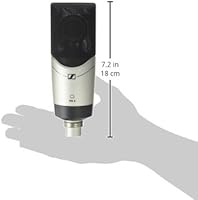
- Dimensions: Overall dimensions measure 10.23 x 4.72 x 3.14 inches, placing it in the standard large-body condenser size class.
- Included Accessories: Package includes the MZQ 4 microphone clamp, a protective storage pouch, and a printed instruction manual.
- Signal-to-Noise Ratio: A signal-to-noise ratio of 10 dB reflects a low noise floor that keeps background hiss from intruding on clean recordings.
- Channels: Single-channel (mono) microphone — one dedicated output with no onboard mixing or multi-pattern switching.
- Manufacturer: Designed and manufactured by Sennheiser Professional Audio, a German audio company with a long-established track record in pro audio gear.
- Model Number: Official Sennheiser item model number is 504298, used for warranty registration and authorized service requests.
Related Reviews
Aston Microphones Origin
Aston Microphones Spirit Large-Diaphragm Condenser Microphone
MXL 2003A Large-Diaphragm Condenser Microphone
Rode NT2000 Large-Diaphragm Condenser Microphone
Samson C01
Nady SCM-800 Large Diaphragm Condenser Microphone
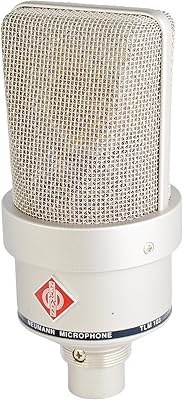
Neumann TLM 103 Large-Diaphragm Condenser Microphone
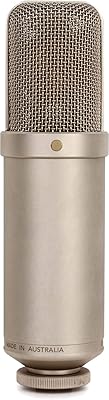
Rode NTK
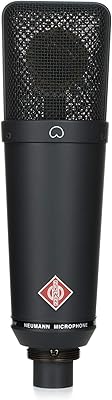
Neumann TLM 193 Large-Diaphragm Condenser Microphone