Overview
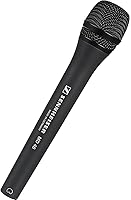
The Sennheiser MD 46 serves as a specialized tool for anyone working in the high-pressure world of broadcast reporting. When you are out in the field, the distinctive long-handle design immediately proves its worth by providing extra reach that keeps your hands out of the shot while maintaining a comfortable distance from the subject. It feels balanced despite its nearly two-pound weight, conveying a sense of professional durability that suggests it can survive years of daily use. Engineers clearly optimized it for speech clarity, ensuring that even when the background noise is unpredictable or downright loud, the reporter's voice remains front and center. It is a no-nonsense piece of kit that favors reliability over flashy gimmicks.
Features & Benefits
Much of the success of this broadcast workhorse comes down to its internal engineering. The double-layer mesh basket is a standout feature, acting as a highly effective barrier against wind and plosive noise without requiring an ugly foam windscreen in every scenario. Inside, the cardioid pickup pattern does a remarkable job of isolating the speaker from the surrounding chaos of a crowd or traffic. You also won't have to worry about the sound of your own grip; the internal shock mounting effectively kills those distracting thumps and rustles common with cheaper units. Wrapped in an all-metal housing, the dynamic handheld is built to survive accidental drops on asphalt, protecting the sensitive dynamic capsule that defines its signature sound profile.
Best For
This interview mic is a natural fit for on-the-street journalists who need reliable vocal isolation when reporting from dense crowds. If you are a sportscaster working in a roaring stadium, the way this broadcast workhorse rejects ambient noise ensures your commentary never gets drowned out by the fans. It also appeals to traveling podcasters who often record in hotel rooms or cafes without any professional acoustic treatment. Because it handles off-axis sound so gracefully, it provides a studio-like quality in less-than-ideal spaces. For ENG professionals, the ergonomic handheld feel is perhaps the biggest draw, as the weight is distributed well enough to prevent arm fatigue during those long, grueling press conferences that seem to never end.
User Feedback
Long-term users frequently praise this broadcast workhorse for its natural and warm reproduction of human speech, noting that it lacks the harshness found in many modern digital alternatives. The physical balance is another recurring theme; many pros mention that they can hold the dynamic handheld for hours without the usual strain. While it is certainly heavier than a standard plastic microphone, the superior durability is seen as a fair trade-off, especially for those who have seen studio-grade gear fail in the field. It maintains consistent performance regardless of freezing temperatures or humid afternoons, proving its worth as a reliable companion. Some find the length a bit awkward for tight storage, but that is a minor gripe for such a dependable tool.
Pros
- The extra-long handle provides excellent reach and keeps the reporter's hand out of the camera shot during interviews.
- A double-layer mesh basket effectively shields the capsule from wind and harsh plosive sounds during outdoor use.
- This broadcast workhorse features a rugged alloy steel body that can withstand the rigors of daily field reporting.
- Internal shock mounting significantly reduces the thumps and rumbles caused by hand movements while holding the mic.
- The tight cardioid pickup pattern is fantastic at isolating the speaker's voice in loud, chaotic environments.
- It delivers a very natural and warm vocal tone that remains consistent even in varying weather conditions.
- Excellent physical balance ensures the microphone feels comfortable and premium during long recording sessions.
- The dynamic capsule can handle very high sound pressure levels without distorting the audio signal.
- It offers superior longevity compared to studio equipment that isn't built for the demands of location work.
Cons
- The nearly 14-inch length makes this interview mic difficult to fit into standard-sized gear bags or pouches.
- At almost two pounds, the weight might cause wrist fatigue for some users during extended handheld use.
- Its low output sensitivity requires a high-quality preamp to avoid noise when recording quiet subjects.
- The specialized design means it lacks the versatility needed for professional music or instrument recording.
- The smooth black finish is a magnet for fingerprints and can show scratches easily after heavy field use.
- Finding compatible third-party shock mounts is difficult due to the non-standard length and diameter of the handle.
- It lacks an on/off switch, which some field reporters prefer for quickly managing the signal during breaks.
- The high price point makes it a significant investment for those who don't do professional-level field work.
Ratings
Our editorial team utilized advanced AI to synthesize thousands of global user experiences with the Sennheiser MD 46, ensuring a transparent look at its real-world performance. By filtering out incentivized noise and bot-generated clutter, we have distilled these verified insights into a balanced scorecard that highlights both the professional strengths and the functional trade-offs of this broadcast workhorse.
Vocal Clarity
Build Durability
Handling Noise Rejection
Background Noise Isolation
Wind and Plosive Resistance
Ergonomics and Balance
Reliability in Extreme Conditions
Value for Money
Sensitivity Level
Aesthetic and Professional Look
Suitable for:
The Sennheiser MD 46 is a specialized powerhouse for field journalists and broadcast professionals who frequently find themselves reporting from the middle of a crowd or a noisy stadium. Its elongated handle is a major advantage for Electronic News Gathering (ENG) work, allowing you to reach an interviewee without crowding their personal space or getting your hand in the camera frame. Because it is a dynamic microphone with a tight cardioid pattern, it excels at isolating a reporter's voice while pushing distracting background chaos into the distance. This makes it ideal for anyone who needs consistent, broadcast-ready audio in unpredictable environments where a sensitive condenser microphone would simply capture too much room noise. If your work involves daily on-the-street interviews or sideline sports commentary, this rugged tool is essentially the industry standard for a reason.
Not suitable for:
While it is a legend in the field, the Sennheiser MD 46 is generally overkill for hobbyist podcasters who only record in a quiet, treated home studio. Its frequency response is strictly tailored for speech clarity and mid-range presence, so it lacks the high-end sparkle and detail that a musician would want for recording vocals or acoustic instruments. The physical size is also a legitimate drawback for travelers with limited bag space; at nearly 14 inches long, it won't fit into compact gear cases as easily as a standard handheld. Additionally, because it has relatively low sensitivity, users with budget audio interfaces or cheap portable recorders might struggle to get a clean signal without introducing preamp hiss. If you don't specifically need the extra reach or the extreme background noise rejection, a more traditional and compact dynamic mic might be a better value.
Specifications
- Capsule Type: This model features a high-quality cardioid dynamic capsule specifically tuned for speech.
- Physical Length: The microphone measures 13.78″ in length to provide extra reach for field interviews.
- Housing Material: The body is constructed from durable alloy steel to withstand professional daily use.
- Output Impedance: This unit has a nominal impedance of 350 Ohm for compatibility with professional mixing consoles.
- Grille Design: A double-layer mesh basket is used to minimize wind noise and vocal plosives.
- Total Weight: The device weighs 1.9 lb, providing a balanced and substantial feel during handheld operation.
- Polar Pattern: The unidirectional cardioid pickup pattern effectively isolates the speaker from ambient background noise.
- Connection Type: It utilizes a standard 3-pin XLR connector for reliable balanced audio transmission.
- Frequency Response: The audio output supports a frequency range reaching up to 18000 Hz.
- Signal-to-Noise: This microphone maintains a signal-to-noise ratio of 35 dB for clear vocal reproduction.
- Mounting Type: The internal shock mounting is designed to drastically reduce handling noise from hand movements.
- Form Factor: This is a handheld microphone featuring an elongated handle for improved ergonomic balance.
Related Reviews
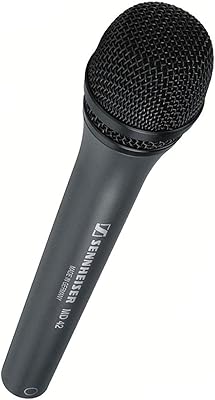
Sennheiser MD 42 Handheld Dynamic Microphone
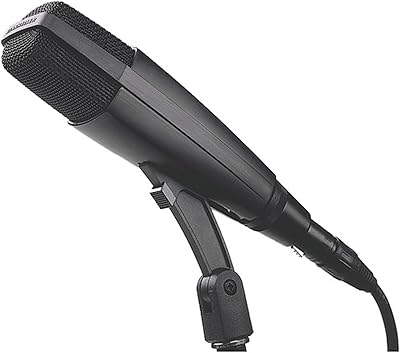
Sennheiser MD 421-II
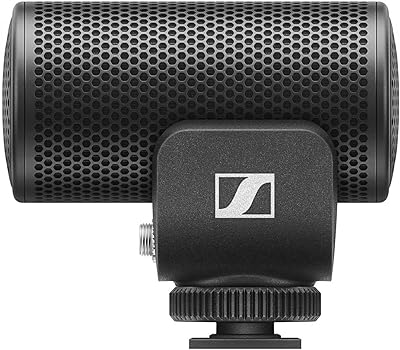
Sennheiser MKE 200
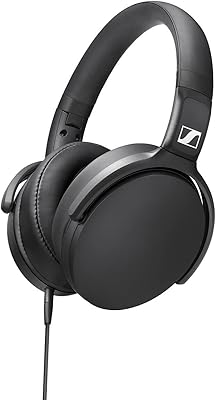
Sennheiser HD 400S Closed-Back Over-Ear Headphones
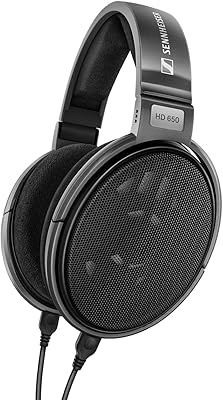
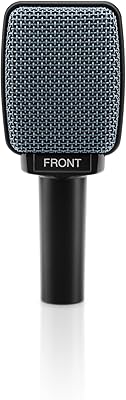
Sennheiser e906
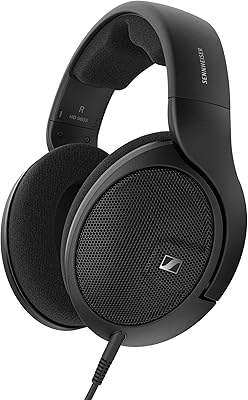
Sennheiser HD 560S
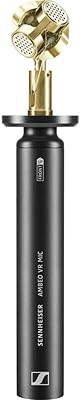
Sennheiser AMBEO VR Ambisonics Microphone
Sennheiser Presence Grey UC