
Overview

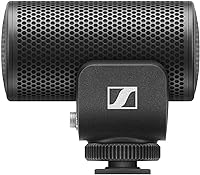
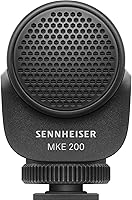
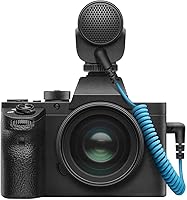
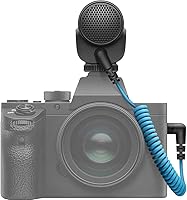
The Sennheiser MKE 200 is a compact shotgun microphone from one of Germany's most trusted audio names, priced squarely in the accessible mid-range tier where serious hobbyists and working creators shop. It mounts directly on a camera's hot shoe and draws power straight from the 3.5mm jack — no batteries, no fuss. Its super-cardioid polar pattern pulls in sound from directly in front while pushing aside ambient chatter and off-axis noise. For a mic that ships in a small box, it punches well above what you'd expect from a built-in camera microphone, and its top-seller ranking in the category suggests buyers broadly agree.

Features & Benefits

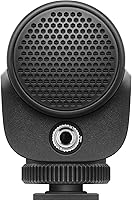
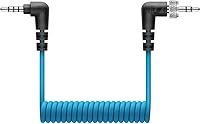
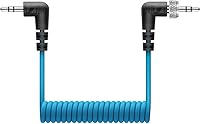
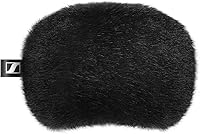
The integrated shock mount is one of those features you don't appreciate until you've shot handheld without one — every step and grip shift can become an audible thump in the recording. This on-camera mic absorbs those vibrations before they reach the capsule. Wind is covered too: there's a foam windscreen built right in, plus an included furry windshield for gusty outdoor conditions. What's genuinely practical is that both a TRS and a TRRS cable come in the box, so whether you're plugging into a mirrorless camera or a smartphone, you're set without buying extra cables. The cold shoe mount is universal, and the compact footprint adds almost no bulk to your rig.

Best For

This Sennheiser shotgun mic hits a sweet spot for solo content creators who want better audio without the complexity of a separate recorder or wireless system. Vloggers who shoot on the move will appreciate how little it changes the camera's handling feel. Travel videographers get a reliable audio tool that slips easily into a bag. It works for basic interview setups and documentary-style shoots too, though it's most comfortable in moderately controlled environments where background noise isn't extreme. Smartphone filmmakers step up meaningfully with the included TRRS cable. If you're new to on-camera audio and want a reputable brand as your entry point, this is a logical and low-risk choice.

User Feedback

Across hundreds of reviews, the consistent theme is that the MKE 200 delivers a clear, immediate improvement over whatever mic was built into the camera — and it does so without any configuration. That out-of-the-box experience earns a lot of goodwill. The dual-cable bundle comes up repeatedly as a practical plus, especially among users who switch between devices. On the less favorable side, some reviewers notice that self-noise creeps in during very quiet indoor recordings — worth knowing if near-silent conditions are common for you. A few also mention the plastic housing feels modest for a Sennheiser product, though comparisons to the Rode VideoMicro at a similar price point tend to land in this mic's favor.

Pros

  • Instant, noticeable audio improvement over built-in camera mics with zero configuration required.
  • Both TRS and TRRS cables included — works with DSLRs, mirrorless cameras, and most smartphones out of the box.
  • The integrated shock mount genuinely reduces handling noise during handheld and walking shots.
  • Plug-in powered design means no batteries to charge, replace, or forget at home.
  • Compact and light enough to leave on the camera all day without affecting balance or handling.
  • The Sennheiser MKE 200 ships with both a foam windscreen and a furry windshield for real outdoor wind protection.
  • Super-cardioid pattern keeps off-axis ambient noise at a manageable level in busy environments.
  • Standard cold shoe mount is universally compatible — no proprietary adapters needed.
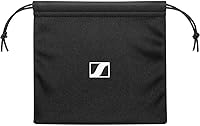
  • The included drawstring pouch makes it genuinely portable and easy to protect between shoots.
  • Strong brand reputation backed by decades of audio engineering gives buyers long-term confidence in the purchase.

Cons

  • Self-noise becomes audible in very quiet indoor recording environments, requiring post-production cleanup.
  • The all-plastic housing feels noticeably less solid than the brand name might lead buyers to expect.
  • Heavy, sustained outdoor wind can overwhelm even the included furry windshield.
  • The coiled cable design feels springy and can be awkward to route cleanly on a rigged camera body.
  • No 3.5mm input on your device means this on-camera mic simply will not work without a separate dongle.
  • Highly reverberant spaces — tiled rooms, large halls — will expose the mic's limits regardless of polar pattern.
  • The locking TRS connector can feel stiff and unfamiliar to first-time users, causing early confusion.
  • Aggressive motion during handheld shooting can still introduce low-frequency rumble despite the shock mount.
  • Minimal documentation in the box leaves absolute beginners without clear guidance on cable selection.
  • Buyers who already own wind protection or extra cables from a previous mic will be paying for redundant accessories.

Ratings

The scores below reflect our AI-powered analysis of verified global buyer reviews for the Sennheiser MKE 200, with spam, bot activity, and incentivized feedback actively filtered out before any scoring was applied. We evaluated over a dozen specific performance dimensions so you get a realistic picture — not a polished highlight reel. Both the standout strengths and the genuine frustrations are reflected in the numbers.

Audio Clarity
88%
For run-and-gun video work, the improvement over a camera's built-in mic is immediately obvious — dialogue comes through cleaner, voices sound more present, and there's a noticeable reduction in the hollow, roomy quality that plagues internal mics. Vloggers shooting in moderately noisy streets consistently report that speech remains intelligible without post-processing.
This on-camera mic was not designed to compete with dedicated studio condensers, and in truly quiet indoor environments the 20 dB self-noise floor can surface as a faint hiss under whisper-level recordings. It handles everyday speech well, but critical audio work requiring near-silent noise floors will expose its limitations.
Background Noise Rejection
81%
19%
The super-cardioid pattern does a solid job of narrowing the pickup field, which means ambient café chatter, street traffic, and off-camera voices get pushed down meaningfully compared to omni or cardioid alternatives. Creators shooting in busy public spaces consistently mention that their subject stays center-stage in the audio mix.
Super-cardioid patterns have tighter rear rejection than standard cardioids, so sounds coming in from the sides at roughly 90–120 degrees can still bleed through. In highly reverberant spaces like tiled rooms or large halls, the MKE 200 cannot fully compensate for the acoustics of the environment.
Wind Noise Handling
79%
21%
The layered approach here — foam windscreen built in, furry windshield included in the box — gives users genuine options for different outdoor conditions rather than a one-size-fits-all solution. Light urban breezes are handled comfortably with just the foam layer, while the furry shield provides a meaningful upgrade for park shoots and beach settings.
In heavy, sustained wind the MKE 200 still struggles, as do most on-camera mics at this size. Users shooting in coastal or high-altitude environments report that even the furry windshield has a threshold beyond which wind artifacts become prominent and distracting in the final recording.
Build Quality & Durability
63%
37%
The mic is light enough that it never creates front-heavy imbalance on a mirrorless body, and the cold shoe mount feels snug and secure once locked in. For casual daily use — pulling it out of a bag, mounting it for a shoot, tossing it back in a pouch — it holds up without obvious signs of wear.
The all-plastic housing is the most consistently criticized aspect across buyer reviews, and the disappointment is amplified by Sennheiser's reputation for sturdy hardware at higher price points. Several users describe a slightly hollow feel when handling it, and a handful report that the cable locking collar feels less precise than expected from the brand.
Ease of Setup & Use
94%
Plug-in power means there are no batteries to charge, no menus to navigate, and no pairing processes — you mount it, connect the right cable, and it works. First-time buyers repeatedly highlight this as the most satisfying part of the experience, especially those stepping up from a smartphone mic for the first time.
While setup is straightforward, new users sometimes need a moment to identify which of the two included cables matches their device. The locking TRS connector can also feel stiff to first-time users, and a small number of reviewers initially confused it with a defective cable before figuring out the locking mechanism.
Cable & Connectivity
86%
Including both a TRS and a TRRS cable in the same box is a practical decision that genuinely saves money and reduces friction. Creators who shoot on a Sony mirrorless one day and their iPhone the next can switch setups without hunting for a separate adapter or cable — it is a small thing that buyers notice and appreciate.
The coiled cable design can feel slightly springy and awkward to route around a camera body, especially when using a cage or mounting accessories. A few users would prefer a straight cable option, and the coil adds a small amount of visual clutter in behind-the-camera footage.
Compatibility
91%
The standard cold shoe mount means this on-camera mic attaches to virtually any DSLR or mirrorless camera body without needing a proprietary accessory. The dual-cable bundle extends that reach to modern smartphones, making it one of the more device-agnostic options at its price point.
Cameras that lack a 3.5mm input — including many newer iPhones without an adapter and some action cameras — require additional dongles not included in the box. The mic also draws plug-in power, so it will not function on devices that do not supply voltage through the jack.
Size & Portability
89%
The footprint is genuinely small — it adds almost no visual bulk to a compact mirrorless setup and fits easily inside a jacket pocket or a small pouch. Travel videographers frequently mention that the included drawstring pouch makes it a toss-in-the-bag accessory rather than a piece of gear that needs its own case.
Compared to ultra-compact alternatives like the Rode VideoMicro, the MKE 200 is slightly larger in profile, which a small number of minimalist shooters find less ideal for discreet or run-and-gun street filming. Not a deal-breaker, but worth noting for those prioritizing the smallest possible setup.
Value for Money
83%
At its mid-range price point, the combination of a trusted brand, a complete accessory bundle, and a genuine audio upgrade over camera-native mics makes the overall package feel well-justified. Most buyers feel they are paying for real engineering rather than just a name, which is not always the case in this category.
Buyers who already own a smartphone adapter cable or furry windshield from a previous mic may feel the bundled extras are less compelling, effectively paying for redundant accessories. A small subset of users also argue that the plastic construction does not fully align with what the brand name typically implies at this spend level.
Handling Noise Reduction
77%
23%
The internal shock mount does meaningful work during handheld shooting — footsteps, grip adjustments, and zoom ring movements that would normally thud through a rigid-mounted mic are noticeably dampened. Documentary-style shooters walking while recording particularly mention this as a functional improvement over cheaper alternatives.
Aggressive handheld movement — think walking quickly on pavement or heavy camera gestures — can still introduce some low-frequency rumble that the shock mount cannot fully absorb. For smooth tracking shots or stabilized rigs this is a non-issue, but high-motion shooting may still require some low-cut filtering in post.
Frequency Response & Detail
76%
24%
The 40 Hz to 20 kHz response captures a wide range that handles both natural speech and ambient environmental texture with reasonable fidelity for on-camera work. Vocal recordings for interview content and voiceover-style vlogging come through with enough presence and clarity to hold up on YouTube or podcast platforms without heavy EQ.
The top-end detail and low-end body do not quite match what a larger-diaphragm or higher-end shotgun mic can produce, which becomes noticeable in direct A/B comparisons. For most web content the difference is acceptable, but audio enthusiasts stepping down from a premium setup may find the overall character a touch thin.
Out-of-Box Experience
92%
The packaging is organized, the accessories are practical rather than filler, and everything needed to start recording is included. The MKE 200 is one of those products where buyers frequently report that their very first recording with it was the best audio they had ever captured on that camera — zero configuration required.
The documentation included in the box is minimal, which is fine for experienced users but can leave absolute beginners uncertain about which cable to use or how the locking connector functions. A simple one-page quick-start card with device pairing guidance would address the handful of early setup questions that appear regularly in reviews.
Performance in Quiet Environments
58%
42%
For standard indoor recording — a home studio setup, an office interview, a well-treated spare room — the MKE 200 performs cleanly enough that most viewers will not notice any underlying noise without headphones and close scrutiny. It covers the majority of typical indoor content creation scenarios without issue.
When recording in near-silent conditions — late-night voiceovers, hushed interview setups, or audio-focused product reviews — the self-noise becomes audible enough to require noise-reduction processing in post. Users with high standards for silent-room recordings consistently flag this as the mic's most significant technical limitation.
Brand Reputation & Trust
87%
Sennheiser's decades-long standing in professional audio carries real weight for buyers choosing between unfamiliar budget brands and an established name. Many reviewers explicitly mention that the brand reputation factored into their purchase decision, and that the product's performance met or matched their expectations for the label.
That strong brand association also sets a high expectation that the physical build quality does not fully meet — a recurring note in critical reviews. When buyers expect flagship-grade fit and finish based on brand heritage alone and receive a primarily plastic mic body, the gap between expectation and reality becomes a recurring point of friction.

Suitable for:

The Sennheiser MKE 200 is the right call for content creators who are tired of their camera's built-in mic and want a meaningful audio upgrade without diving into the complexity of a full recorder-and-lav setup. Solo vloggers who shoot on the move — whether that's street-style travel content, outdoor tutorials, or daily diary-style videos — will find it practical because it mounts in seconds, needs no batteries, and does not unbalance a compact mirrorless body. Smartphone filmmakers get a genuine benefit here too, since the included TRRS cable means the mic works directly with most Android and older iPhone setups without buying anything extra. Interview-style creators and documentary hobbyists working in reasonably controlled environments — a home studio, a small office, a quiet outdoor location — will get clean, usable dialogue without touching an EQ knob. It also makes a strong first on-camera mic for beginners who want to buy from a trusted name and grow into it, rather than cycling through cheap unknowns before landing on something reliable.

Not suitable for:

The Sennheiser MKE 200 is not the right fit for anyone whose primary recording environment is a near-silent room where every trace of background noise will be audible — the 20 dB self-noise floor, while acceptable for video work, will require noise reduction in demanding quiet-room applications like voiceover recording or ASMR-style content. Professionals who need broadcast-grade audio or who are already working with a high-end recorder and a dedicated boom setup will find this on-camera mic underpowered for those expectations. Buyers who place a high premium on metal-construction durability may also feel let down — the all-plastic housing is functional but does not carry the premium tactile quality some associate with the Sennheiser name. If you shoot primarily in heavy wind, high-reverb spaces, or loud crowded environments where sound isolation is critical, the MKE 200 will hit its ceiling faster than you'd like. And if your camera or phone lacks a 3.5mm input entirely, you will need a separate adapter that is not included.

Specifications

  • Microphone Type: Condenser (shotgun) capsule designed for directional on-camera audio capture.
  • Polar Pattern: Super-cardioid, focusing pickup on sound directly in front while rejecting off-axis and rear noise.
  • Frequency Response: 40 Hz to 20 kHz, covering the full range of human speech and natural ambient sound.
  • Self-Noise: 20 dB (A-weighted), suitable for typical video content but audible in near-silent recording environments.
  • Max SPL: 126 dB sound pressure level, handling loud sources without distortion in most real-world shooting situations.
  • Sensitivity: -33 dB V/Pa at 1 kHz, delivering a strong enough signal for clean capture via standard camera inputs.
  • Power Source: Plug-in power only, requiring 2–10 V supplied through the connected device's 3.5 mm jack — no batteries needed.
  • Connectors: Includes one coiled 3.5 mm locking TRS cable for cameras and one coiled 3.5 mm locking TRRS cable for smartphones.
  • Mount Type: Standard cold shoe mount, universally compatible with the hot shoe of virtually any DSLR or mirrorless camera.
  • Dimensions: Approximately ø 1.38″ x H 2.36″ x L 2.72″, making it one of the more compact shotgun mics in its class.
  • Housing Material: Plastic construction throughout, keeping weight low but with a less premium tactile feel compared to metal-body alternatives.
  • Color: Matte black finish that blends discreetly with most camera bodies and rigs.
  • Wind Protection: Integrated foam windscreen built into the body, plus a removable furry windshield accessory included in the box.
  • Shock Absorption: Internal suspension mount is built directly into the mic body to dampen handling vibrations and footstep rumble during handheld shooting.
  • Compatible Devices: Works with DSLR cameras, mirrorless cameras, and smartphones that supply plug-in power through a 3.5 mm input jack.
  • Included Accessories: Box contains one TRS cable, one TRRS cable, one foam windscreen, one furry windshield, and one drawstring storage pouch.
  • Signal-to-Noise Ratio: 75 dB, reflecting a clean output relative to the noise floor for on-camera video applications.
  • Number of Channels: Single mono channel, standard for on-camera directional mics used in dialogue and vlogging applications.

Related Reviews
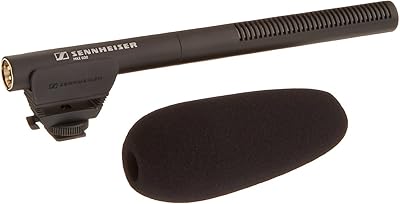
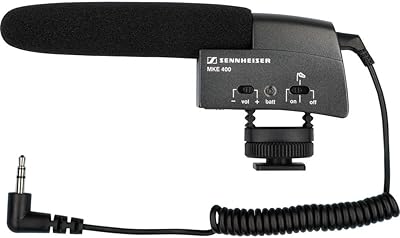
Sennheiser MKE 400 Shotgun Microphone
85%
88%
Audio Quality
94%
Battery Life
90%
Portability
86%
Build Quality
82%
Ease of Use
More
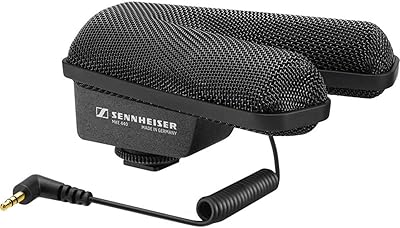
Sennheiser MKE 600
Sennheiser MKE 600
89%
93%
Vocal Clarity
88%
Off-Axis Rejection
96%
Powering Versatility
91%
Build Durability
84%
Environmental Resilience
More
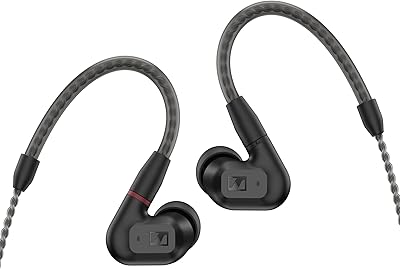
Sennheiser IE 200
Sennheiser IE 200
81%
91%
Sound Quality
83%
Bass Performance
88%
Soundstage & Imaging
63%
Build Quality
72%
Comfort & Fit
More
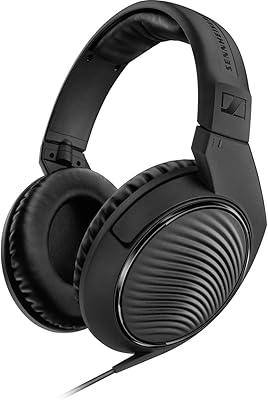
Sennheiser HD 200 PRO Over-Ear Studio Headphones
84%
87%
Sound Quality
82%
Comfort for Long Sessions
80%
Build Quality
85%
Noise Isolation
92%
Value for Money
More
Sennheiser MKE 440
Sennheiser MKE 440
85%
93%
Audio Quality
88%
Stereo Width & Imaging
91%
Build Quality
89%
Handling Noise & Vibration Rejection
87%
Sensitivity Adjustment
More
Sennheiser MKE 2-EW GOLD Omni-Directional EW Microphone
87%
94%
Sound Quality
89%
Durability and Build Quality
85%
Ease of Setup
90%
Noise Reduction
88%
Portability
More
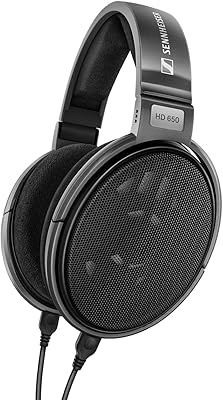
Sennheiser HD 650
Sennheiser HD 650
84%
96%
Sound Clarity
88%
Bass Response
94%
Midrange Accuracy
91%
Treble Detail
89%
Comfort
More
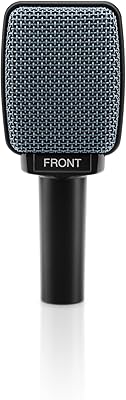
Sennheiser e906
Sennheiser e906
88%
96%
Build Durability
94%
Guitar Amp Performance
88%
Tonal Versatility
91%
Off-Axis Rejection
84%
Snare & Percussion Clarity
More
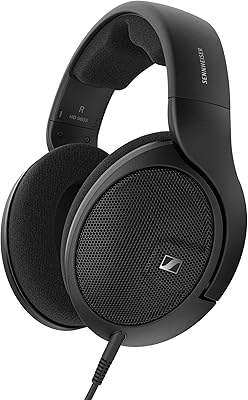
Sennheiser HD 560S
Sennheiser HD 560S
74%
93%
Sound Accuracy
91%
Soundstage & Imaging
88%
Comfort & Fit
63%
Build Quality
71%
Amplifier Dependency
More
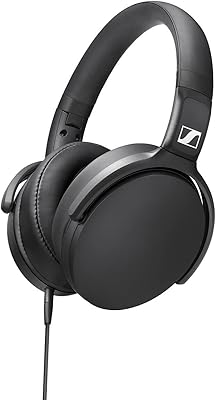
Sennheiser HD400S Headset
85%
85%
Sound Quality
88%
Comfort for Long Listening
90%
Portability
80%
Noise Isolation
87%
Build Quality
More

FAQ

It depends on your iPhone model. The included TRRS cable works with iPhones that still have a 3.5 mm headphone jack. If your iPhone uses USB-C or Lightning only, you will need a separate Apple-compatible adapter, which is not included in the box.

No batteries required at all. The mic draws plug-in power directly from your camera or smartphone through the 3.5 mm jack, so as long as your device supplies that low voltage — which most cameras and phones do — you are good to go the moment it is plugged in.

Use the TRS cable when connecting to a DSLR or mirrorless camera, and the TRRS cable when connecting to a smartphone. The two connectors look nearly identical, so check the labeling on the cable ends before plugging in. The TRRS has an extra ring on the connector tip, which is how your phone distinguishes mic input from headphone output.

Almost certainly yes. The Sennheiser MKE 200 uses a standard cold shoe mount that is compatible with the hot shoe found on the vast majority of DSLR and mirrorless cameras from Sony, Canon, Nikon, Fujifilm, and others. No adapters are needed for a standard mounting slot.

For light to moderate outdoor conditions — city streets, parks on calm days, open-air events — the built-in foam windscreen handles things reasonably well. For windier situations, swap on the included furry windshield accessory for noticeably better results. In sustained heavy wind, though, no on-camera mic of this size will fully eliminate wind noise, so try to position your back to the wind when possible.

Both mics sit in a similar price range and are frequently cross-shopped by vloggers and travel videographers. A number of buyers who have used both tend to describe the two as closely matched in real-world audio quality, with the main practical difference being that this on-camera mic ships with both a TRS and a TRRS cable, while the VideoMicro has historically required a separate cable purchase for smartphone use. Which sounds better is largely a matter of personal preference and your specific camera's preamp.

It can work in a pinch, but it is not ideally suited for that. The 20 dB self-noise floor, which is perfectly acceptable for video work, becomes noticeable in the very quiet environments that voiceover and podcast production require. If clean silent-room recordings are a priority, you would be better served by a large-diaphragm USB or XLR condenser mic designed specifically for that type of work.

Yes, meaningfully. The built-in internal shock mount is specifically designed to absorb the vibrations that come through the camera body — things like grip shifts, button presses, lens adjustments, and footsteps while walking. It will not eliminate every single handling artifact under aggressive movement, but it makes a real and noticeable difference compared to mics without any suspension system.

It holds up well for everyday travel as long as you store it in the included drawstring pouch and treat it as a piece of audio equipment rather than something that can take hard knocks. The plastic housing is lightweight by design, which is part of why it feels less rugged than you might expect from the Sennheiser name. Most travel creators report no durability issues with normal bag-and-shoot use over extended periods.

No, it records in mono only. This is standard for directional shotgun mics of this type, which are optimized for capturing clean, focused dialogue and ambient sound from a single channel rather than a wide stereo field. For most vlogging, interview, and documentary applications this is perfectly fine, and many editors actually prefer a centered mono dialogue track when mixing video.